



What makes IR64 Parboiled Rice a preferred staple in African and Asian markets?
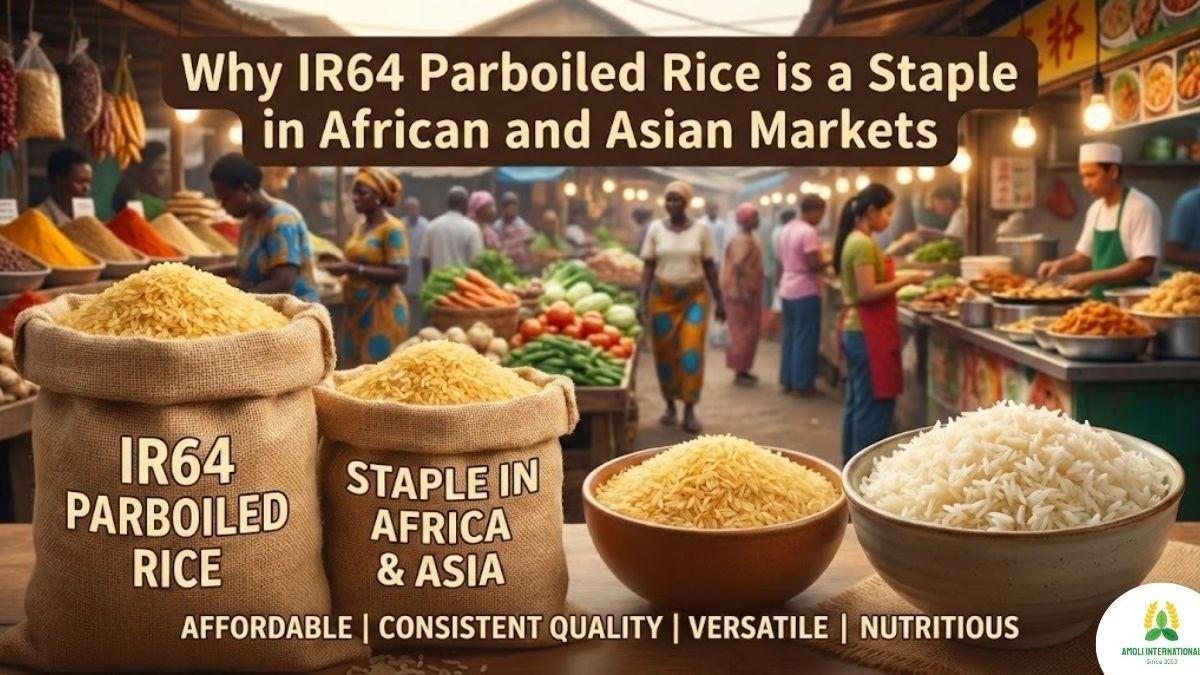
IR64 Parboiled Rice is widely preferred in African and Asian markets because it offers the right balance of affordability, quality, and versatility for daily consumption. In regions where rice is eaten multiple times a day, consumers look for a variety that is economical yet reliable, and IR64 Parboiled Rice meets this need effectively. The parboiling process strengthens the grains, reducing breakage and ensuring uniform cooking, which is especially important for households and large kitchens preparing rice in bulk.
This rice variety has medium to long grains that remain separate and fluffy after cooking, making it suitable for a wide range of local dishes, including steamed rice, pilaf, and spicy preparations. Its neutral taste allows it to blend well with spices, vegetables, and sauces commonly used in African and Asian cuisines. Another important factor is its improved nutritional retention, as parboiling helps preserve essential nutrients and provides sustained energy.
https://www.linkedin.com/pulse/why-ir64-parboiled-rice-staple-african-asian-markets-mjhqc/
#ir64parboiledrice #parboiledrice #nonbasmatirice #riceexportersindia #riceexport #africanricemarket
IR64 Parboiled Rice is widely preferred in African and Asian markets because it offers the right balance of affordability, quality, and versatility for daily consumption. In regions where rice is eaten multiple times a day, consumers look for a variety that is economical yet reliable, and IR64 Parboiled Rice meets this need effectively. The parboiling process strengthens the grains, reducing breakage and ensuring uniform cooking, which is especially important for households and large kitchens preparing rice in bulk.
This rice variety has medium to long grains that remain separate and fluffy after cooking, making it suitable for a wide range of local dishes, including steamed rice, pilaf, and spicy preparations. Its neutral taste allows it to blend well with spices, vegetables, and sauces commonly used in African and Asian cuisines. Another important factor is its improved nutritional retention, as parboiling helps preserve essential nutrients and provides sustained energy.
https://www.linkedin.com/pulse/why-ir64-parboiled-rice-staple-african-asian-markets-mjhqc/
#ir64parboiledrice #parboiledrice #nonbasmatirice #riceexportersindia #riceexport #africanricemarket
What makes IR64 Parboiled Rice a preferred staple in African and Asian markets?
IR64 Parboiled Rice is widely preferred in African and Asian markets because it offers the right balance of affordability, quality, and versatility for daily consumption. In regions where rice is eaten multiple times a day, consumers look for a variety that is economical yet reliable, and IR64 Parboiled Rice meets this need effectively. The parboiling process strengthens the grains, reducing breakage and ensuring uniform cooking, which is especially important for households and large kitchens preparing rice in bulk.
This rice variety has medium to long grains that remain separate and fluffy after cooking, making it suitable for a wide range of local dishes, including steamed rice, pilaf, and spicy preparations. Its neutral taste allows it to blend well with spices, vegetables, and sauces commonly used in African and Asian cuisines. Another important factor is its improved nutritional retention, as parboiling helps preserve essential nutrients and provides sustained energy.
https://www.linkedin.com/pulse/why-ir64-parboiled-rice-staple-african-asian-markets-mjhqc/
#ir64parboiledrice #parboiledrice #nonbasmatirice #riceexportersindia #riceexport #africanricemarket
0 Reacties
0 aandelen
27 Views
0 voorbeeld


 English
 Arabic
 French
 Spanish
 Portuguese
 Deutsch
 Turkish
 Italiano
 Russian
 Romaian
 Portuguese (Brazil)
 Greek
Greek