



My name is Sofiya, and I am a professional grain trader specializing in the export of high-quality agro-commodity products to international markets. We deal in a wide variety of agricultural goods, including cereals, pulses, oilseeds, and other essential staples. Our commitment to quality ensures that we source products directly from trusted farmers and suppliers, maintaining global standards for safety, freshness, and sustainability.
-
22 Posts
-
20 Photos
-
0 Videos
-
Best Agro Community Traders in India
-
Female
-
17/06/1996
-
Followed by 0 people
Search

 Arabic
 French
 Spanish
 Portuguese
 Deutsch
 Turkish
 Dutch
Dutch
 Italiano
 Russian
 Romaian
 Portuguese (Brazil)
 Greek
Greek
Recent Updates
-
What makes IR64 Parboiled Rice a preferred staple in African and Asian markets?
IR64 Parboiled Rice is widely preferred in African and Asian markets because it offers the right balance of affordability, quality, and versatility for daily consumption. In regions where rice is eaten multiple times a day, consumers look for a variety that is economical yet reliable, and IR64 Parboiled Rice meets this need effectively. The parboiling process strengthens the grains, reducing breakage and ensuring uniform cooking, which is especially important for households and large kitchens preparing rice in bulk.
This rice variety has medium to long grains that remain separate and fluffy after cooking, making it suitable for a wide range of local dishes, including steamed rice, pilaf, and spicy preparations. Its neutral taste allows it to blend well with spices, vegetables, and sauces commonly used in African and Asian cuisines. Another important factor is its improved nutritional retention, as parboiling helps preserve essential nutrients and provides sustained energy.
https://www.linkedin.com/pulse/why-ir64-parboiled-rice-staple-african-asian-markets-mjhqc/
#ir64parboiledrice #parboiledrice #nonbasmatirice #riceexportersindia #riceexport #africanricemarket
What makes IR64 Parboiled Rice a preferred staple in African and Asian markets? IR64 Parboiled Rice is widely preferred in African and Asian markets because it offers the right balance of affordability, quality, and versatility for daily consumption. In regions where rice is eaten multiple times a day, consumers look for a variety that is economical yet reliable, and IR64 Parboiled Rice meets this need effectively. The parboiling process strengthens the grains, reducing breakage and ensuring uniform cooking, which is especially important for households and large kitchens preparing rice in bulk. This rice variety has medium to long grains that remain separate and fluffy after cooking, making it suitable for a wide range of local dishes, including steamed rice, pilaf, and spicy preparations. Its neutral taste allows it to blend well with spices, vegetables, and sauces commonly used in African and Asian cuisines. Another important factor is its improved nutritional retention, as parboiling helps preserve essential nutrients and provides sustained energy. https://www.linkedin.com/pulse/why-ir64-parboiled-rice-staple-african-asian-markets-mjhqc/ #ir64parboiledrice #parboiledrice #nonbasmatirice #riceexportersindia #riceexport #africanricemarket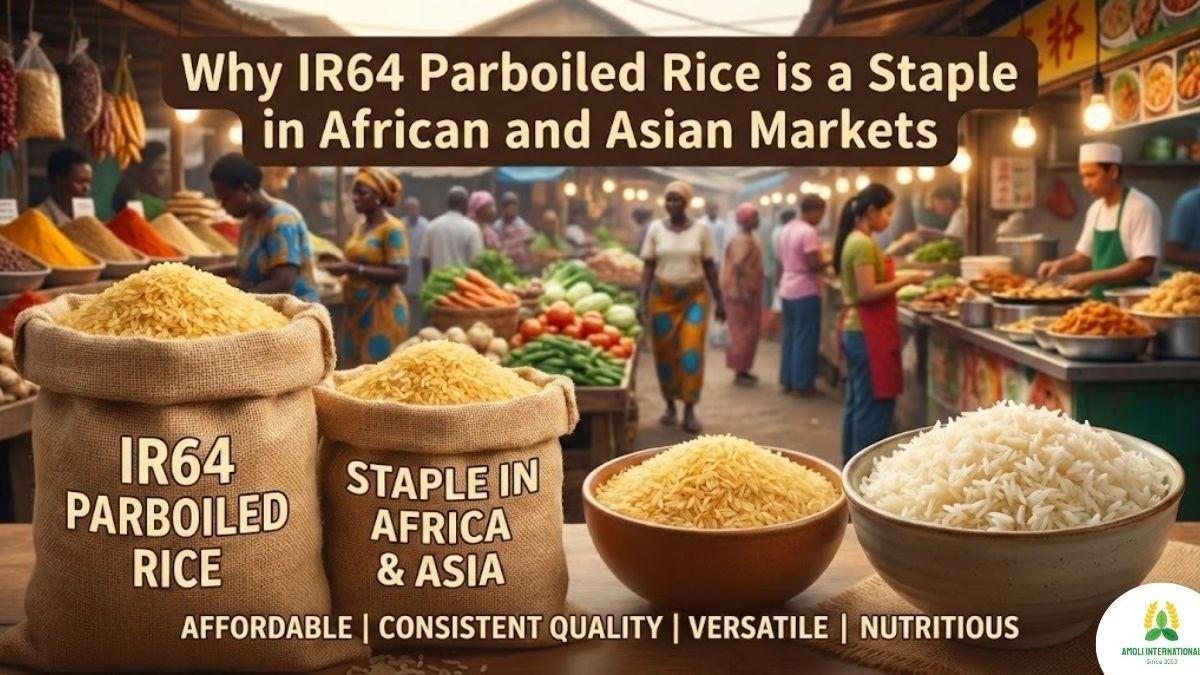 0 Comments 0 Shares 74 Views 0 Reviews
 -
Why Is 1121 Basmati Rice the Most Preferred Variety for Premium Export?
1121 Basmati Rice is globally recognized for its extra-long grain length, rich aroma, and exceptional cooking performance, making it one of the most sought-after rice varieties in international trade. This premium basmati variety is widely used in high-end restaurants, hotels, and households where quality and presentation matter.
One of the defining features of 1121 Basmati Steam Rice is its remarkable elongation after cooking, often increasing up to twice its original length while remaining non-sticky and fluffy. This property makes it ideal for preparing biryani, pulao, and other premium rice dishes. Its natural fragrance and delicate texture elevate the overall dining experience.
1121 Basmati is available in Steam, Golden Sella, and Creamy Sella forms, each catering to specific market preferences. Exporters ensure strict quality control, including grain sorting, moisture control, and hygienic packaging to preserve freshness during long-distance shipping.
Due to its long shelf life, consistent quality, and strong global demand, 1121 Basmati Rice continues to dominate premium rice segments across the Middle East, Europe, Africa, and North America. For buyers seeking superior rice with excellent market acceptance, 1121 Basmati remains the top choice.
https://www.amoliinternational.com/basmati-rice.html
#1121basmatirice #basmatiriceexport #1121basmatisteamrice #basmatiriceindia #premiumbasmatirice #riceexportersindia #indianbasmatirice #longgrainrice
Why Is 1121 Basmati Rice the Most Preferred Variety for Premium Export? 1121 Basmati Rice is globally recognized for its extra-long grain length, rich aroma, and exceptional cooking performance, making it one of the most sought-after rice varieties in international trade. This premium basmati variety is widely used in high-end restaurants, hotels, and households where quality and presentation matter. One of the defining features of 1121 Basmati Steam Rice is its remarkable elongation after cooking, often increasing up to twice its original length while remaining non-sticky and fluffy. This property makes it ideal for preparing biryani, pulao, and other premium rice dishes. Its natural fragrance and delicate texture elevate the overall dining experience. 1121 Basmati is available in Steam, Golden Sella, and Creamy Sella forms, each catering to specific market preferences. Exporters ensure strict quality control, including grain sorting, moisture control, and hygienic packaging to preserve freshness during long-distance shipping. Due to its long shelf life, consistent quality, and strong global demand, 1121 Basmati Rice continues to dominate premium rice segments across the Middle East, Europe, Africa, and North America. For buyers seeking superior rice with excellent market acceptance, 1121 Basmati remains the top choice. https://www.amoliinternational.com/basmati-rice.html #1121basmatirice #basmatiriceexport #1121basmatisteamrice #basmatiriceindia #premiumbasmatirice #riceexportersindia #indianbasmatirice #longgrainrice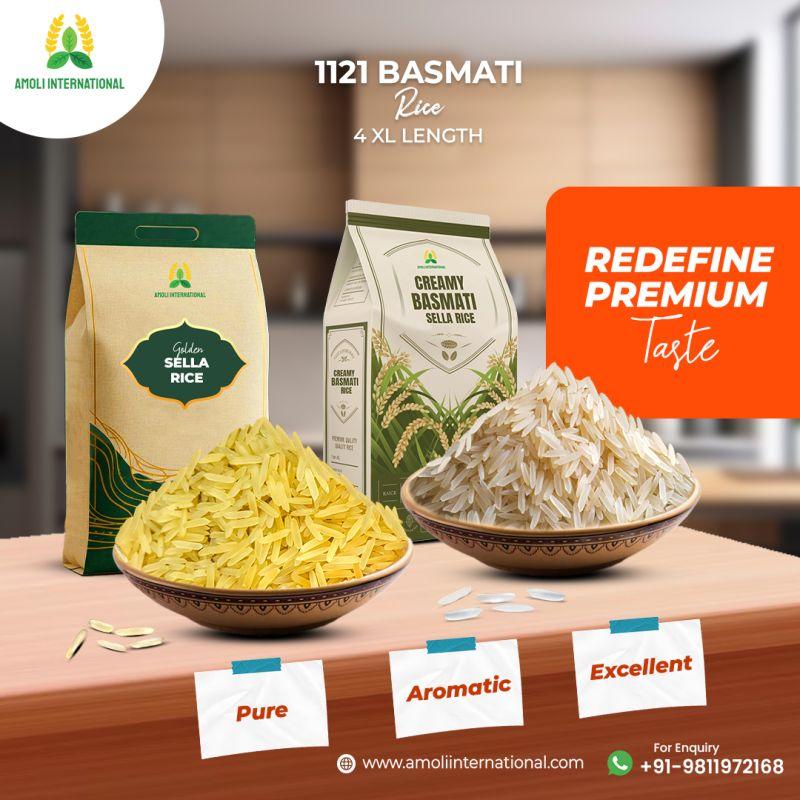 0 Comments 0 Shares 90 Views 0 Reviews
 -
Why Are the Best Biscuits in India Known for Their Varieties and Amazing Taste?
The demand for the best biscuits in India has grown rapidly as consumers look for tasty, affordable, and convenient snack options. Biscuits are enjoyed daily with tea, during travel, or as quick snacks for children and adults alike. Indian biscuit brands have evolved by offering a wide variety of flavors, textures, and nutritional choices that suit both traditional and modern preferences.
One of the main reasons the best biscuits in India stand out is the wide range available. From light and crisp Marie biscuits to fiber-rich Digestive biscuits, chocolate-filled Bourbon biscuits, creamy sandwich biscuits, and crunchy wafer varieties, there is something for every taste. This variety makes biscuits a universal snack across all age groups.
Quality and consistency also play a vital role. Leading manufacturers focus on hygienic production, quality ingredients, and export-grade packaging to ensure long shelf life and freshness. These factors have also increased the popularity of Indian biscuits in international markets.
With competitive pricing, easy availability, and delicious taste, the best biscuits in India continue to be a preferred snack choice for both domestic consumers and global buyers.
https://amoliinternational.weebly.com/blog/best-biscuits-in-india-get-varieties-and-amazing-taste
#bestbiscuitsinindia #indiabiscuitmarket #indianbiscuits #snackfoodindia #teatimesnacks #biscuitlovers #exportqualitybiscuits #foodexportindia #biscuitbrands #indianfoodproducts
Why Are the Best Biscuits in India Known for Their Varieties and Amazing Taste? The demand for the best biscuits in India has grown rapidly as consumers look for tasty, affordable, and convenient snack options. Biscuits are enjoyed daily with tea, during travel, or as quick snacks for children and adults alike. Indian biscuit brands have evolved by offering a wide variety of flavors, textures, and nutritional choices that suit both traditional and modern preferences. One of the main reasons the best biscuits in India stand out is the wide range available. From light and crisp Marie biscuits to fiber-rich Digestive biscuits, chocolate-filled Bourbon biscuits, creamy sandwich biscuits, and crunchy wafer varieties, there is something for every taste. This variety makes biscuits a universal snack across all age groups. Quality and consistency also play a vital role. Leading manufacturers focus on hygienic production, quality ingredients, and export-grade packaging to ensure long shelf life and freshness. These factors have also increased the popularity of Indian biscuits in international markets. With competitive pricing, easy availability, and delicious taste, the best biscuits in India continue to be a preferred snack choice for both domestic consumers and global buyers. https://amoliinternational.weebly.com/blog/best-biscuits-in-india-get-varieties-and-amazing-taste #bestbiscuitsinindia #indiabiscuitmarket #indianbiscuits #snackfoodindia #teatimesnacks #biscuitlovers #exportqualitybiscuits #foodexportindia #biscuitbrands #indianfoodproducts0 Comments 0 Shares 218 Views 0 Reviews -
What are the types of Broken Rice?
Broken rice refers to rice grains that break during the milling process but retain the same nutritional value as whole grains. Due to its affordability and versatility, broken rice is widely used for food processing, brewing, animal feed, and household cooking across global markets. There are several important types of broken rice available in international trade.
1. 100% Broken Raw Rice
This is fully broken white rice used extensively for rice flour, snacks, porridge, baby food, and breweries.
2. 100% Broken Parboiled Rice
Produced from parboiled paddy, this type offers better nutrient retention and is preferred for puffed snacks, animal feed, and industrial uses.
3. Broken Basmati Rice
Aromatic fragments of premium basmati rice used in ready-to-eat meals, biryani mixes, and processed foods.
4. Broken IR Rice (IR64, IR36, etc.)
Long-grain non-basmati broken rice used for bulk food service, flour mills, and export-grade processing.
5. Broken Sona Masoori / Parmal Rice
Medium-grain broken rice suitable for daily cooking and traditional dishes in Asian and African markets.
These varieties are available in different broken percentages and moisture levels based on buyer requirements. You can import these varieties with Best 100% Broken Rice Traders. With strong supply capacity and export-grade processing, broken rice continues to be a highly demanded commodity worldwide.
https://www.amoliinternational.com/indian-non-basmati-rice-traders.html
#brokenrice #100percentbrokenrice #brokenricetraders #indianricetraders #riceexportindia #nonbasmatirice #parboiledrice #basmatiricebroken #ir64rice #sonamasooririce
What are the types of Broken Rice? Broken rice refers to rice grains that break during the milling process but retain the same nutritional value as whole grains. Due to its affordability and versatility, broken rice is widely used for food processing, brewing, animal feed, and household cooking across global markets. There are several important types of broken rice available in international trade. 1. 100% Broken Raw Rice This is fully broken white rice used extensively for rice flour, snacks, porridge, baby food, and breweries. 2. 100% Broken Parboiled Rice Produced from parboiled paddy, this type offers better nutrient retention and is preferred for puffed snacks, animal feed, and industrial uses. 3. Broken Basmati Rice Aromatic fragments of premium basmati rice used in ready-to-eat meals, biryani mixes, and processed foods. 4. Broken IR Rice (IR64, IR36, etc.) Long-grain non-basmati broken rice used for bulk food service, flour mills, and export-grade processing. 5. Broken Sona Masoori / Parmal Rice Medium-grain broken rice suitable for daily cooking and traditional dishes in Asian and African markets. These varieties are available in different broken percentages and moisture levels based on buyer requirements. You can import these varieties with Best 100% Broken Rice Traders. With strong supply capacity and export-grade processing, broken rice continues to be a highly demanded commodity worldwide. https://www.amoliinternational.com/indian-non-basmati-rice-traders.html #brokenrice #100percentbrokenrice #brokenricetraders #indianricetraders #riceexportindia #nonbasmatirice #parboiledrice #basmatiricebroken #ir64rice #sonamasooririce 0 Comments 0 Shares 169 Views 0 Reviews
 -
What Are the Different Types of Biofuels and Their Key Benefits?
Biofuel types and benefits are important to understand as the world moves toward cleaner and renewable energy sources. Biofuels are made from biomass, including plants, animal waste, and algae, making them a sustainable alternative to fossil fuels while reducing pollution and greenhouse gas emissions.
Types of Biofuels:
1st Generation (Food-Based):
Bioethanol: Made by fermenting sugars from corn, sugarcane, or wheat. Benefit: Reduces tailpipe emissions and uses abundant crops.
Biodiesel: Produced from vegetable oils, animal fats, or used cooking oil. Benefit: Lowers soot and sulfur emissions, promoting cleaner urban air.
2nd Generation (Waste-Based):
Cellulosic Ethanol: Made from plant residues like straw, wood chips, or bagasse. Benefit: Utilizes waste and avoids food-vs-fuel conflicts.
Renewable Diesel (HVO): Chemically identical to fossil diesel. Benefit: Can be used directly in engines, making fleet conversion easy.
Biogas & Biomethane: Produced from decomposing organic waste. Benefit: Converts waste into clean energy for heat and power.
Overall, biofuel types and benefits include reducing climate pollution, decreasing reliance on imported oil, supporting farmers, and improving urban air quality, creating a cleaner, sustainable energy future
https://www.globhy.com/article/what-are-the-different-types-of-biofuels-and-their-benefits
#biofueltypesandbenefits #biofuels #renewableenergy #cleanfuel #sustainableenergy #bioethanol #biodiesel #cellulosicethanol #renewablediesel #biogas #greenenergy
What Are the Different Types of Biofuels and Their Key Benefits? Biofuel types and benefits are important to understand as the world moves toward cleaner and renewable energy sources. Biofuels are made from biomass, including plants, animal waste, and algae, making them a sustainable alternative to fossil fuels while reducing pollution and greenhouse gas emissions. Types of Biofuels: 1st Generation (Food-Based): Bioethanol: Made by fermenting sugars from corn, sugarcane, or wheat. Benefit: Reduces tailpipe emissions and uses abundant crops. Biodiesel: Produced from vegetable oils, animal fats, or used cooking oil. Benefit: Lowers soot and sulfur emissions, promoting cleaner urban air. 2nd Generation (Waste-Based): Cellulosic Ethanol: Made from plant residues like straw, wood chips, or bagasse. Benefit: Utilizes waste and avoids food-vs-fuel conflicts. Renewable Diesel (HVO): Chemically identical to fossil diesel. Benefit: Can be used directly in engines, making fleet conversion easy. Biogas & Biomethane: Produced from decomposing organic waste. Benefit: Converts waste into clean energy for heat and power. Overall, biofuel types and benefits include reducing climate pollution, decreasing reliance on imported oil, supporting farmers, and improving urban air quality, creating a cleaner, sustainable energy future https://www.globhy.com/article/what-are-the-different-types-of-biofuels-and-their-benefits #biofueltypesandbenefits #biofuels #renewableenergy #cleanfuel #sustainableenergy #bioethanol #biodiesel #cellulosicethanol #renewablediesel #biogas #greenenergy 0 Comments 0 Shares 61 Views 0 Reviews
 -
How Do Indian Biscuit Exporters Meet Global Trade Requirements?
Exporting biscuits requires more than good taste, it demands consistency, compliance, and reliable logistics. Indian biscuit exporters meet these expectations through standardized production, quality control checks, and adherence to international food safety norms. Each batch is designed to deliver uniform flavor, crunch, and appearance.
Biscuit Suppliers in India offers a complete biscuit range including Marie, Digestive, Bourbon, Cream, and Wafer biscuits, allowing buyers to streamline sourcing. Exporters also support documentation, labeling compliance, and packaging suited for long shipping cycles.
With scalable production and dependable supply chains, Indian biscuit exporters ensure timely deliveries and stable pricing. For global buyers seeking long-term partnerships, Indian biscuits exporters ensure a strong combination of quality assurance, variety, and export readiness.
https://www.amoliinternational.com/biscuits-in-india.html
#indianbiscuitexporters #biscuitsexportindia #indiansnacks #biscuitsupplierindia #mariebiscuits #digestivebiscuits #bourbonbiscuits #creambiscuits #waferbiscuits #foodexportindia
How Do Indian Biscuit Exporters Meet Global Trade Requirements? Exporting biscuits requires more than good taste, it demands consistency, compliance, and reliable logistics. Indian biscuit exporters meet these expectations through standardized production, quality control checks, and adherence to international food safety norms. Each batch is designed to deliver uniform flavor, crunch, and appearance. Biscuit Suppliers in India offers a complete biscuit range including Marie, Digestive, Bourbon, Cream, and Wafer biscuits, allowing buyers to streamline sourcing. Exporters also support documentation, labeling compliance, and packaging suited for long shipping cycles. With scalable production and dependable supply chains, Indian biscuit exporters ensure timely deliveries and stable pricing. For global buyers seeking long-term partnerships, Indian biscuits exporters ensure a strong combination of quality assurance, variety, and export readiness. https://www.amoliinternational.com/biscuits-in-india.html #indianbiscuitexporters #biscuitsexportindia #indiansnacks #biscuitsupplierindia #mariebiscuits #digestivebiscuits #bourbonbiscuits #creambiscuits #waferbiscuits #foodexportindia 0 Comments 0 Shares 181 Views 0 Reviews
 -
Expanding Role of India in the Global Rice Trade: New Opportunities for B2B Buyers
India continues to strengthen its position in the Global Rice Trade, moving beyond being only a high-volume supplier to becoming a dependable sourcing partner for international B2B buyers. With strong agricultural foundations, advanced milling infrastructure, and consistent export capacity, India plays a crucial role in meeting global rice demand.
A key advantage of India in the Global Rice Trade is its wide variety of rice offerings. From premium Basmati rice to affordable Non-Basmati varieties, buyers can source multiple product categories from a single origin. This flexibility simplifies procurement, reduces supply-chain risks, and ensures steady availability throughout the year.
Quality consistency is another factor driving India’s export growth. Modern processing technology, improved storage facilities, and skilled farming communities help maintain uniform grain quality and longer shelf life critical for overseas markets. Indian exporters also align with international standards by offering export-grade packaging, private labeling, and customized specifications.
Supported by strong port connectivity and efficient logistics, India enables reliable shipments and long-term supply contracts. For B2B buyers, India remains a strategic and competitive partner in the evolving Global Rice Trade.
https://www.linkedin.com/pulse/expanding-role-india-global-rice-trade-unlocking-new-nuvjc/
#globalricetrade #riceexport #indiarice #basmatirice #nonbasmatirice #riceexporters #b2btrade #foodcommodities #agroexport #agriculturalexports
Expanding Role of India in the Global Rice Trade: New Opportunities for B2B Buyers India continues to strengthen its position in the Global Rice Trade, moving beyond being only a high-volume supplier to becoming a dependable sourcing partner for international B2B buyers. With strong agricultural foundations, advanced milling infrastructure, and consistent export capacity, India plays a crucial role in meeting global rice demand. A key advantage of India in the Global Rice Trade is its wide variety of rice offerings. From premium Basmati rice to affordable Non-Basmati varieties, buyers can source multiple product categories from a single origin. This flexibility simplifies procurement, reduces supply-chain risks, and ensures steady availability throughout the year. Quality consistency is another factor driving India’s export growth. Modern processing technology, improved storage facilities, and skilled farming communities help maintain uniform grain quality and longer shelf life critical for overseas markets. Indian exporters also align with international standards by offering export-grade packaging, private labeling, and customized specifications. Supported by strong port connectivity and efficient logistics, India enables reliable shipments and long-term supply contracts. For B2B buyers, India remains a strategic and competitive partner in the evolving Global Rice Trade. https://www.linkedin.com/pulse/expanding-role-india-global-rice-trade-unlocking-new-nuvjc/ #globalricetrade #riceexport #indiarice #basmatirice #nonbasmatirice #riceexporters #b2btrade #foodcommodities #agroexport #agriculturalexports 0 Comments 0 Shares 437 Views 0 Reviews
 -
What Makes Indian Biscuits a High-Demand Product in Global Markets?
Export-grade Indian biscuits are in high demand globally due to their taste, affordability, and universal appeal. From tea-time Marie biscuits to indulgent chocolate Bourbon and Cream biscuits, these products cater to different age groups and consumption habits.
Digestive biscuits add value by appealing to health-conscious consumers seeking fiber-rich snacks.
Indian exporters have developed biscuit formulations that balance taste, texture, and shelf stability, making them suitable for international trade. These biscuits are produced using hygienic processes and packed in moisture-resistant packaging to preserve freshness during transit.
Global buyers prefer Indian biscuit exporters because of the flexibility in packaging options, including bulk cartons, retail packs, and private labels. With strong demand across Africa, GCC, Southeast Asia, and emerging markets, biscuits remain a reliable, high-turnover category for importers and distributors.
https://www.amoliinternational.com/biscuits-in-india.html
#indianbiscuits #biscuitexport #biscuitexporters #foodexportindia #snackexports #globalfoodmarket #b2bexports #privatelebelbiscuits #creamandchocolatebiscuits #mariebiscuits
What Makes Indian Biscuits a High-Demand Product in Global Markets? Export-grade Indian biscuits are in high demand globally due to their taste, affordability, and universal appeal. From tea-time Marie biscuits to indulgent chocolate Bourbon and Cream biscuits, these products cater to different age groups and consumption habits. Digestive biscuits add value by appealing to health-conscious consumers seeking fiber-rich snacks. Indian exporters have developed biscuit formulations that balance taste, texture, and shelf stability, making them suitable for international trade. These biscuits are produced using hygienic processes and packed in moisture-resistant packaging to preserve freshness during transit. Global buyers prefer Indian biscuit exporters because of the flexibility in packaging options, including bulk cartons, retail packs, and private labels. With strong demand across Africa, GCC, Southeast Asia, and emerging markets, biscuits remain a reliable, high-turnover category for importers and distributors. https://www.amoliinternational.com/biscuits-in-india.html #indianbiscuits #biscuitexport #biscuitexporters #foodexportindia #snackexports #globalfoodmarket #b2bexports #privatelebelbiscuits #creamandchocolatebiscuits #mariebiscuits 0 Comments 0 Shares 262 Views 0 Reviews
 -
How Do Government Policies Impact Rice Export in India?
India is one of the world’s largest exporters of basmati rice and non-basmati rice, supplying major markets such as the Middle East, Africa, and Europe. Government policies play a crucial role in shaping rice export from India by influencing production, pricing, and global trade relations.
From time to time, the government introduces export restrictions to control domestic prices and ensure food security. For instance, the Minimum Export Price (MEP) on basmati rice affected export volumes before being relaxed to boost international competitiveness. Such policy shifts directly impact exporters and overseas buyers.
Supportive measures like Minimum Support Price (MSP), fertilizer subsidies, and logistics incentives help farmers and exporters remain competitive. At the same time, strict quality regulations monitored by APEDA ensure Indian rice meets international standards, strengthening India’s credibility in global markets.
Trade agreements and tariff policies further affect access to international buyers. While export bans can raise global prices, relaxed policies increase supply and stabilize markets.
Overall, a balanced policy approach is essential to support farmers, protect domestic needs, and sustain growth in rice export in India through global trade platforms like Amoli International.
https://www.linkedin.com/pulse/impact-government-policies-rice-export-india-amoliinternational-nk4yc/
#riceexportfromindia #indianriceexport #basmatiriceexport #nonbasmatirice #riceexportpolicy #governmentpolicies #agricultureexport #indianagriculture #globalricemarket #b2bexport #amoliinternational
How Do Government Policies Impact Rice Export in India? India is one of the world’s largest exporters of basmati rice and non-basmati rice, supplying major markets such as the Middle East, Africa, and Europe. Government policies play a crucial role in shaping rice export from India by influencing production, pricing, and global trade relations. From time to time, the government introduces export restrictions to control domestic prices and ensure food security. For instance, the Minimum Export Price (MEP) on basmati rice affected export volumes before being relaxed to boost international competitiveness. Such policy shifts directly impact exporters and overseas buyers. Supportive measures like Minimum Support Price (MSP), fertilizer subsidies, and logistics incentives help farmers and exporters remain competitive. At the same time, strict quality regulations monitored by APEDA ensure Indian rice meets international standards, strengthening India’s credibility in global markets. Trade agreements and tariff policies further affect access to international buyers. While export bans can raise global prices, relaxed policies increase supply and stabilize markets. Overall, a balanced policy approach is essential to support farmers, protect domestic needs, and sustain growth in rice export in India through global trade platforms like Amoli International. https://www.linkedin.com/pulse/impact-government-policies-rice-export-india-amoliinternational-nk4yc/ #riceexportfromindia #indianriceexport #basmatiriceexport #nonbasmatirice #riceexportpolicy #governmentpolicies #agricultureexport #indianagriculture #globalricemarket #b2bexport #amoliinternational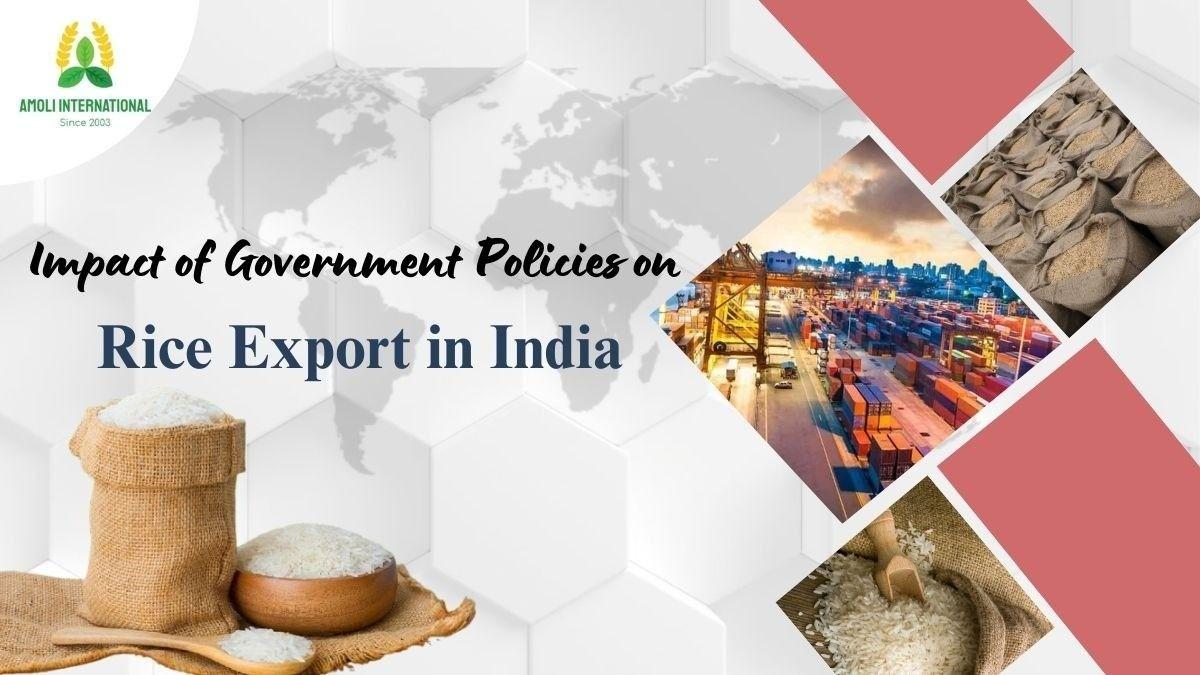 0 Comments 0 Shares 64 Views 0 Reviews
 -
What are the varied biscuit ranges highly demanded globally?
Biscuits continue to be one of the most loved snack categories across the world, and importers increasingly look for suppliers who can offer multiple biscuit varieties under one roof. A diverse biscuit range helps retailers and distributors target every consumer segment from tea-time traditional biscuits to chocolate-filled treats and kid-friendly snacks.
Indian manufacturers have emerged as reliable partners in this space, offering export grade biscuits such as Bourbon, Marie, Digestive, Cream Biscuits, Glucose, and Wafer Biscuits. Each category is crafted to deliver different benefits- chocolate indulgence, light tea-time crispness, fiber-rich health appeal, or layered crunchy fun. This product variety ensures higher shelf movement and repeat purchases in supermarkets and convenience stores.
Exporters also provide custom packaging, private label branding, and long shelf-life stability, which is essential for international shipping. Importers prefer Indian biscuits due to consistent quality, competitive pricing, and strong consumer acceptance in markets across Africa, GCC, Southeast Asia, and Europe.
For businesses aiming to expand their snack portfolio, sourcing from a supplier who delivers a full biscuit collection creates better profitability and stronger market presence. One partnership, multiple winning products.
https://www.amoliinternational.com/biscuits-in-india.html
#biscuitexport #indianbiscuits #exportgradebiscuits #globalbiscuits #snackexport #foodexportindia #bourbonbiscuits #mariebiscuits #creambiscuits #digestivebiscuits #waferbiscuits #glucosebiscuits
What are the varied biscuit ranges highly demanded globally? Biscuits continue to be one of the most loved snack categories across the world, and importers increasingly look for suppliers who can offer multiple biscuit varieties under one roof. A diverse biscuit range helps retailers and distributors target every consumer segment from tea-time traditional biscuits to chocolate-filled treats and kid-friendly snacks. Indian manufacturers have emerged as reliable partners in this space, offering export grade biscuits such as Bourbon, Marie, Digestive, Cream Biscuits, Glucose, and Wafer Biscuits. Each category is crafted to deliver different benefits- chocolate indulgence, light tea-time crispness, fiber-rich health appeal, or layered crunchy fun. This product variety ensures higher shelf movement and repeat purchases in supermarkets and convenience stores. Exporters also provide custom packaging, private label branding, and long shelf-life stability, which is essential for international shipping. Importers prefer Indian biscuits due to consistent quality, competitive pricing, and strong consumer acceptance in markets across Africa, GCC, Southeast Asia, and Europe. For businesses aiming to expand their snack portfolio, sourcing from a supplier who delivers a full biscuit collection creates better profitability and stronger market presence. One partnership, multiple winning products. https://www.amoliinternational.com/biscuits-in-india.html #biscuitexport #indianbiscuits #exportgradebiscuits #globalbiscuits #snackexport #foodexportindia #bourbonbiscuits #mariebiscuits #creambiscuits #digestivebiscuits #waferbiscuits #glucosebiscuits 0 Comments 0 Shares 356 Views 0 Reviews
 -
Why Choosing the Right Rice Exporter in India matters for Global Buyers?
Selecting the right rice exporter in India is a critical decision for international buyers looking for consistent supply and dependable quality. India is the world’s largest rice-exporting country, offering a wide range of products including premium Basmati rice and high-volume non-Basmati varieties suited for diverse markets.
A reliable rice exporter in India provides more than just raw material. Buyers benefit from standardized quality control, customized packaging, export documentation, and long-term supply assurance. Indian exporters also support private labeling and market-specific specifications, allowing distributors and retailers to tailor products for local consumer preferences.
The availability of multiple rice varieties from a single sourcing destination helps importers streamline procurement and reduce operational complexity. Combined with competitive pricing and year-round production, India remains a preferred choice for B2B buyers across Africa, the Middle East, Asia, and Europe.
As global demand for rice continues to grow, working with an experienced rice exporter in India ensures stability, scalability, and value, making it a strategic partnership rather than a transactional purchase.
https://www.amoliinternational.com/basmati-rice.html
#riceexporterindia #indianriceexport #basmatiriceexport #nonbasmatirice #globalricetrade #b2bexport #riceexportbusiness #ricetraders #agroexport #indianagriculture #foodexport
Why Choosing the Right Rice Exporter in India matters for Global Buyers? Selecting the right rice exporter in India is a critical decision for international buyers looking for consistent supply and dependable quality. India is the world’s largest rice-exporting country, offering a wide range of products including premium Basmati rice and high-volume non-Basmati varieties suited for diverse markets. A reliable rice exporter in India provides more than just raw material. Buyers benefit from standardized quality control, customized packaging, export documentation, and long-term supply assurance. Indian exporters also support private labeling and market-specific specifications, allowing distributors and retailers to tailor products for local consumer preferences. The availability of multiple rice varieties from a single sourcing destination helps importers streamline procurement and reduce operational complexity. Combined with competitive pricing and year-round production, India remains a preferred choice for B2B buyers across Africa, the Middle East, Asia, and Europe. As global demand for rice continues to grow, working with an experienced rice exporter in India ensures stability, scalability, and value, making it a strategic partnership rather than a transactional purchase. https://www.amoliinternational.com/basmati-rice.html #riceexporterindia #indianriceexport #basmatiriceexport #nonbasmatirice #globalricetrade #b2bexport #riceexportbusiness #ricetraders #agroexport #indianagriculture #foodexport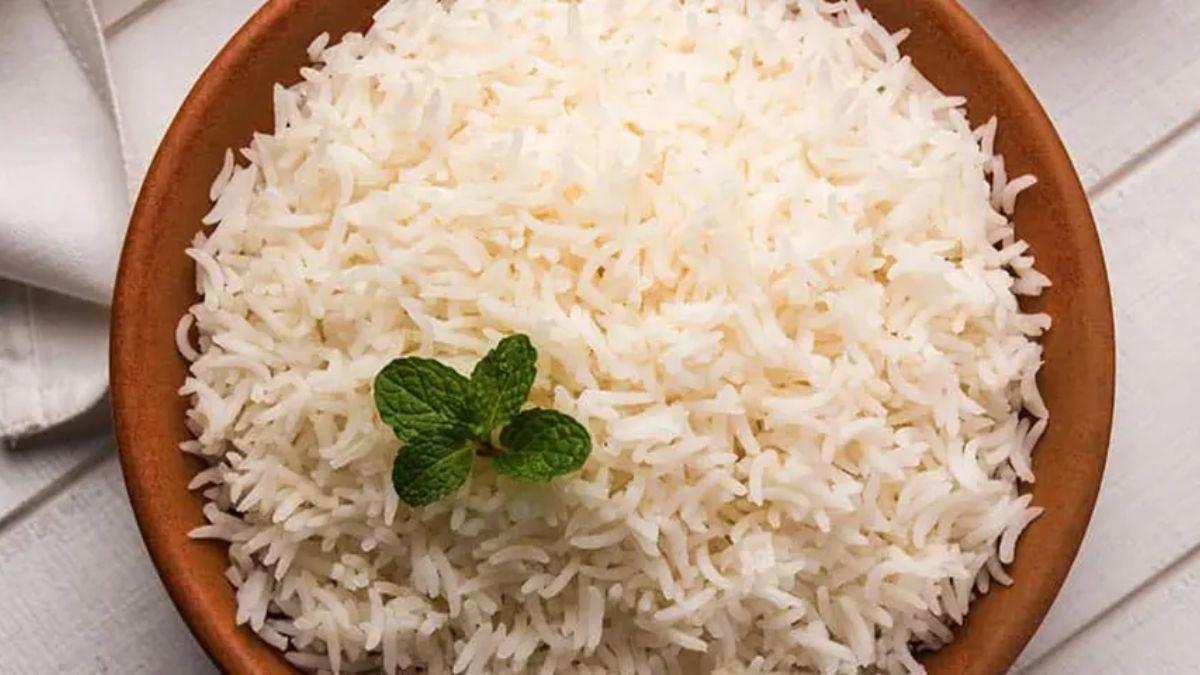 0 Comments 0 Shares 378 Views 0 Reviews
 -
What makes Amoli International as a Premium Basmati Rice Exporter in India?
At Amoli International, we have proudly established ourselves as one of India’s trusted names in premium Basmati rice exports. Our wide portfolio of long-grain Basmati varieties caters to both domestic and international markets, offering unmatched taste, rich aroma, and superior cooking performance. As rice continues to be a staple enjoyed globally, from traditional Indian celebrations to world cuisines, our mission is to deliver the finest grains that enhance every meal.
We work closely with select farmers who follow traditional harvesting practices to maintain purity and grain integrity. Each batch undergoes strict cleaning, aging, and quality testing to ensure the grains are long, aromatic, and fluff up beautifully after cooking.
Our premium Basmati rice includes 1121 Basmati, 1509 Basmati, Golden Sella, Creamy Sella, Steam, and Traditional varieties, suitable for restaurants, retailers, hotels, and global distributors. Known for its non-sticky texture, excellent elongation, and natural fragrance, these grains elevate biryani, pulao, and gourmet dishes effortlessly.
As a leading Basmati rice exporter in India, we follow all international food safety standards and provide secure, export-grade packaging with long shelf life. Our competitive pricing and reliable supply chain make us a preferred partner for importers across multiple countries.
https://www.amoliinternational.com/basmati-rice.html
#basmatiriceexporterindia #premiumbasmatirice #amoliinternational #basmatiriceexport #indianbasmatirice #1121basmatirice #1509basmatiriceWhat makes Amoli International as a Premium Basmati Rice Exporter in India? At Amoli International, we have proudly established ourselves as one of India’s trusted names in premium Basmati rice exports. Our wide portfolio of long-grain Basmati varieties caters to both domestic and international markets, offering unmatched taste, rich aroma, and superior cooking performance. As rice continues to be a staple enjoyed globally, from traditional Indian celebrations to world cuisines, our mission is to deliver the finest grains that enhance every meal. We work closely with select farmers who follow traditional harvesting practices to maintain purity and grain integrity. Each batch undergoes strict cleaning, aging, and quality testing to ensure the grains are long, aromatic, and fluff up beautifully after cooking. Our premium Basmati rice includes 1121 Basmati, 1509 Basmati, Golden Sella, Creamy Sella, Steam, and Traditional varieties, suitable for restaurants, retailers, hotels, and global distributors. Known for its non-sticky texture, excellent elongation, and natural fragrance, these grains elevate biryani, pulao, and gourmet dishes effortlessly. As a leading Basmati rice exporter in India, we follow all international food safety standards and provide secure, export-grade packaging with long shelf life. Our competitive pricing and reliable supply chain make us a preferred partner for importers across multiple countries. https://www.amoliinternational.com/basmati-rice.html #basmatiriceexporterindia #premiumbasmatirice #amoliinternational #basmatiriceexport #indianbasmatirice #1121basmatirice #1509basmatirice 0 Comments 0 Shares 119 Views 0 Reviews

More Stories