• What are the most important types of Non-Basmati Rice?

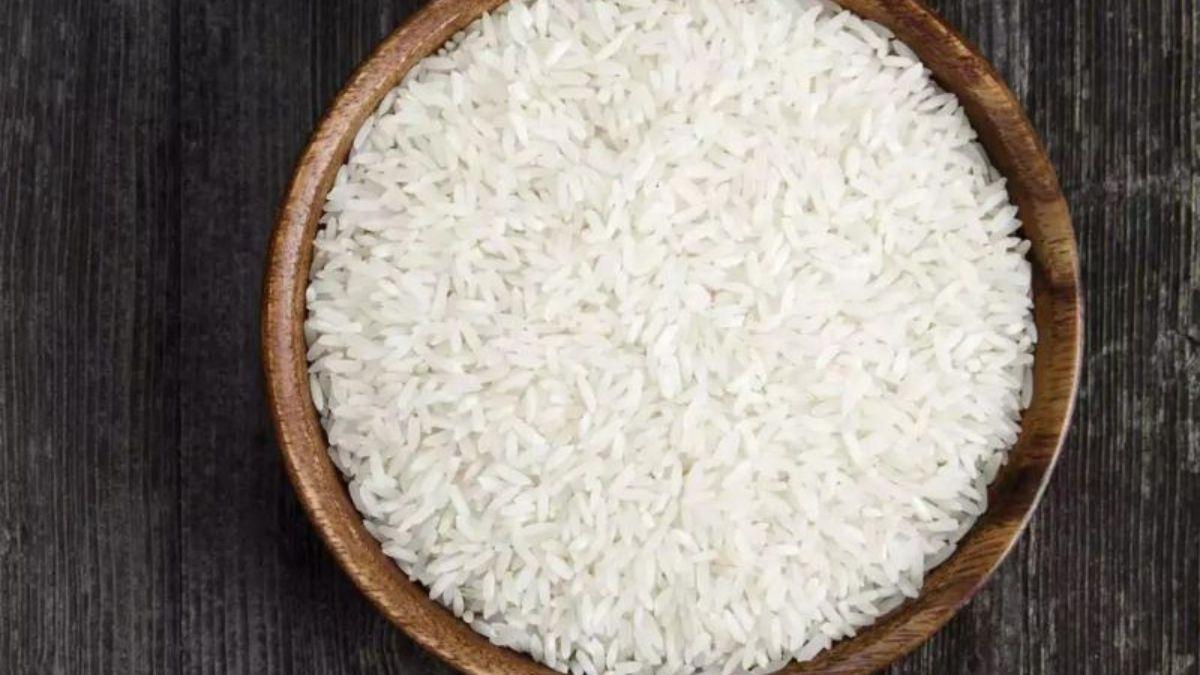
    Non-Basmati rice varieties play a crucial role in both domestic and international markets due to their affordability, nutritional value, and wide culinary use.

    These varieties of rice have no extra-long grain and strong aroma of Basmati, but these grains offer an impressive range of textures, grain sizes, and taste profiles, making them suitable for everyday meals, food service, and industrial food applications.
    Some of the most important Indian Non-Basmati rice varieties include:

    • Sugandha Rice – Known for its subtle aroma and long grains, a popular choice for biryani and pulao.

    • Sharbati Rice – Budget-friendly long-grain rice widely used in households and restaurants.

    • PR 11 & PR 14 Rice – Highly demanded in bulk markets due to good cooking quality and excellent grain yield.

    • Parmal Rice – Medium-grain rice suitable for steamed rice, thalis, tiffin meals, and ready-to-cook products.

    • Sona Masoori Rice – Lightweight, soft-textured rice preferred in South Indian and Asian cuisines.

    Some of the long grain non basmati rice varieties are available in 25% broken form. These are in demand across major countries as Africa, Southeast Asia, and the Middle East, where affordability, softness, and versatility are key buying factors. With strong supply capabilities and competitive pricing, Indian Non Basmati Rice Traders have a strong network of supporting distributors, wholesalers, and food manufacturers worldwide.

    https://www.amoliinternational.com/indian-non-basmati-rice-traders.html

    #nonbasmatirice #indianrice #riceexport #ricevarieties #sonamasoori #sharbati #sugandharice #pr11rice
    What are the most important types of Non-Basmati Rice? Non-Basmati rice varieties play a crucial role in both domestic and international markets due to their affordability, nutritional value, and wide culinary use. These varieties of rice have no extra-long grain and strong aroma of Basmati, but these grains offer an impressive range of textures, grain sizes, and taste profiles, making them suitable for everyday meals, food service, and industrial food applications. Some of the most important Indian Non-Basmati rice varieties include: • Sugandha Rice – Known for its subtle aroma and long grains, a popular choice for biryani and pulao. • Sharbati Rice – Budget-friendly long-grain rice widely used in households and restaurants. • PR 11 & PR 14 Rice – Highly demanded in bulk markets due to good cooking quality and excellent grain yield. • Parmal Rice – Medium-grain rice suitable for steamed rice, thalis, tiffin meals, and ready-to-cook products. • Sona Masoori Rice – Lightweight, soft-textured rice preferred in South Indian and Asian cuisines. Some of the long grain non basmati rice varieties are available in 25% broken form. These are in demand across major countries as Africa, Southeast Asia, and the Middle East, where affordability, softness, and versatility are key buying factors. With strong supply capabilities and competitive pricing, Indian Non Basmati Rice Traders have a strong network of supporting distributors, wholesalers, and food manufacturers worldwide. https://www.amoliinternational.com/indian-non-basmati-rice-traders.html #nonbasmatirice #indianrice #riceexport #ricevarieties #sonamasoori #sharbati #sugandharice #pr11rice
    0 Commenti 0 condivisioni 485 Views 0 Anteprima
  • What varieties are used for global trade by broken Rice Suppliers & Exporters in India?

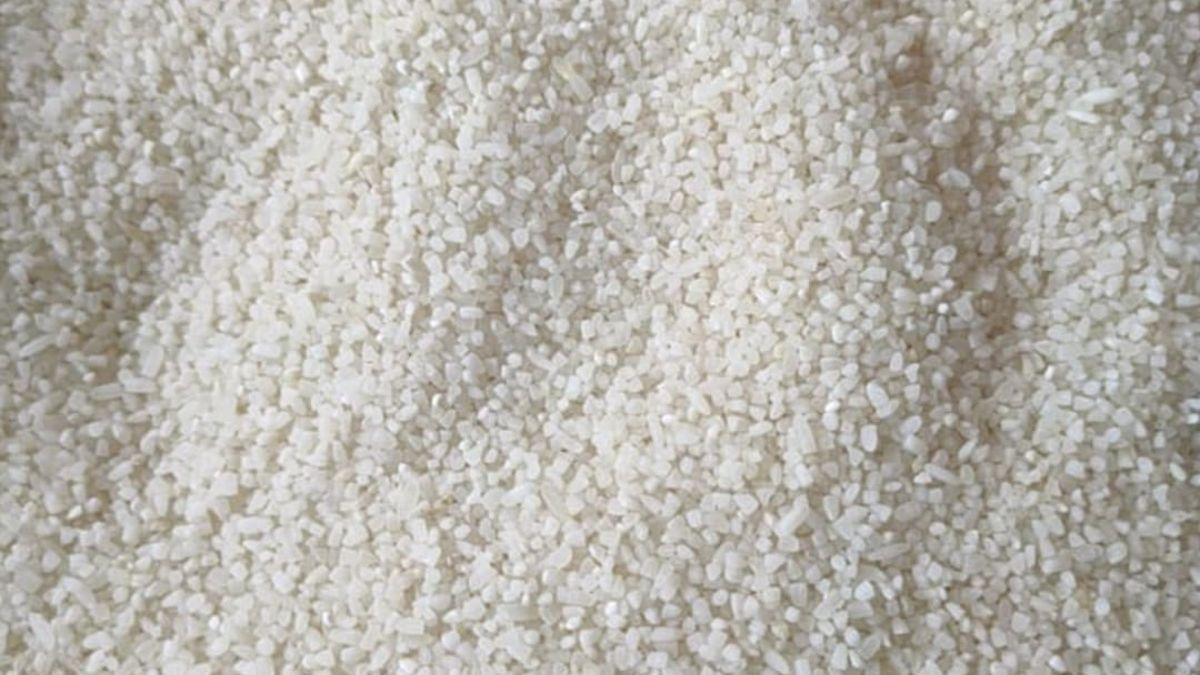
    India is one of the world’s major producers of broken rice in 25%, 50% and 100% variety. Broken rice is produced during milling when grains fracture, but it retains the same nutritional value as full-grain rice, making it a cost-effective choice for importers.

    Broken Rice Suppliers & Exporters in India are well known for supplying broken rice in multiple varieties to meet global demand, including:

    100% Broken Raw Rice
    Most popular in African and Asian markets for direct consumption, rice flour, and starch processing.

    100% Broken Parboiled Rice
    Widely used for puffed snacks, porridges, breweries, and animal feed due to improved digestibility and higher nutrient retention.

    Broken IR64 Rice
    Long-grain broken rice suitable for bulk food service and processing industries.
    Broken Basmati Rice (White, Golden & Steam)
    Premium category used in traditional cuisine, ready-to-eat meals, and instant food products.

    Broken Sona Masoori / Non-Basmati Rice
    Preferred in regions that value soft texture and quick cooking.
    For global buyers, Indian broken rice exporters offer custom moisture levels, polishing grades, and packaging options including 25kg, 50kg, and private label packs. Exporters also provide necessary documentation like COA, fumigation, and phytosanitary certificates to ensure smooth trade. With diverse varieties, strong supply chains, and competitive pricing, India is always a trusted supplier for broken rice worldwide and known for delivering high-quality and competitively priced rice for food and industrial applications.

    https://www.amoliinternational.com/indian-non-basmati-rice-traders.html

    #brokenrice #brokenriceexporters #brokenricesuppliers #indianriceexporters #nonbasmatirice #ir64rice #riceexportindia #ricetradersindia #basmatibrokenrice

    What varieties are used for global trade by broken Rice Suppliers & Exporters in India? India is one of the world’s major producers of broken rice in 25%, 50% and 100% variety. Broken rice is produced during milling when grains fracture, but it retains the same nutritional value as full-grain rice, making it a cost-effective choice for importers. Broken Rice Suppliers & Exporters in India are well known for supplying broken rice in multiple varieties to meet global demand, including: 100% Broken Raw Rice Most popular in African and Asian markets for direct consumption, rice flour, and starch processing. 100% Broken Parboiled Rice Widely used for puffed snacks, porridges, breweries, and animal feed due to improved digestibility and higher nutrient retention. Broken IR64 Rice Long-grain broken rice suitable for bulk food service and processing industries. Broken Basmati Rice (White, Golden & Steam) Premium category used in traditional cuisine, ready-to-eat meals, and instant food products. Broken Sona Masoori / Non-Basmati Rice Preferred in regions that value soft texture and quick cooking. For global buyers, Indian broken rice exporters offer custom moisture levels, polishing grades, and packaging options including 25kg, 50kg, and private label packs. Exporters also provide necessary documentation like COA, fumigation, and phytosanitary certificates to ensure smooth trade. With diverse varieties, strong supply chains, and competitive pricing, India is always a trusted supplier for broken rice worldwide and known for delivering high-quality and competitively priced rice for food and industrial applications. https://www.amoliinternational.com/indian-non-basmati-rice-traders.html #brokenrice #brokenriceexporters #brokenricesuppliers #indianriceexporters #nonbasmatirice #ir64rice #riceexportindia #ricetradersindia #basmatibrokenrice
    0 Commenti 0 condivisioni 530 Views 0 Anteprima
  • Can 100% Broken Rice be used for making rice flour, snacks, and starch products?

    Yes, 100% Broken Rice is widely used for making rice flour, snack products, and starch-based items, and that is one of the biggest reasons it is in high demand across global food-processing industries. Although the grains are broken during milling, the nutritional value remains the same as full-grain rice, making it a cost-effective raw material.

    Broken rice is commonly milled into fine rice flour, which is used in noodles, rice cakes, baby food, breading mixes, desserts, and gluten-free baking. Its smooth texture and neutral flavor make it easy to blend with other ingredients.
    In the snack industry, 100% Broken Rice is ideal for producing puffed snacks, extruded snacks, rice crisps, idli/dosa mixes, and instant mixes. Manufacturers prefer it because it provides good binding, consistent cooking behavior, and uniform expansion during processing.

    It is also used for extracting rice starch, which is widely used in pharmaceuticals, dairy, confectionery, and cosmetics due to its clean taste and hypoallergenic properties. Many breweries use broken rice as a fermentable base for beer and alcohol production because it blends well and reduces cost. It is a highly versatile ingredient and gives excellent functional performance across multiple food, beverage, and industrial applications.

    https://www.amoliinternational.com/indian-non-basmati-rice-traders.html

    #brokenrice #riceflour #snackproduction #ricestarch #foodindustryindia #nonbasmati #indianriceexport #glutenfreebaking #riceproducts #foodprocessing #riceforindustry #costeffectiverice #riceingredients
    Can 100% Broken Rice be used for making rice flour, snacks, and starch products? Yes, 100% Broken Rice is widely used for making rice flour, snack products, and starch-based items, and that is one of the biggest reasons it is in high demand across global food-processing industries. Although the grains are broken during milling, the nutritional value remains the same as full-grain rice, making it a cost-effective raw material. Broken rice is commonly milled into fine rice flour, which is used in noodles, rice cakes, baby food, breading mixes, desserts, and gluten-free baking. Its smooth texture and neutral flavor make it easy to blend with other ingredients. In the snack industry, 100% Broken Rice is ideal for producing puffed snacks, extruded snacks, rice crisps, idli/dosa mixes, and instant mixes. Manufacturers prefer it because it provides good binding, consistent cooking behavior, and uniform expansion during processing. It is also used for extracting rice starch, which is widely used in pharmaceuticals, dairy, confectionery, and cosmetics due to its clean taste and hypoallergenic properties. Many breweries use broken rice as a fermentable base for beer and alcohol production because it blends well and reduces cost. It is a highly versatile ingredient and gives excellent functional performance across multiple food, beverage, and industrial applications. https://www.amoliinternational.com/indian-non-basmati-rice-traders.html #brokenrice #riceflour #snackproduction #ricestarch #foodindustryindia #nonbasmati #indianriceexport #glutenfreebaking #riceproducts #foodprocessing #riceforindustry #costeffectiverice #riceingredients
    0 Commenti 0 condivisioni 672 Views 0 Anteprima
  • Can 100% Broken Rice be used for making rice flour, snacks, and starch products?

    Yes, 100% Broken Rice is widely used for making rice flour, snack products, and starch-based items, and that is one of the biggest reasons it is in high demand across global food-processing industries. Although the grains are broken during milling, the nutritional value remains the same as full-grain rice, making it a cost-effective raw material.

    Broken rice is commonly milled into fine rice flour, which is used in noodles, rice cakes, baby food, breading mixes, desserts, and gluten-free baking. Its smooth texture and neutral flavor make it easy to blend with other ingredients.
    In the snack industry, 100% Broken Rice is ideal for producing puffed snacks, extruded snacks, rice crisps, idli/dosa mixes, and instant mixes. Manufacturers prefer it because it provides good binding, consistent cooking behavior, and uniform expansion during processing.

    It is also used for extracting rice starch, which is widely used in pharmaceuticals, dairy, confectionery, and cosmetics due to its clean taste and hypoallergenic properties. Many breweries use broken rice as a fermentable base for beer and alcohol production because it blends well and reduces cost. It is a highly versatile ingredient and gives excellent functional performance across multiple food, beverage, and industrial applications.

    https://www.amoliinternational.com/indian-non-basmati-rice-traders.html

    #brokenrice #riceflour #snackproduction #ricestarch #foodindustryindia #nonbasmati #indianriceexport #glutenfreebaking #riceproducts #foodprocessing #riceforindustry #costeffectiverice #riceingredients
    Can 100% Broken Rice be used for making rice flour, snacks, and starch products? Yes, 100% Broken Rice is widely used for making rice flour, snack products, and starch-based items, and that is one of the biggest reasons it is in high demand across global food-processing industries. Although the grains are broken during milling, the nutritional value remains the same as full-grain rice, making it a cost-effective raw material. Broken rice is commonly milled into fine rice flour, which is used in noodles, rice cakes, baby food, breading mixes, desserts, and gluten-free baking. Its smooth texture and neutral flavor make it easy to blend with other ingredients. In the snack industry, 100% Broken Rice is ideal for producing puffed snacks, extruded snacks, rice crisps, idli/dosa mixes, and instant mixes. Manufacturers prefer it because it provides good binding, consistent cooking behavior, and uniform expansion during processing. It is also used for extracting rice starch, which is widely used in pharmaceuticals, dairy, confectionery, and cosmetics due to its clean taste and hypoallergenic properties. Many breweries use broken rice as a fermentable base for beer and alcohol production because it blends well and reduces cost. It is a highly versatile ingredient and gives excellent functional performance across multiple food, beverage, and industrial applications. https://www.amoliinternational.com/indian-non-basmati-rice-traders.html #brokenrice #riceflour #snackproduction #ricestarch #foodindustryindia #nonbasmati #indianriceexport #glutenfreebaking #riceproducts #foodprocessing #riceforindustry #costeffectiverice #riceingredients
    0 Commenti 0 condivisioni 657 Views 0 Anteprima
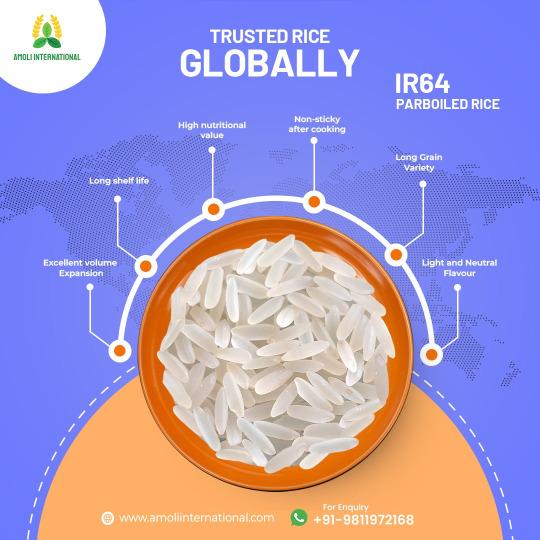
  • Is IR64 Parboiled Rice a good choice for bulk importers?

    IR64 Parboiled Rice is one of the most reliable and cost-effective long-grain rice varieties for large-scale buyers. It has excellent volume expansion, long grains, non-sticky texture, and a neutral flavour, making it extremely versatile for everyday meals and industrial applications.

    Because it is parboiled, IR64 retains more nutrients compared to raw rice, and it cooks quickly while maintaining a firm structure. This makes it suitable for household consumption, restaurants, mess halls, and food manufacturers. Importers appreciate its stable pricing, abundant supply, and multiple grade options, including 5%, 10%, and 25% broken.

    Indian suppliers offer IR64 Parboiled rice in export-compliant bags, with fumigation and phytosanitary clearance. The rice remains shelf-stable for long durations, even in humid climates.

    For traders and distributors, IR64 is a dependable product that ensures high turnover and steady demand, especially in African and Southeast Asian markets where affordability and consistency matter most.

    https://www.amoliinternational.com/indian-non-basmati-rice-traders.html

    #ir64rice #ir64parboiled #nonbasmatirice #riceexport #bulkimporters #agrocommodity #indianriceexport #riceforsale #globalricetrade
    Is IR64 Parboiled Rice a good choice for bulk importers? IR64 Parboiled Rice is one of the most reliable and cost-effective long-grain rice varieties for large-scale buyers. It has excellent volume expansion, long grains, non-sticky texture, and a neutral flavour, making it extremely versatile for everyday meals and industrial applications. Because it is parboiled, IR64 retains more nutrients compared to raw rice, and it cooks quickly while maintaining a firm structure. This makes it suitable for household consumption, restaurants, mess halls, and food manufacturers. Importers appreciate its stable pricing, abundant supply, and multiple grade options, including 5%, 10%, and 25% broken. Indian suppliers offer IR64 Parboiled rice in export-compliant bags, with fumigation and phytosanitary clearance. The rice remains shelf-stable for long durations, even in humid climates. For traders and distributors, IR64 is a dependable product that ensures high turnover and steady demand, especially in African and Southeast Asian markets where affordability and consistency matter most. https://www.amoliinternational.com/indian-non-basmati-rice-traders.html #ir64rice #ir64parboiled #nonbasmatirice #riceexport #bulkimporters #agrocommodity #indianriceexport #riceforsale #globalricetrade
    0 Commenti 0 condivisioni 374 Views 0 Anteprima