


The Australia & New Zealand herbal supplements market is poised for significant expansion, with the market size projected to rise from an estimated US$1.4 billion in 2025 to US$2.2 billion by 2032, reflecting a robust CAGR of 7.4% during the forecast p
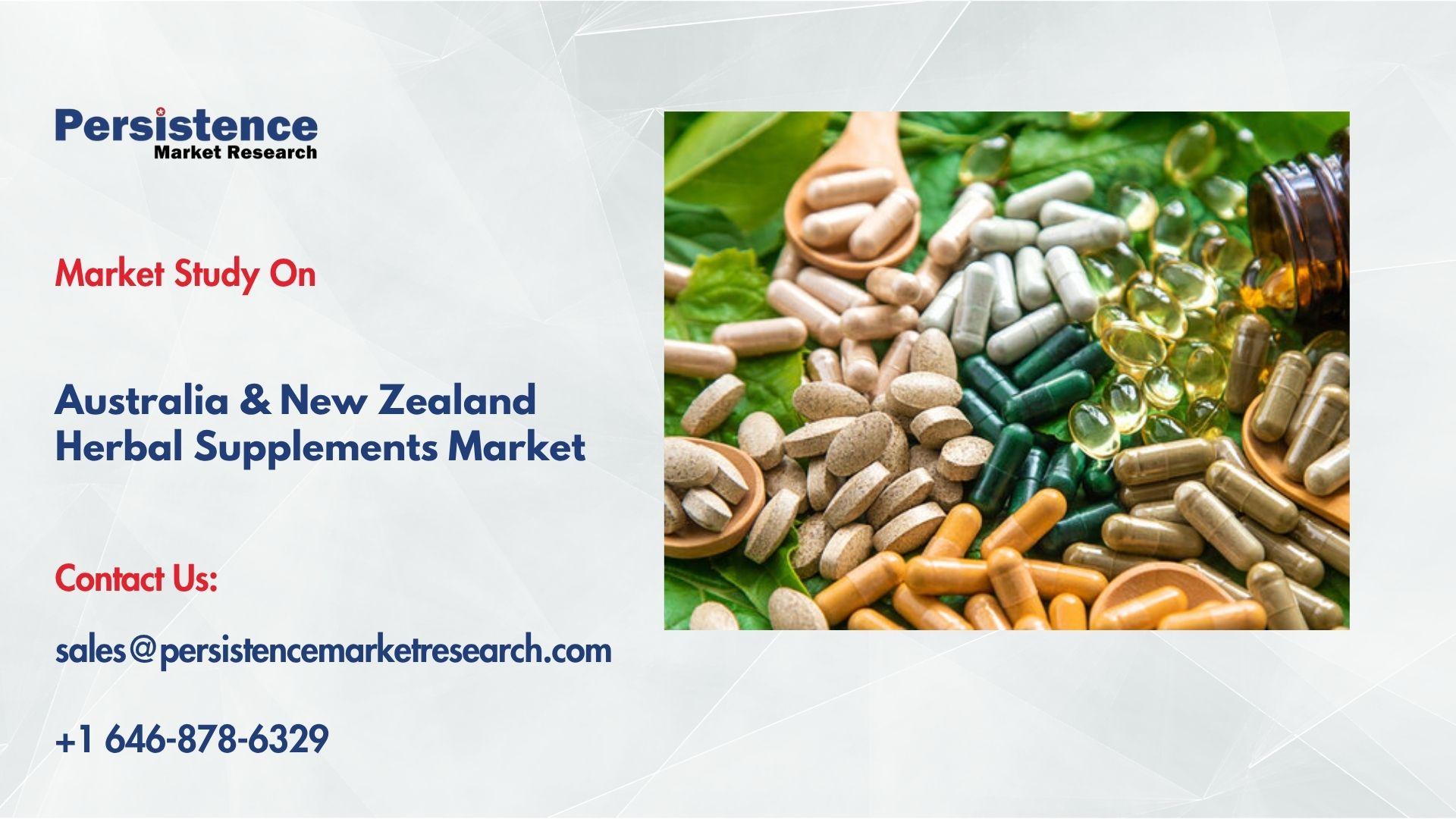
The Australia & New Zealand herbal supplements market is poised for significant expansion, with the market size projected to rise from an estimated US$1.4 billion in 2025 to US$2.2 billion by 2032, reflecting a robust CAGR of 7.4% during the forecast period from 2025 to 2032. This sustained growth trajectory is underpinned by rising consumer inclination toward natural, plant-based health products, increasing awareness of preventive healthcare, and growing concerns over the side effects associated with synthetic pharmaceuticals. The market’s momentum is further fueled by higher disposable incomes, increased spending on wellness and immunity-boosting products, and a visible shift toward organic and clean-label offerings. In addition, the expanding aging population in both Australia and New Zealand is driving demand for botanical supplements aimed at joint health, cognitive function, cardiovascular wellness, and overall vitality.
The rise of e-commerce channels is playing a pivotal role in enhancing product accessibility, expanding distribution reach, and fostering transparent consumer engagement. Established brands and emerging players alike are leveraging digital platforms to introduce diversified product portfolios, utilize subscription models, and engage audiences through targeted wellness campaigns. Meanwhile, the regulatory environment in both countries is evolving to strengthen product quality, safety, and transparency, further boosting consumer confidence and market maturity.
Get Your FREE Sample Report Instantly – Click Now: https://www.persistencemarketresearch.com/samples/14734
Segmentation Analysis
By Type
The Australia & New Zealand herbal supplements market is segmented into categories such as botanicals, vitamins & minerals derived from herbal sources, specialty supplements, and traditional medicinal herbs. Among these, botanical supplements represent the dominant segment, largely driven by consumer preferences for turmeric, ashwagandha, echinacea, elderberry, ginseng, and other plant-based extracts known for clinically recognized benefits. Traditional medicinal herbs continue to gain popularity due to a rising cultural shift toward natural wellness and alternative healing principles, particularly among the health-conscious younger generation.
Botanicals are expected to maintain their leadership position throughout the forecast period, with the fastest CAGR attributed to specialty herbal blends formulated for stress relief, immunity strengthening, digestive health, and sleep regulation. The growing prevalence of lifestyle disorders and increased adoption of herbal formulations in daily routines are accelerating the demand for multifunctional and fusion-blend supplements. Consumers are increasingly drawn toward products offering adaptogenic benefits, metabolic enhancement, and anti-inflammatory properties—factors that position specialty herbal supplements as a rapidly growing subsegment.
By Product or Service Type
The market’s product landscape encompasses capsules, tablets, powders, tinctures, gummies, and functional beverages enriched with herbal extracts. Capsules and tablets continue to dominate in terms of overall sales due to their convenience, stability, and longer shelf life. However, herbal gummies and functional beverages are emerging as the fastest-growing product categories, especially among millennials and young adults seeking more palatable and innovative delivery formats.
Functional herbal beverages infused with green tea extracts, botanical antioxidants, and adaptogens are witnessing rapid uptake as consumers increasingly replace sugary drinks with health-focused alternatives. Herbal powders, often designed for smoothies, shakes, and fitness blends, are also gaining substantial traction due to their ease of incorporation into everyday diets. This diversification across product types reflects a market that is evolving not only in size but also in its alignment with shifting lifestyle preferences and consumption behaviors.
By Propulsion/Technology/Channel
While traditional segmentation does not typically include propulsion or technology, a relevant dimension within the herbal supplements market is the distribution channel. Both online and offline channels play crucial roles, with pharmacies, specialty stores, supermarkets, and online marketplaces shaping consumer access. Digital channels represent the fastest-growing segment due to the convenience of home delivery, expanded product variety, and increasing reliance on customer reviews and expert recommendations.
Advanced technologies such as AI-driven recommendation systems, personalized nutrition platforms, and tele-wellness consultancies are significantly influencing the online purchasing experience. These innovations enable brands to offer tailored supplement solutions, predictive demand analytics, and subscription-based wellness plans that enhance customer retention and long-term market value.
Need Tailored Insights? Request Customization Now: https://www.persistencemarketresearch.com/request-customization/14734
Regional Insights
Australia remains the leading market within the region, accounting for the largest revenue share due to its well-established healthcare ecosystem, strong consumer purchasing power, and widespread preference for natural health products. Major urban centers such as Sydney, Melbourne, and Brisbane are home to a vibrant wellness culture characterized by strong demand for premium herbal formulations and organic supplements. Meanwhile, New Zealand stands out as the fastest-growing market, driven by increasing investments in natural product research, supportive government regulations for nutraceutical manufacturing, and the rising popularity of indigenous plant-based ingredients such as manuka, kawakawa, and horopito.
New Zealand’s rapid market acceleration is further supported by its growing export potential and the global appeal of its native botanicals. Both countries benefit from a shared emphasis on sustainability, eco-friendly packaging, and ethical sourcing practices, which are becoming major differentiators in the competitive landscape. With a mature distribution network, rising health literacy, and increasing regulatory alignment, the region is well-positioned to sustain strong growth across all major market segments.
Unique Features and Innovations in the Market
The herbal supplements industry in Australia and New Zealand is undergoing substantial transformation through product innovation, advanced extraction technologies, and a stronger focus on scientific validation. Modern solutions are increasingly differentiated by enhanced bioavailability, synergistic herbal blends, clinically backed formulations, and the integration of adaptogens and nootropics to address modern lifestyle challenges. Innovations such as sustained-release herbal capsules, cold-press extraction methods, and organic farming practices contribute to higher product purity and efficacy.
Technologies including artificial intelligence, IoT, and data analytics are reshaping product development and consumer engagement. AI-powered personalization engines help brands analyze individual health patterns and recommend targeted herbal solutions. IoT-enabled smart packaging and authenticity verification tools are improving supply chain transparency and combating counterfeit products. Meanwhile, advancements in traceability technologies and 5G-enabled logistics networks are streamlining product distribution, enhancing shelf-life monitoring, and improving customer service responsiveness across both markets.
Market Highlights
Businesses across the nutraceutical, pharmaceutical, and wellness industries are rapidly adopting herbal supplements due to growing consumer trust in natural health solutions, preventive healthcare trends, and increasing demand for clean-label ingredients. Regulatory initiatives promoting quality assurance, safety testing, and transparency are playing a pivotal role in shaping market reliability and encouraging the adoption of standardized herbal formulations.
Rising healthcare costs and an expanding preference for self-care solutions are prompting consumers to shift toward herbal supplements as cost-effective alternatives for daily wellness maintenance. In addition, sustainability initiatives—including biodegradable packaging, ethical sourcing, and carbon-neutral production practices—are influencing consumer purchasing decisions and driving market differentiation.
Secure Your Full Report – Proceed to Checkout: https://www.persistencemarketresearch.com/checkout/14734
Key Players and Competitive Landscape
The competitive landscape of the Australia & New Zealand herbal supplements market is characterized by a mix of global nutraceutical leaders, regional health brands, and innovative startups. Key players include Blackmores, Swisse Wellness, Nature’s Way, NutraLife, Fusion Health, and Thompson’s. These companies maintain strong market positions through product diversification, research-based formulations, and strategic retail partnerships.
Blackmores continues to strengthen its leadership through sustained investments in scientific research, product purity, and regional expansion strategies. Swisse Wellness focuses on lifestyle-oriented marketing, influencer partnerships, and premium herbal formulations targeted toward active consumers and wellness enthusiasts. Nature’s Way is expanding its presence through innovative gummy formats, plant-based blends, and family-focused supplement lines. NutraLife emphasizes holistic wellness, offering products enriched with traditional herbs and modern botanical ingredients, while Fusion Health is recognized for its specialization in Chinese herbal medicine integrated with Western botanical science. Thompson’s maintains a strong market presence through its long-standing reputation, clean-label approach, and use of high-quality plant extracts.
Future opportunities within the market are expected to arise from precision herbal nutrition, AI-enhanced health diagnostics, increased demand for immunity-boosting formulations, and the integration of indigenous botanicals into global product lines. Evolving regulatory frameworks and advancements in extraction technologies will continue to shape product development, ensuring higher quality standards and improved consumer trust. As sustainability and transparency gain prominence, companies that invest in ethical sourcing, carbon-neutral operations, and eco-friendly packaging are likely to gain a competitive edge within the market.
Explore the Latest Trending Research Reports:

 English
 Arabic
 French
 Spanish
 Portuguese
 Deutsch
 Turkish
 Dutch
Dutch
 Italiano
 Romaian
 Portuguese (Brazil)
 Greek
Greek