• Can Small Lifts Be Customized for Interiors?

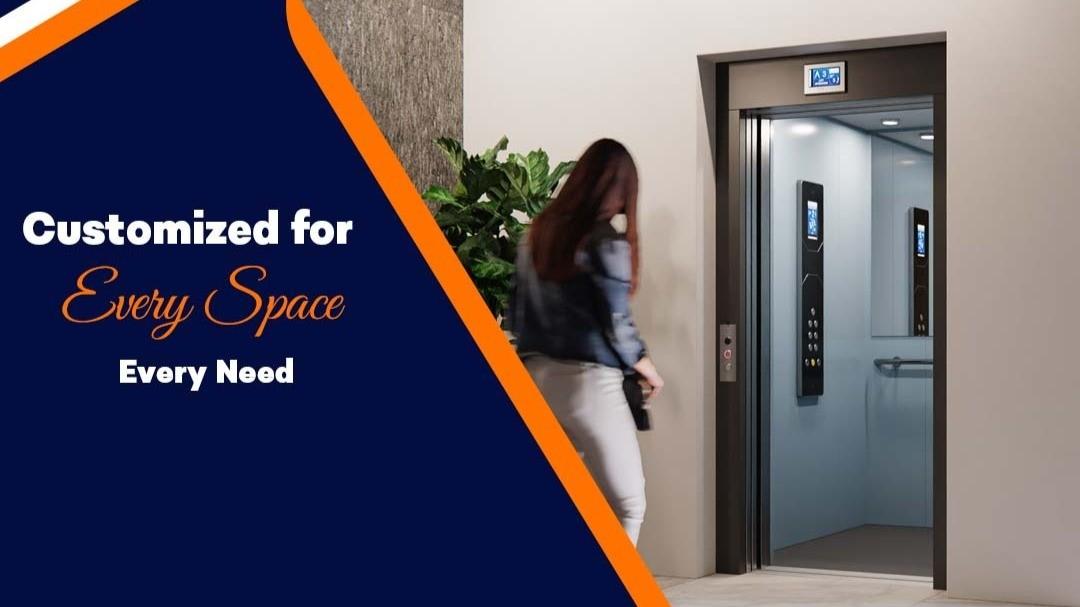
    Yes, home lifts can be extensively customized to match your interior design and personal style. Modern residential elevators are no longer just functional additions; they are designed to blend seamlessly into the aesthetics of compact homes such as duplexes, villas, builder floors, and apartments.

    Even when space is limited, manufacturers like Attico Elevators offer flexible design options for small lifts for home that ensure the lift complements the overall décor rather than standing out as a bulky structure. From cabin finishes to lighting and control panels, small lifts can be tailored to suit modern, classic, or luxury interiors.

    Customization also ensures that the lift does not feel cramped. Smart use of materials like glass, mirrors, and soft lighting can make even a compact cabin appear spacious and elegant. Homeowners can choose designs that align with existing flooring, wall colors, and furniture themes, creating a cohesive look across floors.

    In short, a small lift does not mean compromising on design. With the right customization, it becomes a stylish and functional part of your home that enhances comfort, accessibility, and visual appeal.

    Popular Customization Options for Small Home Lifts

    Cabin wall finishes such as glass, wood, stainless steel, or textured panels

    Flooring options to match home interiors like marble, granite, or vinyl

    LED or mood lighting for a premium ambience

    Modern or classic control panel designs

    Glass or automatic doors for a sleek look

    Compact cabin dimensions designed for limited spaces

    https://atticoelevators.com/our-products/home-elevators/

    #smalllifts #customizedlifts #interiorelevators #homeelevators #residentiallifts #moderninteriors #luxurylifts #spacesavinglifts #elevatordesign #customhomeelevators
    Can Small Lifts Be Customized for Interiors? Yes, home lifts can be extensively customized to match your interior design and personal style. Modern residential elevators are no longer just functional additions; they are designed to blend seamlessly into the aesthetics of compact homes such as duplexes, villas, builder floors, and apartments. Even when space is limited, manufacturers like Attico Elevators offer flexible design options for small lifts for home that ensure the lift complements the overall décor rather than standing out as a bulky structure. From cabin finishes to lighting and control panels, small lifts can be tailored to suit modern, classic, or luxury interiors. Customization also ensures that the lift does not feel cramped. Smart use of materials like glass, mirrors, and soft lighting can make even a compact cabin appear spacious and elegant. Homeowners can choose designs that align with existing flooring, wall colors, and furniture themes, creating a cohesive look across floors. In short, a small lift does not mean compromising on design. With the right customization, it becomes a stylish and functional part of your home that enhances comfort, accessibility, and visual appeal. Popular Customization Options for Small Home Lifts Cabin wall finishes such as glass, wood, stainless steel, or textured panels Flooring options to match home interiors like marble, granite, or vinyl LED or mood lighting for a premium ambience Modern or classic control panel designs Glass or automatic doors for a sleek look Compact cabin dimensions designed for limited spaces https://atticoelevators.com/our-products/home-elevators/ #smalllifts #customizedlifts #interiorelevators #homeelevators #residentiallifts #moderninteriors #luxurylifts #spacesavinglifts #elevatordesign #customhomeelevators
    0 Комментарии 0 Поделились 64 Просмотры 0 предпросмотр

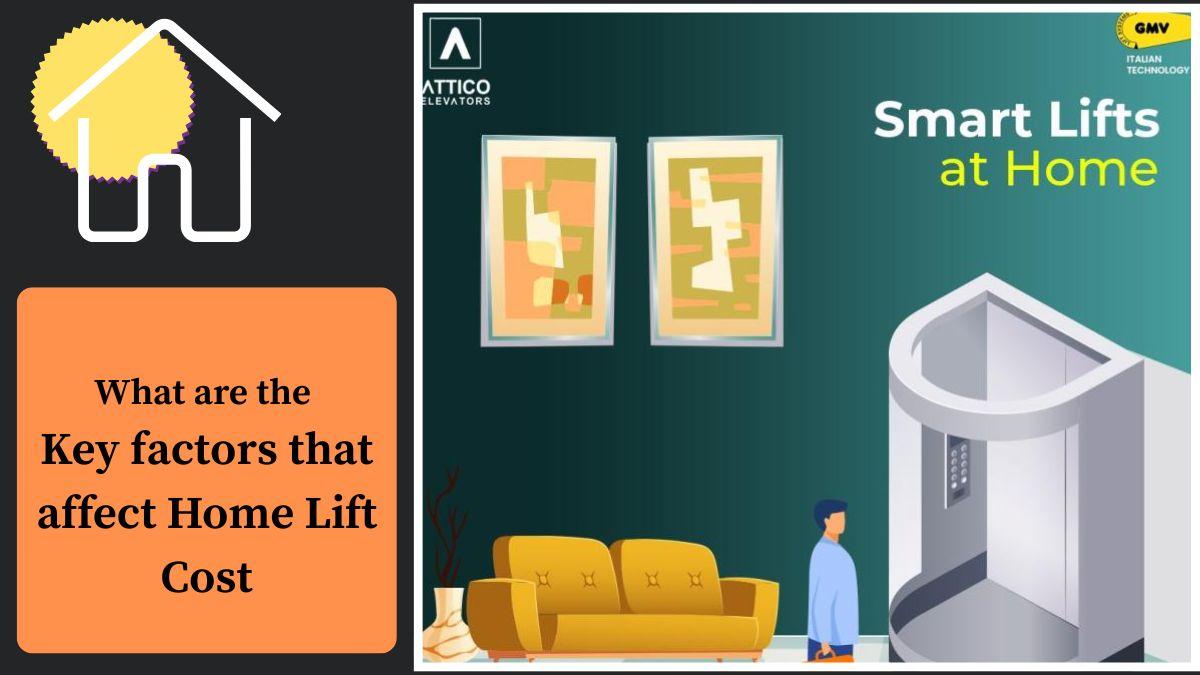
  • What are the Key factors that affect Home Lift Cost

    The number of floors is only one part of the pricing equation. Several other factors play an important role in deciding Home Lift Price.

    Type of Lift Technology
    Traction lifts, hydraulic lifts, and platform lifts have different price points. Traction home elevators are often more energy-efficient and suitable for multiple floors, while hydraulic lifts are popular for retrofit projects.

    Cabin Size and Load Capacity
    A compact lift for 2 people costs less than a larger cabin designed for wheelchair access or 3–4 passengers.

    Customization and Design
    Glass cabins, premium interiors, designer flooring, mood lighting, and automatic doors significantly increase the overall cost. A basic cabin keeps the budget lower.

    Space and Civil Work
    Homes requiring shaft construction, pit preparation, or structural modification may see additional costs. Machine-room-less lifts help reduce civil expenses.

    Safety and Features
    Features like Automatic Rescue Device (ARD), touch control panels, emergency communication systems, and soft start-stop mechanisms add value and cost, but are worth the investment.

    Know the cost of Home Lift for 2 to 4 floors and all factors that can increase and decrease the final price.

    https://www.apsense.com/article/871803-how-much-does-a-home-lift-cost-for-2-to.html

    #homeliftcost #homeelevators #residentiallift #liftprice #elevatorcost #modernhomelift #luxuryhomelift #verticalmobility
    What are the Key factors that affect Home Lift Cost The number of floors is only one part of the pricing equation. Several other factors play an important role in deciding Home Lift Price. Type of Lift Technology Traction lifts, hydraulic lifts, and platform lifts have different price points. Traction home elevators are often more energy-efficient and suitable for multiple floors, while hydraulic lifts are popular for retrofit projects. Cabin Size and Load Capacity A compact lift for 2 people costs less than a larger cabin designed for wheelchair access or 3–4 passengers. Customization and Design Glass cabins, premium interiors, designer flooring, mood lighting, and automatic doors significantly increase the overall cost. A basic cabin keeps the budget lower. Space and Civil Work Homes requiring shaft construction, pit preparation, or structural modification may see additional costs. Machine-room-less lifts help reduce civil expenses. Safety and Features Features like Automatic Rescue Device (ARD), touch control panels, emergency communication systems, and soft start-stop mechanisms add value and cost, but are worth the investment. Know the cost of Home Lift for 2 to 4 floors and all factors that can increase and decrease the final price. https://www.apsense.com/article/871803-how-much-does-a-home-lift-cost-for-2-to.html #homeliftcost #homeelevators #residentiallift #liftprice #elevatorcost #modernhomelift #luxuryhomelift #verticalmobility
    0 Комментарии 0 Поделились 198 Просмотры 0 предпросмотр
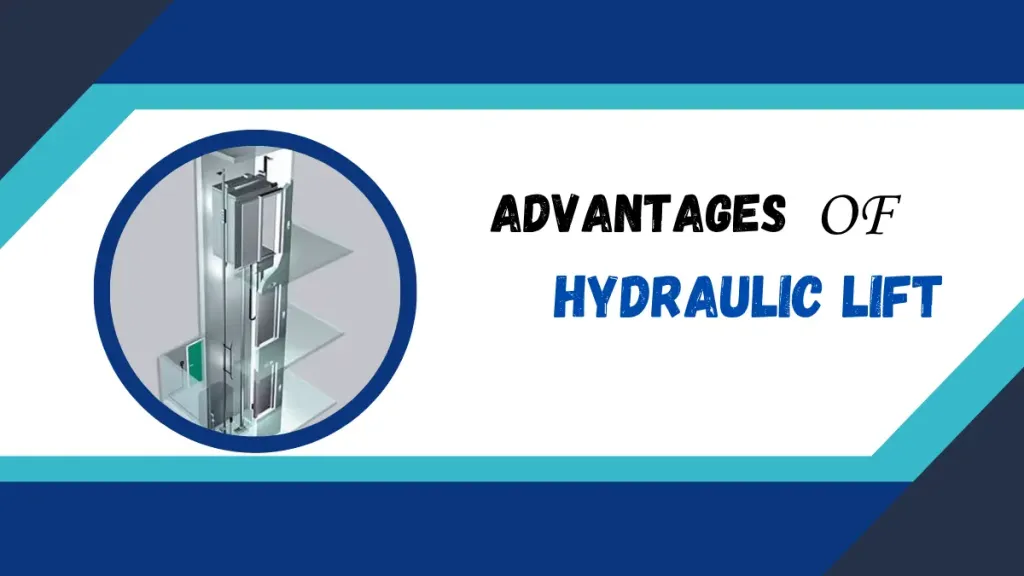
  • What makes hydraulic lift for home so popular?

    Hydraulic home elevators are among the most basic, smooth and affordable. These provide mobility, safety and style to our homes, offices, hospitals, and a variety of other locations.

    There are several reasons behind its hydraulic home lift popularity:

    Easy to Install
    Space Saving Design
    Cost Saving
    Quiet Operation
    Safety Features Loaded
    Minimum Maintenance required
    No need of Pit Room

    Hydraulic home lifts have become one of the most preferred choices among homeowners, architects, and interior designers and for good reason. Their popularity comes from a smart blend of simplicity, comfort, and flexibility.

    Hydraulic lifts operate using a fluid-driven system that delivers smooth, gentle movement without the noise or vibration found in older lift designs. They are especially popular for homes because they don’t require a large overhead space or machine room, making them easier to install in existing duplexes, bungalows, and independent houses.

    Another reason homeowners love hydraulic lifts is their excellent load-carrying capacity. They can comfortably move multiple passengers or even wheelchairs without strain. They also offer high reliability, as the system remains stable even during power fluctuations—a common concern in Indian homes.

    These lifts are also known for lower installation costs, especially in retrofit projects, and they allow more customization in cabin size, finishes, and door styles. Maintenance is straightforward, parts are easily available, and the mechanism has been trusted for decades worldwide.

    There are many advantages of hydraulic home lifts that make them affordable, space-friendly, smooth, powerful, and highly dependable, making them a practical and stylish upgrade for modern homes.

    https://atticoelevators.wordpress.com/2025/11/04/what-are-the-advantages-of-hydraulic-lifts/

    #hydrauliclift #homelift #residentiallift #villalift #duplexlift #liftforsmallspaces #homeelevators
    What makes hydraulic lift for home so popular? Hydraulic home elevators are among the most basic, smooth and affordable. These provide mobility, safety and style to our homes, offices, hospitals, and a variety of other locations. There are several reasons behind its hydraulic home lift popularity: Easy to Install Space Saving Design Cost Saving Quiet Operation Safety Features Loaded Minimum Maintenance required No need of Pit Room Hydraulic home lifts have become one of the most preferred choices among homeowners, architects, and interior designers and for good reason. Their popularity comes from a smart blend of simplicity, comfort, and flexibility. Hydraulic lifts operate using a fluid-driven system that delivers smooth, gentle movement without the noise or vibration found in older lift designs. They are especially popular for homes because they don’t require a large overhead space or machine room, making them easier to install in existing duplexes, bungalows, and independent houses. Another reason homeowners love hydraulic lifts is their excellent load-carrying capacity. They can comfortably move multiple passengers or even wheelchairs without strain. They also offer high reliability, as the system remains stable even during power fluctuations—a common concern in Indian homes. These lifts are also known for lower installation costs, especially in retrofit projects, and they allow more customization in cabin size, finishes, and door styles. Maintenance is straightforward, parts are easily available, and the mechanism has been trusted for decades worldwide. There are many advantages of hydraulic home lifts that make them affordable, space-friendly, smooth, powerful, and highly dependable, making them a practical and stylish upgrade for modern homes. https://atticoelevators.wordpress.com/2025/11/04/what-are-the-advantages-of-hydraulic-lifts/ #hydrauliclift #homelift #residentiallift #villalift #duplexlift #liftforsmallspaces #homeelevators
    0 Комментарии 0 Поделились 270 Просмотры 0 предпросмотр
  • What are the ideal dimensions for MRL Elevator fitting in my home?

    One of the biggest advantages of an MRL (Machine Room Less) elevator is its ability to fit into compact residential spaces without the need for a separate machine room. This makes it an ideal choice for villas, duplexes, builder floors, and even smaller homes.

    In most homes, minimum space required for an MRL elevator ranges between 1 square metre to 1.5 square metres (around 10–16 sq. ft.) for the shaft area. The actual cabin size inside usually varies from 600 mm x 600 mm for a compact lift to 1100 mm x 1400 mm for a wheelchair-friendly car. Your final requirement depends on how many people will use the lift at one time and whether it needs to accommodate a wheelchair.

    The minimum overhead clearance is usually around 2500 mm to 2800 mm, while the pit depth can be as little as 100 mm to 300 mm, and in some cases, a pit-less model can also be installed. This is especially helpful when adding a lift to an already-built house.

    What makes MRL lifts even more suitable is their flexible installation- these can fit inside staircases, corners, or along an external wall in a glass enclosure. A professional site inspection helps determine the exact dimensions needed for your layout.

    MRL elevators are designed to make luxury and convenience possible even in limited spaces. Check a complete guide for residential elevator space requirements.

    https://www.linkedin.com/pulse/how-much-space-do-you-need-residential-elevator-atticoelevators-38sjf/

    #mrlelevator #homeelevators #residentiallift #elevatordimensions #homerenovationtips #liftinstallation #smartliving


    What are the ideal dimensions for MRL Elevator fitting in my home? One of the biggest advantages of an MRL (Machine Room Less) elevator is its ability to fit into compact residential spaces without the need for a separate machine room. This makes it an ideal choice for villas, duplexes, builder floors, and even smaller homes. In most homes, minimum space required for an MRL elevator ranges between 1 square metre to 1.5 square metres (around 10–16 sq. ft.) for the shaft area. The actual cabin size inside usually varies from 600 mm x 600 mm for a compact lift to 1100 mm x 1400 mm for a wheelchair-friendly car. Your final requirement depends on how many people will use the lift at one time and whether it needs to accommodate a wheelchair. The minimum overhead clearance is usually around 2500 mm to 2800 mm, while the pit depth can be as little as 100 mm to 300 mm, and in some cases, a pit-less model can also be installed. This is especially helpful when adding a lift to an already-built house. What makes MRL lifts even more suitable is their flexible installation- these can fit inside staircases, corners, or along an external wall in a glass enclosure. A professional site inspection helps determine the exact dimensions needed for your layout. MRL elevators are designed to make luxury and convenience possible even in limited spaces. Check a complete guide for residential elevator space requirements. https://www.linkedin.com/pulse/how-much-space-do-you-need-residential-elevator-atticoelevators-38sjf/ #mrlelevator #homeelevators #residentiallift #elevatordimensions #homerenovationtips #liftinstallation #smartliving
    0 Комментарии 0 Поделились 274 Просмотры 0 предпросмотр
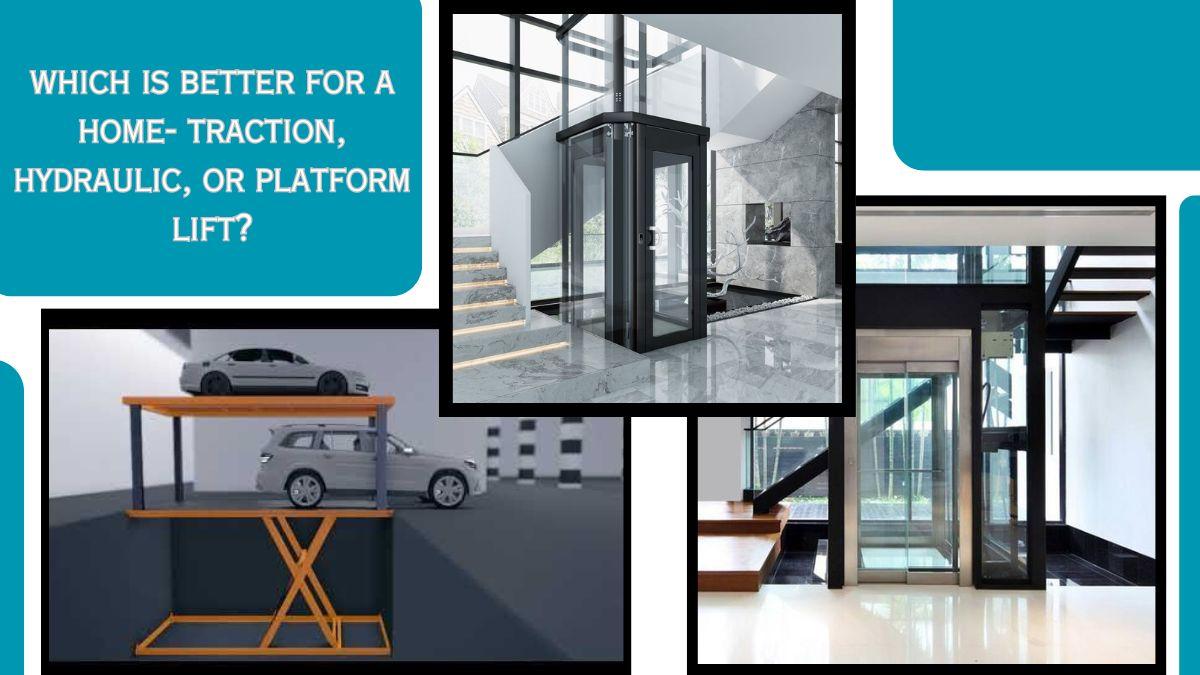
  • Which is Better for a Home- Traction, Hydraulic, or Platform Lift?

    There are several technologies and specifications of home elevators that have their own advantages, and the best choice depends on your usage, space, and expectations.

    Traction Elevators
    These are known as the most advanced and premium options. They work using a motor and counterweight system and are known for:

    Smooth and silent movement
    High energy efficiency
    Long lifespan
    Suitable for multi-storey homes (2–6 floors)
    They are ideal for villas, duplexes, and luxury residences.

    Hydraulic Elevators
    Hydraulic lifts use fluid pressure to raise the cabin. They are:

    Good for low-rise homes (2–3 floors)
    Easier to install in existing structures
    Require minimal overhead space
    Slightly higher energy consumption than traction
    They are perfect for retrofit projects where space is limited.

    Platform Lifts
    Best for accessibility rather than speed or luxury. These are:

    Ideal for wheelchair users and elderly residents
    Space-efficient
    Simple in design
    Mainly for 1–2 floor travel
    They are more functional than luxurious.

    If you want luxury + performance + efficiency, traction is best.
    If you want easy installation in an old house, go hydraulic.
    If you want accessibility with minimum space, choose a platform.

    An expert site assessment is the best way to determine which type of home elevator is ideal for your space.

    https://atticoelevators.com/types-of-home-elevator-lift-in-india/

    #homeelevators #tractionlift #hydraulicelevator #platformlift #residentiallift #homeimprovementtips #liftinstallation
    Which is Better for a Home- Traction, Hydraulic, or Platform Lift? There are several technologies and specifications of home elevators that have their own advantages, and the best choice depends on your usage, space, and expectations. Traction Elevators These are known as the most advanced and premium options. They work using a motor and counterweight system and are known for: Smooth and silent movement High energy efficiency Long lifespan Suitable for multi-storey homes (2–6 floors) They are ideal for villas, duplexes, and luxury residences. Hydraulic Elevators Hydraulic lifts use fluid pressure to raise the cabin. They are: Good for low-rise homes (2–3 floors) Easier to install in existing structures Require minimal overhead space Slightly higher energy consumption than traction They are perfect for retrofit projects where space is limited. Platform Lifts Best for accessibility rather than speed or luxury. These are: Ideal for wheelchair users and elderly residents Space-efficient Simple in design Mainly for 1–2 floor travel They are more functional than luxurious. If you want luxury + performance + efficiency, traction is best. If you want easy installation in an old house, go hydraulic. If you want accessibility with minimum space, choose a platform. An expert site assessment is the best way to determine which type of home elevator is ideal for your space. https://atticoelevators.com/types-of-home-elevator-lift-in-india/ #homeelevators #tractionlift #hydraulicelevator #platformlift #residentiallift #homeimprovementtips #liftinstallation
    0 Комментарии 0 Поделились 330 Просмотры 0 предпросмотр
  • What are the important steps for Home Lift Installation?

    Installing a home lift is a planned process that ensures safety, smooth operation, and perfect integration with your home design.

    Site Assessment: It is the first and most important step where experts evaluate your available space, floor levels, structure, and electrical requirements. This helps determine the most suitable lift type, such as traction, hydraulic, or machine-room-less (MRL) elevators.

    Lift selection and customization: You choose the cabin size, design, materials, doors, and finishes to match your home interior. Once finalized, the team prepares the civil and electrical setup, which may include a shallow pit, shaft space, and power connections.

    Installation phase: The shaft, rails, cabin, motor, and control system are fitted carefully by trained technicians. This stage is followed by testing and safety inspections to ensure smooth movement, accurate leveling, door performance, and emergency system functionality.

    Finally, the lift is handed over with proper user training and documentation. A maintenance schedule and AMC plan are also discussed to guarantee long-term performance.

    By following these steps, you ensure your home lift is installed efficiently, safely, and with minimal disruption to your daily life. Find a detailed guide on Stepwise Lift Installation at Home to get the things properly executed.

    https://atticoelevators.com/what-is-the-process-of-lift-installation-at-home/

    #homelift #liftinstallation #homeelevator #liftsafety #houselift #installationsteps #liftplanning #homesafety #elevatortips #residentiallift
    What are the important steps for Home Lift Installation? Installing a home lift is a planned process that ensures safety, smooth operation, and perfect integration with your home design. Site Assessment: It is the first and most important step where experts evaluate your available space, floor levels, structure, and electrical requirements. This helps determine the most suitable lift type, such as traction, hydraulic, or machine-room-less (MRL) elevators. Lift selection and customization: You choose the cabin size, design, materials, doors, and finishes to match your home interior. Once finalized, the team prepares the civil and electrical setup, which may include a shallow pit, shaft space, and power connections. Installation phase: The shaft, rails, cabin, motor, and control system are fitted carefully by trained technicians. This stage is followed by testing and safety inspections to ensure smooth movement, accurate leveling, door performance, and emergency system functionality. Finally, the lift is handed over with proper user training and documentation. A maintenance schedule and AMC plan are also discussed to guarantee long-term performance. By following these steps, you ensure your home lift is installed efficiently, safely, and with minimal disruption to your daily life. Find a detailed guide on Stepwise Lift Installation at Home to get the things properly executed. https://atticoelevators.com/what-is-the-process-of-lift-installation-at-home/ #homelift #liftinstallation #homeelevator #liftsafety #houselift #installationsteps #liftplanning #homesafety #elevatortips #residentiallift
    0 Комментарии 0 Поделились 392 Просмотры 0 предпросмотр
  • What are the key things to understand before residential lift installation?

    Before installing a residential lift, it’s important to understand your home structure, space availability, and usage needs. The first step is a professional site assessment to check load-bearing walls, suitable lift location, and minimum space requirements for residential lift. Most home elevators need around 1 to 1.5 sq. m., but compact and MRL (machine-room-less) designs can fit in even smaller areas.

    Next, decide the type of lift based on travel height and usage- traction lifts for multiple floors, hydraulic for retrofit homes, or platform lifts for wheelchair access. You should also check out pit and headroom requirements. Many modern lifts offer low-pit or pit-less options, making them suitable for existing buildings.

    Another crucial factor is power supply and backup. Always choose a lift with an Automatic Rescue Device (ARD) to handle power cuts safely. Also, consider noise level, speed, and maintenance needs, especially in residential settings.

    Don’t forget about customisation options like cabin design, lighting, doors, and flooring to match your home interior. Finally, choose a reputable company that offers strong warranty, AMC, and after-sales support for long-term reliability.

    Planning these factors in advance ensures a smooth, safe, and hassle-free installation experience.

    https://atticoelevators.com/how-much-space-is-required-for-residential-elevator/

    #residentiallift #homeelevator #liftsafety #liftinstallation #elevatortips #houselift #architecturedesign #liftrequirements #budgetplanning #homesafety

    What are the key things to understand before residential lift installation? Before installing a residential lift, it’s important to understand your home structure, space availability, and usage needs. The first step is a professional site assessment to check load-bearing walls, suitable lift location, and minimum space requirements for residential lift. Most home elevators need around 1 to 1.5 sq. m., but compact and MRL (machine-room-less) designs can fit in even smaller areas. Next, decide the type of lift based on travel height and usage- traction lifts for multiple floors, hydraulic for retrofit homes, or platform lifts for wheelchair access. You should also check out pit and headroom requirements. Many modern lifts offer low-pit or pit-less options, making them suitable for existing buildings. Another crucial factor is power supply and backup. Always choose a lift with an Automatic Rescue Device (ARD) to handle power cuts safely. Also, consider noise level, speed, and maintenance needs, especially in residential settings. Don’t forget about customisation options like cabin design, lighting, doors, and flooring to match your home interior. Finally, choose a reputable company that offers strong warranty, AMC, and after-sales support for long-term reliability. Planning these factors in advance ensures a smooth, safe, and hassle-free installation experience. https://atticoelevators.com/how-much-space-is-required-for-residential-elevator/ #residentiallift #homeelevator #liftsafety #liftinstallation #elevatortips #houselift #architecturedesign #liftrequirements #budgetplanning #homesafety
    0 Комментарии 0 Поделились 500 Просмотры 0 предпросмотр
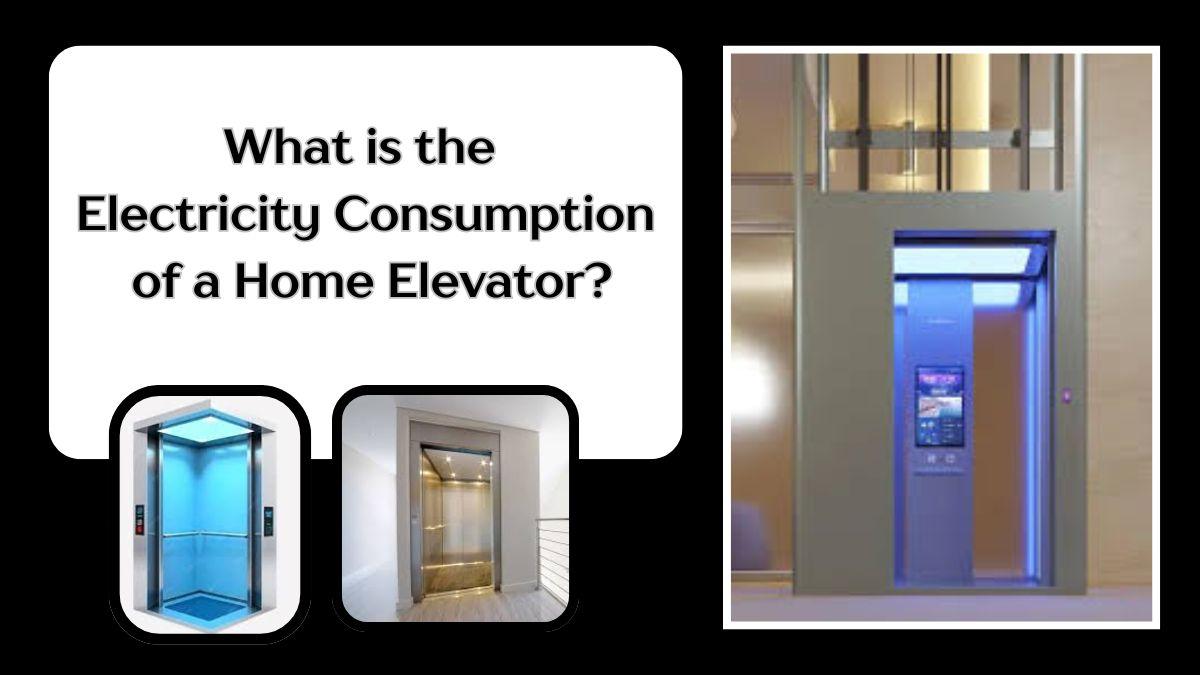
  • What is the Electricity Consumption of a Home Elevator?

    One of the biggest myths about home elevators is that they consume a lot of electricity. In reality, modern home elevators are highly energy-efficient and use no more power than a common household appliance like an air conditioner or microwave.

    The actual electricity consumption depends on the type of elevator you choose:

    Traction home elevators are the most energy-efficient. Because these work on a counterweight system, the motor does not need to work as hard, especially while moving downward. On average, they consume around 1–2 units of electricity per day with regular usage.

    Hydraulic elevators use slightly more power because they rely on fluid pressure to lift the cabin, but even then, their consumption is quite moderate for residential use.

    Platform lifts are highly efficient due to their slow speed and limited load capacity.

    Most home elevators run on single-phase domestic power supply, and they operate only when in use. When idle, power consumption is almost zero thanks to standby energy-saving modes and LED lighting.

    In practical terms, adding a home elevator to your house will not create a noticeable increase in your electricity bill. Modern systems are specifically designed to support sustainable, energy-efficient living while delivering comfort, safety, and luxury.

    https://atticoelevators.com/our-products/home-elevators/

    #homeelevator #elevatorpowerconsumption #residentiallift #energyefficienthomes #lowpowerlift #modernhomeideas #elevatorinstallation #homeliftsolutions
    What is the Electricity Consumption of a Home Elevator? One of the biggest myths about home elevators is that they consume a lot of electricity. In reality, modern home elevators are highly energy-efficient and use no more power than a common household appliance like an air conditioner or microwave. The actual electricity consumption depends on the type of elevator you choose: Traction home elevators are the most energy-efficient. Because these work on a counterweight system, the motor does not need to work as hard, especially while moving downward. On average, they consume around 1–2 units of electricity per day with regular usage. Hydraulic elevators use slightly more power because they rely on fluid pressure to lift the cabin, but even then, their consumption is quite moderate for residential use. Platform lifts are highly efficient due to their slow speed and limited load capacity. Most home elevators run on single-phase domestic power supply, and they operate only when in use. When idle, power consumption is almost zero thanks to standby energy-saving modes and LED lighting. In practical terms, adding a home elevator to your house will not create a noticeable increase in your electricity bill. Modern systems are specifically designed to support sustainable, energy-efficient living while delivering comfort, safety, and luxury. https://atticoelevators.com/our-products/home-elevators/ #homeelevator #elevatorpowerconsumption #residentiallift #energyefficienthomes #lowpowerlift #modernhomeideas #elevatorinstallation #homeliftsolutions
    0 Комментарии 0 Поделились 480 Просмотры 0 предпросмотр
  • Can I install a Lift in a Builder Floor in Delhi?

    Yes, it is possible to install a lift in an already built house or builder floor in Delhi. In fact, this is one of the most common requests today. Many homeowners are upgrading their existing homes to make them more accessible for senior family members, children, or future needs.

    Modern residential elevators are designed specifically for retrofit installations. This means they do not require large pits, heavy civil changes, or a separate machine room. Compact MRL (Machine-Room-Less) systems, hydraulic lifts, and platform lifts can be installed in:

    Staircase corners
    Balconies
    Outside walls (with structure)
    Central shafts
    Narrow unused spaces

    In most cases, only about 1 to 1.2 square metres of space is required. Shallow-pit or pit-less models make this even easier for existing buildings. A professional team will conduct a site inspection to identify the safest and most suitable location based on your layout.

    In Delhi, builder floors in areas like South Delhi, Dwarka, Rohini, Saket, and West Delhi install compact lifts without any structural issues.

    So yes, whether your house is 10 years old or recently built, a builder floor or your own apartment, contact the best services of Residential Lifts in Delhi to get a custom solution.

    https://atticoelevators.com/residential-elevators-in-delhi/

    #liftinbuilderfloor #builderfloorlift #homeelevatordelhi #residentiallift #delhihomelifts #installinghomelift #compacthomeelevator #smallspacesolutions #mrlhomeelevator #hydraulichomelift #modernhomelift
    Can I install a Lift in a Builder Floor in Delhi? Yes, it is possible to install a lift in an already built house or builder floor in Delhi. In fact, this is one of the most common requests today. Many homeowners are upgrading their existing homes to make them more accessible for senior family members, children, or future needs. Modern residential elevators are designed specifically for retrofit installations. This means they do not require large pits, heavy civil changes, or a separate machine room. Compact MRL (Machine-Room-Less) systems, hydraulic lifts, and platform lifts can be installed in: Staircase corners Balconies Outside walls (with structure) Central shafts Narrow unused spaces In most cases, only about 1 to 1.2 square metres of space is required. Shallow-pit or pit-less models make this even easier for existing buildings. A professional team will conduct a site inspection to identify the safest and most suitable location based on your layout. In Delhi, builder floors in areas like South Delhi, Dwarka, Rohini, Saket, and West Delhi install compact lifts without any structural issues. So yes, whether your house is 10 years old or recently built, a builder floor or your own apartment, contact the best services of Residential Lifts in Delhi to get a custom solution. https://atticoelevators.com/residential-elevators-in-delhi/ #liftinbuilderfloor #builderfloorlift #homeelevatordelhi #residentiallift #delhihomelifts #installinghomelift #compacthomeelevator #smallspacesolutions #mrlhomeelevator #hydraulichomelift #modernhomelift
    0 Комментарии 0 Поделились 614 Просмотры 0 предпросмотр
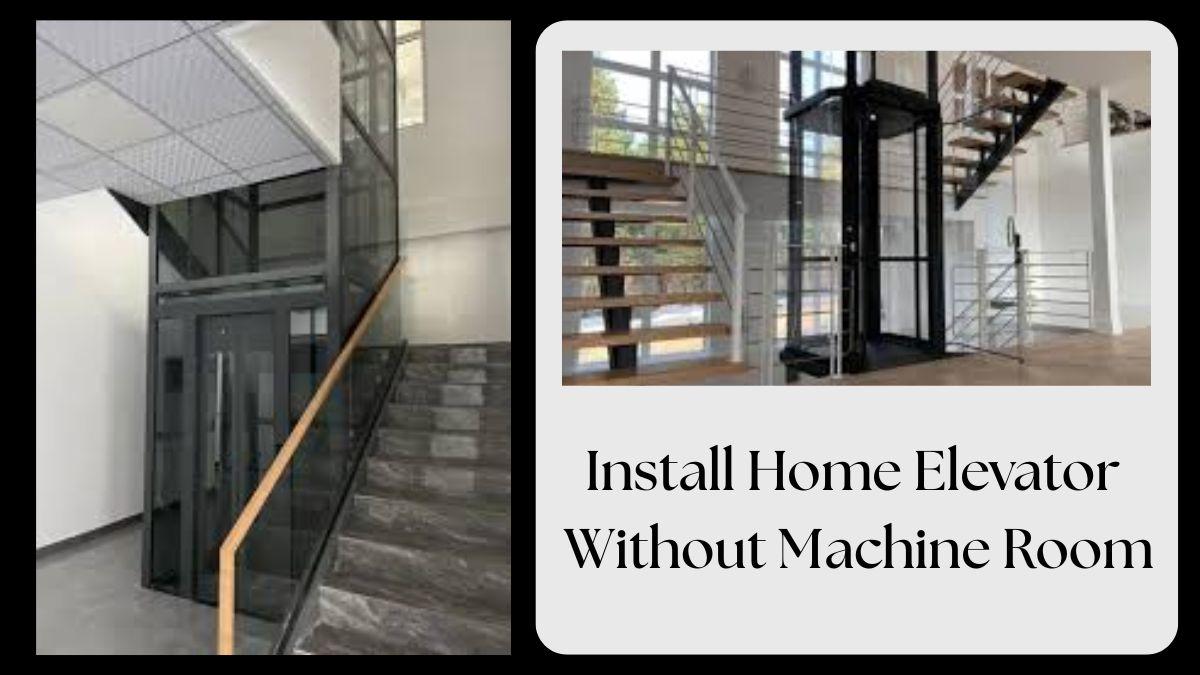
  • Can I Install an Elevator in My Home Without a Machine Room?

    Yes, you can absolutely go with a home elevator without a machine room. In fact, most modern residential lifts are designed as MRL (Machine-Room-Less) elevators, which makes them perfect for homes with limited space or for retrofit installations in existing buildings.

    In an MRL elevator, the entire drive mechanism is integrated either at the top of the shaft or within the shaft structure itself. This eliminates the need for a separate room to house motors or control equipment. As a result, homeowners can save space, reduce construction work, and achieve a cleaner, more compact installation.

    Machine-room-less lifts are also more energy-efficient, quieter, and easier to maintain because all major components are accessible from within the shaft. These work exceptionally well in duplexes, villas, builder floors, and even small homes where every inch of floor area matters.

    Installation of MRL lifts is faster and requires only a small pit or, in some cases, a pit-less configuration, depending on the model. Despite being compact, MRL home elevators still offer advanced features like soft start-stop movement, emergency rescue systems, and stylish cabin designs. So if you want an elevator without extra civil work or space requirements, an MRL home elevator is the ideal solution.

    https://atticoelevators.com/about-mrl-home-elevators/

    #mrlhomeelevator #homelift #machineRoomless #homeelevatorsystem #elevatorinstallation #compactelevator #residentiallift #spaceSavingLift #elevatortechnology #homesafety


    Can I Install an Elevator in My Home Without a Machine Room? Yes, you can absolutely go with a home elevator without a machine room. In fact, most modern residential lifts are designed as MRL (Machine-Room-Less) elevators, which makes them perfect for homes with limited space or for retrofit installations in existing buildings. In an MRL elevator, the entire drive mechanism is integrated either at the top of the shaft or within the shaft structure itself. This eliminates the need for a separate room to house motors or control equipment. As a result, homeowners can save space, reduce construction work, and achieve a cleaner, more compact installation. Machine-room-less lifts are also more energy-efficient, quieter, and easier to maintain because all major components are accessible from within the shaft. These work exceptionally well in duplexes, villas, builder floors, and even small homes where every inch of floor area matters. Installation of MRL lifts is faster and requires only a small pit or, in some cases, a pit-less configuration, depending on the model. Despite being compact, MRL home elevators still offer advanced features like soft start-stop movement, emergency rescue systems, and stylish cabin designs. So if you want an elevator without extra civil work or space requirements, an MRL home elevator is the ideal solution. https://atticoelevators.com/about-mrl-home-elevators/ #mrlhomeelevator #homelift #machineRoomless #homeelevatorsystem #elevatorinstallation #compactelevator #residentiallift #spaceSavingLift #elevatortechnology #homesafety
    0 Комментарии 0 Поделились 587 Просмотры 0 предпросмотр