• How do I find a reliable lift company in Delhi for my house?

    If you are looking for a reliable lift company in Delhi for your home, start with understanding your exact requirements. First, decide the purpose of the lift- whether it is for a villa, duplex, builder floor, or for senior and wheelchair access.

    Once your needs are clear, begin with shortlisting companies that specialize specifically in residential or home elevators, not just commercial buildings.

    Check the company’s experience in the Delhi NCR region. A good lift company should have completed projects in areas like South Delhi, Dwarka, Gurugram, Noida, and other nearby locations. This shows that they understand local building structures, space challenges, and installation requirements.

    Always look for safety certifications, product quality, and after-sales service options. A reliable company will offer features like MRL (machine-room-less) technology, emergency rescue systems, energy-efficient operation, and custom design options. Ask about their AMC (Annual Maintenance Contract) and response time for service calls.

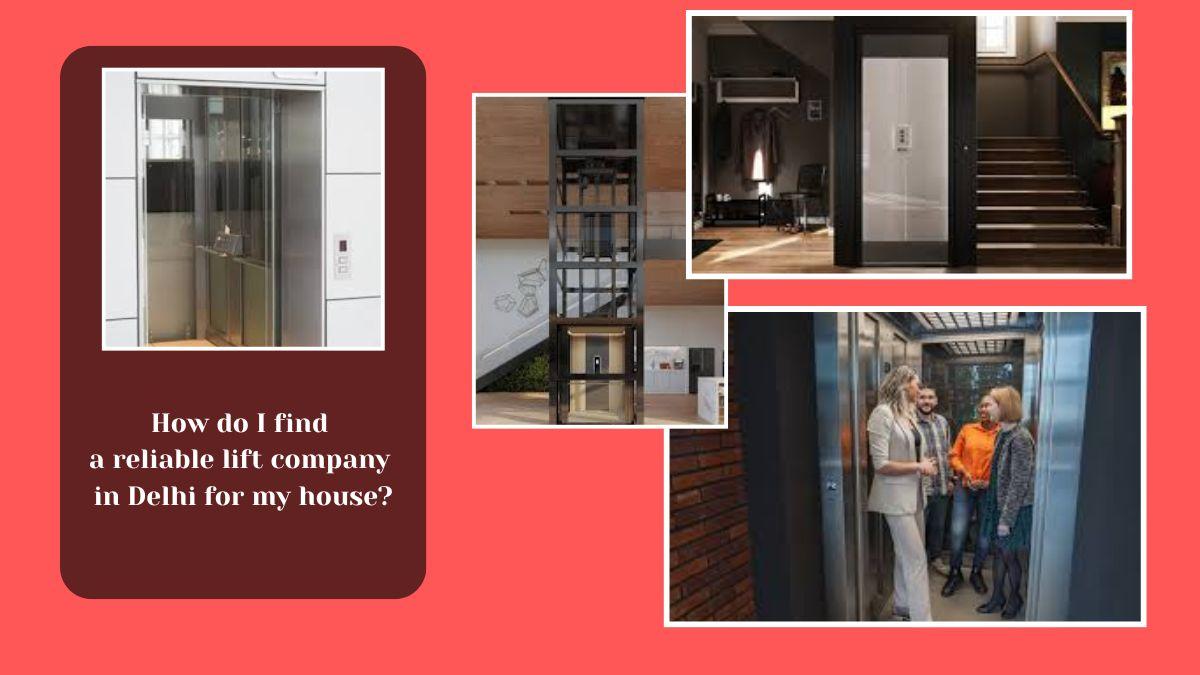
    Customer reviews, testimonials, and real project images can also help you make a confident decision. One such trusted name in the region is Attico Elevators, known for providing stylish, safe, and customized home lift solutions across Delhi NCR.

    Choosing the right lift company in Delhi ensures long-term safety, comfort, and peace of mind for your home.

    https://atticoelevators.com/

    #homeliftcompany #delhiliftservices #reliableliftcompany #residentialelevator #homeelevatorsolutions #delhihomelifts #elevatorinstallation
    How do I find a reliable lift company in Delhi for my house? If you are looking for a reliable lift company in Delhi for your home, start with understanding your exact requirements. First, decide the purpose of the lift- whether it is for a villa, duplex, builder floor, or for senior and wheelchair access. Once your needs are clear, begin with shortlisting companies that specialize specifically in residential or home elevators, not just commercial buildings. Check the company’s experience in the Delhi NCR region. A good lift company should have completed projects in areas like South Delhi, Dwarka, Gurugram, Noida, and other nearby locations. This shows that they understand local building structures, space challenges, and installation requirements. Always look for safety certifications, product quality, and after-sales service options. A reliable company will offer features like MRL (machine-room-less) technology, emergency rescue systems, energy-efficient operation, and custom design options. Ask about their AMC (Annual Maintenance Contract) and response time for service calls. Customer reviews, testimonials, and real project images can also help you make a confident decision. One such trusted name in the region is Attico Elevators, known for providing stylish, safe, and customized home lift solutions across Delhi NCR. Choosing the right lift company in Delhi ensures long-term safety, comfort, and peace of mind for your home. https://atticoelevators.com/ #homeliftcompany #delhiliftservices #reliableliftcompany #residentialelevator #homeelevatorsolutions #delhihomelifts #elevatorinstallation
    0 Comments 0 Shares 122 Views 0 Reviews
  • What is the Electricity Consumption of a Home Elevator?

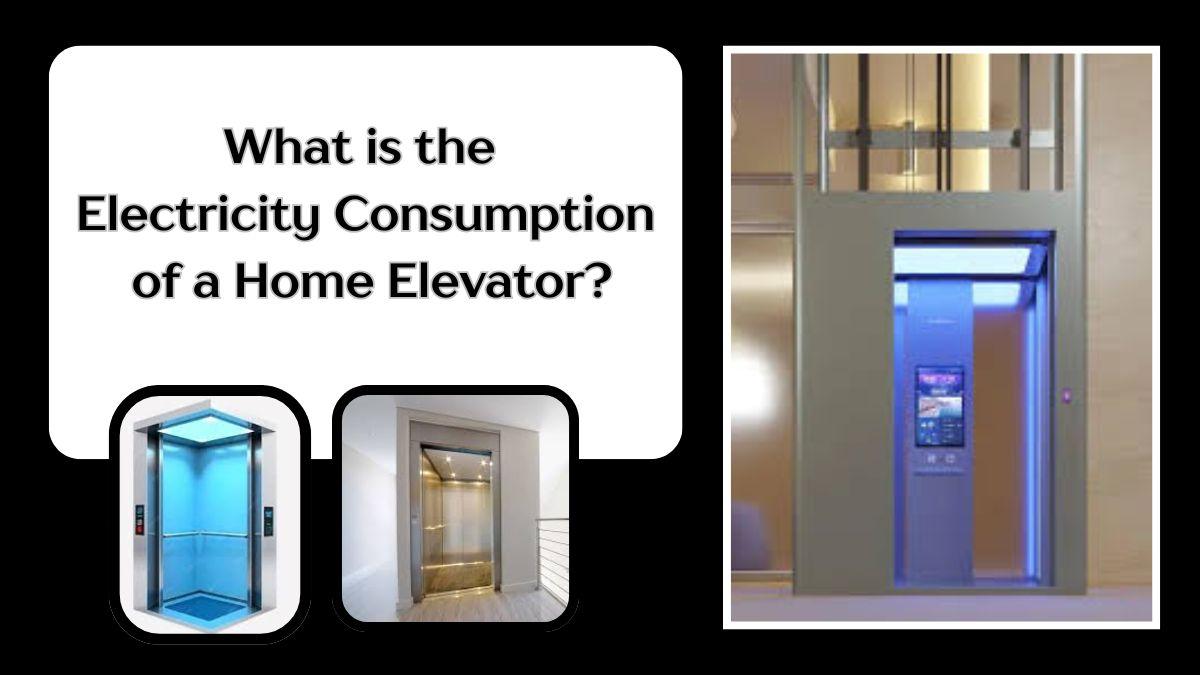
    One of the biggest myths about home elevators is that they consume a lot of electricity. In reality, modern home elevators are highly energy-efficient and use no more power than a common household appliance like an air conditioner or microwave.

    The actual electricity consumption depends on the type of elevator you choose:

    Traction home elevators are the most energy-efficient. Because these work on a counterweight system, the motor does not need to work as hard, especially while moving downward. On average, they consume around 1–2 units of electricity per day with regular usage.

    Hydraulic elevators use slightly more power because they rely on fluid pressure to lift the cabin, but even then, their consumption is quite moderate for residential use.

    Platform lifts are highly efficient due to their slow speed and limited load capacity.

    Most home elevators run on single-phase domestic power supply, and they operate only when in use. When idle, power consumption is almost zero thanks to standby energy-saving modes and LED lighting.

    In practical terms, adding a home elevator to your house will not create a noticeable increase in your electricity bill. Modern systems are specifically designed to support sustainable, energy-efficient living while delivering comfort, safety, and luxury.

    https://atticoelevators.com/our-products/home-elevators/

    #homeelevator #elevatorpowerconsumption #residentiallift #energyefficienthomes #lowpowerlift #modernhomeideas #elevatorinstallation #homeliftsolutions
    What is the Electricity Consumption of a Home Elevator? One of the biggest myths about home elevators is that they consume a lot of electricity. In reality, modern home elevators are highly energy-efficient and use no more power than a common household appliance like an air conditioner or microwave. The actual electricity consumption depends on the type of elevator you choose: Traction home elevators are the most energy-efficient. Because these work on a counterweight system, the motor does not need to work as hard, especially while moving downward. On average, they consume around 1–2 units of electricity per day with regular usage. Hydraulic elevators use slightly more power because they rely on fluid pressure to lift the cabin, but even then, their consumption is quite moderate for residential use. Platform lifts are highly efficient due to their slow speed and limited load capacity. Most home elevators run on single-phase domestic power supply, and they operate only when in use. When idle, power consumption is almost zero thanks to standby energy-saving modes and LED lighting. In practical terms, adding a home elevator to your house will not create a noticeable increase in your electricity bill. Modern systems are specifically designed to support sustainable, energy-efficient living while delivering comfort, safety, and luxury. https://atticoelevators.com/our-products/home-elevators/ #homeelevator #elevatorpowerconsumption #residentiallift #energyefficienthomes #lowpowerlift #modernhomeideas #elevatorinstallation #homeliftsolutions
    0 Comments 0 Shares 119 Views 0 Reviews
  • Can I Install an Elevator in My Home Without a Machine Room?

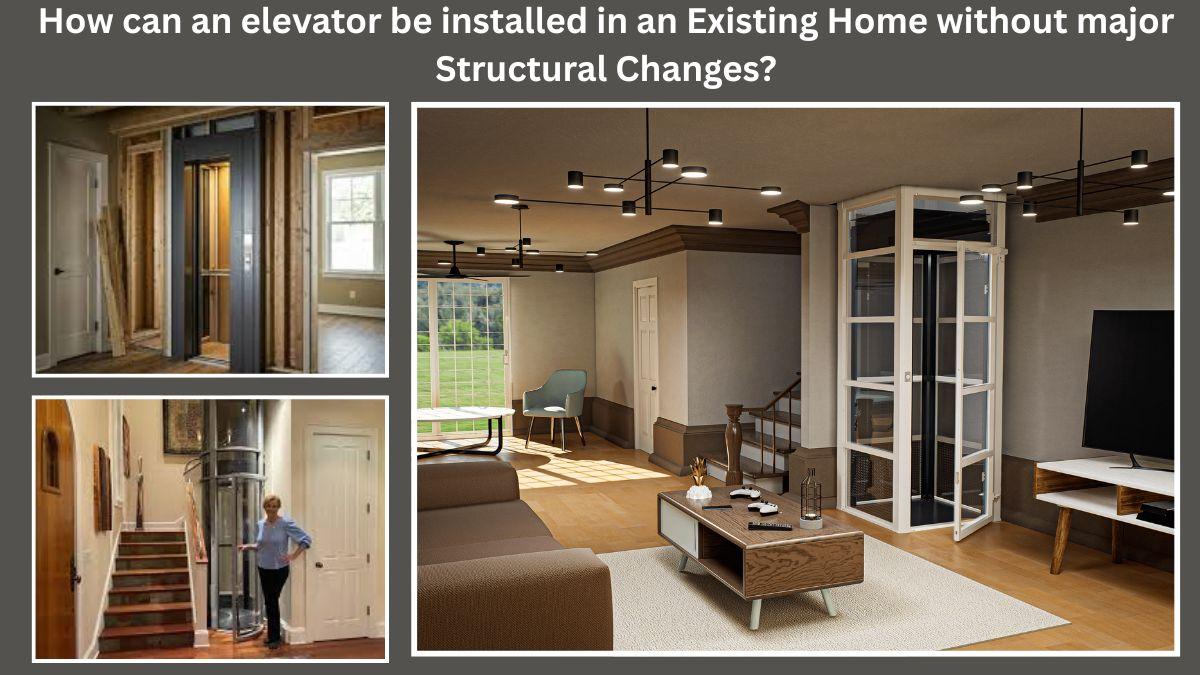
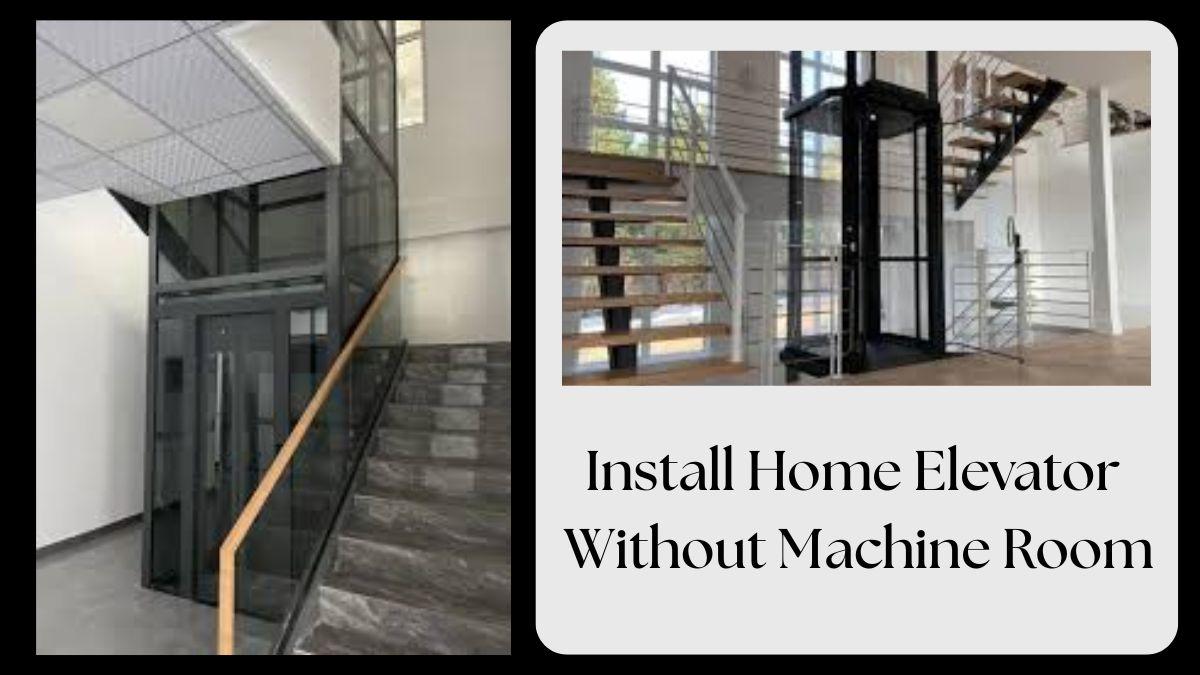
    Yes, you can absolutely go with a home elevator without a machine room. In fact, most modern residential lifts are designed as MRL (Machine-Room-Less) elevators, which makes them perfect for homes with limited space or for retrofit installations in existing buildings.

    In an MRL elevator, the entire drive mechanism is integrated either at the top of the shaft or within the shaft structure itself. This eliminates the need for a separate room to house motors or control equipment. As a result, homeowners can save space, reduce construction work, and achieve a cleaner, more compact installation.

    Machine-room-less lifts are also more energy-efficient, quieter, and easier to maintain because all major components are accessible from within the shaft. These work exceptionally well in duplexes, villas, builder floors, and even small homes where every inch of floor area matters.

    Installation of MRL lifts is faster and requires only a small pit or, in some cases, a pit-less configuration, depending on the model. Despite being compact, MRL home elevators still offer advanced features like soft start-stop movement, emergency rescue systems, and stylish cabin designs. So if you want an elevator without extra civil work or space requirements, an MRL home elevator is the ideal solution.

    https://atticoelevators.com/about-mrl-home-elevators/

    #mrlhomeelevator #homelift #machineRoomless #homeelevatorsystem #elevatorinstallation #compactelevator #residentiallift #spaceSavingLift #elevatortechnology #homesafety


    Can I Install an Elevator in My Home Without a Machine Room? Yes, you can absolutely go with a home elevator without a machine room. In fact, most modern residential lifts are designed as MRL (Machine-Room-Less) elevators, which makes them perfect for homes with limited space or for retrofit installations in existing buildings. In an MRL elevator, the entire drive mechanism is integrated either at the top of the shaft or within the shaft structure itself. This eliminates the need for a separate room to house motors or control equipment. As a result, homeowners can save space, reduce construction work, and achieve a cleaner, more compact installation. Machine-room-less lifts are also more energy-efficient, quieter, and easier to maintain because all major components are accessible from within the shaft. These work exceptionally well in duplexes, villas, builder floors, and even small homes where every inch of floor area matters. Installation of MRL lifts is faster and requires only a small pit or, in some cases, a pit-less configuration, depending on the model. Despite being compact, MRL home elevators still offer advanced features like soft start-stop movement, emergency rescue systems, and stylish cabin designs. So if you want an elevator without extra civil work or space requirements, an MRL home elevator is the ideal solution. https://atticoelevators.com/about-mrl-home-elevators/ #mrlhomeelevator #homelift #machineRoomless #homeelevatorsystem #elevatorinstallation #compactelevator #residentiallift #spaceSavingLift #elevatortechnology #homesafety
    0 Comments 0 Shares 273 Views 0 Reviews
  • What is the Difference Between Hydraulic and Traction Home Elevators?


    Home elevators offer the convenience of smooth movement from one floor to another, especially in multi-story buildings. Hydraulic and traction elevators are the two general categories and vary in the operation mechanism, space, speed, maintenance, and cost.

    1. Mechanism:

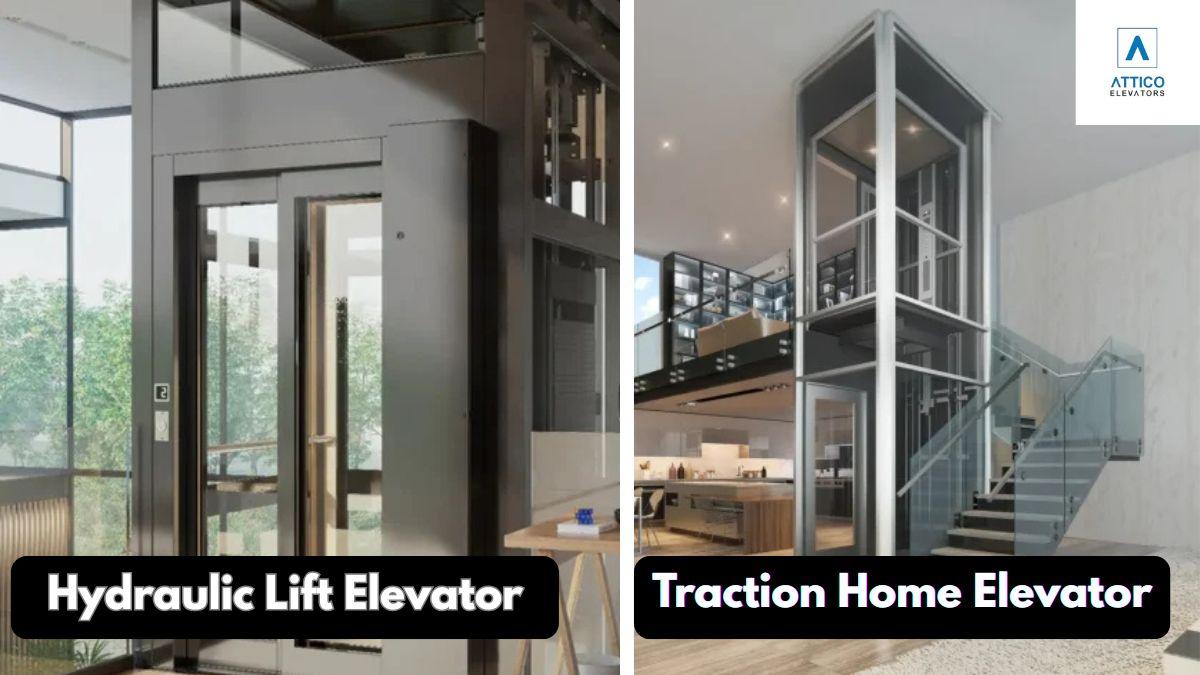
    Hydraulic Elevators: These use a piston of hydraulic fluid to pull the elevator up and down. Think of it as a ginormous syringe gliding the cabin smoothly.

    Traction Elevators: These use steel ropes or belts suspended from a counterweight and a motor. The motor wraps up the ropes, pulling the cabin up or down effectively.

    2.Space Requirements:

    Hydraulic: Requires a machine room and a sufficient area for the piston which usually exists below the elevator shaft.

    Traction: Takes less space and modern MRL elevator's traction lifts do not require an individual machine room.

    3. Speed and Height:
    Hydraulic: Slower, for 2–5 floors.

    Traction: More speed and power efficient; recommended for taller buildings.

    4. Maintenance:
    Hydraulic: Requires oil leak and piston checks on a regular basis.

    Traction: Needs rope and motor checks but is otherwise cleaner to look after.

    5. Cost:
    Hydraulic: Less initial installation cost but slightly higher running cost.

    Traction: Higher initial cost but more efficient and cost-effective in the long term.

    Summary:

    If you want a budget lift for a low-rise residential home, then choose hydraulic elevators. If you want speed, efficiency, and a tall building, choose traction.

    https://atticoelevators.com/our-products/traction-home-elevator/

    #homeelevator #hydraulicelevator #tractionelevator #elevatorcomparison #homedesign #elevatorsystem #elevatorinstallation
    What is the Difference Between Hydraulic and Traction Home Elevators? Home elevators offer the convenience of smooth movement from one floor to another, especially in multi-story buildings. Hydraulic and traction elevators are the two general categories and vary in the operation mechanism, space, speed, maintenance, and cost. 1. Mechanism: Hydraulic Elevators: These use a piston of hydraulic fluid to pull the elevator up and down. Think of it as a ginormous syringe gliding the cabin smoothly. Traction Elevators: These use steel ropes or belts suspended from a counterweight and a motor. The motor wraps up the ropes, pulling the cabin up or down effectively. 2.Space Requirements: Hydraulic: Requires a machine room and a sufficient area for the piston which usually exists below the elevator shaft. Traction: Takes less space and modern MRL elevator's traction lifts do not require an individual machine room. 3. Speed and Height: Hydraulic: Slower, for 2–5 floors. Traction: More speed and power efficient; recommended for taller buildings. 4. Maintenance: Hydraulic: Requires oil leak and piston checks on a regular basis. Traction: Needs rope and motor checks but is otherwise cleaner to look after. 5. Cost: Hydraulic: Less initial installation cost but slightly higher running cost. Traction: Higher initial cost but more efficient and cost-effective in the long term. Summary: If you want a budget lift for a low-rise residential home, then choose hydraulic elevators. If you want speed, efficiency, and a tall building, choose traction. https://atticoelevators.com/our-products/traction-home-elevator/ #homeelevator #hydraulicelevator #tractionelevator #elevatorcomparison #homedesign #elevatorsystem #elevatorinstallation
    0 Comments 0 Shares 795 Views 0 Reviews