• https://www.seair.co.in/foreign-country/indonesia-ports.aspx
    Discover Indonesia ports, featuring key seaports, shipping routes, and vital trade connections across Southeast Asia.
    https://www.seair.co.in/foreign-country/indonesia-ports.aspx Discover Indonesia ports, featuring key seaports, shipping routes, and vital trade connections across Southeast Asia.
    0 Comments 0 Shares 15 Views 0 Reviews
  • There are always ways to find cheaper routes because the route is competitive or has less premium. Southeast Asia, East European and some of the South American parts tend to be of this category. Multiple international carriers tend to compete with each other and offer the cheapest business class destinations. These naturally low premium fare markets are usually advantageous to travelers who are willing to fly into different cities and alter their arrival airports.
    https://askforairlines.com/blog/cheapest-business-class-destinations/
    There are always ways to find cheaper routes because the route is competitive or has less premium. Southeast Asia, East European and some of the South American parts tend to be of this category. Multiple international carriers tend to compete with each other and offer the cheapest business class destinations. These naturally low premium fare markets are usually advantageous to travelers who are willing to fly into different cities and alter their arrival airports. https://askforairlines.com/blog/cheapest-business-class-destinations/
    ASKFORAIRLINES.COM
    Cheapest Business +1-888-490-5764 Class Destinations
    Ready for an upgrade? Discover the cheapest business class destinations and book your dream trip today. Call +1-855-767-8060 for exclusive offers!
    0 Comments 0 Shares 29 Views 0 Reviews
  • What Makes Indian Biscuits a High-Demand Product in Global Markets?

    Export-grade Indian biscuits are in high demand globally due to their taste, affordability, and universal appeal. From tea-time Marie biscuits to indulgent chocolate Bourbon and Cream biscuits, these products cater to different age groups and consumption habits.

    Digestive biscuits add value by appealing to health-conscious consumers seeking fiber-rich snacks.

    Indian exporters have developed biscuit formulations that balance taste, texture, and shelf stability, making them suitable for international trade. These biscuits are produced using hygienic processes and packed in moisture-resistant packaging to preserve freshness during transit.

    Global buyers prefer Indian biscuit exporters because of the flexibility in packaging options, including bulk cartons, retail packs, and private labels. With strong demand across Africa, GCC, Southeast Asia, and emerging markets, biscuits remain a reliable, high-turnover category for importers and distributors.

    https://www.amoliinternational.com/biscuits-in-india.html

    #indianbiscuits #biscuitexport #biscuitexporters #foodexportindia #snackexports #globalfoodmarket #b2bexports #privatelebelbiscuits #creamandchocolatebiscuits #mariebiscuits

    What Makes Indian Biscuits a High-Demand Product in Global Markets? Export-grade Indian biscuits are in high demand globally due to their taste, affordability, and universal appeal. From tea-time Marie biscuits to indulgent chocolate Bourbon and Cream biscuits, these products cater to different age groups and consumption habits. Digestive biscuits add value by appealing to health-conscious consumers seeking fiber-rich snacks. Indian exporters have developed biscuit formulations that balance taste, texture, and shelf stability, making them suitable for international trade. These biscuits are produced using hygienic processes and packed in moisture-resistant packaging to preserve freshness during transit. Global buyers prefer Indian biscuit exporters because of the flexibility in packaging options, including bulk cartons, retail packs, and private labels. With strong demand across Africa, GCC, Southeast Asia, and emerging markets, biscuits remain a reliable, high-turnover category for importers and distributors. https://www.amoliinternational.com/biscuits-in-india.html #indianbiscuits #biscuitexport #biscuitexporters #foodexportindia #snackexports #globalfoodmarket #b2bexports #privatelebelbiscuits #creamandchocolatebiscuits #mariebiscuits
    0 Comments 0 Shares 260 Views 0 Reviews
  • What are the varied biscuit ranges highly demanded globally?

    Biscuits continue to be one of the most loved snack categories across the world, and importers increasingly look for suppliers who can offer multiple biscuit varieties under one roof. A diverse biscuit range helps retailers and distributors target every consumer segment from tea-time traditional biscuits to chocolate-filled treats and kid-friendly snacks.

    Indian manufacturers have emerged as reliable partners in this space, offering export grade biscuits such as Bourbon, Marie, Digestive, Cream Biscuits, Glucose, and Wafer Biscuits. Each category is crafted to deliver different benefits- chocolate indulgence, light tea-time crispness, fiber-rich health appeal, or layered crunchy fun. This product variety ensures higher shelf movement and repeat purchases in supermarkets and convenience stores.

    Exporters also provide custom packaging, private label branding, and long shelf-life stability, which is essential for international shipping. Importers prefer Indian biscuits due to consistent quality, competitive pricing, and strong consumer acceptance in markets across Africa, GCC, Southeast Asia, and Europe.

    For businesses aiming to expand their snack portfolio, sourcing from a supplier who delivers a full biscuit collection creates better profitability and stronger market presence. One partnership, multiple winning products.

    https://www.amoliinternational.com/biscuits-in-india.html

    #biscuitexport #indianbiscuits #exportgradebiscuits #globalbiscuits #snackexport #foodexportindia #bourbonbiscuits #mariebiscuits #creambiscuits #digestivebiscuits #waferbiscuits #glucosebiscuits
    What are the varied biscuit ranges highly demanded globally? Biscuits continue to be one of the most loved snack categories across the world, and importers increasingly look for suppliers who can offer multiple biscuit varieties under one roof. A diverse biscuit range helps retailers and distributors target every consumer segment from tea-time traditional biscuits to chocolate-filled treats and kid-friendly snacks. Indian manufacturers have emerged as reliable partners in this space, offering export grade biscuits such as Bourbon, Marie, Digestive, Cream Biscuits, Glucose, and Wafer Biscuits. Each category is crafted to deliver different benefits- chocolate indulgence, light tea-time crispness, fiber-rich health appeal, or layered crunchy fun. This product variety ensures higher shelf movement and repeat purchases in supermarkets and convenience stores. Exporters also provide custom packaging, private label branding, and long shelf-life stability, which is essential for international shipping. Importers prefer Indian biscuits due to consistent quality, competitive pricing, and strong consumer acceptance in markets across Africa, GCC, Southeast Asia, and Europe. For businesses aiming to expand their snack portfolio, sourcing from a supplier who delivers a full biscuit collection creates better profitability and stronger market presence. One partnership, multiple winning products. https://www.amoliinternational.com/biscuits-in-india.html #biscuitexport #indianbiscuits #exportgradebiscuits #globalbiscuits #snackexport #foodexportindia #bourbonbiscuits #mariebiscuits #creambiscuits #digestivebiscuits #waferbiscuits #glucosebiscuits
    0 Comments 0 Shares 354 Views 0 Reviews
  • Navigating India’s Pharma Maze: Why the World Needs a Trusted Partner Like PHARMET GLOBAL

    If you stand on any port city across the GCC, Africa, LATAM, or Southeast Asia and watch cargo ships arriving from India, you’ll witness a quiet truth:
    India is no longer just a supplier. India is becoming the world’s innovation engine for healthcare.
    From life-saving generics to high-impact nutraceuticals, the demand for pharmaceutical products export from India is rising faster than ever.

    Navigating India’s Pharma Maze: Why the World Needs a Trusted Partner Like PHARMET GLOBAL If you stand on any port city across the GCC, Africa, LATAM, or Southeast Asia and watch cargo ships arriving from India, you’ll witness a quiet truth: India is no longer just a supplier. India is becoming the world’s innovation engine for healthcare. From life-saving generics to high-impact nutraceuticals, the demand for pharmaceutical products export from India is rising faster than ever.
    0 Comments 0 Shares 102 Views 0 Reviews
  • What are the most important types of Non-Basmati Rice?

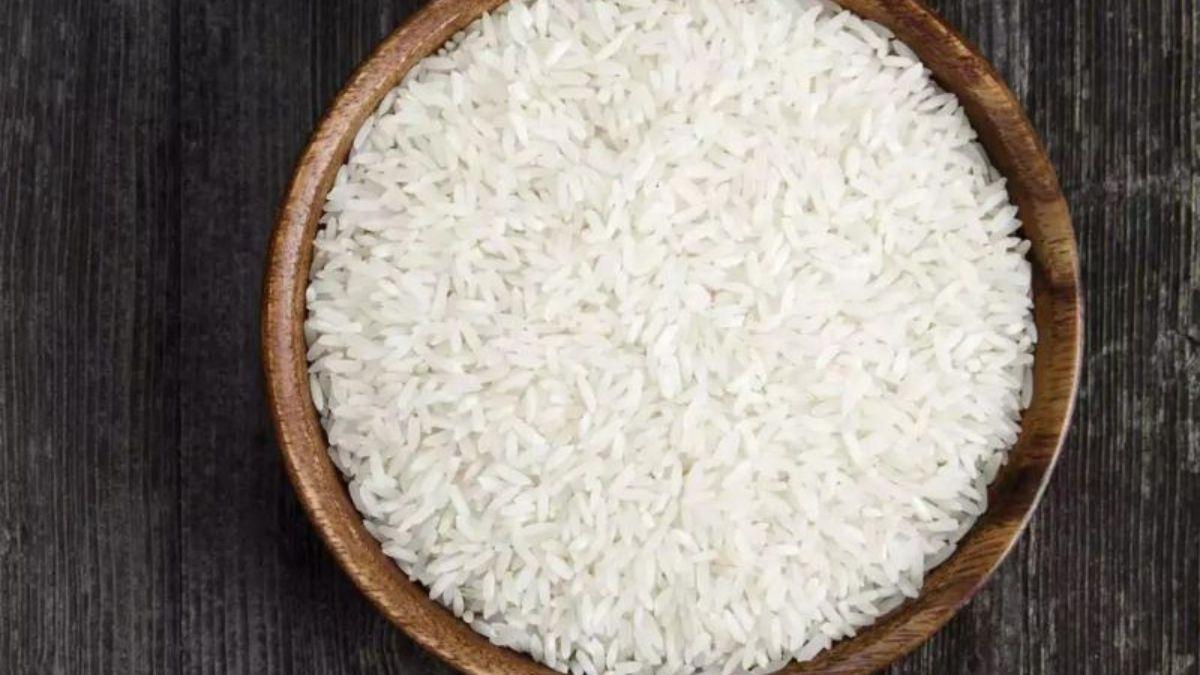
    Non-Basmati rice varieties play a crucial role in both domestic and international markets due to their affordability, nutritional value, and wide culinary use.

    These varieties of rice have no extra-long grain and strong aroma of Basmati, but these grains offer an impressive range of textures, grain sizes, and taste profiles, making them suitable for everyday meals, food service, and industrial food applications.
    Some of the most important Indian Non-Basmati rice varieties include:

    • Sugandha Rice – Known for its subtle aroma and long grains, a popular choice for biryani and pulao.

    • Sharbati Rice – Budget-friendly long-grain rice widely used in households and restaurants.

    • PR 11 & PR 14 Rice – Highly demanded in bulk markets due to good cooking quality and excellent grain yield.

    • Parmal Rice – Medium-grain rice suitable for steamed rice, thalis, tiffin meals, and ready-to-cook products.

    • Sona Masoori Rice – Lightweight, soft-textured rice preferred in South Indian and Asian cuisines.

    Some of the long grain non basmati rice varieties are available in 25% broken form. These are in demand across major countries as Africa, Southeast Asia, and the Middle East, where affordability, softness, and versatility are key buying factors. With strong supply capabilities and competitive pricing, Indian Non Basmati Rice Traders have a strong network of supporting distributors, wholesalers, and food manufacturers worldwide.

    https://www.amoliinternational.com/indian-non-basmati-rice-traders.html

    #nonbasmatirice #indianrice #riceexport #ricevarieties #sonamasoori #sharbati #sugandharice #pr11rice
    What are the most important types of Non-Basmati Rice? Non-Basmati rice varieties play a crucial role in both domestic and international markets due to their affordability, nutritional value, and wide culinary use. These varieties of rice have no extra-long grain and strong aroma of Basmati, but these grains offer an impressive range of textures, grain sizes, and taste profiles, making them suitable for everyday meals, food service, and industrial food applications. Some of the most important Indian Non-Basmati rice varieties include: • Sugandha Rice – Known for its subtle aroma and long grains, a popular choice for biryani and pulao. • Sharbati Rice – Budget-friendly long-grain rice widely used in households and restaurants. • PR 11 & PR 14 Rice – Highly demanded in bulk markets due to good cooking quality and excellent grain yield. • Parmal Rice – Medium-grain rice suitable for steamed rice, thalis, tiffin meals, and ready-to-cook products. • Sona Masoori Rice – Lightweight, soft-textured rice preferred in South Indian and Asian cuisines. Some of the long grain non basmati rice varieties are available in 25% broken form. These are in demand across major countries as Africa, Southeast Asia, and the Middle East, where affordability, softness, and versatility are key buying factors. With strong supply capabilities and competitive pricing, Indian Non Basmati Rice Traders have a strong network of supporting distributors, wholesalers, and food manufacturers worldwide. https://www.amoliinternational.com/indian-non-basmati-rice-traders.html #nonbasmatirice #indianrice #riceexport #ricevarieties #sonamasoori #sharbati #sugandharice #pr11rice
    0 Comments 0 Shares 991 Views 0 Reviews
  • Discover Cambodia | Top Tourist Spots & How to Apply for Your Cambodia eVisa Easily
    Dreaming of exploring Cambodia’s breathtaking temples, golden beaches, and rich culture?
    Getting your Cambodia eVisa is the first step to an unforgettable adventure! Apply online in just a few minutes and skip the embassy lines. Visit iconic destinations like Angkor Wat in Siem Reap, Phnom Penh’s Royal Palace, and the stunning islands of Koh Rong with ease.
    The Cambodia eVisa makes travel smoother, faster, and stress-free — perfect for modern travelers who value convenience and adventure.
    Apply now at the eVisa portal: https://www.evisagov.co/official/en/
    Pack your bags, grab your eVisa, and get ready to experience the heart of Southeast Asia!
    #CambodiaeVisa #VisitCambodia #ExploreCambodia #AngkorWat #SiemReap
    Discover Cambodia | Top Tourist Spots & How to Apply for Your Cambodia eVisa Easily Dreaming of exploring Cambodia’s breathtaking temples, golden beaches, and rich culture? 🌴✨ Getting your Cambodia eVisa is the first step to an unforgettable adventure! Apply online in just a few minutes and skip the embassy lines. Visit iconic destinations like Angkor Wat in Siem Reap, Phnom Penh’s Royal Palace, and the stunning islands of Koh Rong with ease. The Cambodia eVisa makes travel smoother, faster, and stress-free — perfect for modern travelers who value convenience and adventure. 👉 Apply now at the eVisa portal: https://www.evisagov.co/official/en/ ✨ Pack your bags, grab your eVisa, and get ready to experience the heart of Southeast Asia! #CambodiaeVisa #VisitCambodia #ExploreCambodia #AngkorWat #SiemReap
    Love
    1
    0 Comments 0 Shares 430 Views 5 0 Reviews
  • Is IR64 Parboiled Rice a good choice for bulk importers?

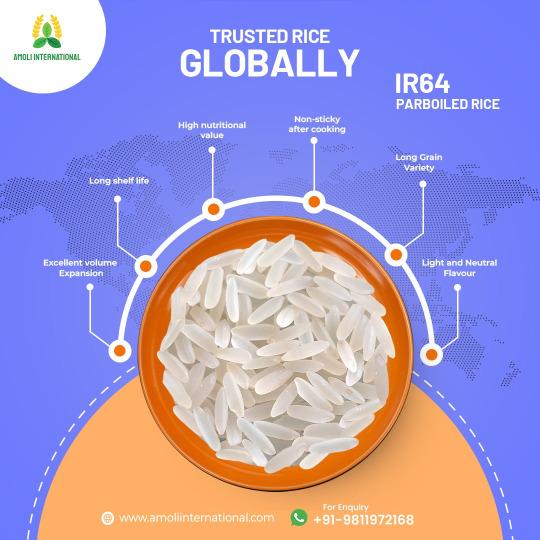
    IR64 Parboiled Rice is one of the most reliable and cost-effective long-grain rice varieties for large-scale buyers. It has excellent volume expansion, long grains, non-sticky texture, and a neutral flavour, making it extremely versatile for everyday meals and industrial applications.

    Because it is parboiled, IR64 retains more nutrients compared to raw rice, and it cooks quickly while maintaining a firm structure. This makes it suitable for household consumption, restaurants, mess halls, and food manufacturers. Importers appreciate its stable pricing, abundant supply, and multiple grade options, including 5%, 10%, and 25% broken.

    Indian suppliers offer IR64 Parboiled rice in export-compliant bags, with fumigation and phytosanitary clearance. The rice remains shelf-stable for long durations, even in humid climates.

    For traders and distributors, IR64 is a dependable product that ensures high turnover and steady demand, especially in African and Southeast Asian markets where affordability and consistency matter most.

    https://www.amoliinternational.com/indian-non-basmati-rice-traders.html

    #ir64rice #ir64parboiled #nonbasmatirice #riceexport #bulkimporters #agrocommodity #indianriceexport #riceforsale #globalricetrade
    Is IR64 Parboiled Rice a good choice for bulk importers? IR64 Parboiled Rice is one of the most reliable and cost-effective long-grain rice varieties for large-scale buyers. It has excellent volume expansion, long grains, non-sticky texture, and a neutral flavour, making it extremely versatile for everyday meals and industrial applications. Because it is parboiled, IR64 retains more nutrients compared to raw rice, and it cooks quickly while maintaining a firm structure. This makes it suitable for household consumption, restaurants, mess halls, and food manufacturers. Importers appreciate its stable pricing, abundant supply, and multiple grade options, including 5%, 10%, and 25% broken. Indian suppliers offer IR64 Parboiled rice in export-compliant bags, with fumigation and phytosanitary clearance. The rice remains shelf-stable for long durations, even in humid climates. For traders and distributors, IR64 is a dependable product that ensures high turnover and steady demand, especially in African and Southeast Asian markets where affordability and consistency matter most. https://www.amoliinternational.com/indian-non-basmati-rice-traders.html #ir64rice #ir64parboiled #nonbasmatirice #riceexport #bulkimporters #agrocommodity #indianriceexport #riceforsale #globalricetrade
    0 Comments 0 Shares 591 Views 0 Reviews
  • Regional Insights Driving the Expansion of the Bandage Contact Lenses Market


    The Bandage Contact Lenses Market is shaped significantly by diverse regional factors that influence adoption rates, availability, and technological advancements. In North America, the market is strongly driven by the high volume of refractive and corneal surgeries, along with well-established clinical infrastructures that encourage the use of therapeutic lenses for postoperative care. Increased awareness among patients regarding advanced healing solutions has also strengthened regional market performance. In Europe, the demand for bandage lenses rises due to widespread adoption of innovative ophthalmic devices, established regulatory frameworks, and robust optometry practices that emphasize corneal health preservation. Meanwhile, the Asia-Pacific region is experiencing rapid growth fueled by large populations, rising incidences of eye injuries, and increasing accessibility of eye care services in emerging economies. The rise in outpatient procedures in countries like India, China, and South Korea contributes significantly to the expanding patient base requiring therapeutic lenses for healing and postoperative support. Each region demonstrates unique growth patterns based on clinical needs, government healthcare initiatives, and technological integration, creating a dynamic global landscape for therapeutic lens adoption.

    Get Full Reports:https://www.marketresearchfuture.com/reports/bandage-contact-lenses-market-43129

    Additionally, demographic trends such as aging populations, prevalent dry eye conditions, and rising screen usage are influencing regional demands in varied ways. For instance, regions with higher exposure to dusty or polluted environments see greater use of bandage lenses for protective purposes. In areas where elective eye surgeries are growing rapidly, such as Southeast Asia, the requirement for postoperative healing tools has become a central driver of market adoption. Latin America and the Middle East are also emerging as regions with rising demand due to the expansion of healthcare facilities and increasing focus on vision correction procedures. As global eye care accessibility improves, manufacturers are tailoring product availability, thickness variations, and comfort-enhancing features to match regional climate conditions and patient preferences. These regional insights emphasize the market’s diverse expansion pathways, which are elaborated further in the comprehensive Bandage Contact Lenses Market region
    report.

    FAQs
    1. Why does regional variation matter in this market?

    Different regions have diverse surgical rates, environmental conditions, and healthcare infrastructures that influence demand for bandage lenses.

    2. Which region shows the fastest growth?

    Asia-Pacific is among the fastest-growing regions due to increasing surgeries and expanding access to eye care.

    3. Are climatic conditions linked to bandage lens demand?

    Yes. Regions with dry, polluted, or harsh environments see higher usage for eye protection and healing.

    4. Do product features differ by region?

    In some markets, manufacturers offer moisture-rich, high-oxygen lenses tailored to local needs.
    Regional Insights Driving the Expansion of the Bandage Contact Lenses Market The Bandage Contact Lenses Market is shaped significantly by diverse regional factors that influence adoption rates, availability, and technological advancements. In North America, the market is strongly driven by the high volume of refractive and corneal surgeries, along with well-established clinical infrastructures that encourage the use of therapeutic lenses for postoperative care. Increased awareness among patients regarding advanced healing solutions has also strengthened regional market performance. In Europe, the demand for bandage lenses rises due to widespread adoption of innovative ophthalmic devices, established regulatory frameworks, and robust optometry practices that emphasize corneal health preservation. Meanwhile, the Asia-Pacific region is experiencing rapid growth fueled by large populations, rising incidences of eye injuries, and increasing accessibility of eye care services in emerging economies. The rise in outpatient procedures in countries like India, China, and South Korea contributes significantly to the expanding patient base requiring therapeutic lenses for healing and postoperative support. Each region demonstrates unique growth patterns based on clinical needs, government healthcare initiatives, and technological integration, creating a dynamic global landscape for therapeutic lens adoption. Get Full Reports:https://www.marketresearchfuture.com/reports/bandage-contact-lenses-market-43129 Additionally, demographic trends such as aging populations, prevalent dry eye conditions, and rising screen usage are influencing regional demands in varied ways. For instance, regions with higher exposure to dusty or polluted environments see greater use of bandage lenses for protective purposes. In areas where elective eye surgeries are growing rapidly, such as Southeast Asia, the requirement for postoperative healing tools has become a central driver of market adoption. Latin America and the Middle East are also emerging as regions with rising demand due to the expansion of healthcare facilities and increasing focus on vision correction procedures. As global eye care accessibility improves, manufacturers are tailoring product availability, thickness variations, and comfort-enhancing features to match regional climate conditions and patient preferences. These regional insights emphasize the market’s diverse expansion pathways, which are elaborated further in the comprehensive Bandage Contact Lenses Market region report. FAQs 1. Why does regional variation matter in this market? Different regions have diverse surgical rates, environmental conditions, and healthcare infrastructures that influence demand for bandage lenses. 2. Which region shows the fastest growth? Asia-Pacific is among the fastest-growing regions due to increasing surgeries and expanding access to eye care. 3. Are climatic conditions linked to bandage lens demand? Yes. Regions with dry, polluted, or harsh environments see higher usage for eye protection and healing. 4. Do product features differ by region? In some markets, manufacturers offer moisture-rich, high-oxygen lenses tailored to local needs.
    WWW.MARKETRESEARCHFUTURE.COM
    Bariatric Transport Wheelchairs Market Size, Trends 2035
    Bandage Contact Lenses Market growth is projected to reach 5.0 USD billion, at a 6.98% CAGR by driving industry size, share, top company analysis, segments research, trends and forecast report 2025 to 2035.
    0 Comments 0 Shares 936 Views 0 Reviews
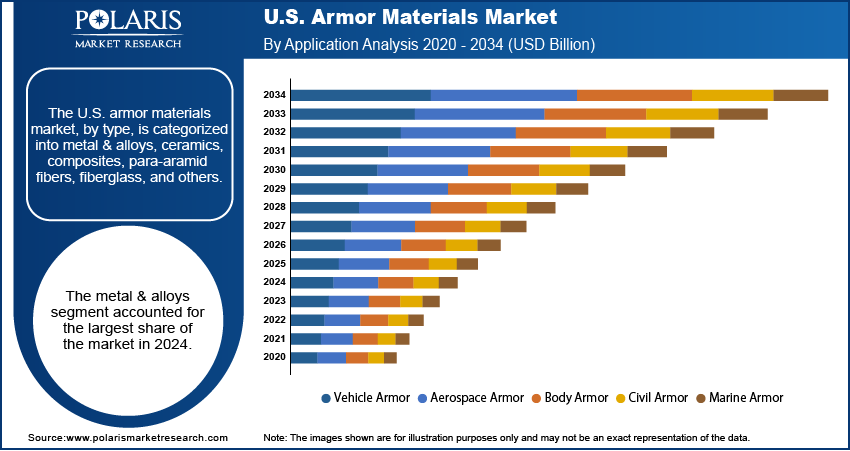
  • The U.S. armor materials market is valued at USD 4.55 billion in 2024 and is projected to grow at a CAGR of 7.0 % from 2025 to 2034, according to Polaris Market Research. That steady baseline underlines how the U.S. plays a central role in global armor materials demand, but assessing strategic opportunity requires positioning the U.S. in relation to developments in Europe, Asia Pacific, and other regional corridors. In North America more broadly, U.S. demand is bolstered by defense modernization, homeland security investments, law enforcement procurement, and industry-led R&D in materials such as ceramics, composites, and advanced alloys. Canada and Mexico, while smaller in scale, contribute through cross-border supply and defense industrial cooperation, forming a contiguous North American manufacturing zone. The region is also distinguished by strong regulatory norms for certification, high performance expectations, and mature supply chains. In Europe, procurement frameworks (NATO alignments, EU defense cooperation, national budgets) exert outsized influence. European nations often require armor material certification to European ballistic and safety standards, which can differ from U.S. MIL‐STD or NIJ protocols. Thus, U.S. exporters of armor materials must adapt to cross-border compliance, regional manufacturing trends (establishing EU fabrication or finishing plants), and import duties or trade compliance demands. Meanwhile, in Asia Pacific the pace of adoption is fastest, driven by rising defense allocations in China, India, South Korea, and Southeast Asia. Many governments in APAC are pushing for domestic sourcing, local content or offsets, and the establishment of regional composite or ceramic processing hubs to reduce dependency on imports. Those shifts force armor material vendors to rework cross-border supply chains, invest in local assembly or finishing, and tailor market penetration strategies regionally.
    Drivers of demand differ in emphasis across these regions. In the U.S., the driver is strong defense budgets, continuous fleet upgrades, and research into lighter, higher-performance solutions (e.g. hybrid ceramics and composite layering). In Europe, drivers include mandates for indigenous defense capacity, emphasis on modular armor systems, and the need to replace aging Cold War era platforms. In Asia Pacific, the driver is sheer growth in procurement alongside geopolitical pressure to localize critical capabilities. Restraints also vary regionally: U.S. and Europe both face high raw material costs, certification complexity, and long technology qualification cycles. Asia Pacific, particularly emerging markets, struggle with inconsistent quality standards, import restrictions, and limited infrastructure for finishing or quality control. Additionally, supply constraints in advanced ceramics, specialty fibers, or rare components (e.g. boron carbide or ultra-high modulus fibers) can bottleneck output globally, and these constraints are felt acutely in import-reliant geographies.
    Read More @ https://www.polarismarketresearch.com/industry-analysis/us-armor-materials-market

    Opportunities lie in regional manufacturing trends and territorial deployment strategies. U.S.-based material firms can invest in satellite finishing or machining plants in Europe or Asia to mitigate import tariffs and accept regional content mandates. They can also reconfigure cross-border supply chains to ship “semi-finished blanks” to regional hubs rather than complete modules. Market penetration strategies should include licensing, joint ventures, or offset partnerships in strategic defense markets (India, Indonesia, Middle East). Further, bundled solutions (material + design + certification support) offer value to defense integrators reluctant to adopt new materials without performance guarantees. Trends emerging include vertical integration from raw fiber or ceramic precursor production to module-level armor, consolidation by larger materials firms acquiring niche composite or ceramic developers, and the rise of smart or adaptive armor materials (embedded sensors, active stiffening layers) as next-gen differentiation.
    Within the U.S. region, material providers must embed stronger logistics, maintain qualification labs, and forge closer integration with defense primes who bundle modules or integrate complete armor systems. In Europe, providers often adopt European finishing, regional certification labs, and local partnerships to satisfy regional procurement mandates.



    The U.S. armor materials market is valued at USD 4.55 billion in 2024 and is projected to grow at a CAGR of 7.0 % from 2025 to 2034, according to Polaris Market Research. That steady baseline underlines how the U.S. plays a central role in global armor materials demand, but assessing strategic opportunity requires positioning the U.S. in relation to developments in Europe, Asia Pacific, and other regional corridors. In North America more broadly, U.S. demand is bolstered by defense modernization, homeland security investments, law enforcement procurement, and industry-led R&D in materials such as ceramics, composites, and advanced alloys. Canada and Mexico, while smaller in scale, contribute through cross-border supply and defense industrial cooperation, forming a contiguous North American manufacturing zone. The region is also distinguished by strong regulatory norms for certification, high performance expectations, and mature supply chains. In Europe, procurement frameworks (NATO alignments, EU defense cooperation, national budgets) exert outsized influence. European nations often require armor material certification to European ballistic and safety standards, which can differ from U.S. MIL‐STD or NIJ protocols. Thus, U.S. exporters of armor materials must adapt to cross-border compliance, regional manufacturing trends (establishing EU fabrication or finishing plants), and import duties or trade compliance demands. Meanwhile, in Asia Pacific the pace of adoption is fastest, driven by rising defense allocations in China, India, South Korea, and Southeast Asia. Many governments in APAC are pushing for domestic sourcing, local content or offsets, and the establishment of regional composite or ceramic processing hubs to reduce dependency on imports. Those shifts force armor material vendors to rework cross-border supply chains, invest in local assembly or finishing, and tailor market penetration strategies regionally. Drivers of demand differ in emphasis across these regions. In the U.S., the driver is strong defense budgets, continuous fleet upgrades, and research into lighter, higher-performance solutions (e.g. hybrid ceramics and composite layering). In Europe, drivers include mandates for indigenous defense capacity, emphasis on modular armor systems, and the need to replace aging Cold War era platforms. In Asia Pacific, the driver is sheer growth in procurement alongside geopolitical pressure to localize critical capabilities. Restraints also vary regionally: U.S. and Europe both face high raw material costs, certification complexity, and long technology qualification cycles. Asia Pacific, particularly emerging markets, struggle with inconsistent quality standards, import restrictions, and limited infrastructure for finishing or quality control. Additionally, supply constraints in advanced ceramics, specialty fibers, or rare components (e.g. boron carbide or ultra-high modulus fibers) can bottleneck output globally, and these constraints are felt acutely in import-reliant geographies. Read More @ https://www.polarismarketresearch.com/industry-analysis/us-armor-materials-market Opportunities lie in regional manufacturing trends and territorial deployment strategies. U.S.-based material firms can invest in satellite finishing or machining plants in Europe or Asia to mitigate import tariffs and accept regional content mandates. They can also reconfigure cross-border supply chains to ship “semi-finished blanks” to regional hubs rather than complete modules. Market penetration strategies should include licensing, joint ventures, or offset partnerships in strategic defense markets (India, Indonesia, Middle East). Further, bundled solutions (material + design + certification support) offer value to defense integrators reluctant to adopt new materials without performance guarantees. Trends emerging include vertical integration from raw fiber or ceramic precursor production to module-level armor, consolidation by larger materials firms acquiring niche composite or ceramic developers, and the rise of smart or adaptive armor materials (embedded sensors, active stiffening layers) as next-gen differentiation. Within the U.S. region, material providers must embed stronger logistics, maintain qualification labs, and forge closer integration with defense primes who bundle modules or integrate complete armor systems. In Europe, providers often adopt European finishing, regional certification labs, and local partnerships to satisfy regional procurement mandates.
    WWW.POLARISMARKETRESEARCH.COM
    U.S. Armor Materials Market Size, Share, Growth | Trends, 2034
    U.S. Armor Materials Market size was estimated at USD 4.55 billion in 2024 and is anticipated to grow at a CAGR of 7.0% from 2025 to 2034.
    0 Comments 0 Shares 1K Views 0 Reviews
  • Bhringraj (Eclipta alba) is an herb native to India and other parts of Southeast Asia.

    More : https://www.theyoungchemist.com/detail/bhringraj-extract.html
    Bhringraj (Eclipta alba) is an herb native to India and other parts of Southeast Asia. More : https://www.theyoungchemist.com/detail/bhringraj-extract.html
    0 Comments 0 Shares 317 Views 0 Reviews