


Non-dairy Whipping Agents Market Overview Supporting Sustainable Food Solutions
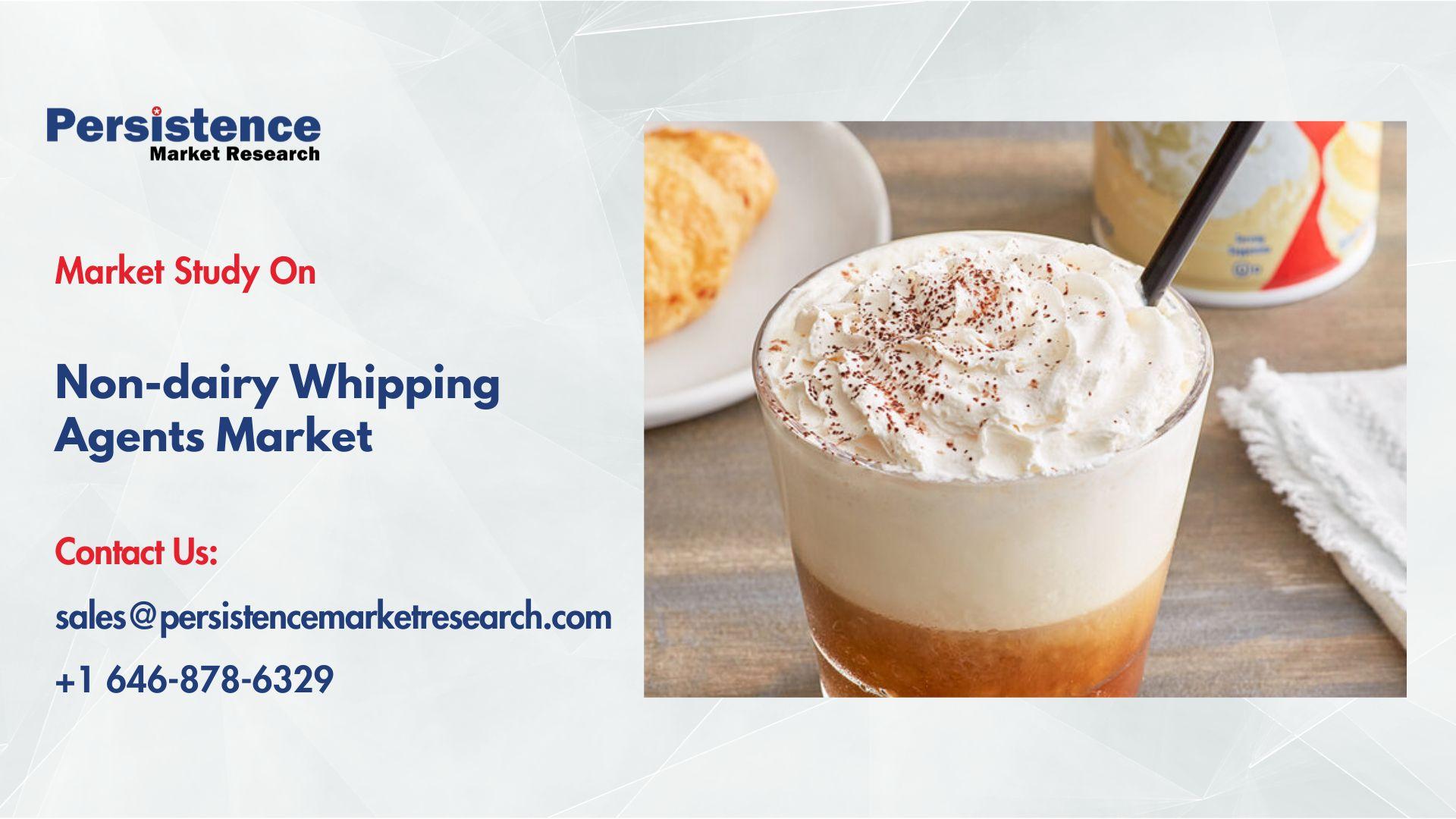
The global non-dairy whipping agents market is poised for robust expansion over the coming years, driven by evolving consumer preferences, rapid growth in the foodservice sector, and continuous innovation in food ingredient formulations. According to industry estimates, the global non-dairy whipping agents market size is projected to grow from US$ 207.3 million in 2026 to reach approximately US$ 362.2 million by 2033. This growth trajectory represents a compound annual growth rate (CAGR) of 8.3% during the forecast period from 2026 to 2033, underscoring the increasing commercial relevance of non-dairy alternatives in both developed and emerging economies.
Non-dairy whipping agents are widely used in bakery, confectionery, beverages, and dessert applications as substitutes for traditional dairy-based whipping cream. Their advantages—including extended shelf life, consistent whipping performance, cost efficiency, and suitability for lactose-intolerant and vegan consumers—are central to their growing adoption. Market growth is further supported by the rapid expansion of quick-service restaurants, cafes, and industrial bakeries, where non-dairy whipping agents provide operational efficiency and product consistency at scale.
Additional growth drivers include the rising global vegan population, heightened awareness of lactose intolerance, and increasing demand for plant-based and clean-label food products. Manufacturers are also responding to consumer expectations for improved texture, taste, and nutritional profiles, fueling ongoing product development and innovation across the value chain.
Get Your FREE Sample Report Instantly – Click Now: https://www.persistencemarketresearch.com/samples/25918
Segmentation Analysis
By Type
By type, the global non-dairy whipping agents market is segmented into powdered non-dairy whipping agents and liquid non-dairy whipping agents. Powdered non-dairy whipping agents currently account for a significant share of the market, largely due to their longer shelf life, ease of transportation, and cost advantages. These attributes make powdered variants particularly attractive for large-scale food manufacturers and distributors operating across diverse geographies.
Liquid non-dairy whipping agents, however, are anticipated to register the fastest growth rate during the forecast period. Their increasing adoption is attributed to superior whipping performance, smoother texture, and closer sensory resemblance to traditional dairy cream. Liquid formats are especially favored by premium bakeries, cafes, and foodservice operators seeking high-quality presentation and mouthfeel in desserts and beverages. Ongoing improvements in cold-chain logistics and packaging technologies are further supporting the penetration of liquid non-dairy whipping agents in both mature and emerging markets.
By Vehicle/Product/Service Type
From a product application perspective, the market is segmented into bakery products, confectionery, beverages, frozen desserts, and others. Bakery products represent the dominant application segment, driven by extensive usage of non-dairy whipping agents in cakes, pastries, mousses, and fillings. Industrial bakeries value these agents for their stability, predictable whipping volumes, and compatibility with automated production processes.
The beverages segment is witnessing accelerated growth, particularly in specialty coffee, milkshakes, and ready-to-drink desserts. The rise of café culture, especially in urban centers, has increased demand for non-dairy whipping agents that can deliver consistent foam and creaminess without dairy-based limitations. Frozen desserts and confectionery applications are also gaining traction, supported by innovations that improve freeze-thaw stability and texture retention.
By Technology/Channel
In terms of production technology and distribution channels, advancements in emulsification, spray-drying, and fat-structuring technologies are playing a critical role in product differentiation. Direct sales to food manufacturers remain the primary distribution channel, while indirect channels—including specialty ingredient distributors and online B2B platforms—are expanding rapidly. Digital procurement platforms are increasingly being adopted to streamline sourcing, improve supply chain transparency, and enable faster market access for both established and emerging brands.
Need Tailored Insights? Request Customization Now: https://www.persistencemarketresearch.com/request-customization/25918
Regional Insights
Regionally, the global non-dairy whipping agents market is segmented into North America, Europe, Asia Pacific, Latin America, and the Middle East & Africa. Europe currently leads the global market, supported by high consumption of bakery and confectionery products, strong demand for plant-based food alternatives, and well-established food processing industries. Regulatory emphasis on food safety, labeling transparency, and quality standards has further encouraged the adoption of standardized non-dairy whipping solutions across the region.
North America represents another major market, driven by growing vegan and flexitarian populations, widespread lactose intolerance awareness, and rapid innovation in foodservice offerings. The presence of multinational bakery chains and coffee franchises has significantly contributed to sustained demand for high-performance non-dairy whipping agents.
Asia Pacific is expected to be the fastest-growing regional market during the forecast period. Rapid urbanization, rising disposable incomes, and westernization of dietary habits are fueling demand for bakery and dessert products across countries such as China, India, Japan, and Southeast Asian nations. Additionally, the expansion of international café chains and local bakery brands is creating substantial opportunities for non-dairy whipping agent manufacturers. Improvements in cold-chain infrastructure and increased investment in food processing capabilities are further enhancing regional growth prospects.
Unique Features and Innovations in the Market
Modern non-dairy whipping agents are increasingly differentiated by advanced formulation technologies that enhance stability, texture, and sensory appeal. Manufacturers are leveraging innovative fat blends, plant-based proteins, and multifunctional emulsifiers to replicate the creamy mouthfeel of dairy while maintaining functional superiority. Clean-label formulations, reduced trans-fat content, and allergen-free profiles are becoming critical differentiators in a competitive market landscape.
Technological advancements such as artificial intelligence (AI) and data analytics are being applied across product development and manufacturing processes. AI-driven formulation modeling enables faster optimization of ingredient combinations, ensuring consistent quality and performance across batches. Internet of Things (IoT) technologies are enhancing quality control and process monitoring in production facilities, reducing wastage and improving operational efficiency. While 5G-enabled connectivity is still in early stages of adoption within the food ingredient sector, it is expected to support real-time data exchange and automation in smart manufacturing environments over the long term.
Market Highlights
The adoption of non-dairy whipping agents is being driven by several compelling market dynamics. Cost efficiency remains a key factor, as non-dairy alternatives often offer lower and more stable pricing compared to dairy cream, which is subject to fluctuations in milk supply and seasonal variability. Extended shelf life and reduced storage constraints also make non-dairy whipping agents attractive to both manufacturers and foodservice operators.
Sustainability considerations are increasingly influencing purchasing decisions across the food industry. Non-dairy whipping agents, particularly those based on plant-derived fats and proteins, align with corporate sustainability goals by reducing reliance on animal agriculture and lowering environmental footprints. Regulatory frameworks promoting transparency in ingredient labeling and nutritional disclosure are further supporting the shift toward standardized, plant-based whipping solutions.
Secure Your Full Report – Proceed to Checkout: https://www.persistencemarketresearch.com/checkout/25918
Key Players and Competitive Landscape
The global non-dairy whipping agents market is characterized by the presence of both multinational ingredient companies and regional specialty manufacturers, resulting in a moderately competitive landscape. Leading players are focusing on product innovation, strategic partnerships, and geographic expansion to strengthen their market positions.
Prominent companies in the market include Kerry Group, FrieslandCampina Professional, Rich Products Corporation, Puratos Group, and Ingredion Incorporated. Kerry Group continues to leverage its extensive R&D capabilities to develop high-performance, clean-label non-dairy whipping solutions tailored to regional taste preferences. FrieslandCampina Professional focuses on premium applications, combining functional performance with enhanced sensory profiles for bakery and dessert professionals.
Rich Products Corporation is recognized for its strong presence in the foodservice sector, offering a broad portfolio of non-dairy whipping agents designed for consistency and ease of use. Puratos Group emphasizes innovation in bakery and patisserie applications, integrating sustainability and clean-label principles into its product development strategy. Ingredion Incorporated leverages its expertise in starches and texturizers to deliver multifunctional whipping agents that address both performance and nutritional considerations.
Competitive strategies across the market include continuous investment in formulation technologies, expansion into high-growth regions such as Asia Pacific, and collaboration with foodservice operators to co-develop application-specific solutions. Mergers, acquisitions, and capacity expansions are also being pursued to enhance supply chain resilience and accelerate market penetration.
Future Opportunities and Growth Prospects
Looking ahead, the global non-dairy whipping agents market is expected to benefit from sustained demand for plant-based food solutions and continued expansion of the global bakery and foodservice industries. Emerging opportunities lie in the development of fortified and functional non-dairy whipping agents that offer added nutritional benefits such as reduced sugar content, enhanced protein levels, or inclusion of functional fibers.
Evolving technologies will continue to shape the industry, enabling greater customization, improved quality control, and enhanced sustainability across production processes. Regulatory developments promoting healthier formulations and transparent labeling are likely to further accelerate innovation and adoption. As consumer expectations continue to evolve, manufacturers that successfully balance functionality, taste, cost efficiency, and sustainability will be well positioned to capitalize on long-term growth opportunities.
Explore the Latest Trending Research Reports:

 English
 Arabic
 French
 Spanish
 Portuguese
 Deutsch
 Turkish
 Dutch
Dutch
 Italiano
 Romaian
 Portuguese (Brazil)
 Greek
Greek