


Non-Dairy Milk Market Competitive Strategies and Key Company Profiles
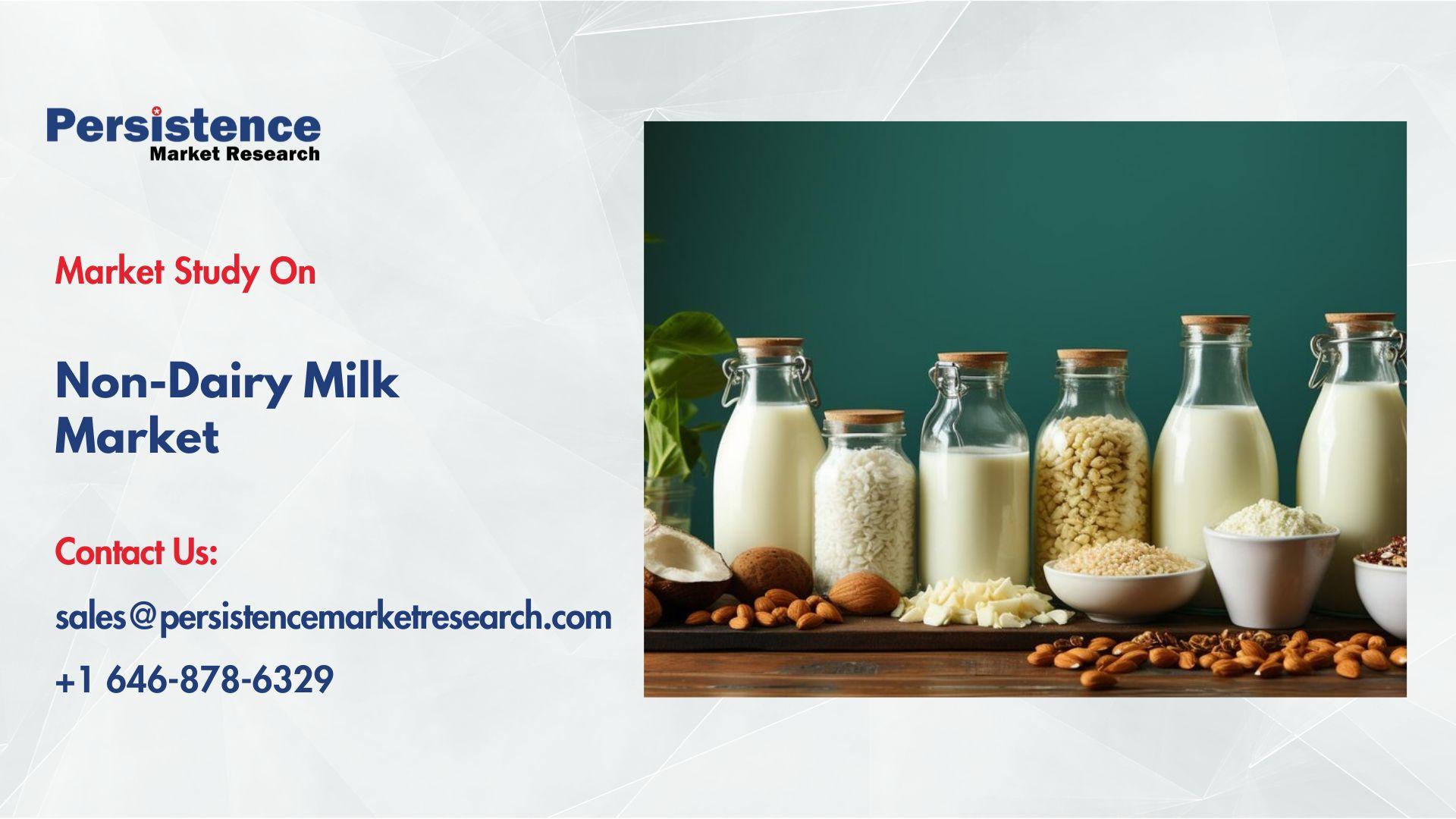
The global non-dairy milk market is undergoing a period of sustained expansion, supported by changing consumer preferences, rising health consciousness, and growing awareness of environmental sustainability. According to recent market assessments, the global non-dairy milk market size is likely to be valued at US$ 25.2 billion in 2026 and is estimated to reach US$ 54.3 billion by 2033, registering a strong compound annual growth rate (CAGR) of 11.6% during the forecast period from 2026 to 2033. This notable growth trajectory underscores the accelerating shift away from conventional dairy products toward plant-based alternatives across both developed and emerging economies.
The market’s expansion is primarily driven by increasing lactose intolerance and milk allergies among the global population, which has prompted consumers to seek digestible and nutritionally comparable alternatives. In addition, rising adoption of vegan and flexitarian diets, supported by ethical concerns related to animal welfare, has significantly influenced purchasing decisions. Environmental considerations, including the lower carbon footprint and reduced water usage associated with plant-based milk production compared to traditional dairy farming, have further strengthened the demand for non-dairy milk products. Moreover, growing disposable incomes and the availability of premium and fortified non-dairy milk variants are enabling consumers to explore a broader range of offerings, contributing to overall market value growth.
Another critical driver is the expanding application of non-dairy milk across multiple end-use sectors. Beyond household consumption, non-dairy milk is increasingly utilized in foodservice, coffee chains, bakeries, confectionery, and ready-to-drink beverages. The compatibility of plant-based milk with specialty coffee and functional beverages has enhanced its penetration in urban markets. Continuous improvements in taste, texture, and nutritional profile have addressed earlier consumer concerns, positioning non-dairy milk as a mainstream alternative rather than a niche substitute.
Get Your FREE Sample Report Instantly – Click Now: https://www.persistencemarketresearch.com/samples/34097
Segmentation Analysis
The global non-dairy milk market is segmented based on type, product/application category, and distribution channel, each contributing uniquely to the market’s growth dynamics and competitive structure.
By Type
Based on type, the market includes soy milk, almond milk, oat milk, rice milk, coconut milk, and other emerging plant-based variants such as cashew, pea, hemp, and flax milk. Among these, almond milk has historically dominated the market due to its wide availability, low calorie content, and strong consumer acceptance in North America and Europe. Soy milk continues to hold a significant share, particularly in Asia-Pacific, owing to its high protein content and long-standing presence in traditional diets.
However, oat milk is expected to be the fastest-growing segment during the forecast period. Its creamy texture, neutral flavor profile, and strong performance in coffee-based beverages have accelerated adoption among cafés and specialty beverage brands. Oat milk’s sustainability credentials, including lower water usage compared to almond milk, are also resonating with environmentally conscious consumers. Meanwhile, coconut and rice milk are gaining traction in specific regional markets and among consumers seeking allergen-free and gluten-free alternatives.
By Product and Application Category
By product and application category, non-dairy milk is widely consumed as a beverage and as an ingredient in food processing, bakery and confectionery, desserts, and functional nutrition products. The beverage segment currently accounts for the largest share of the market, driven by daily consumption patterns and the increasing availability of flavored and fortified variants. The incorporation of vitamins, minerals, calcium, and plant-based proteins has elevated non-dairy milk from a simple substitute to a value-added nutritional product.
The use of non-dairy milk in foodservice and industrial applications is also expanding steadily. Coffee chains, quick-service restaurants, and premium cafés are increasingly offering plant-based milk as a standard option rather than an add-on. In parallel, food manufacturers are integrating non-dairy milk into yogurts, ice creams, sauces, and meal replacement products, thereby broadening the addressable market and supporting volume growth.
By Distribution Channel
In terms of distribution channels, supermarkets and hypermarkets remain the dominant sales platforms due to their extensive product assortment and strong brand visibility. However, online retail and direct-to-consumer channels are witnessing rapid growth, supported by the expansion of e-commerce infrastructure and changing shopping behaviors. Online platforms offer convenience, subscription-based models, and access to niche and premium brands, which is particularly appealing to urban and younger consumers. Specialty health food stores also play a crucial role in introducing innovative and organic non-dairy milk products to health-focused customer segments.
Need Tailored Insights? Request Customization Now: https://www.persistencemarketresearch.com/request-customization/34097
Regional Insights
From a regional perspective, North America currently leads the global non-dairy milk market, supported by high consumer awareness, strong penetration of plant-based diets, and the presence of well-established brands. The United States represents the largest single market, driven by widespread lactose intolerance, robust retail infrastructure, and continuous product innovation. Canada also contributes significantly, with increasing adoption of clean-label and organic non-dairy milk products.
Europe follows closely, with countries such as the United Kingdom, Germany, France, and the Nordic nations exhibiting strong demand. The region’s growth is supported by favorable regulatory frameworks, rising vegan populations, and increasing investments in sustainable food systems. European consumers show a high preference for oat and almond milk, particularly in coffee and breakfast applications.
Asia-Pacific is projected to be the fastest-growing regional market during the forecast period. Rapid urbanization, rising middle-class populations, and increasing health awareness are driving demand across China, India, Japan, and Southeast Asian countries. The region benefits from a strong base of soy consumption, which provides a natural transition to packaged and fortified non-dairy milk products. Additionally, growing concerns about food safety and the influence of Western dietary trends are accelerating market penetration.
Latin America and the Middle East & Africa are emerging markets with considerable growth potential. While current adoption levels remain relatively lower, increasing investments by global players, expanding retail networks, and growing awareness of lactose intolerance are expected to support steady growth in these regions over the coming years.
Unique Features and Innovations in the Market
Modern non-dairy milk solutions are increasingly differentiated by advancements in processing technology, ingredient sourcing, and nutritional enhancement. Manufacturers are focusing on improving mouthfeel, taste, and functional performance to closely replicate or surpass traditional dairy milk. The use of advanced enzymatic processing and fermentation techniques has enabled better flavor development and reduced off-notes associated with plant-based ingredients.
Digital technologies are also playing a transformative role in the market. Artificial intelligence (AI) is being leveraged in product development to optimize formulations, predict consumer preferences, and accelerate innovation cycles. Internet of Things (IoT) solutions are enhancing supply chain transparency, quality control, and traceability, which are critical for maintaining product consistency and meeting regulatory requirements. While 5G technology is not directly involved in production, it supports faster data exchange and real-time analytics across manufacturing and distribution networks, improving operational efficiency.
Sustainability-focused innovations, such as recyclable and biodegradable packaging, water-efficient processing methods, and locally sourced raw materials, are further differentiating leading brands. These features not only reduce environmental impact but also strengthen brand equity among eco-conscious consumers.
Market Highlights
The growing adoption of non-dairy milk is driven by several compelling factors. Health and wellness considerations remain at the forefront, as consumers seek products that align with dietary restrictions and proactive nutrition management. Non-dairy milk products are often perceived as lighter, cholesterol-free, and suitable for digestive health, making them attractive across age groups.
Cost efficiencies and economies of scale are gradually improving the price competitiveness of non-dairy milk relative to conventional dairy products. As production volumes increase and processing technologies mature, manufacturers are better positioned to offer affordable options without compromising quality. Additionally, government initiatives and regulatory support for plant-based and sustainable food systems are creating a favorable business environment.
Sustainability remains a central theme influencing both consumer demand and corporate strategy. The lower greenhouse gas emissions associated with plant-based milk production, combined with reduced land and water usage, align with global climate goals and corporate sustainability commitments. These factors are encouraging foodservice providers, retailers, and institutional buyers to integrate non-dairy milk into their offerings.
Secure Your Full Report – Proceed to Checkout: https://www.persistencemarketresearch.com/checkout/34097
Key Players and Competitive Landscape
The global non-dairy milk market is moderately consolidated, with a mix of established multinational corporations and innovative regional players competing on product quality, brand positioning, and distribution reach. Leading companies continue to invest heavily in research and development, marketing, and strategic partnerships to strengthen their market presence.
Major players such as Danone have leveraged their extensive dairy expertise to build strong plant-based portfolios, focusing on almond, oat, and soy milk variants tailored to regional tastes. The company emphasizes sustainability and nutrition, positioning its products as premium yet accessible alternatives. Blue Diamond Growers remains a key force in the almond milk segment, benefiting from vertical integration and strong sourcing capabilities that ensure consistent quality and supply.
Oatly has emerged as a category-defining brand in oat milk, driven by aggressive marketing, strategic partnerships with coffee chains, and a strong sustainability narrative. Its focus on foodservice channels has played a critical role in mainstreaming oat milk consumption globally. Califia Farms continues to differentiate itself through premium branding, innovative flavors, and barista-focused formulations designed for specialty beverages.
Other notable players, including SunOpta, Ripple Foods, and Alpro, are expanding their portfolios through protein-enriched products, allergen-free formulations, and region-specific innovations. These companies are increasingly focusing on emerging markets and localized production to reduce costs and enhance market responsiveness.
Looking ahead, future opportunities in the non-dairy milk market are expected to arise from continued technological advancements, expansion into untapped regions, and the development of next-generation plant-based ingredients with enhanced nutritional profiles. Regulatory frameworks promoting sustainable agriculture and transparent labeling are likely to further legitimize and standardize the market, benefiting established players with strong compliance capabilities.
As consumer expectations evolve and competition intensifies, the ability to innovate while maintaining affordability and sustainability will be critical in shaping the next phase of growth. The global non-dairy milk market is well-positioned to remain a key component of the broader plant-based food ecosystem, offering long-term growth prospects for stakeholders across the value chain.
Explore the Latest Trending Research Reports:

 English
 Arabic
 French
 Spanish
 Portuguese
 Deutsch
 Turkish
 Dutch
Dutch
 Italiano
 Russian
 Romaian
 Greek
Greek