


What to Look for When Buying a Ceramic Fiber Blanket: A Buyer’s Checklist
Introduction to Ceramic Fiber Blankets
Buying a ceramic fiber blanket is not just another procurement decision, as the energy efficiency, safety, and long-term operating cost depend largely on it. Whether lining an industrial furnace or upgrading insulation in a high-temperature environment, the right choice can make all the difference. Think of it as choosing winter clothing against extreme cold; the wrong material may look fine, but fail under those conditions.
The following buyer's checklist will take you through what you need to know, in a practical, easy-to-understand way, before buying ceramic insulation blankets.
What Is a Ceramic Fiber Blanket?
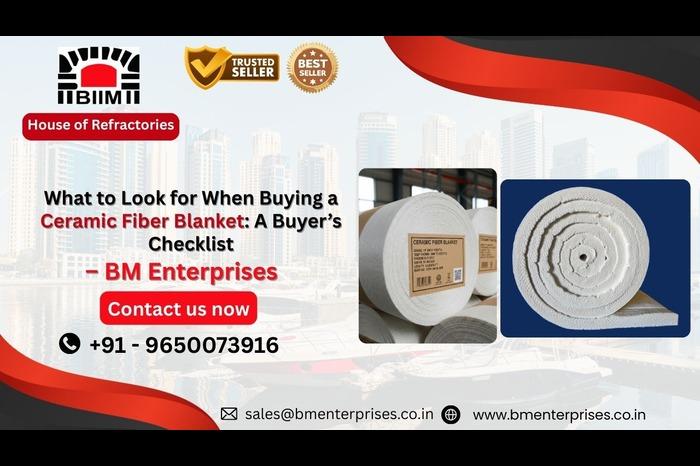
The ceramic fiber blanket is a lightweight, flexible insulation material manufactured from alumina-silica fibers. In fact, it is designed to bear extremely high temperatures while ensuring minimal heat loss. Due to its low thermal conductivity and excellent resistance to high temperatures, the material has become a preferred insulation solution across industries.

Why Ceramic Fiber Blankets Are Widely Used
The popularity of ceramic fiber blankets can be explained by the combination of high performance and ease of installation. Unlike conventional refractory bricks, these blankets are flexible, light, and adaptable, hence widely applied in modern industrial applications where efficiency and speed are extremely important.
Understanding Your Application Requirements
Before comparing various products or their prices, the first step is understanding where and how the ceramic fiber blanket will be used.
Operating Conditions - Temperature Range
Every ceramic fiber blanket has a maximum service temperature. Operating a blanket above its rated limit is akin to running an automobile engine above the redline-it might survive briefly, but failure is sure to occur. Always match the blanket's operating condition to its temperature rating.
Industrial vs Commercial Use Cases
Not all applications are created equal. Industrial environments typically demand higher-grade materials than commercial setups.
Furnace, Kiln, and Boiler Applications
In furnaces and kilns, ceramic fiber blankets must handle continuous exposure to extreme heat, thermal cycling, and mechanical stress.
Power Plants and Petrochemical Industries
These environments require insulation materials that can resist not just heat, but also chemical exposure and vibration.
Key Technical Specifications to Check
Specifications are not just technical jargon—they are your roadmap to performance and reliability.
Maximum Service Temperature
Common temperature ratings include 1260°C, 1400°C, and 1600°C. Selecting the right grade ensures safety and longevity.
Density and Thickness Options
Density and thickness directly affect insulation efficiency and durability.
How Density Impacts Insulation Performance
Higher-density blankets offer better mechanical strength and resistance to airflow, while lower-density options provide excellent thermal insulation at a lighter weight.
Choosing the Right Thickness
Thicker blankets provide better insulation but may increase costs and installation complexity. Balance is key.
Thermal Conductivity and Heat Retention
Why Low Thermal Conductivity Matters
Low thermal conductivity means less heat escapes. This translates into reduced energy consumption and lower operating costs—an advantage that pays off month after month.
Energy Efficiency Benefits
By minimizing heat loss, ceramic insulation blankets help stabilize process temperatures and improve overall system efficiency.
Material Composition and Fiber Quality
Alumina and Silica Content
High-quality ceramic fiber blankets have a balanced composition of alumina and silica, ensuring thermal stability and strength at elevated temperatures.
Shot Content and Fiber Uniformity
Lower shot content means better insulation performance and easier handling. Uniform fibers ensure consistent quality throughout the blanket.
Mechanical Strength and Flexibility
Tensile Strength Considerations
A good ceramic fiber blanket should resist tearing during installation and maintenance. Strong fibers reduce downtime and material waste.
Ease of Installation and Handling
Flexible blankets are easier to cut, shape, and install—saving time and labor costs on-site.
Chemical Resistance and Durability
Resistance to Acids, Alkalis, and Gases
Industrial environments often expose insulation to corrosive substances. A durable ceramic fiber blanket resists chemical attack and maintains performance over time.
Performance in Harsh Environments
From high humidity to fluctuating temperatures, durability ensures long-term reliability.
Compliance with Industry Standards
ISO and ASTM Certifications
Certifications are not optional—they are proof of consistent quality and safety.
Importance of Quality Assurance
Reliable manufacturers implement strict quality control processes, ensuring each batch meets industry benchmarks.
Safety and Environmental Factors
Health and Safety Compliance
Modern ceramic fiber blankets are designed to meet health and safety guidelines, reducing risks during handling and installation.
Eco-Friendly Manufacturing Practices
Sustainable manufacturing is becoming increasingly important. Responsible suppliers focus on minimizing environmental impact.
Choosing the Right Supplier
Ceramic Fiber Blankets Manufacturer in India
Working with an experienced ceramic fiber blanket manufacturer in India ensures access to technically sound products tailored to local industrial needs.
Ceramic Fiber Blankets Dealer in India
Authorized dealers provide quick availability, technical guidance, and after-sales support.
Why Local Expertise Matters
Local suppliers understand regional operating conditions, compliance requirements, and logistics challenges—making procurement smoother.
Cost vs Performance Evaluation
Avoiding the Cheapest Option Trap
Low-cost products may save money upfront, but often lead to higher energy losses and frequent replacements.
Long-Term Cost Savings
Investing in quality ceramic insulation blankets results in lower maintenance, improved efficiency, and reduced downtime.
Customization and Availability
Standard Sizes vs Custom Solutions
Some applications require custom thicknesses or dimensions. A flexible supplier can meet these needs efficiently.
Lead Time and Supply Reliability
Consistent availability is critical for large projects and ongoing maintenance schedules.
Why Choose BM Enterprises
BM Enterprises is into the supply of high-quality ceramic fiber blankets with technical expertise and customer-oriented service.
The most trusted name in the Country for Ceramic Fiber Blankets is BM Enterprises.
Having a good reputation in the dealing of ceramic fiber blankets from India, BM Enterprises offers dependable insulation solutions to a wide range of industries.
Conclusion
Choosing the right ceramic fiber blanket is about more than ticking boxes—it’s about ensuring safety, efficiency, and long-term value. By evaluating temperature ratings, material quality, certifications, and supplier credibility, you can make an informed decision that benefits your operation for years to come. Think of this checklist as your roadmap to smarter insulation choices, with BM Enterprises as your trusted partner in quality and performance.
Frequently Asked Questions (FAQs)
Q1: What is the ideal temperature rating for ceramic fiber blankets?
Ans. The ideal rating depends on your application, but common grades range from 1260°C to 1600°C.
Q2: Are ceramic fiber blankets suitable for continuous operation?
Ans. Yes, high-quality ceramic fiber blankets are designed for continuous high-temperature exposure.
Q3: How do I choose the right thickness?
Ans. Thickness depends on insulation requirements, available space, and energy efficiency goals.
Q4: Why buy from a ceramic fiber blanket manufacturer in India?
Ans. Local manufacturers offer better support, faster delivery, and products suited to Indian industrial conditions.
Q5: Are ceramic insulation blankets environmentally safe?
Ans. Modern ceramic insulation blankets comply with safety standards and are produced using responsible manufacturing practices.

 English
 Arabic
 French
 Spanish
 Portuguese
 Turkish
 Dutch
Dutch
 Italiano
 Russian
 Romaian
 Portuguese (Brazil)
 Greek
Greek