


Coconut Milk Powder Market Growth Propelled by Wider Availability in Retail Chains
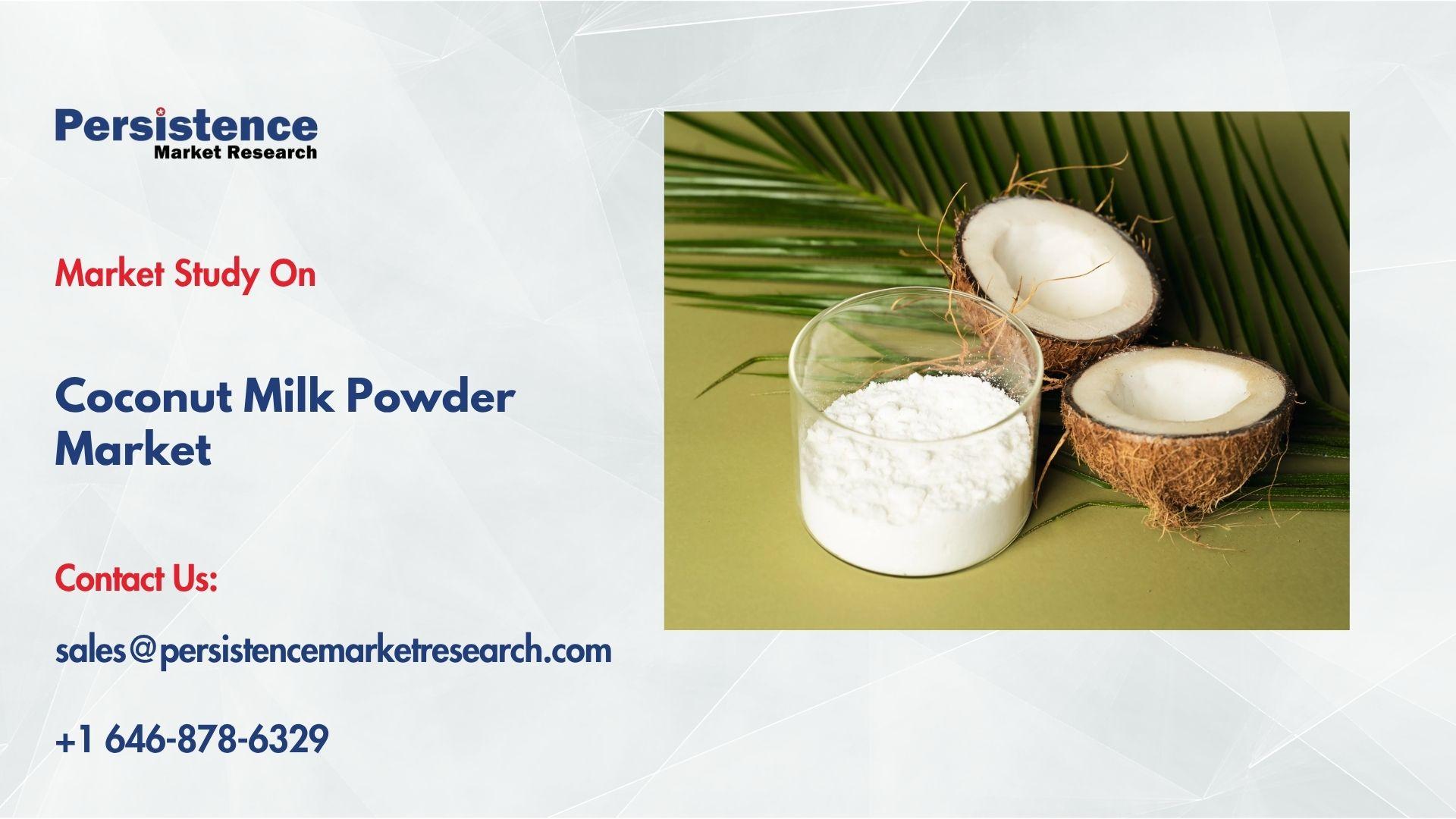
The global coconut milk powder market is entering a period of substantial expansion, supported by robust consumer demand, a widening application base, and accelerating investments in plant-based food innovation. According to recent estimates, the market is projected to be valued at US$1.17 billion in 2025. Demonstrating strong growth momentum, it is expected to reach US$2.61 billion by 2032, advancing at a compound annual growth rate (CAGR) of approximately 12.2% during the forecast period from 2025 to 2032. This anticipated trajectory reflects increasing consumer inclination toward dairy alternatives, fortified functional beverages, and versatile culinary ingredients derived from natural, clean-label sources.
The rising prevalence of lactose intolerance, increasing preference for vegan diets, and growth in ethnic cuisines featuring coconut-based ingredients are among the dominant factors propelling market growth. Additionally, commercial users—including food processing companies, bakery and confectionery manufacturers, and ready-to-eat (RTE) meal producers—are incorporating coconut milk powder as a shelf-stable, cost-effective, and flavor-rich ingredient in their formulations. Advancements in food drying technologies and enhanced supply chain efficiency also support the production and global distribution of high-quality coconut milk powder.
Beyond traditional consumption patterns, the expanding influence of wellness trends and consumer awareness regarding nutrient-rich plant derivatives contribute significantly to market demand. Coconut milk powder, known for its medium-chain triglycerides (MCTs) and immunity-boosting properties, continues to attract attention as a functional ingredient in health-focused products. Rising demand across online retail platforms and specialty stores further supports market scalability and accessibility.
Get Your FREE Sample Report Instantly – Click Now: https://www.persistencemarketresearch.com/samples/35760
Segmentation Analysis
By Type
The coconut milk powder market is segmented primarily into organic and conventional categories. Conventional coconut milk powder currently holds the majority share within the global market, supported by widespread availability, competitive pricing, and established distribution channels. Due to cost-efficiency in production and strong demand from commercial food manufacturers, the conventional segment has retained its dominance throughout recent years.
However, the organic coconut milk powder segment is expected to register the fastest growth during the forecast period. Increasing consumer preference for chemical-free, sustainably sourced, and certified organic food ingredients is reshaping the demand landscape. Organic coconut plantations and certified farms, particularly in Southeast Asia, are rapidly expanding their production capacities to cater to the rising needs of health-conscious consumers and premium product manufacturers. This segment’s growth is also aided by the expanding presence of organic products in e-commerce channels, modern trade outlets, and specialty health stores.
By Product / Application Type
Coconut milk powder is utilized across multiple product categories, including food and beverages, bakery and confectionery, soups and sauces, dairy alternatives, cosmetics and personal care products, and infant nutrition. The food and beverage segment represents the largest application area, as manufacturers increasingly deploy coconut milk powder in ready-mix beverages, ice creams, yogurts, smoothies, and flavored drinks. Its ease of solubility, long shelf life, and consistency make it a preferred choice for high-volume industrial production.
The bakery and confectionery segment is demonstrating notable growth, driven by the rising popularity of tropical flavor profiles and plant-based ingredients in baked goods, desserts, and premium confectionery products. Meanwhile, the cosmetics and personal care category is gaining momentum as coconut-derived products become central to skincare and haircare formulations promoting hydration, nourishment, and natural ingredients.
By Technology / Distribution Channel
The market is also influenced by technological segmentation based on spray drying and freeze drying processes. Spray drying continues to dominate due to its cost-effectiveness and efficiency in producing fine, uniform powder with desirable flavor retention. Freeze-dried coconut milk powder, although more expensive, is gaining recognition for its superior nutritional retention and purity, especially within premium and functional food product segments.
From a distribution perspective, the market spans supermarkets and hypermarkets, specialty stores, convenience stores, and online distribution channels. E-commerce is expected to emerge as the fastest-growing channel, driven by digital purchasing trends, enhanced accessibility, and the rising adoption of subscription-based and bulk-buying platforms.
Need Tailored Insights? Request Customization Now: https://www.persistencemarketresearch.com/request-customization/35760
Regional Insights
Geographically, the market demonstrates strong performance across Asia Pacific, North America, Europe, Latin America, and the Middle East & Africa. Asia Pacific currently leads the global market, supported by the region’s abundant coconut production, growing domestic consumption, and expanding food processing industries. Countries such as Indonesia, the Philippines, Sri Lanka, Thailand, and India remain key producers and exporters, enabling stable supply and competitive pricing structures.
North America represents the fastest-growing region, benefiting from rapid adoption of plant-based diets, increased demand for dairy alternatives, and the rising popularity of ethnic and fusion cuisines incorporating coconut-based ingredients. The surge in wellness-oriented consumer behavior, coupled with high penetration of health-conscious retail brands, continues to drive regional growth.
Europe remains an important market with strong demand from premium food product manufacturers, bakery companies, and specialty beverage producers. The region’s favorable regulatory environment concerning organic and clean-label ingredients boosts opportunities for organic coconut milk powder manufacturers.
Latin America and the Middle East & Africa are gradually emerging as attractive markets, supported by expanding retail networks, rising disposable incomes, and growing interest in innovative plant-based and functional food categories. Market participants are increasingly focusing on expanding supply chains and enhancing distribution partnerships within these regions.
Unique Features and Innovations in the Market
Modern coconut milk powder solutions are characterized by advancements in processing technologies, improved nutritional formulations, and enhanced packaging innovations. Today’s products differentiate themselves through superior solubility, extended shelf life, enhanced flavor retention, and nutrient preservation, supporting a broader range of culinary and functional beverage applications.
Technologies such as AI-powered process optimization, IoT-enabled quality monitoring, and advanced material engineering for moisture-resistant packaging significantly elevate the production landscape. Smart factory implementations and automated quality control systems help manufacturers maintain consistent standards, reduce waste, and improve overall operational efficiency.
The integration of 5G-enabled supply chain tracking systems allows real-time monitoring of product movement, ensuring traceability and authenticity. Such innovations not only improve manufacturing output but also enhance consumer confidence by ensuring safety, transparency, and sustainability.
Market Highlights
Businesses and industries worldwide are increasingly adopting coconut milk powder due to its versatility, cost efficiency, and alignment with global dietary trends. The shift toward plant-based food consumption, rising consumer demand for allergen-free ingredients, and the emphasis on natural, minimally processed products have made coconut milk powder a strategic component in numerous product lines.
Regulatory frameworks promoting clean labeling, food safety, and sustainable sourcing significantly influence market trends. Manufacturers are focusing on reducing plastic usage, utilizing eco-friendly packaging, and implementing energy-efficient production methods to comply with global sustainability standards. The rising cost of dairy products and the increasing demand for environment-friendly alternatives further enhance market adoption.
The market benefits from the ability of coconut milk powder to reduce transportation costs, minimize spoilage losses, and improve inventory management for commercial buyers. Its diverse application potential across beverages, desserts, ready meals, and health supplements ensures consistent demand across multiple sectors.
Secure Your Full Report – Proceed to Checkout: https://www.persistencemarketresearch.com/checkout/35760
Key Players and Competitive Landscape
The global coconut milk powder market features a competitive landscape characterized by regional manufacturers, multinational food ingredient giants, and specialized organic product companies. Prominent players include Nestlé S.A., Danone S.A., McCormick & Company, Thai Coconut Public Company Limited, Celebes Coconut Corporation, Sambu Group, Pacific Foods, and Enature Organic Products.
These companies continue to invest in product innovation, capacity expansion, and strategic collaborations to reinforce their market positions. Leading firms are focusing on developing premium-grade coconut milk powders with enhanced solubility, improved flavor consistency, and organic certifications to meet evolving consumer expectations. Regional expansions, particularly within Asia Pacific and North America, remain pivotal for tapping into emerging opportunities.
Companies are also integrating sustainable sourcing strategies, supporting local coconut farmers, and implementing transparent trade practices. The increasing emphasis on eco-friendly operations and carbon footprint reduction is shaping new product development and partnership models across the industry.
Future opportunities lie in the rapid expansion of plant-based food categories, growing use of coconut ingredients in nutraceuticals, and increasing product penetration within bakery, confectionery, and functional beverage applications. Evolving technologies, improved agricultural practices, and supportive regulations promoting clean-label and organic ingredients are expected to further strengthen market potential over the next decade.
Innovations in drying techniques, enhanced supply chain digitalization, and increased investments in research and development will continue to shape the competitive dynamics of the coconut milk powder market. With rising consumer demand and expanding global distribution channels, industry participants are well-positioned to capitalize on long-term growth prospects.
Explore the Latest Trending Research Reports:

 English
 Arabic
 French
 Spanish
 Portuguese
 Deutsch
 Turkish
 Dutch
Dutch
 Italiano
 Russian
 Portuguese (Brazil)
 Greek
Greek