


RTD Cocktail Market Growth Forecast Supported by Premium Ready to Drink Cocktails
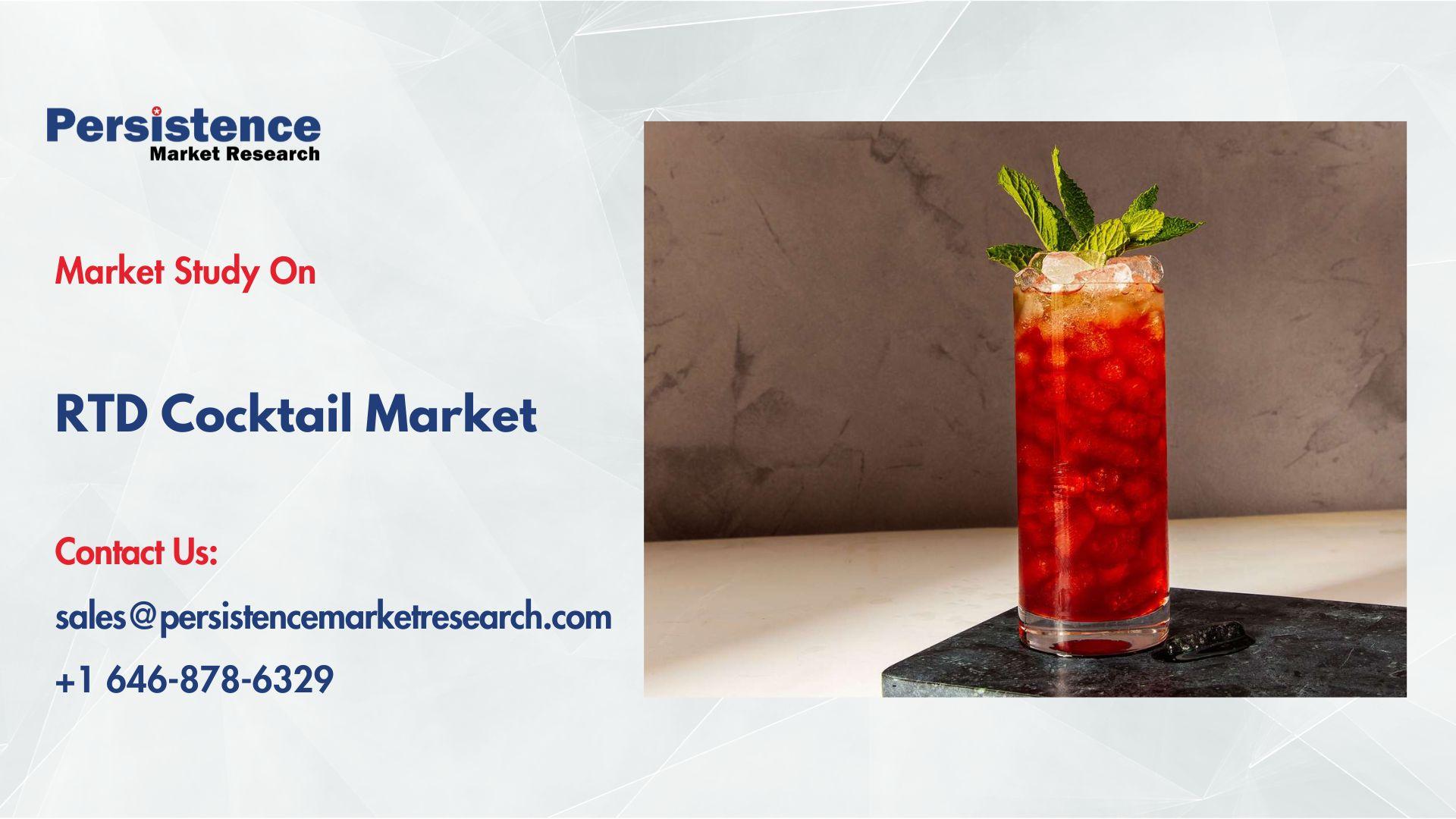
The global ready-to-drink (RTD) cocktail market is poised for significant expansion over the forecast period, driven by evolving consumer lifestyles, premiumization trends in alcoholic beverages, and growing demand for convenient, on-the-go drinking solutions. The ready-to-drink cocktail market is estimated to be valued at US$ 5.4 billion in 2026 and is projected to reach US$ 11.1 billion by 2033, registering a strong compound annual growth rate (CAGR) of 10.8% from 2026 to 2033.
RTD cocktails, which combine spirits, mixers, and flavoring agents in pre-packaged formats, are gaining traction among consumers seeking bar-quality experiences without the complexity of traditional cocktail preparation. These products cater to a broad demographic, including millennials and Generation Z consumers, who prioritize convenience, consistency, and innovative flavor profiles. The increasing popularity of social drinking occasions at home, outdoor gatherings, and casual events has further accelerated the adoption of RTD cocktails across global markets.
The market’s growth trajectory is also supported by the premiumization of alcoholic beverages, as consumers show a growing willingness to pay for high-quality ingredients, authentic recipes, and aesthetically appealing packaging. Manufacturers are responding by launching craft-style RTD cocktails, spirit-based formulations, and low-sugar or better-for-you variants, thereby expanding the category’s appeal across diverse consumer segments.
Get Your FREE Sample Report Instantly – Click Now: https://www.persistencemarketresearch.com/samples/35993
Key Factors Driving Market Growth
One of the primary drivers of the global RTD cocktail market is the shift in consumer drinking habits toward convenience-oriented and experiential products. Urbanization, busy lifestyles, and increasing participation in social activities have heightened demand for beverages that offer ease of consumption without compromising taste or quality. RTD cocktails effectively address this demand by delivering consistent flavor and alcohol content in portable formats.
Another significant growth driver is the rising influence of younger consumers who are more experimental with flavors and brands. Millennials and Gen Z consumers are particularly drawn to unique flavor combinations, limited-edition offerings, and products that align with lifestyle values such as authenticity and sustainability. This demographic shift is encouraging beverage companies to invest in product innovation and branding strategies tailored to these preferences.
Additionally, the expansion of off-premise alcohol retail channels, including supermarkets, convenience stores, and e-commerce platforms, has improved the accessibility of RTD cocktails. Regulatory relaxations in certain markets regarding alcohol sales through digital channels have further supported market penetration. The growth of premium spirits consumption and cocktail culture globally is also reinforcing demand for ready-to-serve cocktail solutions.
Segmentation Analysis
By Type
By type, the RTD cocktail market is segmented into spirit-based RTD cocktails, wine-based RTD cocktails, and malt-based RTD cocktails. Spirit-based RTD cocktails dominate the global market, as they closely replicate traditional bar-made cocktails in terms of flavor, alcohol strength, and overall drinking experience. Products featuring vodka, rum, tequila, and whiskey as base spirits are particularly popular, reflecting established cocktail preferences among consumers.
Wine-based RTD cocktails hold a notable share of the market, especially in regions with strong wine-drinking cultures. These products often appeal to consumers seeking lighter alcohol content and refreshing taste profiles. Malt-based RTD cocktails, while representing a smaller share, continue to find acceptance in price-sensitive markets due to their relatively lower production costs and wide distribution through established beer channels.
Among these segments, spirit-based RTD cocktails are expected to record the fastest growth rate during the forecast period, driven by premiumization trends and increasing consumer demand for authentic cocktail experiences in ready-to-drink formats.
By Product Category
Based on product category, the market can be segmented into classic cocktails, flavored or fruit-based cocktails, and specialty or craft cocktails. Classic RTD cocktails such as margaritas, mojitos, and cosmopolitans account for a substantial portion of sales due to their widespread recognition and consistent demand. These products serve as entry points for new consumers exploring the RTD cocktail category.
Flavored and fruit-based RTD cocktails are witnessing strong growth, supported by consumer interest in refreshing, seasonal, and exotic flavor profiles. Manufacturers are introducing innovative blends incorporating tropical fruits, botanicals, and natural extracts to differentiate their offerings. Specialty and craft RTD cocktails, often produced in smaller batches with premium ingredients, are gaining traction among discerning consumers seeking unique and upscale drinking experiences.
By Packaging and Distribution Channel
In terms of packaging, the market is segmented into cans, bottles, and other innovative formats. Cans represent the leading packaging segment, owing to their portability, lightweight nature, and suitability for outdoor and casual consumption occasions. Bottled RTD cocktails continue to appeal to premium consumers and are often associated with higher-end branding and gifting purposes.
From a distribution perspective, off-premise channels such as supermarkets, liquor stores, and online retail platforms dominate the market. On-premise consumption, including bars, clubs, and restaurants, is gradually recovering and is expected to contribute to market growth as social activities normalize and experiential drinking gains momentum.
Need Tailored Insights? Request Customization Now: https://www.persistencemarketresearch.com/request-customization/35993
Regional Insights
Leading Regions in the Global Market
Regionally, North America holds a dominant position in the global RTD cocktail market, supported by a well-established cocktail culture, high disposable incomes, and strong presence of leading beverage manufacturers. The United States, in particular, represents a key market, driven by widespread consumer acceptance of canned cocktails and continuous product launches by both established brands and craft producers.
Europe represents another significant market, characterized by growing interest in premium alcoholic beverages and evolving social drinking patterns. Countries such as the United Kingdom, Germany, and France are witnessing increased adoption of RTD cocktails, supported by urban lifestyles and expanding retail availability. The region’s strong regulatory frameworks and emphasis on product quality are encouraging innovation and premiumization within the category.
Fastest-Growing Region
Asia Pacific is expected to emerge as the fastest-growing region during the forecast period, driven by rapid urbanization, rising disposable incomes, and changing consumer attitudes toward alcohol consumption. Markets such as Japan, Australia, China, and South Korea are experiencing growing demand for convenient and stylish alcoholic beverages, including RTD cocktails.
The increasing influence of Western drinking culture, coupled with a growing middle-class population, is supporting market expansion in the region. Additionally, the proliferation of modern retail formats and e-commerce platforms is improving product accessibility, further accelerating growth across Asia Pacific.
Unique Features and Innovations in the Market
The global RTD cocktail market is increasingly defined by innovation, differentiation, and technological integration. One of the key features of modern RTD cocktails is the focus on premium ingredients, including high-quality spirits, natural flavors, and reduced sugar formulations. These attributes align with consumer demand for transparency, authenticity, and healthier indulgence.
Technological advancements are also playing a role in enhancing product quality and operational efficiency. Artificial intelligence (AI) is being used to analyze consumer preferences and optimize flavor development, enabling manufacturers to quickly respond to emerging trends. Internet of Things (IoT) solutions are improving quality control and inventory management across production and distribution networks. In advanced markets, 5G-enabled connectivity is supporting real-time monitoring and automation in beverage manufacturing facilities, reducing downtime and ensuring consistent product standards.
Packaging innovation is another area of differentiation, with brands investing in sustainable materials, smart labeling, and visually appealing designs to enhance shelf impact and brand recognition. These innovations are helping RTD cocktail products stand out in a competitive retail environment.
Market Highlights
The growing adoption of RTD cocktails is driven by several compelling factors. Convenience remains a primary reason for consumer preference, as RTD cocktails eliminate the need for mixing ingredients or specialized equipment. Consistency in taste and alcohol content further enhances consumer confidence and repeat purchases.
Regulatory considerations also influence market dynamics. Clear labeling requirements, alcohol content regulations, and sustainability guidelines are shaping product development and marketing strategies. Compliance with these regulations is encouraging manufacturers to invest in transparency, responsible marketing, and sustainable production practices.
Cost efficiency and scalability are additional highlights for industry participants. Advances in production technology, supply chain optimization, and packaging solutions are helping manufacturers reduce costs while maintaining quality. Sustainability initiatives, including reduced carbon footprints and recyclable packaging, are increasingly important in strengthening brand equity and long-term market viability.
Secure Your Full Report – Proceed to Checkout: https://www.persistencemarketresearch.com/checkout/35993
Key Players and Competitive Landscape
The global RTD cocktail market is highly competitive, with a mix of multinational beverage corporations, established spirits companies, and emerging craft producers. Leading players are actively expanding their RTD portfolios through new product launches, strategic partnerships, and acquisitions.
Prominent companies such as Diageo plc, Pernod Ricard, Bacardi Limited, Brown-Forman Corporation, and Beam Suntory are leveraging their strong brand equity and extensive distribution networks to capture market share. These companies are focusing on premium spirit-based RTD cocktails, flavor innovation, and global market expansion.
In addition to established players, several craft and niche brands are gaining recognition by offering differentiated products that emphasize artisanal production, unique flavor combinations, and local sourcing. These brands are often agile and responsive to emerging consumer trends, enabling them to compete effectively in specific market segments.
Competitive strategies across the market include investments in marketing and branding, expansion into emerging markets, and collaborations with retailers and hospitality partners. Product innovation remains a key differentiator, with companies continually refining formulations to meet evolving consumer expectations.
Future Opportunities and Growth Prospects
The future outlook for the global RTD cocktail market remains highly favorable, supported by strong consumer demand, ongoing innovation, and expanding distribution channels. Opportunities are expected to emerge in low-alcohol and alcohol-free RTD cocktails, as health-conscious consumers seek moderation without sacrificing taste or experience.
Evolving regulations related to alcohol marketing, sustainability, and digital sales will continue to shape industry practices. Companies that proactively adapt to these regulatory changes and invest in responsible production and marketing are likely to gain a competitive advantage.
Technological advancements will further enhance product development, supply chain efficiency, and consumer engagement, enabling brands to deliver more personalized and sustainable offerings. As social drinking occasions continue to diversify and premiumization trends persist, the RTD cocktail market is well positioned for long-term growth across both mature and emerging regions.
Explore the Latest Trending Research Reports:

 Arabic
 French
 Spanish
 Portuguese
 Deutsch
 Turkish
 Dutch
Dutch
 Italiano
 Russian
 Romaian
 Portuguese (Brazil)
 Greek
Greek