


Venous Leak: Causes, Symptoms, Diagnosis, and Treatment
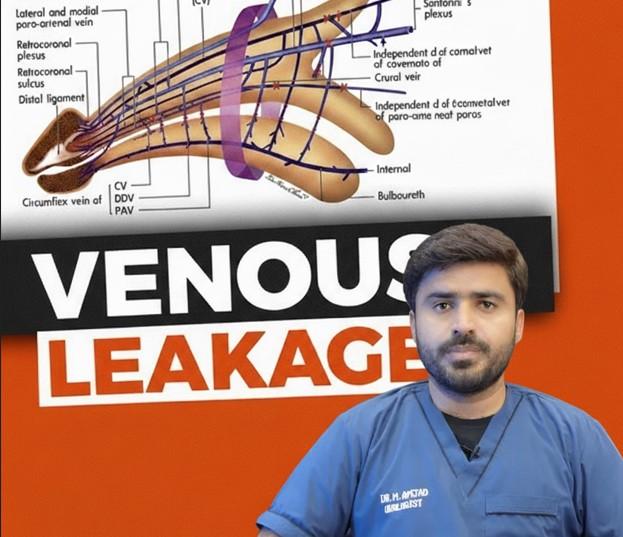
Venous leak, medically known as venogenic erectile dysfunction, is a vascular disorder that primarily affects men’s sexual health. It is a condition in which the veins of the penis fail to adequately trap blood during an erection, resulting in soft, unstable, or prematurely lost erections. While erectile dysfunction (ED) can have multiple causes—neurological, hormonal, or psychological—venous leak represents a specific vascular etiology where excessive venous outflow prevents sufficient penile rigidity.
Understanding venous leak is crucial because it is often underdiagnosed, and untreated cases can severely affect a man's psychological well-being, sexual performance, and intimate relationships. This article provides a detailed, comprehensive overview of venous leak, including its anatomy, physiology, causes, symptoms, diagnostics, treatment modalities, complications, and future developments.
Anatomy of the Penis and Mechanism of Erection
To understand venous leak, it’s essential to understand how a normal erection occurs. The penis contains three erectile chambers:
-
Corpora Cavernosa (two cylindrical chambers)
-
These sponge-like chambers fill with blood to create rigidity.
-
Surrounded by the tunica albuginea, a fibrous envelope that provides structural support.
-
-
Corpus Spongiosum (one chamber)
-
Surrounds the urethra and forms the glans penis.
-
Expands slightly during erection but remains softer to allow ejaculation.
-
Normal Erection Physiology
An erection is a neurovascular event:
-
Sexual arousal triggers parasympathetic nerves, leading to nitric oxide release.
-
Nitric oxide relaxes smooth muscle in penile arteries and trabecular tissue.
-
Arterial inflow increases, filling the corpora cavernosa with blood.
-
Venous outflow is compressed by expanding corpora cavernosa and surrounding tunica albuginea.
-
Erection is maintained until sympathetic activation induces smooth muscle contraction, allowing blood to exit via veins.
Venous Leak Pathophysiology
In venous leak, venous valves fail to close properly, and blood escapes from the corpora cavernosa too quickly. This leads to:
-
Partial or soft erections
-
Loss of rigidity during sexual activity
-
Difficulty sustaining an erection sufficient for intercourse
Venous leak is sometimes referred to as “penile veno-occlusive dysfunction”, emphasizing its origin in venous incompetence.
Causes of Venous Leak
Venous leak can be caused by a combination of structural, vascular, hormonal, and lifestyle factors.
1. Age-Related Changes
-
With age, tunica albuginea loses elasticity.
-
Veins fail to compress effectively, allowing blood to escape.
-
Men over 40 are at higher risk.
2. Trauma and Injury
-
Penile fractures, pelvic trauma, or surgery in the pelvic region can damage venous valves.
-
Repetitive microtrauma during sexual activity may also weaken the tunica albuginea.
3. Connective Tissue Disorders
-
Weak connective tissue in the penis prevents proper venous occlusion.
-
Peyronie’s disease, characterized by fibrous plaques, is commonly associated with venous leak.
4. Cardiovascular and Metabolic Disorders
-
Atherosclerosis, diabetes, hypertension, and high cholesterol affect both arteries and veins.
-
Poor vascular health increases the likelihood of venous leak and overall erectile dysfunction.
5. Hormonal Imbalances
-
Low testosterone can impair erectile function.
-
Other hormonal disorders, including thyroid dysfunction and elevated prolactin, may contribute indirectly.
6. Lifestyle Factors
-
Smoking damages blood vessels and reduces nitric oxide availability.
-
Excess alcohol impairs vascular health and neurological function.
-
Sedentary lifestyle contributes to obesity, diabetes, and cardiovascular disease.
7. Congenital or Idiopathic Causes
-
Some men are born with venous insufficiency in penile veins.
-
In idiopathic cases, the exact cause remains unclear despite extensive testing.
Risk Factors
-
Age above 40
-
History of pelvic or penile trauma
-
Diabetes, hypertension, and obesity
-
Smoking and chronic alcohol use
-
Connective tissue disorders or Peyronie’s disease
-
Prior pelvic surgery or radiation
Symptoms of Venous Leak
Venous leak can manifest in several ways, often progressively worsening over time:
-
Soft erections despite sexual arousal
-
Erections that lose rigidity during sexual activity
-
Difficulty penetrating due to insufficient firmness
-
Reduced morning erections
-
Erections that are firm only briefly
-
Psychological distress, including performance anxiety, depression, or reduced self-esteem
Men may notice that erections initially seem normal but soften prematurely, which is a hallmark sign.
How Venous Leak is Diagnosed
Accurate diagnosis requires a multifaceted approach, including clinical evaluation, lab tests, and imaging.
1. Medical History and Physical Examination
-
Detailed sexual and medical history
-
Evaluation of penile anatomy, blood flow, and signs of connective tissue disorders
2. Laboratory Tests
-
Hormone panels: testosterone, prolactin, thyroid function
-
Blood glucose and lipid profile to assess cardiovascular risk
3. Penile Doppler Ultrasound
-
Evaluates arterial inflow and venous outflow
-
Detects venous leakage by measuring blood flow changes during pharmacologically induced erection
4. Cavernosometry
-
Measures intracavernosal pressure during injection-induced erection
-
Quantifies severity of venous leakage
5. Cavernosography
-
Involves contrast dye injection and X-ray imaging
-
Pinpoints veins responsible for leakage, guiding surgical intervention
6. Nocturnal Penile Tumescence Test
-
Assesses spontaneous erections during sleep
-
Helps differentiate venous leak from neurological or hormonal ED
Treatment of Venous Leak
Treatment depends on severity, patient age, comorbidities, and response to conservative therapy.
1. Lifestyle Modifications
-
Regular cardiovascular exercise improves blood circulation.
-
Balanced diet rich in fruits, vegetables, lean proteins, and omega-3 fatty acids.
-
Weight management and glycemic control.
-
Smoking cessation and alcohol moderation.
2. Oral Medications
PDE5 inhibitors (sildenafil, tadalafil, vardenafil) improve arterial inflow but do not address venous outflow.
-
May help in mild cases but often insufficient for severe venous leak.
3. Vacuum Erection Devices (VED)
-
Creates negative pressure to draw blood into the penis.
-
Constriction ring at the base prevents venous outflow temporarily.
-
Useful for men seeking non-invasive, temporary solutions.
4. Intracavernosal Injections
-
Drugs: alprostadil, papaverine, phentolamine
-
Relax smooth muscles and improve arterial inflow, partially compensating for venous leakage.
-
Effective but may require medical supervision for safe use.
5. Surgical Treatments
a. Venous Ligation
-
Leaking veins are tied off or sealed.
-
Best outcomes in younger men with isolated leaks.
-
Success varies, and long-term effectiveness is debated.
b. Penile Prosthesis (Implant)
-
Inflatable or semi-rigid devices bypass venous leak entirely.
-
Provides a permanent solution for severe or refractory cases.
-
High patient satisfaction and low complication rates with modern devices.
6. Emerging Therapies
-
Low-Intensity Shockwave Therapy (LiSWT): Improves penile blood flow and may restore partial erectile function.
-
Stem Cell Therapy & PRP (Platelet-Rich Plasma): Investigational therapies aiming to regenerate vascular tissue and improve venous function.
-
Gene therapy: Under research, may target molecular pathways involved in venous function.
Psychological Impact of Venous Leak
Venous leak can lead to performance anxiety, depression, and reduced self-esteem.
-
Men may avoid sexual activity due to fear of failure.
-
Counseling, sex therapy, and partner involvement are recommended alongside medical treatment.
Complications of Untreated Venous Leak
-
Chronic erectile dysfunction
-
Anxiety, depression, and relationship strain
-
Decreased quality of life
-
Reduced sexual satisfaction
-
Secondary penile tissue fibrosis due to repeated incomplete erections
Prevention of Venous Leak
While some causes are unavoidable, risk can be reduced by:
-
Maintaining cardiovascular health
-
Controlling diabetes, hypertension, and cholesterol
-
Avoiding smoking and excessive alcohol
-
Seeking early treatment for penile trauma or ED symptoms
-
Regular exercise and healthy diet
Prognosis
-
Young men with isolated venous leak often respond well to surgery or combination therapy.
-
Older men or those with comorbidities may require multi-modal management (medication + devices + surgery).
-
Early diagnosis and intervention improve outcomes and prevent long-term psychological impact.
FAQs About Venous Leak
1. Can venous leak be reversed naturally?
-
Mild cases may improve with lifestyle modifications and medications. Severe cases usually require surgery or implants.
2. How common is venous leak?
-
Less common than other forms of ED but a recognized vascular cause of erectile dysfunction.
3. Can young men have venous leak?
-
Yes. Trauma, congenital vascular defects, or connective tissue disorders can cause venous leak in younger men.
4. Does venous leak affect fertility?
-
Not directly, but erectile dysfunction can impact sexual activity and conception indirectly.
5. Are penile implants safe for venous leak?
-
Modern implants are highly effective and safe, providing a permanent solution when other therapies fail.
6. How long does surgery take to recover?
-
Recovery typically ranges 4–6 weeks, with gradual return to sexual activity under medical supervision.
Future Research Directions
-
Regenerative therapies using stem cells or growth factors
-
Advanced imaging techniques for better diagnosis of venous leak
-
Gene therapy targeting venous function and tunica albuginea integrity
-
Combination therapies integrating devices, medications, and minimally invasive procedures
Conclusion
Venous leak is a significant but treatable cause of erectile dysfunction, often underdiagnosed. It arises when penile veins fail to trap blood, preventing the maintenance of firm erections.
Management involves lifestyle interventions, medications, mechanical devices, intracavernosal injections, and surgical options. Early diagnosis and a tailored treatment plan are key to restoring sexual function, psychological well-being, and intimate relationships.
With modern medical advancements, including penile implants, regenerative therapies, and minimally invasive surgeries, men with venous leak can regain normal erectile function and lead fulfilling sexual lives. Awareness, prompt diagnosis, and effective management are crucial for preventing long-term complications and improving quality of life.

 English
 Arabic
 French
 Spanish
 Portuguese
 Deutsch
 Turkish
 Dutch
Dutch
 Russian
 Romaian
 Portuguese (Brazil)
 Greek
Greek