


• Benefits of adding Life Skills Education into regular study curriculum of Children

    Education is not just about textbooks, children also need confidence, communication, and emotional strength to succeed. Education programs by NGO integrate life skills training into daily learning through group activities, digital learning, role plays, storytelling, and team tasks. These activities help children from vulnerable communities improve self-awareness, teamwork, decision-making, and resilience.

    Life skills ensure children stay motivated in school and avoid dropping out due to fear or academic pressure. Many NGOs also involve parents and community members so children receive emotional and educational support at home as well. Strong life skills prepare children not just for school but for future careers and life challenges. When education includes life skills, children gain the power to shape their future with confidence. A combination of Life Skills Training and Education Program works better and help kids to grow better,

    https://sakshingo.org/life-skills-training-in-ngo-education-programs/


    #lifeskillseducation #lifeskillstraining #childeducation #educationwithpurpose #ngoinitiatives #educationforchildren #emotionallearning #socialemotionallearning #childdevelopment
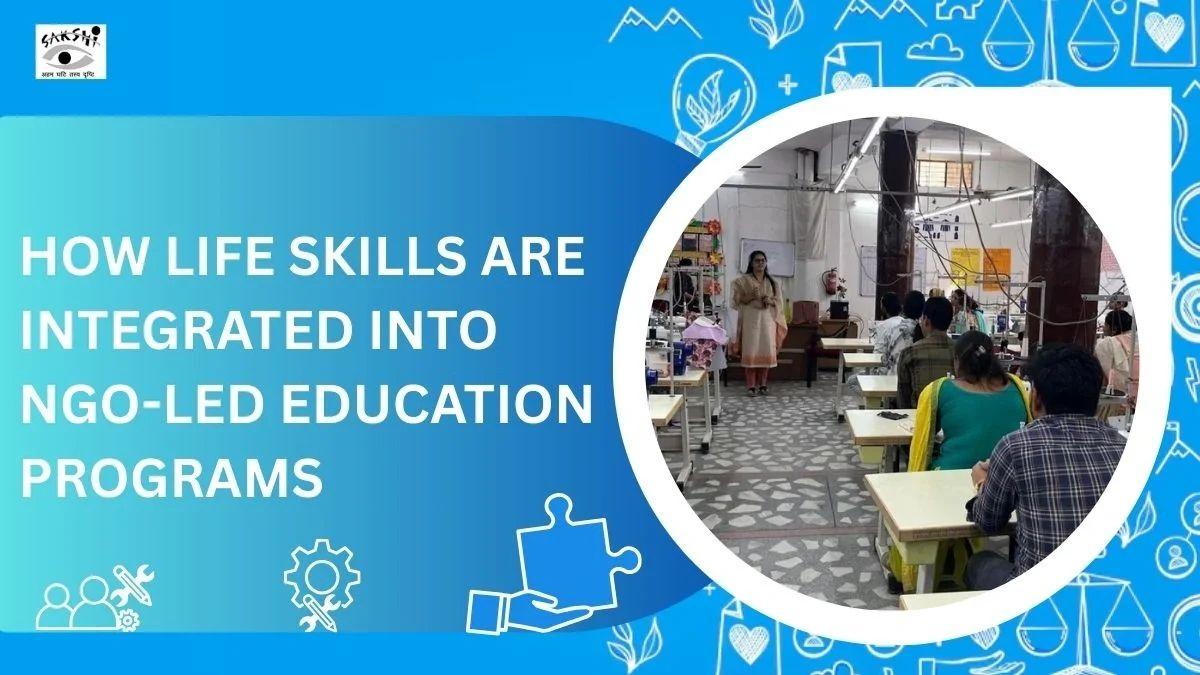
    Benefits of adding Life Skills Education into regular study curriculum of Children Education is not just about textbooks, children also need confidence, communication, and emotional strength to succeed. Education programs by NGO integrate life skills training into daily learning through group activities, digital learning, role plays, storytelling, and team tasks. These activities help children from vulnerable communities improve self-awareness, teamwork, decision-making, and resilience. Life skills ensure children stay motivated in school and avoid dropping out due to fear or academic pressure. Many NGOs also involve parents and community members so children receive emotional and educational support at home as well. Strong life skills prepare children not just for school but for future careers and life challenges. When education includes life skills, children gain the power to shape their future with confidence. A combination of Life Skills Training and Education Program works better and help kids to grow better, https://sakshingo.org/life-skills-training-in-ngo-education-programs/ #lifeskillseducation #lifeskillstraining #childeducation #educationwithpurpose #ngoinitiatives #educationforchildren #emotionallearning #socialemotionallearning #childdevelopment
    0 Comentários 0 Compartilhamentos 64 Visualizações 0 Anterior
  • How Skill Development Program helps youth to earn job opportunities?

    How can youth become job-ready after school? Many young people complete their education but still struggle to find employment because they lack practical and digital skills required in today’s workplaces. A Skill Development Program for youth bridges this exact gap by offering training in communication, digital literacy, teamwork, personality development, workplace behavior, and career guidance. These programs especially support first-generation learners and youth from underserved communities who do not have exposure to professional environments.

    Through community learning centres, Sakshi NGO provides activity-based learning, interview training, and soft-skill development. Youth also get help in career planning and connections to job placement opportunities. By integrating life skills education such as decision-making and problem-solving, these programs not only enhance employability but also build confidence. This transition from education to employment becomes smoother and more successful when youth receive the right support. Skill Development Programs ensure they step into the workplace with better readiness, self-belief, and long-term growth opportunities

    https://sakshingo.org/skill-development-programs-youth-employment-india/

    #skilldevelopment #youthemployment #jobreadyyouth #employabilityskills #lifeskillseducation #careerguidance #digitalskills #softskillsdevelopment
    How Skill Development Program helps youth to earn job opportunities? How can youth become job-ready after school? Many young people complete their education but still struggle to find employment because they lack practical and digital skills required in today’s workplaces. A Skill Development Program for youth bridges this exact gap by offering training in communication, digital literacy, teamwork, personality development, workplace behavior, and career guidance. These programs especially support first-generation learners and youth from underserved communities who do not have exposure to professional environments. Through community learning centres, Sakshi NGO provides activity-based learning, interview training, and soft-skill development. Youth also get help in career planning and connections to job placement opportunities. By integrating life skills education such as decision-making and problem-solving, these programs not only enhance employability but also build confidence. This transition from education to employment becomes smoother and more successful when youth receive the right support. Skill Development Programs ensure they step into the workplace with better readiness, self-belief, and long-term growth opportunities https://sakshingo.org/skill-development-programs-youth-employment-india/ #skilldevelopment #youthemployment #jobreadyyouth #employabilityskills #lifeskillseducation #careerguidance #digitalskills #softskillsdevelopment
    0 Comentários 0 Compartilhamentos 246 Visualizações 0 Anterior
  • What are the important pillars of the Life Skills Education Program?

    A strong Life Skills Education Program is built on key pillars that help individuals, especially youth and women, to develop the abilities needed to succeed in real life, not just in academics. The most important 5 pillars include:

    1. Foundational Skills (Communication & Self-Awareness)
    Communication, confidence, and self-awareness form the base of life skills. They help individuals express themselves clearly, understand their strengths, manage emotions, and build healthy relationships.

    2. Cognitive Skills (Critical Thinking & Decision-Making)
    These skills enable individuals to analyze situations, solve problems, evaluate choices, and make informed decisions. Cognitive skills prepare youth and women to handle challenging situations independently.

    3. Social Skills (Interpersonal Relationships & Empathy)
    Life skills programs teach participants how to interact respectfully, work in teams, show empathy, and resolve conflicts. These skills are essential for workplaces, families, and community spaces.

    4. Emotional Skills (Managing Stress & Emotions)
    Learning how to cope with stress, pressure, fear, and failure is crucial. Emotional resilience strengthens mental well-being and improves adaptability.

    5. Practical & Modern Skills (Digital Literacy & Workplace Readiness)
    In today’s world, basic digital literacy, financial awareness, and workplace etiquette are necessary for employment and entrepreneurship.

    Together, these pillars ensure holistic development, preparing individuals to communicate better, think smarter, solve problems, stay emotionally strong, and build meaningful futures. For success and growth of individuals, enrol a youth in Life Skills Education Program with an organization offering the same.

    https://sakshingo.org/portfolio/life-skills-education/

    #lifeskillseducation #youthempowerment #womensempowerment #personaldevelopment #communicationandskills #criticalthinking #emotionalintelligence #socialskills #digitalliteracy
    What are the important pillars of the Life Skills Education Program? A strong Life Skills Education Program is built on key pillars that help individuals, especially youth and women, to develop the abilities needed to succeed in real life, not just in academics. The most important 5 pillars include: 1. Foundational Skills (Communication & Self-Awareness) Communication, confidence, and self-awareness form the base of life skills. They help individuals express themselves clearly, understand their strengths, manage emotions, and build healthy relationships. 2. Cognitive Skills (Critical Thinking & Decision-Making) These skills enable individuals to analyze situations, solve problems, evaluate choices, and make informed decisions. Cognitive skills prepare youth and women to handle challenging situations independently. 3. Social Skills (Interpersonal Relationships & Empathy) Life skills programs teach participants how to interact respectfully, work in teams, show empathy, and resolve conflicts. These skills are essential for workplaces, families, and community spaces. 4. Emotional Skills (Managing Stress & Emotions) Learning how to cope with stress, pressure, fear, and failure is crucial. Emotional resilience strengthens mental well-being and improves adaptability. 5. Practical & Modern Skills (Digital Literacy & Workplace Readiness) In today’s world, basic digital literacy, financial awareness, and workplace etiquette are necessary for employment and entrepreneurship. Together, these pillars ensure holistic development, preparing individuals to communicate better, think smarter, solve problems, stay emotionally strong, and build meaningful futures. For success and growth of individuals, enrol a youth in Life Skills Education Program with an organization offering the same. https://sakshingo.org/portfolio/life-skills-education/ #lifeskillseducation #youthempowerment #womensempowerment #personaldevelopment #communicationandskills #criticalthinking #emotionalintelligence #socialskills #digitalliteracy
    0 Comentários 0 Compartilhamentos 461 Visualizações 0 Anterior