 English
 Arabic
 French
 Spanish
 Portuguese
 Deutsch
 Turkish
 Dutch
Dutch
 Italiano
 Russian
 Romaian
 Portuguese (Brazil)
 Greek
Greek

How Does Altitude Affect Your Himalayan Motorcycle Ride?
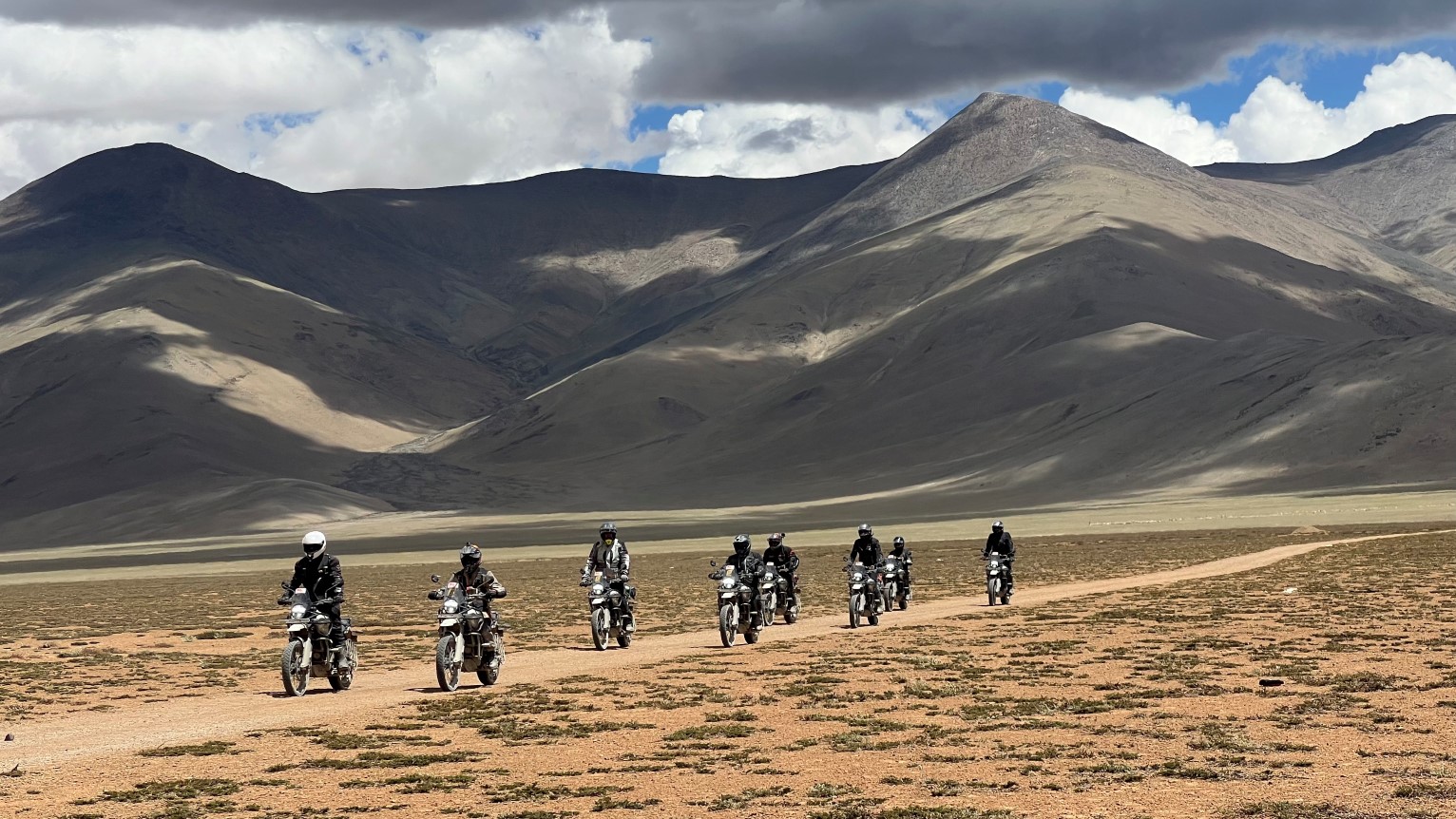
Going on the Himalayan motorcycle ride is an unforgettable adventure but altitude plays a significant role in shaping the experience. Both the rider and the machine face unique challenges as you ascend into thinner air and higher elevations. Proper understanding of these effects can make your Himalayan Bike ride both safe and enjoyable.
What Happens to Your Body at High Altitude?
At high elevations, the air contains less oxygen. This reduction in oxygen can cause symptoms of altitude sickness for riders, including headaches, dizziness, fatigue, and shortness of breath. Acute Mountain Sickness can begin to appear above 2,000 to 3,000 metres and can worsen without acclimatization. It is advised to spend a couple of days at moderate altitude before tackling high passes to allow your body time to adjust.
How Does Altitude Impact Your Motorcycle Performance?
Thinner air affects engine performance. With reduced oxygen, combustion is less efficient and power output drops, often by several percent for every 300 metres gained. Even modern fuel injected bikes can struggle at extreme heights. Additionally, changes in tire pressure, cooling efficiency, and lubrication behaviour become important considerations during a Motorbike tour Himalayas.
How Can You Prepare?
Preparing for altitude effects involves acclimatizing your body and tuning your ride. Slow ascents, proper hydration, and adjusted tire pressures enhance performance and comfort. Spend a rest day in high altitude towns like Leh before pushing higher, helping both you and your bike adapt to the demanding environment.
https://www.indiamotorbiketour.com/Destination/himalayas
#himalayanmotorcycleride #himalayanbikeride #motorbiketourhimalayas #highaltituderidingchallenges #indiamotorbiketour #motorcycletravelindia
Going on the Himalayan motorcycle ride is an unforgettable adventure but altitude plays a significant role in shaping the experience. Both the rider and the machine face unique challenges as you ascend into thinner air and higher elevations. Proper understanding of these effects can make your Himalayan Bike ride both safe and enjoyable.
What Happens to Your Body at High Altitude?
At high elevations, the air contains less oxygen. This reduction in oxygen can cause symptoms of altitude sickness for riders, including headaches, dizziness, fatigue, and shortness of breath. Acute Mountain Sickness can begin to appear above 2,000 to 3,000 metres and can worsen without acclimatization. It is advised to spend a couple of days at moderate altitude before tackling high passes to allow your body time to adjust.
How Does Altitude Impact Your Motorcycle Performance?
Thinner air affects engine performance. With reduced oxygen, combustion is less efficient and power output drops, often by several percent for every 300 metres gained. Even modern fuel injected bikes can struggle at extreme heights. Additionally, changes in tire pressure, cooling efficiency, and lubrication behaviour become important considerations during a Motorbike tour Himalayas.
How Can You Prepare?
Preparing for altitude effects involves acclimatizing your body and tuning your ride. Slow ascents, proper hydration, and adjusted tire pressures enhance performance and comfort. Spend a rest day in high altitude towns like Leh before pushing higher, helping both you and your bike adapt to the demanding environment.
https://www.indiamotorbiketour.com/Destination/himalayas
#himalayanmotorcycleride #himalayanbikeride #motorbiketourhimalayas #highaltituderidingchallenges #indiamotorbiketour #motorcycletravelindia
How Does Altitude Affect Your Himalayan Motorcycle Ride?
Going on the Himalayan motorcycle ride is an unforgettable adventure but altitude plays a significant role in shaping the experience. Both the rider and the machine face unique challenges as you ascend into thinner air and higher elevations. Proper understanding of these effects can make your Himalayan Bike ride both safe and enjoyable.
What Happens to Your Body at High Altitude?
At high elevations, the air contains less oxygen. This reduction in oxygen can cause symptoms of altitude sickness for riders, including headaches, dizziness, fatigue, and shortness of breath. Acute Mountain Sickness can begin to appear above 2,000 to 3,000 metres and can worsen without acclimatization. It is advised to spend a couple of days at moderate altitude before tackling high passes to allow your body time to adjust.
How Does Altitude Impact Your Motorcycle Performance?
Thinner air affects engine performance. With reduced oxygen, combustion is less efficient and power output drops, often by several percent for every 300 metres gained. Even modern fuel injected bikes can struggle at extreme heights. Additionally, changes in tire pressure, cooling efficiency, and lubrication behaviour become important considerations during a Motorbike tour Himalayas.
How Can You Prepare?
Preparing for altitude effects involves acclimatizing your body and tuning your ride. Slow ascents, proper hydration, and adjusted tire pressures enhance performance and comfort. Spend a rest day in high altitude towns like Leh before pushing higher, helping both you and your bike adapt to the demanding environment.
https://www.indiamotorbiketour.com/Destination/himalayas
#himalayanmotorcycleride #himalayanbikeride #motorbiketourhimalayas #highaltituderidingchallenges #indiamotorbiketour #motorcycletravelindia
·25 Vue
·0 Aperçu