• Is it really possible to add an elevator to an already constructed house?

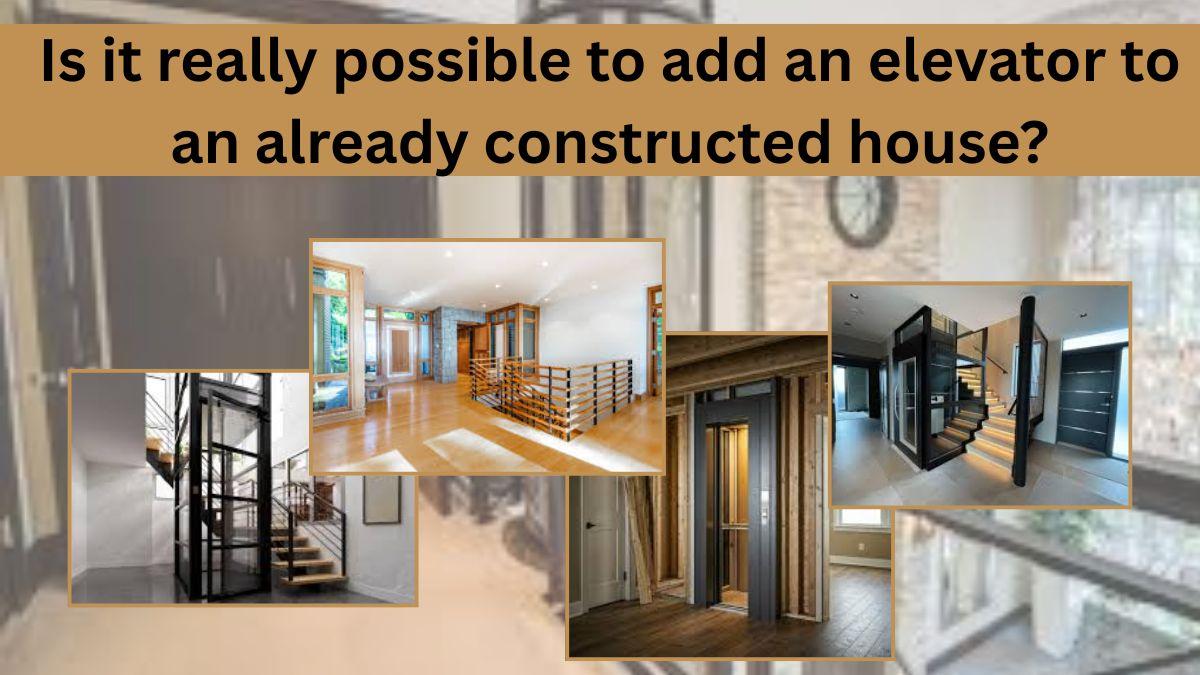
    Yes, installing an elevator in an existing house is not only possible, but increasingly common, especially in multi-storey homes, builder floors, duplexes, and villas. Modern home elevators are specifically designed for retrofit installations, meaning they can be added without major structural changes or heavy reconstruction.

    Most small home lifts require minimal space, often around 1 to 1.2 square meters, and many models work without a machine room. Depending on your home layout, a lift can be installed in areas like a staircase corner, along an external wall, inside a shaft cut-out, or even on a balcony. For homes where excavation is difficult, pit-less or low-pit lift options are also available.

    The process usually starts with a professional site inspection to assess space, load-bearing walls, electrical supply, and floor heights. Once finalized, installation typically takes a few weeks and causes minimal disruption to daily life.

    With features like smooth start-stop movement, emergency rescue systems, and compact designs, adding an elevator to an existing home is a practical way to improve comfort, accessibility, and long-term property value, especially for families with seniors or future mobility needs.

    https://atticoelevators.com/our-products/home-elevators/

    #homeelevator #retrofitelevator #houseelevator #verticalmobility #modernhomes #smartliving #accessibilitysolution
    Is it really possible to add an elevator to an already constructed house? Yes, installing an elevator in an existing house is not only possible, but increasingly common, especially in multi-storey homes, builder floors, duplexes, and villas. Modern home elevators are specifically designed for retrofit installations, meaning they can be added without major structural changes or heavy reconstruction. Most small home lifts require minimal space, often around 1 to 1.2 square meters, and many models work without a machine room. Depending on your home layout, a lift can be installed in areas like a staircase corner, along an external wall, inside a shaft cut-out, or even on a balcony. For homes where excavation is difficult, pit-less or low-pit lift options are also available. The process usually starts with a professional site inspection to assess space, load-bearing walls, electrical supply, and floor heights. Once finalized, installation typically takes a few weeks and causes minimal disruption to daily life. With features like smooth start-stop movement, emergency rescue systems, and compact designs, adding an elevator to an existing home is a practical way to improve comfort, accessibility, and long-term property value, especially for families with seniors or future mobility needs. https://atticoelevators.com/our-products/home-elevators/ #homeelevator #retrofitelevator #houseelevator #verticalmobility #modernhomes #smartliving #accessibilitysolution
    0 Comments 0 Shares 120 Views 0 Reviews
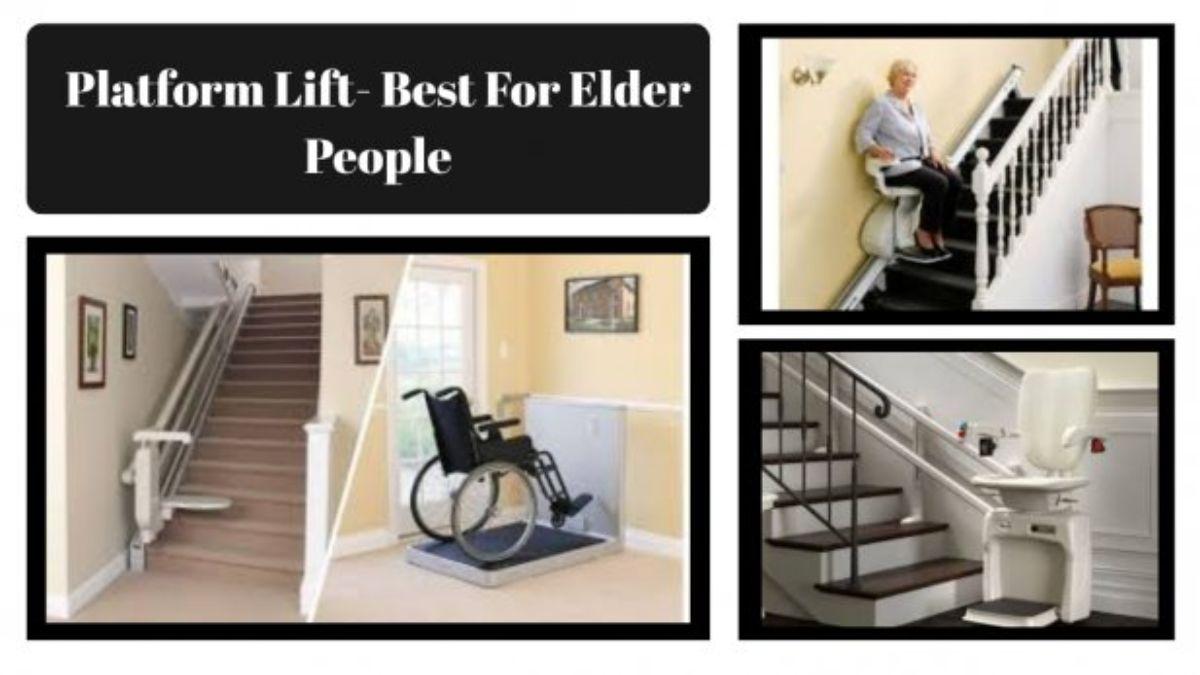
  • Why are Platform Lifts best for elderly people?

    The biggest benefit of a platform lift is the independence it brings. With a platform lift at home, a wheelchair user can move between floors without relying on someone else to assist them up or down the stairs. This is especially important for people who value privacy and autonomy, elderly users, and those recovering from injuries. A lift is empowering and restores confidence and helps users enjoy their home without barriers.

    Stairs are one of the biggest safety risks for wheelchair users. Even ramps can be too steep, require upper-body strength, or take up a large amount of space. Platform lifts for home support wheelchair users and remove all challenges. The user simply rolls onto a level platform and travels vertically with complete stability. There is no balancing, no transfers, and no slopes. It is one of the safest ways to move across floors, especially when strength or stability is limited.

    Advantages of Platform Lifts:
    No Step in Movement required
    Easy to Operate by Elders
    Enhanced Safety Features
    Fit for compact Spaces
    Cost-effective

    https://www.articleted.com/article/1060357/387901/How-Does-a-Platform-Lift-Help-Wheelchair-Users

    #platformlifts #elderlycare #accessibilitysolutions #seniorfriendlyhomes #homeelevators #mobilitysolutions #liftcompanyindelhi #atticoelevators
    Why are Platform Lifts best for elderly people? The biggest benefit of a platform lift is the independence it brings. With a platform lift at home, a wheelchair user can move between floors without relying on someone else to assist them up or down the stairs. This is especially important for people who value privacy and autonomy, elderly users, and those recovering from injuries. A lift is empowering and restores confidence and helps users enjoy their home without barriers. Stairs are one of the biggest safety risks for wheelchair users. Even ramps can be too steep, require upper-body strength, or take up a large amount of space. Platform lifts for home support wheelchair users and remove all challenges. The user simply rolls onto a level platform and travels vertically with complete stability. There is no balancing, no transfers, and no slopes. It is one of the safest ways to move across floors, especially when strength or stability is limited. Advantages of Platform Lifts: No Step in Movement required Easy to Operate by Elders Enhanced Safety Features Fit for compact Spaces Cost-effective https://www.articleted.com/article/1060357/387901/How-Does-a-Platform-Lift-Help-Wheelchair-Users #platformlifts #elderlycare #accessibilitysolutions #seniorfriendlyhomes #homeelevators #mobilitysolutions #liftcompanyindelhi #atticoelevators
    0 Comments 0 Shares 474 Views 0 Reviews
  • Can I install a residential elevator in an existing home?

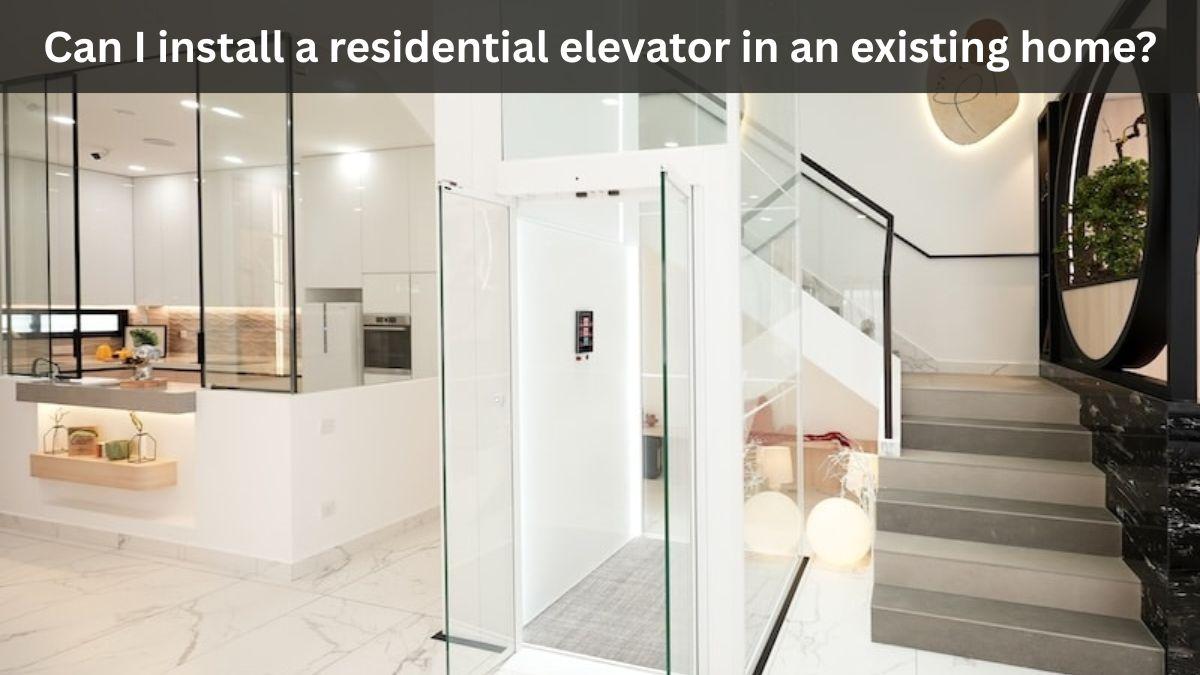
    Yes, many residential lift models are designed specifically for retrofit projects as these require minimal structural changes and can be fitted in stairwells, near walls, or even outdoors, depending on your home layout.

    You can install a residential elevator in existing home, and it is much easier than most people think. Compact shaft sizes, machine-room-less (MRL) designs, and low-pit configurations make them suitable for builder floors, duplexes, villas, and bungalows across Delhi NCR.

    A lift can be installed in unused corners, stairwell space, exterior walls, or even balconies. Many models require only 1–1.2 sq. m. of footprint, making them practical even for homes with limited space. If there is no pit, shallow-pit, or Machine Room Less Elevator options are available.

    The installation process begins with a site assessment, where experts evaluate space, load-bearing walls, and electrical needs. Once the model is finalised, basic civil preparation is done, followed by installation and testing, and it is completed within 4 to 8 weeks.

    Safety and convenience remain top priority. Features like emergency stop, ARD (Automatic Rescue Device), door sensors, and overload protection ensure secure usage, even in power-cut situations.

    So yes, whether you are upgrading your home for seniors, improving accessibility, or adding luxury, installing a residential elevator in an existing home is absolutely feasible and highly beneficial.

    https://atticoelevators.com/residential-elevators-in-delhi/

    #residentialelevator #homeelevator #existinghomes #homeupgrade #accessibilitysolutions #modernhomes #luxuryliving #homeimprovement #smartliving #elevatordesign

    Can I install a residential elevator in an existing home? Yes, many residential lift models are designed specifically for retrofit projects as these require minimal structural changes and can be fitted in stairwells, near walls, or even outdoors, depending on your home layout. You can install a residential elevator in existing home, and it is much easier than most people think. Compact shaft sizes, machine-room-less (MRL) designs, and low-pit configurations make them suitable for builder floors, duplexes, villas, and bungalows across Delhi NCR. A lift can be installed in unused corners, stairwell space, exterior walls, or even balconies. Many models require only 1–1.2 sq. m. of footprint, making them practical even for homes with limited space. If there is no pit, shallow-pit, or Machine Room Less Elevator options are available. The installation process begins with a site assessment, where experts evaluate space, load-bearing walls, and electrical needs. Once the model is finalised, basic civil preparation is done, followed by installation and testing, and it is completed within 4 to 8 weeks. Safety and convenience remain top priority. Features like emergency stop, ARD (Automatic Rescue Device), door sensors, and overload protection ensure secure usage, even in power-cut situations. So yes, whether you are upgrading your home for seniors, improving accessibility, or adding luxury, installing a residential elevator in an existing home is absolutely feasible and highly beneficial. https://atticoelevators.com/residential-elevators-in-delhi/ #residentialelevator #homeelevator #existinghomes #homeupgrade #accessibilitysolutions #modernhomes #luxuryliving #homeimprovement #smartliving #elevatordesign
    0 Comments 0 Shares 509 Views 0 Reviews