


The Mechanisms Behind Non-Flammable Yarn's Fire Protection
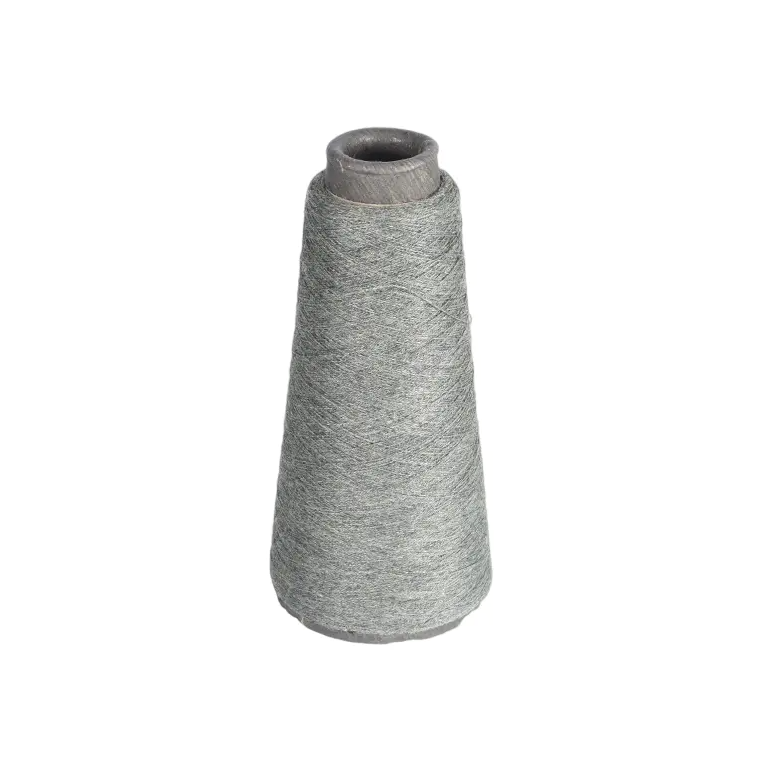
What is Non-Flammable Yarn?
Non-Flammable Yarn is a type of yarn that is specifically engineered to resist ignition or combustion when exposed to flames or high heat. This yarn is typically used in applications where fire safety is critical, such as in protective clothing, industrial fabrics, and home textiles. But how does this yarn achieve its fire-resistant properties? This article delves into the mechanisms and technologies that enable Non-Flammable Yarn to offer protection against fire.
The Role of Specialized Fibers
The foundation of Non-Flammable Yarn lies in the type of fibers used to make the yarn. These fibers are either inherently resistant to fire or are treated with chemicals that enhance their fire-resistant properties. Common fibers used for non-flammable yarns include aramid, glass fiber, and modacrylic fibers, each of which has natural resistance to heat and flame.
Aramid Fibers: These fibers, such as Nomex and Kevlar, are known for their high resistance to heat and flame. Aramids have a unique molecular structure that makes them difficult to ignite and slows down the spread of flames.
Glass Fibers: Glass fibers are naturally non-combustible, and their high melting point prevents them from catching fire even under intense heat.
Modacrylic Fibers: These fibers are chemically treated to be flame-retardant. When exposed to fire, modacrylic fibers form a protective barrier that prevents the spread of flames.
Chemical Treatments for Enhanced Fire Resistance
In addition to using flame-resistant fibers, Non-Flammable Yarn can be treated with special fire-retardant chemicals to further improve its resistance to combustion. These treatments work by altering the chemical structure of the fibers, making it more difficult for the fibers to catch fire or burn.
Intumescent Coatings: These coatings swell and form a protective barrier when exposed to heat, helping to prevent the yarn from catching fire.
Halogen-Free Fire Retardants: Many non-flammable yarns are treated with halogen-free fire retardants, which are safer for both the environment and the wearer. These chemicals disrupt the combustion process, helping to extinguish flames before they can spread.
The combination of high-performance fibers and advanced chemical treatments ensures that Non-Flammable Yarn maintains its fire-resistant qualities even after repeated washing or exposure to harsh environments.
Physical Properties That Resist Combustion
The physical structure of Non-Flammable Yarn also plays an important role in its ability to resist fire. Many non-flammable yarns have tightly woven or braided fibers, which help to prevent air from reaching the yarn and fueling combustion. The dense structure of the yarn creates a physical barrier to the spread of flames, as the fibers are compacted tightly enough to resist igniting when exposed to a flame.
Moreover, these yarns often have a high thermal conductivity, meaning they quickly dissipate heat and prevent the fibers from reaching their ignition temperature. This feature is especially important in fire-resistant fabrics used for protective clothing, as it helps to shield the wearer from the intense heat produced by flames.
The Benefits of Non-Flammable Yarn in Various Applications
Non-flammable yarn has numerous practical applications, particularly in industries where fire safety is a major concern. In the textile and garment industries, it is used to produce protective clothing for firefighters, industrial workers, and military personnel. In these applications, Non-Flammable Yarn ensures that the fabric will not catch fire or melt upon exposure to heat or flames, offering valuable protection to the wearer.
Non-flammable yarn is also commonly used in the manufacturing of flame-resistant curtains, bedding, and upholstery. In the construction and automotive industries, it can be incorporated into insulating materials to prevent fire from spreading. The yarn’s ability to withstand high temperatures makes it indispensable in areas where fire safety standards must be met.
The Science Behind Fire-Resistant Yarn
Non-Flammable Yarn achieves its fire-resistant properties through a combination of specialized fibers, chemical treatments, and physical characteristics that resist combustion. By utilizing inherently fire-resistant fibers like aramid, glass, or modacrylic and enhancing their properties with flame-retardant treatments, manufacturers are able to produce yarns that can withstand exposure to flames and high temperatures.

 English
 Arabic
 French
 Spanish
 Portuguese
 Deutsch
 Turkish
 Dutch
Dutch
 Russian
 Romaian
 Portuguese (Brazil)
 Greek
Greek