


The Modern Dietician Approach: Personalized Eating in a One-Size World
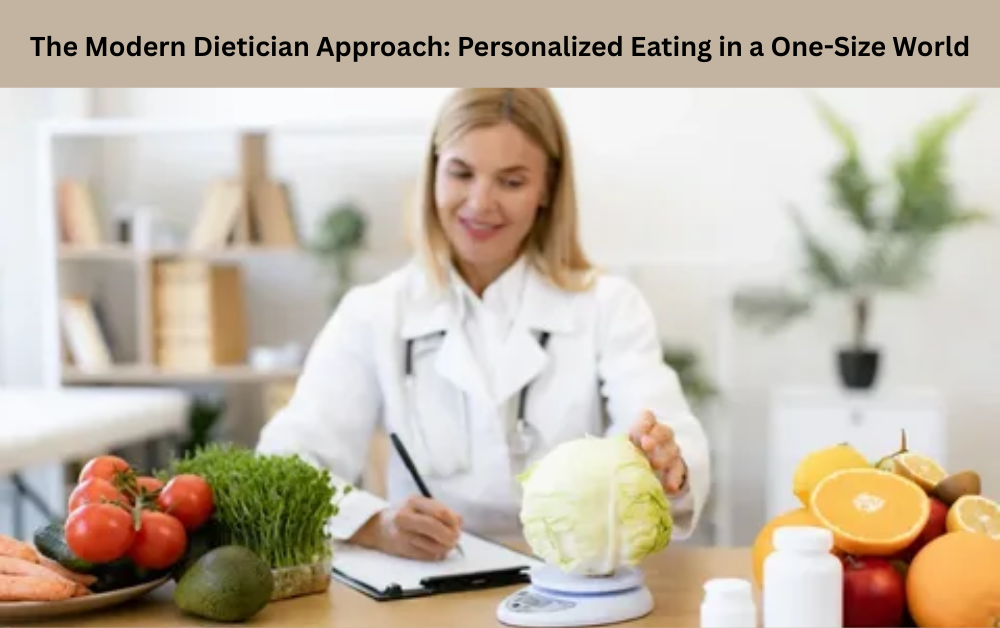
In an era where information about food and nutrition is everywhere, people are more confused than ever about what to eat. Social media trends, viral diets, and generalized meal plans promise fast results, yet often fail to deliver sustainable health. This growing disconnect has led to a significant shift in how nutrition is approached. The modern dietician no longer follows a one-size-fits-all formula. Instead, the focus has moved toward personalized eating, recognizing that every individual has unique nutritional needs shaped by biology, lifestyle, culture, and health goals.
Personalized nutrition is not just a trend; it is a response to the limitations of generic dietary advice. As science continues to uncover how differently bodies respond to food, the role of the dietician has evolved into that of a guide who designs tailored strategies rather than prescribing rigid rules.
Why One-Size Nutrition No Longer Works
For decades, nutritional advice was built around standardized guidelines intended for the general population. While these guidelines offered a foundation for healthy eating, they often overlooked individual differences. Two people following the same diet can experience completely different outcomes, ranging from improved health to fatigue or nutrient deficiencies.
Factors such as age, metabolism, genetics, medical history, gut health, stress levels, and daily routines play a critical role in how food is digested and utilized. A meal plan that supports one person’s energy levels may cause blood sugar fluctuations in another. Modern dieticians understand that ignoring these differences can lead to frustration and poor long-term adherence.
Personalized eating acknowledges that nutrition must adapt to the person, not the other way around. This shift has made dietary planning more precise, realistic, and sustainable.
The Role of a Modern Dietician in Personalized Nutrition
The modern dietician acts as a strategist rather than a rule enforcer. Instead of simply recommending foods to eat or avoid, they analyze the complete picture of an individual’s life. This includes health markers, dietary preferences, cultural habits, work schedules, and even emotional relationships with food.
Through detailed assessments, dieticians identify nutritional gaps, triggers for unhealthy eating patterns, and obstacles that may prevent consistency. Their goal is to design a flexible plan that fits naturally into a person’s lifestyle. This approach increases compliance and supports long-term health rather than short-lived results.
By focusing on education, dieticians empower individuals to make informed food choices rather than relying on restrictive plans that are difficult to maintain.
Understanding Individual Nutritional Needs
Personalized eating begins with understanding that nutritional needs vary widely. Caloric requirements differ based on body composition and activity levels. Micronutrient needs shift with age, gender, and health conditions. Even hydration needs are influenced by climate, physical activity, and overall health.
Modern dieticians assess these variables to ensure the body receives the right balance of nutrients. Rather than chasing perfection, the emphasis is placed on adequacy and balance. This prevents deficiencies, supports energy levels, and enhances overall well-being.
This individualized understanding allows nutrition plans to evolve as a person’s life circumstances change, making them adaptable and practical.
Lifestyle and Habit-Based Nutrition Planning
One of the most important aspects of personalized nutrition is lifestyle alignment. A diet plan is only effective if it can be followed consistently. Modern dieticians consider work hours, travel frequency, cooking skills, and access to food when designing meal strategies.
For someone with a demanding schedule, simplicity and convenience are prioritized. For others, meal variety and creativity may be essential to maintain motivation. By working within real-life constraints, dieticians help individuals build habits that last.
This habit-based approach reduces reliance on willpower and focuses instead on creating systems that naturally support healthier choices.
Cultural and Social Influences on Eating
Food is deeply connected to culture, traditions, and social interactions. Ignoring these aspects can make a nutrition plan feel restrictive or isolating. Modern dieticians respect cultural food preferences and integrate them into personalized eating strategies.

Rather than eliminating traditional foods, dieticians explore portion control, preparation methods, and frequency to maintain nutritional balance. This inclusive approach helps individuals enjoy their meals without guilt while still supporting health goals.
By honoring cultural identity, personalized nutrition becomes more meaningful and emotionally sustainable.
The Science Behind Personalized Eating
Advancements in nutrition science have played a major role in shaping the modern dietician approach. Research has shown that people respond differently to carbohydrates, fats, and proteins based on metabolic factors and insulin sensitivity.
Understanding how the body processes nutrients allows dieticians to adjust macronutrient distribution according to individual responses. Some people thrive on higher carbohydrate intake, while others feel better with a greater focus on protein and healthy fats.
This scientific insight moves nutrition beyond guesswork and toward evidence-based personalization that supports both physical and mental health.
Managing Health Conditions Through Tailored Nutrition
Personalized eating is especially important for individuals managing health conditions. Generic dietary advice may not address specific needs related to blood sugar control, digestive health, hormonal balance, or cardiovascular support.
Modern dieticians tailor nutrition plans to work alongside medical care, ensuring that food choices support treatment goals. This targeted approach can help manage symptoms, improve quality of life, and reduce the risk of complications.
By aligning nutrition with individual health requirements, dieticians contribute to preventive care and long-term wellness.
The Psychological Aspect of Personalized Nutrition
Eating habits are influenced by emotions, stress, and past experiences. Modern dieticians recognize that nutrition is not just physical but psychological as well. Personalized eating considers emotional triggers, disordered eating patterns, and mindset challenges.
Rather than promoting restriction, dieticians encourage awareness and balance. This helps individuals rebuild trust with food and develop a healthier relationship with eating. By addressing both mental and physical aspects, personalized nutrition supports overall well-being.
This compassionate approach reduces guilt and anxiety around food, making healthy eating more achievable.
Technology and Data in Modern Dietician Practices
Technology has enhanced the ability to personalize nutrition. Food tracking tools, wearable devices, and health data provide insights into eating patterns, activity levels, and progress over time.
Modern dieticians use this information to refine strategies and make adjustments based on real-world feedback. Data-driven personalization allows for more accurate recommendations and better outcomes.
However, technology is used as a support tool rather than a replacement for professional judgment. Human insight remains essential in interpreting data and providing meaningful guidance.
Long-Term Sustainability Over Short-Term Results
One of the defining principles of the modern dietician approach is sustainability. Personalized eating is designed to support lifelong health rather than temporary transformation. Instead of focusing solely on quick results, dieticians prioritize habits that can be maintained for years.
This long-term perspective helps individuals avoid cycles of restriction and relapse. By building flexible routines and realistic expectations, personalized nutrition becomes a permanent part of daily life.
Sustainable eating supports consistent energy, stable weight management, and improved overall health.
The Future of Personalized Nutrition
As research continues to evolve, personalized nutrition is expected to become even more precise. Greater understanding of individual responses to food will further refine dietary recommendations.
The role of the dietician will remain central in translating scientific insights into practical guidance. Human connection, empathy, and adaptability will continue to define effective nutrition care.
In a world full of generalized advice, the modern dietician approach stands out by focusing on the individual, proving that personalized eating is not a luxury but a necessity for true health.
Conclusion
The modern dietician approach represents a meaningful shift away from rigid, one-size-fits-all nutrition toward personalized eating that respects individuality. By considering lifestyle, culture, health conditions, and psychological factors, dieticians create nutrition strategies that are both effective and sustainable.
Personalized eating empowers individuals to understand their bodies, make informed choices, and build lasting habits. In a world overwhelmed by generic advice, this tailored approach offers clarity, balance, and a realistic path to long-term well-being.
For More Isightful Articles Related To This Topic, Feel Free To Visit: buzzakoo

 English
 Arabic
 French
 Spanish
 Deutsch
 Turkish
 Dutch
Dutch
 Italiano
 Russian
 Romaian
 Portuguese (Brazil)
 Greek
Greek