


A Detailed Guide to Fridge Removal in Brisbane: Safe, Practical, and Responsible Solutions
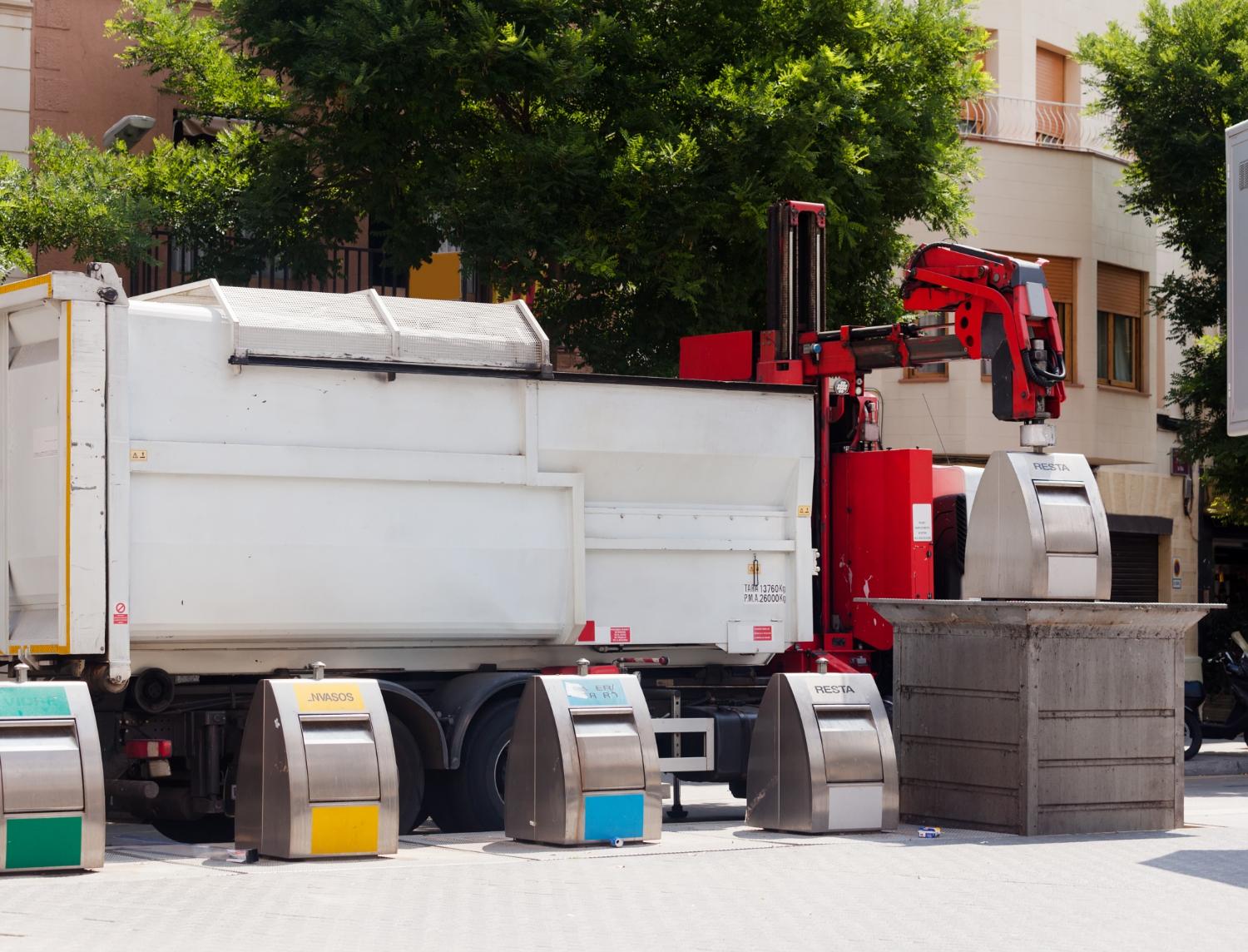
Managing large household appliances can be challenging, especially when they reach the end of their useful life. Among these appliances, refrigerators are particularly difficult to move and dispose of due to their size, weight, and environmental considerations. For residents and businesses, fridge removal Brisbane has become an important service that addresses both practical and regulatory concerns. Understanding how fridge removal works and why it requires careful handling can help ensure a smooth and responsible process.
This guide explores fridge removal in Brisbane in detail, covering the reasons for removal, the process involved, safety considerations, and environmental responsibilities, all while focusing on practical information rather than promotion.
Understanding Fridge Removal in Brisbane
Fridge removal refers to the collection, transport, and disposal or recycling of refrigerators that are no longer required. In Brisbane, this process must align with local waste management regulations and environmental standards, as fridges contain materials that can be harmful if not handled correctly. These include refrigerant gases, insulation foam, and electrical components that require specialised treatment.
Because of these factors, fridge removal is not as straightforward as placing an appliance on the kerb. It often requires organised handling to ensure safety and compliance.
Common Reasons for Fridge Removal
There are many situations in which fridge removal in Brisbane becomes necessary. Some of the most common reasons include:
-
Upgrading appliances: When households replace an old fridge with a newer model, the existing unit needs to be removed.
-
Breakdowns and malfunctions: Older refrigerators may stop functioning efficiently or fail completely, making repair impractical.
-
Relocation or downsizing: Moving to a smaller home or changing living arrangements may leave no space for an extra fridge.
-
Commercial changes: Businesses such as cafés, offices, and rental properties may need fridge removal during refurbishments or closures.
-
Safety concerns: Damaged or leaking fridges can pose risks if left unattended.
Each of these scenarios highlights the need for a reliable approach to fridge removal that prioritises safety and responsible disposal.
Challenges Associated with Fridge Removal
Fridges are among the heaviest household appliances, often weighing well over 100 kilograms. This creates several challenges:
-
Physical strain: Moving a fridge without proper equipment can result in injury.
-
Access limitations: Narrow hallways, stairs, and tight doorways can make removal difficult.
-
Environmental risks: Refrigerant gases and oils must be handled correctly to prevent environmental harm.
-
Transport requirements: Fridges must be transported upright or secured properly to avoid damage or leaks.
Due to these challenges, fridge removal in Brisbane typically requires planning and an understanding of correct handling techniques.
The Fridge Removal Process
The process of fridge removal generally follows a structured approach to ensure safety and compliance.
Initial Assessment
The first step involves assessing the fridge’s size, condition, and location. Access points, such as staircases or lifts, are considered to determine the safest removal method. This assessment helps identify any potential risks before the removal begins.
Preparation
Before removal, the fridge should be unplugged and emptied. Shelves and loose components are usually secured or removed to prevent damage. In some cases, doors may be taped shut to ensure stability during transport.
Safe Disconnection
Electrical disconnection is a straightforward step, but the refrigerant system requires special attention. While residents are not expected to manage refrigerants themselves, proper handling ensures these substances are dealt with according to regulations once the fridge reaches a recycling or disposal facility.
Lifting and Transport
Using appropriate equipment such as trolleys and straps, the fridge is carefully moved from the property. Correct lifting techniques are essential to avoid injury and property damage. Once loaded, the fridge is transported to an approved facility.
Disposal or Recycling
At the final stage, the fridge is either dismantled for recycling or disposed of according to environmental guidelines. Metals, plastics, and other recyclable materials are separated, while hazardous components are treated appropriately.
Environmental Considerations in Fridge Removal
Environmental responsibility plays a major role in fridge removal in Brisbane. Refrigerators contain substances that can contribute to ozone depletion or greenhouse gas emissions if released into the atmosphere. For this reason, strict guidelines apply to their disposal.
Recycling facilities are equipped to extract refrigerant gases safely and process materials such as steel, aluminium, and copper. This reduces landfill waste and supports sustainable resource use. Responsible fridge removal ensures compliance with environmental standards and minimises ecological impact.
Safety Factors to Consider
Safety is a key concern during fridge removal. Potential risks include muscle injuries, slips, and property damage. To reduce these risks, it is important to consider:
-
Weight and balance: Fridges are top-heavy and can tip if not handled carefully.
-
Protective equipment: Gloves and sturdy footwear help reduce injury risks.
-
Clear pathways: Removing obstacles ensures a smoother removal process.
-
Avoiding DIY risks: Attempting to move a fridge without experience or equipment can be dangerous.
In Brisbane, fridge removal is often approached with a strong emphasis on safe handling to prevent accidents.
Fridge Removal for Residential Properties
In residential settings, fridge removal may involve navigating stairs, driveways, or shared spaces. Apartment buildings may have additional rules regarding lift use and access times. Planning ahead helps avoid complications and ensures the process runs smoothly.
For households with limited storage or access, fridge removal can free up space and reduce clutter. Proper scheduling and preparation are key to avoiding disruptions.
Fridge Removal for Commercial Properties
Commercial fridge removal in Brisbane can involve larger or multiple units. Restaurants, supermarkets, and offices may need to remove display fridges, cool rooms, or industrial appliances. These removals often require coordination to minimise disruption and ensure compliance with workplace safety standards.
Commercial removals also generate a larger volume of recyclable materials, making responsible disposal particularly important.
Regulatory and Compliance Aspects
Local regulations in Brisbane and Queensland influence how fridges are disposed of. These rules aim to protect the environment and public health. Improper disposal, such as illegal dumping, can result in penalties and environmental harm.
Understanding these regulations highlights why fridge removal is treated as a specialised task rather than general waste disposal.
Preparing for Fridge Removal
To ensure an efficient removal process, preparation is essential. This includes:
-
Emptying and defrosting the fridge
-
Disconnecting power safely
-
Measuring doorways and access points
-
Clearing pathways for easy movement
These steps reduce delays and help maintain safety throughout the process.
Conclusion
Fridge removal in Brisbane is a practical necessity for many households and businesses, but it is not a simple task. The size, weight, and environmental impact of refrigerators require careful handling, planning, and responsible disposal. By understanding the process, challenges, and safety considerations involved, individuals can approach fridge removal with greater confidence and awareness.
Whether driven by upgrades, breakdowns, or changes in living or working arrangements, fridge removal plays an important role in maintaining safe, organised, and environmentally responsible spaces across Brisbane.

 English
 Arabic
 French
 Spanish
 Portuguese
 Deutsch
 Turkish
 Dutch
Dutch
 Russian
 Romaian
 Portuguese (Brazil)
 Greek
Greek