


Algae Butter Market Global Analysis Size Trends and Forecast to 2033
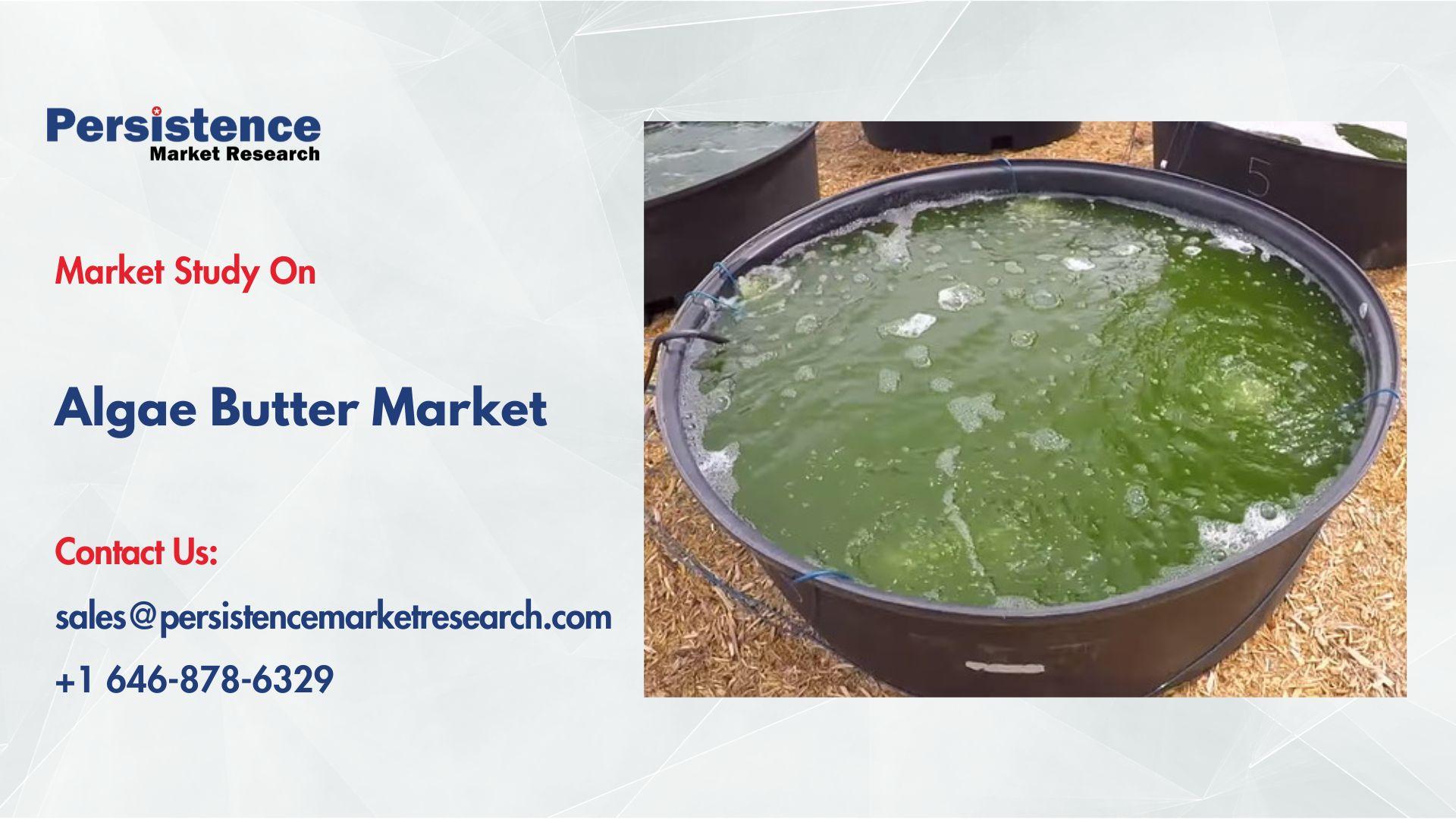
The global algae butter market is poised for significant expansion over the coming years, reflecting increasing consumer interest in plant-based alternatives and sustainable food products. Valued at approximately US$1.4 billion in 2026, the market is projected to reach US$2.6 billion by 2033, representing a compound annual growth rate (CAGR) of 9.2% during the forecast period from 2026 to 2033. This growth is driven by a combination of rising health consciousness, environmental sustainability concerns, and the growing adoption of vegan and lactose-free diets across developed and emerging markets.
Algae butter, a plant-based spread derived from microalgae and other algae species, has emerged as a sustainable alternative to conventional dairy butter. The market’s upward trajectory is underpinned by several macroeconomic and industry-specific drivers. Increasing awareness of the environmental impact of animal agriculture has shifted consumer preference toward plant-based products, particularly those offering a similar taste and nutritional profile to dairy butter. Additionally, regulatory support for sustainable food products, coupled with innovations in algae cultivation and processing, is enabling manufacturers to produce high-quality, cost-effective algae butter at scale.
Rising demand from the bakery, confectionery, and foodservice industries is further accelerating market growth. Algae butter’s functional benefits, including high levels of healthy unsaturated fats, omega-3 fatty acids, and antioxidants, position it as an attractive option for health-conscious consumers. During the forecast period, the market is expected to witness sustained adoption across both retail and institutional channels, driven by an expanding consumer base seeking ethical and sustainable food alternatives.
Get Your FREE Sample Report Instantly – Click Now: https://www.persistencemarketresearch.com/samples/17302
Segmentation Analysis
By Type
The global algae butter market is segmented based on product type into salted, unsalted, and flavored variants. Among these, the unsalted segment currently dominates the market due to its versatile applications in cooking, baking, and direct consumption. Unsalted algae butter appeals to both health-conscious consumers and the foodservice industry, offering a neutral flavor profile that complements a wide variety of culinary applications. Meanwhile, flavored variants, including herb-infused and garlic-enhanced butter, are witnessing rapid growth, particularly in niche premium and gourmet segments. Innovations in flavoring and fortification are expected to further propel this segment during the forecast period.
By Vehicle/Product/Service Type
In terms of product vehicles, algae butter is increasingly being incorporated into bakery items, confectioneries, spreads, and ready-to-eat meal kits. The spread segment holds a significant share due to consumer preference for convenience and versatility in daily food preparation. Adoption trends indicate a growing inclination toward functional spreads fortified with additional nutrients, such as plant proteins or probiotics, to cater to the rising health and wellness trend. The bakery sector remains a key growth driver, with manufacturers increasingly substituting traditional butter with algae butter in cakes, pastries, and cookies to meet the demand for plant-based options.
By Propulsion/Technology/Channel
While propulsion or technology-based segmentation is less relevant for food products like algae butter, production technologies, including cold-press extraction and advanced fermentation methods, are transforming the market. These innovations enhance yield, reduce production costs, and improve flavor and texture profiles, thereby encouraging wider adoption. Distribution channels are expanding across modern retail formats, e-commerce platforms, and specialty health stores, reflecting consumer preference for convenient purchase options.
Need Tailored Insights? Request Customization Now: https://www.persistencemarketresearch.com/request-customization/17302
Regional Insights
North America currently leads the algae butter market, supported by high consumer awareness of plant-based diets and extensive retail penetration. The United States, in particular, has emerged as a focal point for innovation, with several startups and established food manufacturers investing in algae-based products to capture the growing vegan and lactose-free consumer segment. Europe is also a significant contributor, driven by strong regulatory frameworks promoting sustainable agriculture and environmentally responsible food production.
The Asia-Pacific region is expected to register the fastest growth over the forecast period, fueled by increasing urbanization, rising disposable incomes, and growing adoption of Western dietary habits. Countries such as Japan, China, and Australia are witnessing a surge in demand for plant-based spreads as consumers seek healthier alternatives to traditional butter. The region’s expanding foodservice sector and increasing participation of international food chains further support the growth of algae butter.
Unique Features and Innovations in the Market
Modern algae butter solutions are distinguished by their sustainability credentials, nutritional value, and technological advancements. Unlike conventional dairy butter, algae butter production requires significantly less water and land, contributing to lower greenhouse gas emissions. Companies are increasingly leveraging innovations in algae cultivation, including photobioreactors, fermentation, and enzyme-assisted extraction, to improve efficiency and product quality.
Technologies such as AI and IoT are playing a transformative role in the market. AI-driven predictive analytics help manufacturers optimize algae growth conditions and forecast demand, while IoT-enabled monitoring systems ensure consistent product quality and operational efficiency. Furthermore, digital supply chain integration facilitates timely distribution, reducing waste and ensuring freshness, which is crucial for perishable products like spreads. These advancements position algae butter as a technologically sophisticated and environmentally responsible alternative to traditional dairy.
Market Highlights
Several factors are driving the widespread adoption of algae butter across industries. Sustainability concerns, health and wellness trends, and regulatory incentives collectively encourage businesses and consumers to shift toward plant-based spreads. Cost-efficiency is another critical driver; although initial production costs for algae butter can be higher, scaling through technological innovations and strategic partnerships is lowering prices, making the product more accessible to mass-market consumers.
Additionally, stringent regulations promoting sustainable food practices and reducing carbon footprints incentivize manufacturers to explore algae-based alternatives. Industries are increasingly prioritizing products that align with corporate social responsibility goals, enhance brand reputation, and meet evolving consumer expectations. The combination of health benefits, environmental impact reduction, and regulatory compliance makes algae butter a compelling choice for manufacturers, retailers, and end consumers alike.
Secure Your Full Report – Proceed to Checkout: https://www.persistencemarketresearch.com/checkout/17302
Key Players and Competitive Landscape
The global algae butter market is highly competitive, with several key players driving innovation, expanding production capacities, and enhancing market reach. Leading companies include Upfield, NotCo, Earth Island Foods, Algatech, and Algaia, each adopting unique strategies to consolidate market share.
Upfield has focused on global expansion and portfolio diversification, introducing algae-based spreads across multiple regions while emphasizing sustainability. NotCo leverages AI-driven product formulation technology to replicate the taste and texture of dairy butter using plant-based ingredients, appealing to tech-savvy and health-conscious consumers. Earth Island Foods prioritizes organic and non-GMO products, tapping into the growing demand for clean-label spreads. Algatech and Algaia focus on proprietary algae cultivation methods and functional ingredient innovations, enhancing nutritional profiles and product performance.
Future growth opportunities lie in expanding into emerging markets, investing in R&D for fortified and functional spreads, and leveraging digital marketing to target health-conscious demographics. Evolving technologies, coupled with supportive regulations and shifting consumer preferences, will continue to shape competitive dynamics, driving consolidation and collaboration across the value chain.
Conclusion
The global algae butter market is positioned for robust growth between 2026 and 2033, driven by sustainability trends, health-conscious consumption, and technological innovation. With the market expected to grow from US$1.4 billion in 2026 to US$2.6 billion by 2033 at a CAGR of 9.2%, stakeholders across the value chain—including manufacturers, retailers, and investors—stand to benefit from emerging opportunities. Strategic investments in production technologies, regional expansion, and product innovation will further accelerate market penetration and long-term profitability.
Explore the Latest Trending Research Reports:

 English
 Arabic
 French
 Spanish
 Portuguese
 Deutsch
 Turkish
 Dutch
Dutch
 Italiano
 Russian
 Romaian
 Greek
Greek