


Power Generation market opportunities in decentralized energy systems and hybrid renewable solutions worldwide
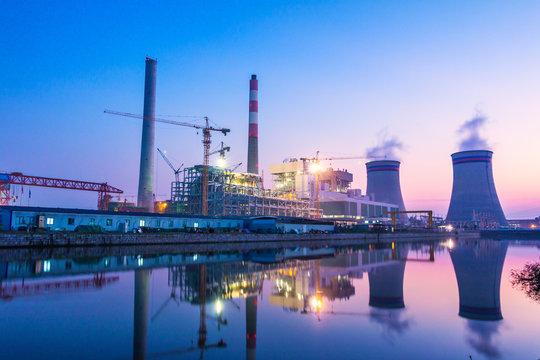
The power generation market is witnessing growing opportunities driven by decentralized energy systems and hybrid renewable solutions that are reshaping electricity generation worldwide. As energy demand rises and sustainability goals strengthen, decentralized models and hybrid configurations combining multiple renewable sources are gaining attention for their flexibility, reliability, and efficiency. These approaches are redefining how power is generated, distributed, and consumed across residential, commercial, and industrial sectors globally.
Overview of Decentralized Power Generation
Decentralized power generation refers to electricity production closer to the point of consumption rather than relying solely on centralized power plants. This model reduces transmission losses, improves reliability, and enhances energy access. Market opportunities are expanding as decentralized systems become essential for supporting growing urban populations, remote communities, and industrial facilities. Decentralization also enables faster deployment of renewable energy projects compared to large centralized infrastructure.
Growing Importance of Hybrid Renewable Solutions
Hybrid renewable solutions combine two or more energy sources, such as solar and wind or solar with energy storage, to ensure consistent power supply. These systems reduce dependence on a single resource and improve system reliability. Market analysis shows that hybrid solutions are increasingly adopted to manage intermittency, enhance efficiency, and support stable electricity generation in diverse geographical conditions worldwide.
Drivers Creating Market Opportunities
Several factors are driving market opportunities in decentralized and hybrid power generation. Rising electricity demand, climate change concerns, and the need for energy security are key drivers. Advances in renewable technologies, falling equipment costs, and supportive policies further accelerate adoption. Market trends indicate that decentralized hybrid systems are particularly attractive in regions with limited grid infrastructure or frequent power disruptions.
Role of Solar Energy in Decentralized Systems
Solar energy plays a central role in decentralized power generation. Rooftop solar installations, community solar projects, and small-scale solar plants provide localized electricity generation. Market opportunities are growing as solar systems integrate with batteries and other renewable sources, enabling round-the-clock power availability. Solar-based decentralized systems also support rural electrification and reduce reliance on diesel generators.
Wind Energy Integration in Hybrid Models
Wind energy complements solar power in hybrid systems by generating electricity during different weather conditions and times of day. Small and medium wind turbines are increasingly deployed in decentralized applications, particularly in coastal and high-wind regions. Market analysis highlights that combining wind with solar and storage improves capacity utilization and ensures more stable power generation profiles.
Energy Storage Enhancing Hybrid Solutions
Energy storage is a critical component of decentralized hybrid renewable systems. Batteries and other storage technologies store excess energy and supply power during periods of low generation. Market opportunities in storage integration are expanding rapidly as storage costs decline and performance improves. Storage enhances reliability, supports grid independence, and enables efficient energy management for decentralized users.
Industrial and Commercial Market Opportunities
Industrial and commercial sectors present significant opportunities for decentralized and hybrid power solutions. Manufacturing plants, data centers, hospitals, and commercial complexes require reliable electricity with minimal downtime. Market analysis indicates that on-site hybrid renewable systems help reduce energy costs, improve sustainability performance, and protect operations from grid instability, making them an attractive investment for businesses worldwide.
Residential Sector Adoption Trends
Residential adoption of decentralized energy systems is increasing due to rising electricity costs and awareness of clean energy benefits. Rooftop solar combined with battery storage allows households to generate and manage their own electricity. Market opportunities are particularly strong in urban and suburban areas where space constraints and energy efficiency are priorities. Hybrid systems enhance self-consumption and reduce dependence on centralized grids.
Opportunities in Emerging and Remote Regions
Emerging markets and remote regions offer vast opportunities for decentralized and hybrid power generation. Limited grid connectivity and growing energy needs make decentralized solutions ideal for rural electrification. Market analysis shows that hybrid renewable systems provide reliable, affordable, and sustainable electricity, supporting economic development, education, healthcare, and industrial growth in underserved areas.
Government Policies Supporting Market Growth
Government policies play a crucial role in unlocking market opportunities. Incentives, subsidies, net metering programs, and renewable energy targets encourage decentralized and hybrid system deployment. Market analysis highlights that supportive regulatory frameworks reduce investment risk and attract private sector participation. Countries prioritizing energy access and sustainability are accelerating policy support for decentralized solutions.
Technological Advancements Expanding Opportunities
Technological innovation is expanding market opportunities across decentralized and hybrid systems. Improvements in solar panel efficiency, wind turbine design, battery storage, and digital energy management systems enhance performance and reduce costs. Market analysis indicates that smart controllers, remote monitoring, and automation improve reliability and simplify system management, increasing adoption across sectors.
Financial Models and Investment Potential
Innovative financial models are driving investment in decentralized and hybrid power generation. Power purchase agreements, leasing models, and community ownership structures reduce upfront costs and improve affordability. Market opportunities attract investors seeking stable returns, lower risk, and alignment with sustainability goals. Financing flexibility is accelerating project development in both developed and emerging markets.
Challenges Affecting Market Expansion
Despite strong potential, challenges remain in scaling decentralized and hybrid solutions. Regulatory complexity, financing constraints, technical integration issues, and lack of skilled workforce can hinder growth. Market analysis suggests that addressing these challenges requires policy harmonization, capacity building, and collaboration between technology providers, governments, and investors.
Strategic Recommendations for Stakeholders
Stakeholders should focus on designing scalable, flexible, and integrated hybrid solutions tailored to local energy needs. Investing in storage integration, digital monitoring, and efficient system design enhances competitiveness. Market analysis recommends partnerships with local authorities, technology providers, and financial institutions to maximize market penetration and long-term success.
Long-Term Market Outlook
The long-term outlook for decentralized energy systems and hybrid renewable solutions is highly positive. Rising demand for reliable, clean electricity and continued technological progress will drive sustained growth. Market opportunities will expand across residential, commercial, industrial, and remote applications, making decentralized hybrid systems a key pillar of the global power generation landscape.
Conclusion
Power generation market opportunities in decentralized energy systems and hybrid renewable solutions are transforming global electricity production. These models offer flexibility, reliability, and sustainability while addressing diverse energy needs. Strategic investment, supportive policies, and technological innovation will be essential for stakeholders aiming to capture long-term value in this evolving power generation market.

 English
 Arabic
 French
 Spanish
 Portuguese
 Deutsch
 Turkish
 Dutch
Dutch
 Russian
 Romaian
 Portuguese (Brazil)
 Greek
Greek