Dehydration can quietly disrupt nearly every system in the body, from circulation to organ function, making recovery slower and more difficult. When fluid loss becomes significant, oral hydration may no longer be enough to restore balance efficiently. In such cases, medically supervised IV therapy plays a critical role in recovery, and services such as IV drip in Dubai are often associated with structured, professional healthcare environments focused on safe and effective patient support.
Understanding Dehydration and Its Impact:
Dehydration occurs when the body loses more fluids than it takes in, leading to reduced blood volume and impaired cellular function. Even mild dehydration can affect concentration, energy levels, and physical performance, while severe dehydration may lead to serious complications.
-
Reduced circulation and oxygen delivery
-
Electrolyte imbalances affecting muscle and nerve function
-
Increased strain on the heart and kidneys
-
Slower healing and recovery processes
Why Oral Hydration Is Sometimes Not Enough:
Although drinking fluids is the first line of defense against dehydration, certain conditions make oral hydration ineffective or impractical. Nausea, vomiting, digestive disorders, or severe weakness can prevent adequate fluid intake, delaying recovery.
-
Limited absorption due to gastrointestinal issues
-
Inability to tolerate fluids by mouth
-
Slower correction of fluid deficits
-
Risk of worsening dehydration
How IV Drips Restore Fluid Balance:
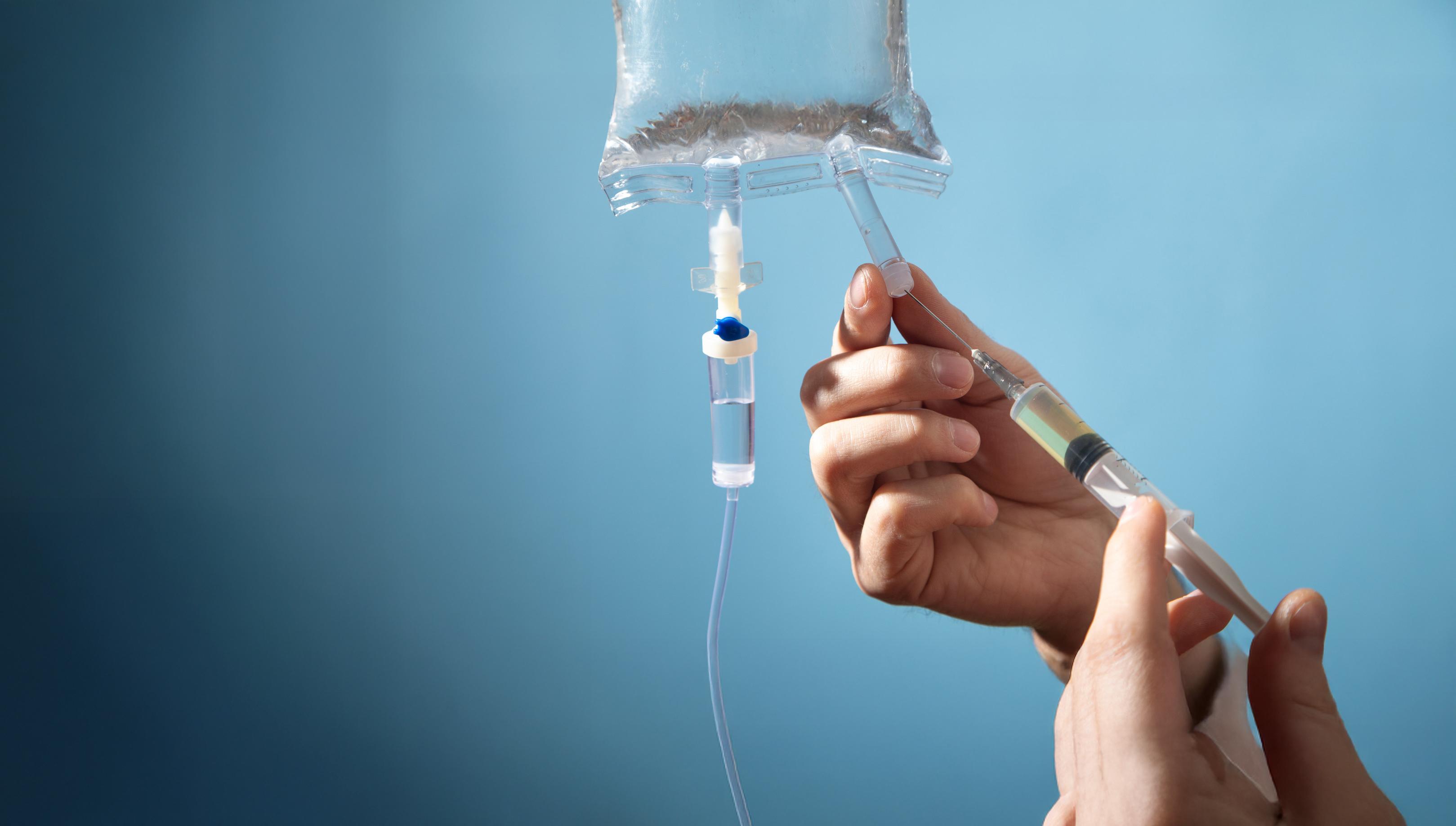
IV drips deliver fluids directly into the bloodstream, allowing the body to regain hydration quickly and efficiently. This method ensures immediate availability of fluids to cells and organs, supporting faster stabilization and healing.
-
Direct bloodstream delivery
-
Rapid expansion of blood volume
-
Immediate support for vital organs
-
Controlled and measurable hydration
The Role of Electrolytes in Healing:
Electrolytes such as sodium, potassium, and chloride are essential for maintaining nerve signals, muscle contractions, and fluid balance. IV drips often include carefully balanced electrolytes to restore normal physiological function.
-
Support for heart rhythm and muscle movement
-
Regulation of fluid distribution
-
Prevention of cramps and weakness
-
Stabilization of cellular activity
Supporting the Body During Illness:
During illness, the body’s demand for fluids and nutrients increases as it works to fight infection and repair tissues. IV therapy supports this process by ensuring consistent hydration even when appetite or fluid intake is reduced.
-
Assistance during fever or infection
-
Reduced risk of complications
-
Improved tolerance to medical treatments
-
Enhanced overall recovery support
IV Drips in Post-Dehydration Recovery:
Recovery does not end once dehydration is corrected; the body also needs support to regain strength and balance. IV therapy helps maintain hydration levels while the body repairs itself and returns to normal function.
-
Sustained hydration during recovery
-
Reduced fatigue and weakness
-
Support for metabolic processes
-
Smoother transition back to daily activity
Medical Supervision and Personalized Care:
IV drip therapy is most effective when guided by healthcare professionals who assess individual needs. Treatment plans are tailored based on age, medical condition, and severity of dehydration. In regulated care settings, including those offering IV drip in Dubai, patient monitoring is a central part of therapy.
-
Individualized fluid composition
-
Adjusted infusion rates
-
Continuous observation during treatment
-
Clear post-therapy guidance
Healing Beyond Hydration:
While fluids are the primary focus, IV drips may also support healing by ensuring proper circulation and nutrient delivery throughout the body. Adequate hydration enhances the body’s natural repair mechanisms.
-
Improved oxygen delivery to tissues
-
Enhanced waste removal
-
Support for immune response
-
Optimized cellular repair
When IV Drip Therapy Is Most Beneficial:
Not every case of dehydration requires IV therapy, but certain situations benefit significantly from this approach. Medical evaluation helps determine when IV support is appropriate.
-
Moderate to severe dehydration
-
Recovery from illness or surgery
-
Elderly patients with reduced thirst response
-
Conditions affecting fluid absorption
Final Thoughts
From dehydration to full recovery, IV drip therapy plays a vital role in helping the body heal when oral hydration alone is not enough. By delivering fluids and electrolytes directly into the bloodstream, it restores balance, supports organ function, and promotes efficient recovery. When administered under professional supervision, IV therapy remains a trusted and effective tool in modern medical care, helping patients regain stability and strength safely.




 English
 Arabic
 French
 Spanish
 Portuguese
 Deutsch
 Turkish
 Dutch
Dutch
 Italiano
 Russian
 Romaian
 Portuguese (Brazil)