


How Does a Steam Pump Motor Work?
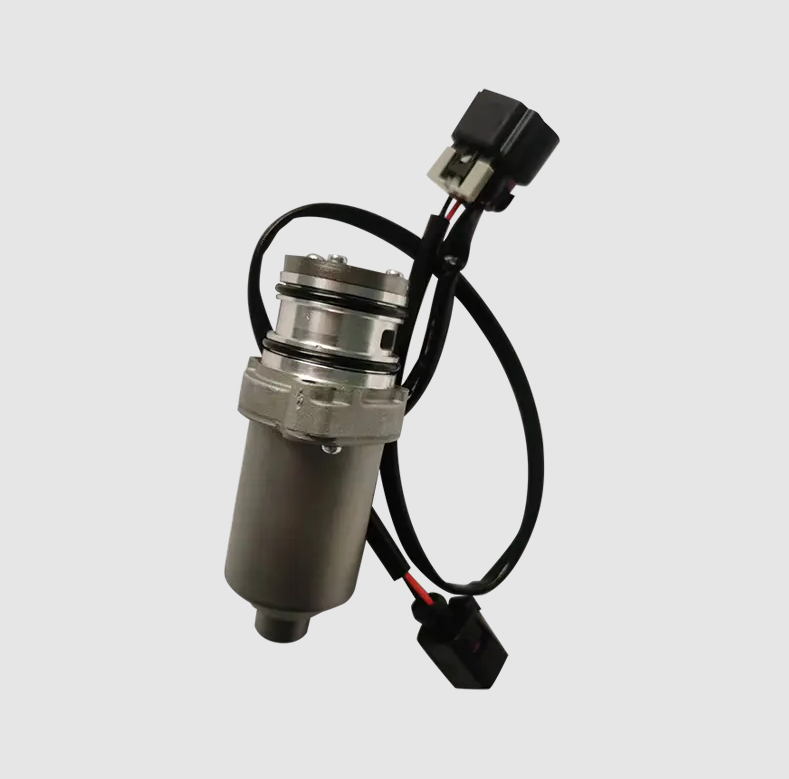
What Is a Steam Pump Motor?
A Steam Pump Motor is a mechanical device that uses steam to drive a pump, which is commonly employed in various industrial applications. It plays a significant role in moving fluids or gases in industries such as power plants, water treatment facilities, and chemical processing. In essence, the steam pump motor converts thermal energy from steam into mechanical energy to facilitate pumping actions, helping businesses optimize their operations.
How a Steam Pump Motor Works
At its core, a Steam Pump Motor operates by using the energy from steam to drive a piston or rotor. The steam is typically supplied by a boiler or other steam-generating systems, which provide the necessary pressure to move the motor’s components. The steam enters the motor’s cylinder and pushes the piston, generating mechanical motion. This motion is then transferred to the pump, which moves the fluid or gas from one location to another.
One of the advantages of using steam as the driving force for a pump motor is its efficiency, especially in environments where electricity may not be readily available or when high power output is required. Steam can generate substantial energy with relatively low fuel consumption, making it a cost-effective option for many applications.
Applications of Steam Pump Motors
Steam pump motors are primarily used in industries that require the movement of large volumes of liquids or gases. Some common applications include:
Power Plants: Steam pump motors are crucial in thermal power plants, where they help circulate water or coolants within the plant.
Water Treatment: In water treatment plants, steam-powered pumps help in the circulation of water through filtration systems and other processes.
Chemical Processing: In the chemical industry, steam pump motors are used to pump corrosive liquids, gases, or solvents in a controlled and efficient manner.
Oil and Gas Industry: Steam-driven pumps are often used in the oil and gas sector, where they transport crude oil, water, and other fluids through pipelines.
Benefits of Using a Steam Pump Motor
Using a Steam Pump Motor offers several advantages, particularly in industries where high power and reliability are essential. Some of the key benefits include:
Cost-Effective Power Generation: Steam is often less expensive than electricity in large-scale industrial applications, making steam-powered pump motors more economical in the long term.
High Power Output: Steam motors can produce significant mechanical energy, allowing them to handle high-pressure systems and heavy-duty applications.
Sustainability: When sourced from renewable energy systems, such as biomass boilers or geothermal energy, steam can be an environmentally friendly option.
Independence from Electricity: For locations with limited or unreliable access to electricity, steam pump motors provide a reliable alternative power source.
Challenges and Considerations
While Steam Pump Motors have several benefits, they also come with challenges. First, the system requires a steady and reliable supply of steam, which can be energy-intensive to generate. The cost of maintaining steam generators, boilers, and associated infrastructure can also be high. Additionally, there is always a risk of mechanical failure if the steam system is not properly maintained, leading to potential downtime in industrial operations.
Moreover, steam pump motors can be less efficient in some applications compared to electric motors. Over time, advances in electrical and hybrid motor technologies have allowed for higher efficiency and lower maintenance costs in many applications.
The Future of Steam Pump Motors
As industries continue to seek more sustainable and efficient energy solutions, the Steam Pump Motor remains a key component in several heavy-duty applications. Its ability to convert steam energy into mechanical motion makes it an invaluable tool in industries where high power output is essential. While there are challenges related to maintenance and efficiency, advancements in steam generation and motor technologies are likely to improve the performance and reduce the costs of steam-driven pumps in the future.
In summary, the steam pump motor offers significant benefits, especially for industries relying on large-scale fluid and gas transport. By understanding how it works and its applications, businesses can make informed decisions about incorporating steam-powered systems into their operations.
Current Type: DC
Motor Type: Permanent magnet brushed motor
Applicable Products: Hydraulic pump, Hydraulic system
Used for forklifts, lifting platforms, tail lifts, and medical beds

 Arabic
 French
 Spanish
 Portuguese
 Deutsch
 Turkish
 Dutch
Dutch
 Italiano
 Russian
 Romaian
 Portuguese (Brazil)
 Greek
Greek