


Marine Propulsion Engine Market Trends Shaped by Rising Seaborne Trade
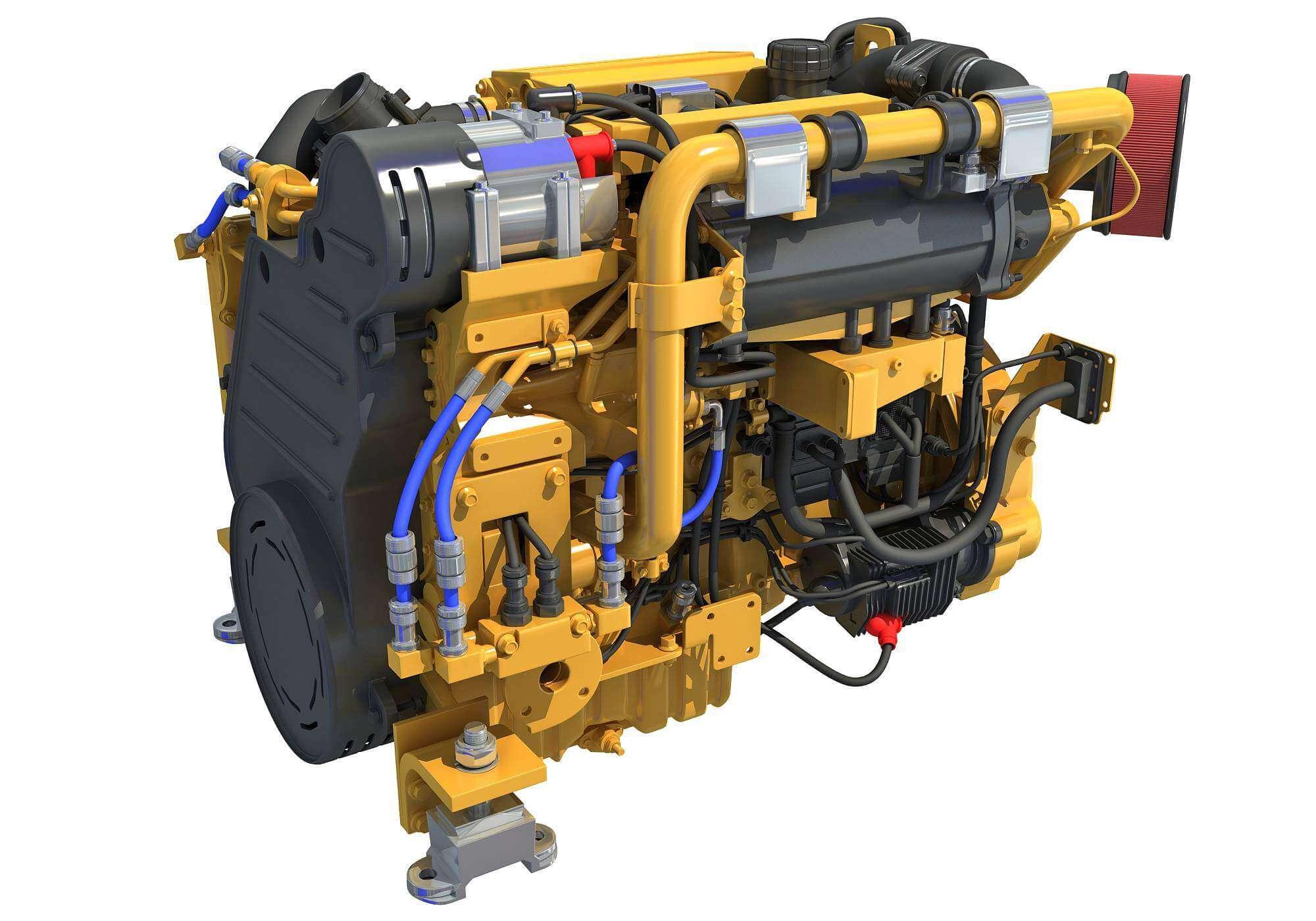
The global Marine Propulsion Engine Market is poised for consistent growth over the coming decade, supported by rising international trade volumes, modernization of marine fleets, and an accelerated shift toward environmentally responsible propulsion technologies. According to industry estimates, the market is valued at US$ 16.2 billion in 2024 and is projected to reach US$ 22.1 billion by 2031, expanding at a compound annual growth rate (CAGR) of 4.5% during the forecast period from 2024 to 2031.
Marine propulsion engines form the backbone of commercial shipping, naval defense, offshore exploration, and passenger transport vessels. Their role has become increasingly strategic as global supply chains rely heavily on maritime logistics, with more than 80% of international trade by volume transported by sea. The ongoing expansion of global trade routes, port infrastructure development, and increasing fleet sizes directly contribute to sustained demand for advanced propulsion engines.
Key growth drivers include the steady increase in seaborne trade, fluctuating marine gas oil and diesel prices encouraging efficiency-focused engine upgrades, and growing popularity of eco-friendly and fuel-efficient vessels. In addition, international maritime regulations aimed at reducing greenhouse gas emissions and sulfur content in marine fuels are compelling shipowners to invest in modern propulsion systems with lower emissions and improved fuel economy. These regulatory pressures, combined with rising fuel costs, are accelerating replacement cycles for older engines and boosting adoption of next-generation propulsion technologies.
Segmentation Analysis
By Type
By engine type, the marine propulsion engine market is broadly segmented into two-stroke engines and four-stroke engines. Two-stroke engines currently dominate the market in terms of revenue share, particularly in large commercial vessels such as container ships, bulk carriers, and tankers. These engines are favored for their high power output, superior fuel efficiency at constant speeds, and long operational life, making them ideal for long-haul maritime transport.
Four-stroke engines, however, are witnessing steady growth, especially in smaller vessels, ferries, offshore support vessels, and naval ships. Their advantages include lower noise levels, reduced vibration, easier maintenance, and improved operational flexibility. As demand increases for vessels operating in emission-controlled areas and near coastal zones, four-stroke engines are gaining traction due to their compatibility with alternative fuels and emission-reduction technologies.
By Vehicle and Application Type
From an application perspective, the market is segmented into commercial vessels, offshore vessels, naval and defense vessels, and recreational and passenger vessels. Commercial vessels account for the largest share of the market, driven by global trade expansion and increasing demand for containerized cargo transportation. Bulk carriers and tankers remain major contributors, supported by energy trade and raw material movement across continents.
Offshore vessels represent a significant and growing segment, fueled by offshore oil and gas activities, renewable energy installations such as offshore wind farms, and subsea infrastructure projects. Naval and defense vessels continue to generate stable demand due to fleet modernization programs and rising defense budgets in several countries. Meanwhile, the recreational and passenger vessel segment, including cruise ships and ferries, is experiencing renewed growth as tourism rebounds and operators invest in cleaner and quieter propulsion systems to comply with port regulations and enhance passenger comfort.
By Propulsion Technology
By propulsion technology, the market encompasses diesel propulsion, gas propulsion, hybrid propulsion, and electric propulsion systems. Diesel propulsion remains the dominant technology due to its established infrastructure, reliability, and widespread adoption across vessel types. However, gas propulsion systems, particularly those using liquefied natural gas (LNG), are experiencing the fastest growth. LNG-powered engines offer substantial reductions in sulfur oxides, nitrogen oxides, and particulate matter emissions, aligning with global environmental regulations.
Hybrid propulsion systems, combining conventional engines with battery storage and electric motors, are gaining popularity in ferries, offshore support vessels, and coastal ships. These systems enable optimized fuel consumption, reduced emissions during low-speed operations, and enhanced operational flexibility. Fully electric propulsion remains a niche but rapidly evolving segment, particularly for short-distance routes and inland waterways where zero-emission mandates are becoming more prevalent.
Get Your FREE Sample Report Instantly Click Now: https://www.persistencemarketresearch.com/samples/34872
Regional Insights
Leading Regions in the Global Market
The Asia-Pacific region holds the largest share of the global marine propulsion engine market, driven by its dominance in shipbuilding, ship repair, and maritime trade. Countries such as China, South Korea, and Japan are global leaders in ship construction and account for a substantial portion of new vessel deliveries worldwide. The region benefits from robust industrial infrastructure, skilled labor, and strong government support for maritime and shipbuilding industries.
Europe represents another key market, supported by stringent environmental regulations, advanced marine engineering capabilities, and strong adoption of alternative fuel propulsion technologies. European shipowners are at the forefront of investing in LNG, hybrid, and electric propulsion systems, particularly for ferries, cruise ships, and short-sea shipping vessels.
North America maintains a stable market position, driven by naval modernization programs, offshore energy activities, and inland waterway transportation. The presence of major engine manufacturers and technological innovators further strengthens the region’s market outlook.
Fastest-Growing Region
Asia-Pacific is also projected to be the fastest-growing region during the forecast period. Rapid expansion of regional trade, increasing investments in port infrastructure, and growing domestic shipping demand are key factors supporting this growth. Additionally, rising environmental awareness and government initiatives promoting cleaner marine fuels are accelerating the adoption of modern propulsion engines across newly built and retrofitted vessels in the region.
Unique Features and Innovations in the Market
Modern marine propulsion engines are increasingly differentiated by their focus on efficiency, sustainability, digital integration, and operational reliability. Manufacturers are investing heavily in advanced combustion technologies, lightweight materials, and modular engine designs that reduce fuel consumption while enhancing power output.
The integration of digital technologies such as artificial intelligence (AI), the Internet of Things (IoT), and advanced data analytics is transforming propulsion system performance and maintenance practices. Smart sensors embedded within engines enable real-time monitoring of temperature, pressure, fuel consumption, and emissions. AI-driven analytics platforms process this data to optimize engine performance, predict maintenance needs, and reduce unplanned downtime.
Connectivity technologies, including IoT-enabled fleet management systems, allow ship operators to remotely monitor propulsion systems across entire fleets. These solutions improve fuel efficiency, enhance safety, and support compliance with regulatory reporting requirements. While 5G adoption in maritime environments is still emerging, enhanced connectivity is expected to further improve data transmission speeds and reliability, enabling more sophisticated remote diagnostics and autonomous vessel capabilities in the future.
Market Highlights
One of the key highlights of the marine propulsion engine market is the growing emphasis on sustainability and regulatory compliance. International maritime organizations and regional authorities are enforcing stricter emission norms, compelling shipowners to adopt cleaner propulsion technologies or retrofit existing engines with emission-control systems. This regulatory landscape is driving demand for LNG engines, hybrid propulsion systems, and engines compatible with future fuels such as methanol and hydrogen.
Cost reduction remains another major adoption driver. Fuel expenses constitute a significant portion of vessel operating costs, and modern propulsion engines offer improved fuel efficiency and lower lifecycle costs. Advanced digital monitoring solutions further help operators optimize fuel usage and minimize maintenance expenditures, improving overall profitability.
Key Players and Competitive Landscape
The marine propulsion engine market is characterized by the presence of several global players focusing on technological innovation, strategic partnerships, and regional expansion. Leading companies include MAN Energy Solutions, Wärtsilä, Caterpillar Inc., Rolls-Royce Power Systems, Hyundai Heavy Industries Engine & Machinery, Mitsubishi Heavy Industries, Cummins Inc., and Yanmar Holdings.
MAN Energy Solutions continues to strengthen its market position through the development of large two-stroke engines compatible with alternative fuels such as LNG and methanol. Wärtsilä is recognized for its broad portfolio of gas and hybrid propulsion systems and its strong focus on digital solutions and lifecycle services. Caterpillar Inc. leverages its extensive global service network and reliability-focused engine designs to maintain strong adoption across commercial and offshore vessels.
Rolls-Royce Power Systems, through its mtu brand, emphasizes high-performance engines for naval and offshore applications, while Hyundai Heavy Industries Engine & Machinery benefits from its integration with one of the world’s largest shipbuilding groups. Mitsubishi Heavy Industries focuses on efficiency-driven engine designs and emission-reduction technologies, while Cummins Inc. and Yanmar Holdings continue to expand their presence in medium-speed engine segments and alternative fuel solutions.
Future Opportunities and Growth Prospects
Looking ahead, the marine propulsion engine market offers substantial opportunities driven by fleet renewal programs, alternative fuel adoption, and digital transformation. As older vessels approach the end of their operational life, replacement demand is expected to remain strong, particularly for engines that meet evolving emission standards.
The development of engines compatible with low-carbon and carbon-neutral fuels presents significant growth potential. Methanol, ammonia, and hydrogen are emerging as viable long-term solutions, and engine manufacturers are actively investing in research and development to support these fuels. Regulatory frameworks aimed at achieving net-zero emissions in maritime transport will further accelerate innovation and adoption.
Evolving digital technologies will continue to shape the industry, enabling smarter, safer, and more efficient propulsion systems. Advanced analytics, remote monitoring, and predictive maintenance capabilities will become standard features, enhancing vessel performance and operational transparency.
In conclusion, the marine propulsion engine market is entering a transformative phase marked by technological advancement, sustainability initiatives, and steady demand growth. With a projected market value of US$ 22.1 billion by 2031 and a CAGR of 4.5%, the industry presents strong long-term prospects for manufacturers, shipowners, and technology providers navigating the evolving dynamics of global maritime transportation.

 English
 Arabic
 French
 Spanish
 Portuguese
 Deutsch
 Turkish
 Italiano
 Russian
 Romaian
 Portuguese (Brazil)
 Greek
Greek