


Roadside Assistance vs. DIY: What's Best for Filipino Drivers?
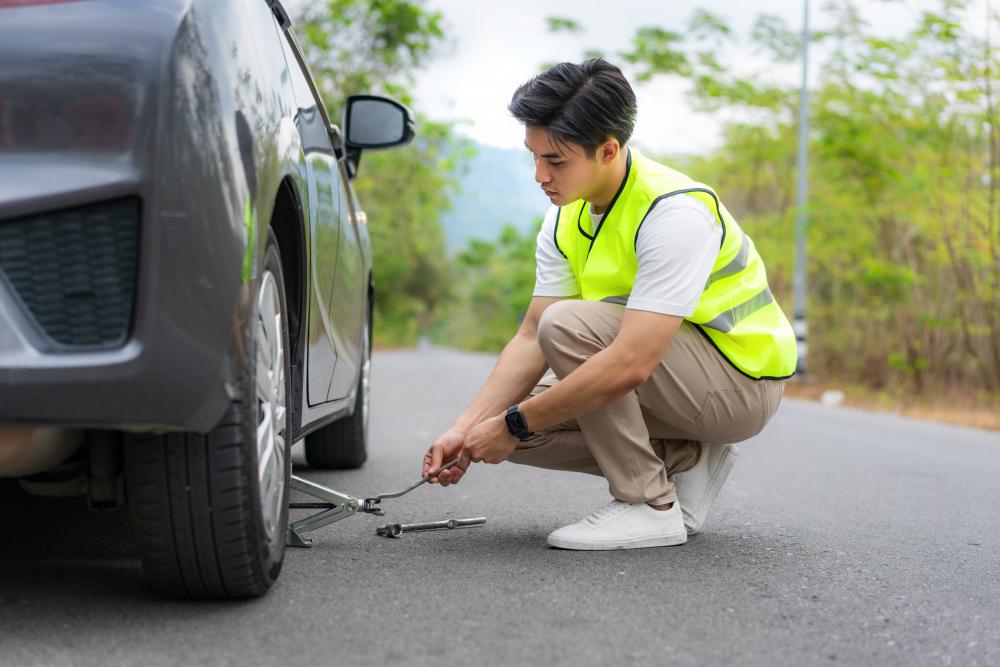
Filipino drivers frequently face unexpected vehicle issues on congested city streets or remote provincial roads. The choice between professional help and a self-repair often depends on the situation, but many agree that dependable roadside assistance offers peace of mind. This decision is important for both the driver's safety and the car's continued good condition. It also directly affects how quickly a driver can return to their journey without major incident.
Philippine Road Challenges and Common Breakdowns
The Philippine driving environment presents unique challenges to every motorist. Extreme tropical heat can severely shorten the lifespan of car batteries, causing them to fail suddenly. Heavy stop-and-go traffic also prevents the alternator from fully charging the battery during long commutes. This continuous drain quickly exhausts even newer batteries, making them one of the top causes of unexpected breakdowns. Potholes and rough surfaces, common on many roads, also lead to recurring issues with tires and car suspensions. The most common breakdowns include dead batteries, flat tires, and engine overheating, especially during summer months.
The Safety and Professionalism of Roadside Assistance
Choosing professional help removes the hazards of fixing a car on the roadside. Roadside assistance providers send trained technicians who follow strict safety protocols at the breakdown site. They use proper warning devices like cones or lights to secure the area against oncoming traffic. This safety focus helps keep the driver and other motorists safe while the repair happens. Professionals also carry specialized tools and diagnostic equipment to quickly fix or correctly assess the vehicle problem. Technicians can resolve common issues like a dead battery or a flat tire faster than an average do-it-yourself attempt. This rapid response minimizes the time a driver must spend waiting in a potentially unsafe location.
Hidden Risks of DIY Roadside Repairs
While DIY repairs appeal to drivers looking to save money, they carry several serious risks. Attempting a repair on the side of a busy highway exposes the driver to danger from passing vehicles. Traffic flow is unpredictable, making the roadside a highly unsafe workspace for an amateur mechanic. Tasks like jumpstarting a battery or handling hot engine parts can easily lead to physical injury, such as burns or cuts. Modern vehicles also contain complex electronic systems, including an Engine Control Unit (ECU). Improper DIY fixes can accidentally damage these sensitive components, making the original problem worse. Furthermore, performing certain repairs yourself can accidentally void your vehicle’s warranty, resulting in higher long-term costs.
DIY Solutions for Minor Car Troubles
Not every car issue requires a call for professional help; a driver can safely handle some minor problems. Changing a flat tire is a basic skill every driver should know how to perform safely with a spare tire and a working jack. Proper preparation is key, including placing an early warning device to alert oncoming traffic. Checking and refilling low fluid levels, such as coolant, oil, or windshield washer fluid, can often prevent an unexpected breakdown. Learning to change a blown fuse or a headlight bulb is also a simple fix that only requires a few basic tools. However, these self-fixes should only be done in a safe, well-lit area away from moving vehicles.
Comparison of Service Types and Coverage Limits
Roadside assistance is often packaged as an add-on to comprehensive car insurance policies in the Philippines. These plans provide various benefits, from towing to minor on-site repairs, for a yearly fee. Coverage limits vary widely among local providers, giving drivers a range of options to choose from. For example, some plans offer towing services with limits from ₱3,500 up to ₱8,000 per event, covering significant distances. Crane services for vehicle recovery after an accident often have higher limits, sometimes reaching ₱15,000. Services frequently covered include battery boosting, flat tire replacement, and emergency fuel delivery when the tank runs empty. Major car manufacturers and battery companies, such as Motolite, Ford, and insurance providers like OONA and FPG Insurance, offer dedicated programs.
Key Factors for Decision-Making
When deciding between a DIY fix and a professional service, Filipino drivers should consider several key factors. The location of the breakdown is perhaps the most important factor, especially on busy expressways like SLEX or NLEX. Safety risks greatly increase on high-speed roads where a DIY fix is reckless. The complexity of the problem also guides the decision; simple issues like a dead battery are often manageable, but transmission problems are not. Finally, the driver must consider the tools and knowledge they possess and the time they have available. A professional service offers a quicker, safer, and more correct solution for many complex or dangerous situations.
Key Takeaway
Deciding between a DIY approach and professional roadside assistance depends on the nature of the emergency and the driver’s location. DIY fixes are fine for simple, non-hazardous tasks done in a safe area, provided the driver has the proper tools. Professional services provide a higher level of safety and competence for complex or dangerous roadside events. The peace of mind and protection offered by a comprehensive plan often outweigh the potential long-term costs and safety concerns of a risky self-repair.

 English
 Arabic
 French
 Spanish
 Portuguese
 Deutsch
 Turkish
 Dutch
Dutch
 Italiano
 Romaian
 Portuguese (Brazil)
 Greek
Greek