


Black Iron Pipe Prices in the Philippines Based on Size, Thickness, and Customization
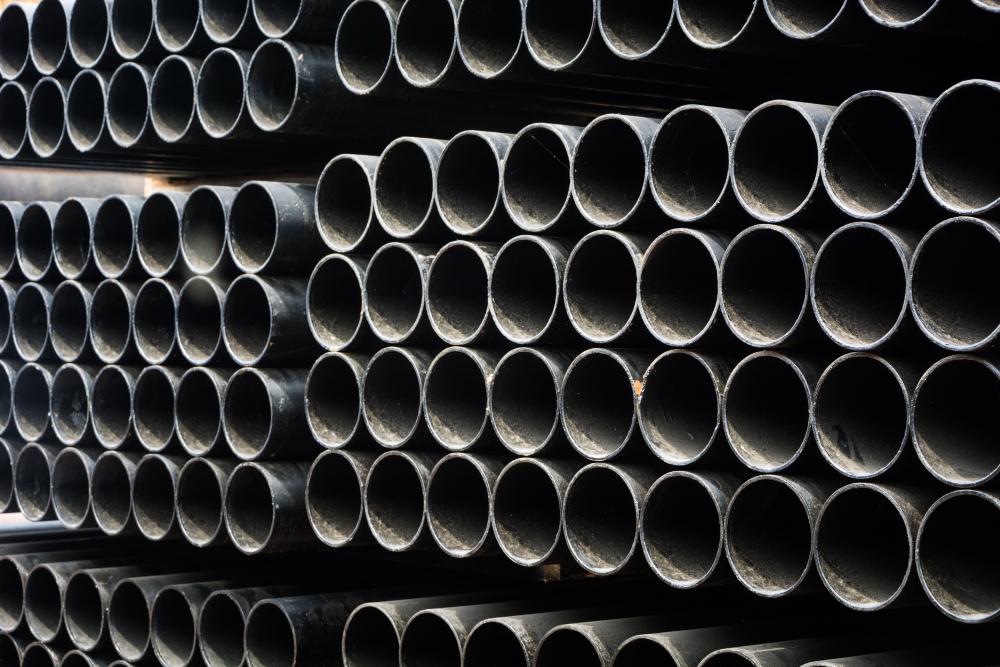
Black iron pipes are an important part of many building and industrial projects. The factors that determine black iron pipe prices in the Philippines are important to understand. The final cost of these pipes changes based on their size, thickness, and any specific customizations. Project managers use this information to budget accurately for their projects.
How Size and Diameter Impact Pipe Pricing
The physical size of the black iron pipe is a key part of its total cost. Pipes with a larger diameter require more raw material for production. This higher material consumption leads to a higher basic selling price.
Common Black Iron Pipe Sizes
Black iron pipes available in the Philippines come in a wide range of sizes. Standard sizes commonly used range from 1/2 inch up to 2 1/2 inches in diameter. Suppliers also offer very large pipes that measure up to 36 inches for major infrastructure needs.
The Relationship Between Diameter and Cost
A larger diameter pipe generally results in a higher overall price. For instance, a two-inch diameter pipe costs more than a one-inch diameter pipe. Price lists for black iron fittings, like elbows and tees, also change based on the pipe size.
The Effect of Pipe Thickness on Cost
Pipe thickness is another major specification that directly relates to the price of black iron pipes. Thickness is often referred to using a standardized unit called a "Schedule," such as Schedule 40. A thicker pipe needs more raw steel for its creation, increasing the initial cost.
Material Usage and Initial Price
Thicker pipes have a higher upfront cost because they consume more material during production. They may also require slightly longer manufacturing times. Price lists for black iron tubular products specify costs for thicknesses like 1.0mm, 1.2mm, and 1.5mm. The thicker the pipe, the higher the price per length unit.
Durability and Long-Term Value
Thicker pipes cost more at first but offer good value over the entire project life. They typically have a longer functional life and need less maintenance. This durability can lead to lower total expenses because it reduces the need for replacements.
How Customization Increases the Price
Customization involves changing the standard pipe specifications to meet a project's unique requirements. These non-standard adjustments add to the final cost because they include additional steps in the manufacturing process. The amount of customization greatly changes the pipe's final price.
Costs for Non-Standard Lengths
Black iron pipes are usually manufactured and sold in standard six-meter lengths. Pipes that must be custom-cut to shorter segments may result in a higher cost per meter. This price increase covers the extra labor involved in the cutting process. Longer pipes may also have added costs due to special requirements for transportation and handling.
Specialized Processing and Fabrication
Pipes needing a non-standard diameter or thickness need specialized manufacturing. Extra steps such as special cutting, specialized welding, or heat-treatment all contribute to the final price. If the pipe needs to be bent, this additional fabrication labor will also increase the cost.
Other Major Elements Influencing Black Iron Pipe Cost
Besides the pipe's physical details, several market and production elements influence the final black iron pipe cost. Understanding these factors helps explain price fluctuations in the local market.
Raw Material and Production Costs
The price of raw materials, specifically iron and steel, is a main determinant of the final price. Global changes in the price of these commodities quickly affect the pricing of finished pipes. The cost of the manufacturing process covers energy, maintenance of equipment, and labor wages. Complex production methods or higher labor costs can result in a higher selling price.
Market Forces and Logistics
The basic relationship between supply and demand impacts the final price. High demand from construction and major infrastructure development can naturally push prices upward. A lack of available supply in the market also results in price increases. Transportation and warehousing costs are included in the final price. These costs cover moving the pipes from the factory to the construction site or buyer.
Understanding the Black Iron Pipe Price Structure
Buyers in the Philippines frequently refer to published price lists that show the cost for various pipes and fittings. These price lists help in planning and budgeting for projects.
Seamless Versus Welded Pipe Costs
Black iron pipes are available in two forms: seamless and welded. Seamless pipes are often considered stronger and may be priced differently than welded pipes. Welded pipes are made from forming a sheet of steel and welding the seam, while seamless pipes are formed from a single piece of steel.
Typical Price Ranges
The average price range for seamless black iron pipes can vary from ₱569.43 to ₱3,925.34 depending on the pipe's size. The price list for related black iron fittings, such as couplings, reducers, and caps, also changes significantly. These fitting costs depend on their size and manufacturing style, such as whether they are welded or threaded.
Key Takeaway
Understanding the elements that influence the price of a pipe is necessary for successful project execution. The dimensions, including size and thickness, directly influence the material required and the manufacturing cost of the pipe. The dimensions and other factors determine the final black iron pipe prices in the Philippines. Customization increases the final price due to the need for extra labor and specialized processing. Other significant cost elements include the price of raw materials, production labor, and local market forces like supply and demand.

 English
 Arabic
 French
 Spanish
 Deutsch
 Turkish
 Dutch
Dutch
 Italiano
 Russian
 Romaian
 Portuguese (Brazil)
 Greek
Greek