


Things Families Should Know Before Booking a Train Ambulance
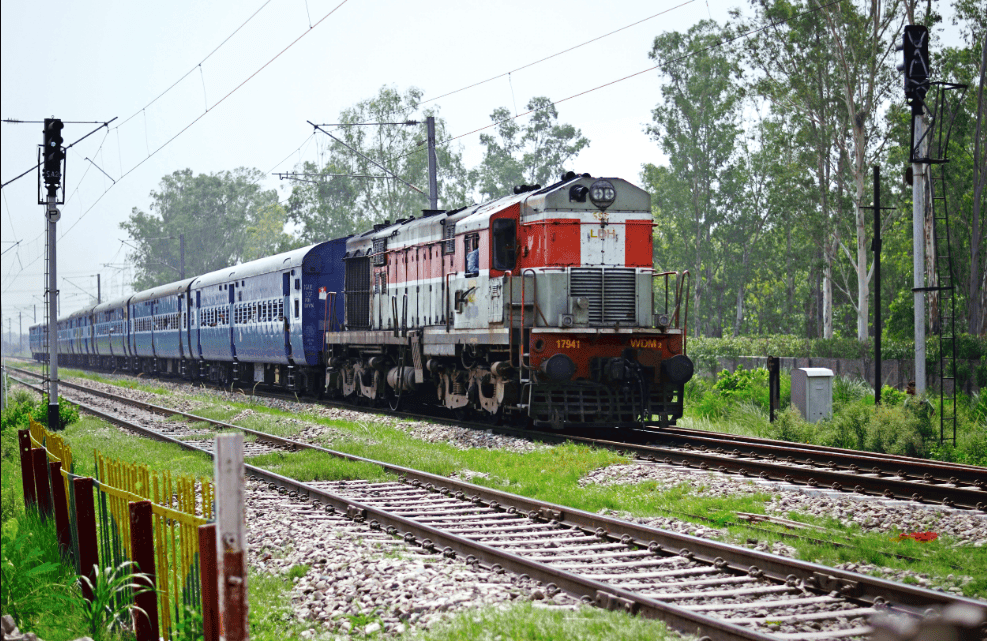
When a loved one suddenly needs to be shifted to another city for better treatment, families often feel confused and helpless. Decisions have to be made quickly, yet the fear of making a wrong choice is always there. In such situations, a train ambulance becomes a practical and trusted option for long-distance patient transfer in India. Still, before booking a train ambulance service in Patna, there are a few important things every family should clearly understand.
This guide explains everything in a simple way, so you can make a calm and informed decision when it matters the most.
What Exactly Is a Train Ambulance?
A train ambulance is not just a patient traveling in a train. It is a fully planned medical transfer where an ICU-like setup is arranged inside a train coach. The patient remains on a stretcher or hospital bed, supported by medical equipment and attended by trained medical staff throughout the journey.
As of now, train ambulances are widely used for transferring patients from smaller cities to metro hospitals, especially when road travel is too long and air ambulance is not feasible for medical or cost reasons.
When Should Families Choose a Train Ambulance?
Not every emergency needs an air ambulance, and not every patient can safely travel long distances by road. A train ambulance is usually the right choice when the distance is more than 500 to 1000 kilometers and the patient needs continuous medical monitoring.
It is commonly used for patients who are stable but still critical, such as those on oxygen support, post-surgery patients, cancer patients, dialysis patients, or elderly patients who cannot tolerate long road journeys. Families from towns and rural areas often rely on train ambulances to reach advanced hospitals in cities like Delhi, Mumbai, Chennai, or Bangalore.
Medical Condition Assessment Comes First
One important thing families should know is that every patient’s condition is different. There is no single solution that fits everyone. Before booking a train ambulance, the patient’s current medical condition must be properly evaluated.
Doctors usually assess whether the patient needs oxygen support, ventilator assistance, cardiac monitoring, or emergency medications during the journey. Medical reports such as discharge summaries, investigation reports, and current treatment details help the medical team plan the transfer safely.
Skipping this step or hiding medical details can put the patient at serious risk during travel.
Medical Facilities Available Inside a Train Ambulance
A well-managed train ambulance is equipped with essential life-support systems. Families should always ask what medical facilities will be available onboard.
These usually include a continuous oxygen supply, ventilator support if required, cardiac monitors to track heart rate and blood pressure, infusion pumps for medications, and suction machines to manage airways. Emergency medicines are also kept ready in case the patient’s condition changes.
Knowing these details gives families peace of mind and ensures there are no surprises during the journey.
Medical Team Support During the Journey
One major advantage of a train ambulance is the presence of trained medical staff throughout the transfer. Depending on the patient’s condition, a nurse, paramedic, or doctor accompanies the patient.
Vital signs such as oxygen levels, heart rate, and blood pressure are monitored regularly. If the patient feels discomfort or shows signs of distress, immediate medical support is provided. This constant care is what makes train ambulance travel much safer than ordinary transport methods.
Understanding the Complete Transfer Process
Families often think that booking a train ambulance only means arranging a train seat. In reality, it is a complete end-to-end process.
It starts with picking up the patient from the hospital or home using a road ambulance. The patient is then safely shifted to the railway station and boarded using stretcher support. During the train journey, the medical team continues monitoring and treatment. After reaching the destination, another ambulance is arranged to transfer the patient to the hospital or home.
Knowing this process in advance helps families stay prepared and stress-free.
Cost Factors Families Should Clearly Understand
Train ambulance charges depend on several factors, and families should understand this clearly before booking. The total cost is influenced by the travel distance, patient’s medical condition, equipment required, and type of coach used.
Sometimes families look for the cheapest option, but lower cost should never come at the expense of patient safety. Proper medical setup and trained staff are more important than saving a small amount of money during a critical transfer.
Coordination Between Hospitals and Railways
Another important point families often overlook is coordination. Smooth patient transfer requires proper communication between the referring hospital, receiving hospital, and railway authorities.
An experienced train ambulance service provider manages permissions, berth arrangements, and timing to avoid unnecessary delays. Good coordination ensures the patient is transferred without confusion or last-minute problems.
Common Mistakes Families Make While Booking
In stressful situations, families sometimes make decisions in a hurry. One common mistake is waiting too long before planning the transfer. Another is choosing a provider only based on price without checking medical support.
Some families also fail to share complete medical information, which can lead to complications during the journey. Booking through unverified or inexperienced providers can increase risks instead of reducing them.
How to Choose the Right Train Ambulance Service
Choosing the right service provider makes a big difference. Families should look for a provider with experience in handling critical patient transfers. Availability of 24/7 support, transparent communication, trained medical staff, and modern medical equipment are key factors.
A reliable train ambulance service focuses on patient safety first, while also supporting families emotionally during a difficult time.
Final Thoughts for Families
Medical emergencies are emotionally overwhelming, and no family wants to think about transport details during such moments. Still, understanding how a train ambulance works helps families make confident decisions.
When planned properly, a train ambulance offers safe, affordable, and medically supervised long-distance patient transfer. With the right provider and clear communication, families can focus on what truly matters, the recovery and well-being of their loved one.

 English
 Arabic
 French
 Spanish
 Portuguese
 Deutsch
 Dutch
Dutch
 Italiano
 Russian
 Romaian
 Portuguese (Brazil)
 Greek
Greek