


Food Additives Market: Global Trends, Growth, and Future Outlook
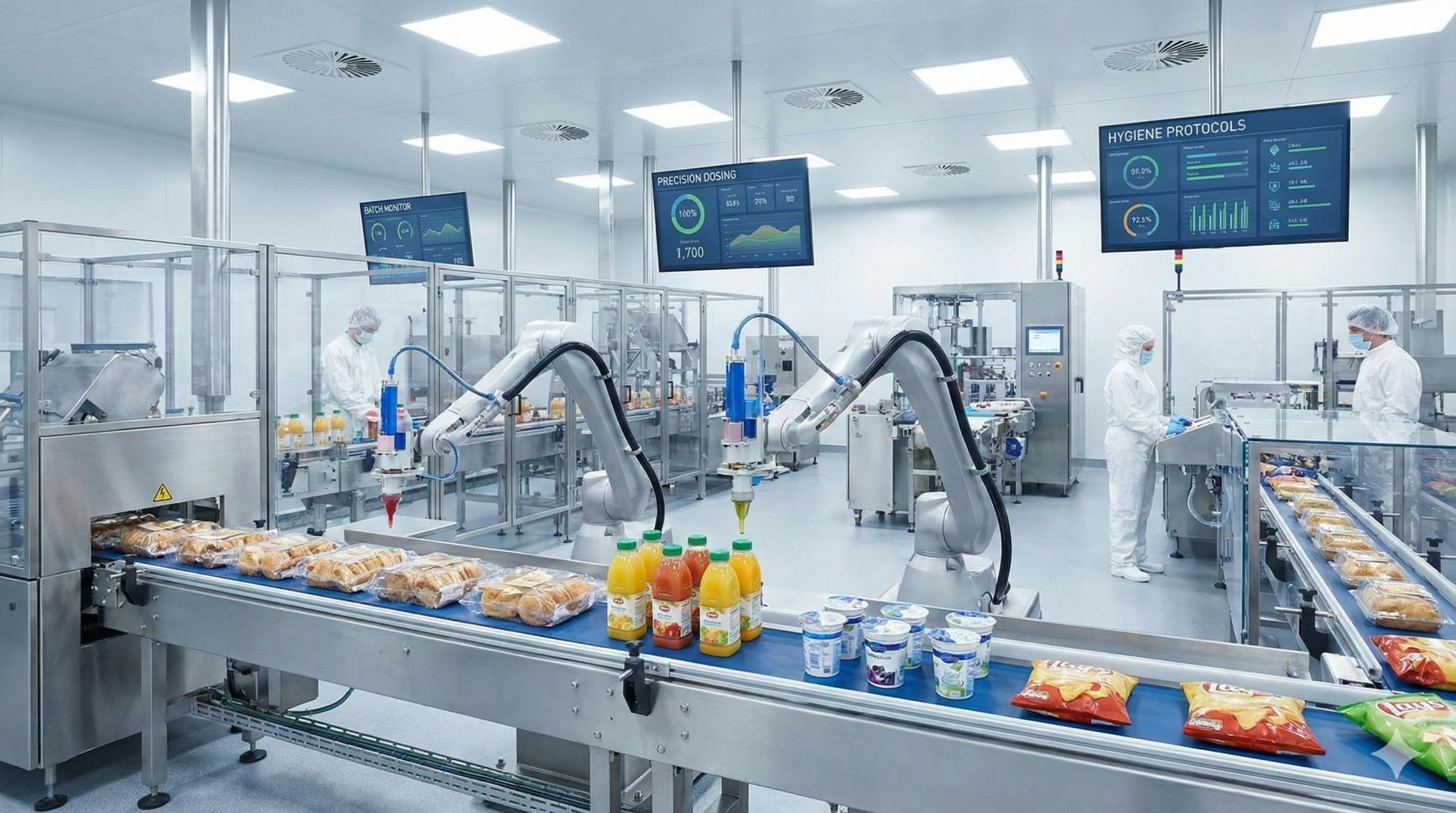
The Global Food Additives Market is experiencing substantial growth as consumers increasingly demand high-quality, safe, and convenient food products. Food additives are substances added to food to enhance flavor, appearance, texture, and shelf life while also ensuring food safety and stability. This market encompasses a wide range of products, including sweeteners, enzymes, emulsifiers, preservatives, flavors, and color enhancers, which can be naturally derived or synthetically produced. With the growing global population, urbanization, and the rising preference for ready-to-eat and packaged foods, the demand for food additives has expanded rapidly across regions and applications.
Market Overview
The Global Food Additives Market is expected to reach USD 143.5 billion in 2024 and is projected to grow to USD 242.9 billion by 2033, representing a CAGR of 6.0%. The growth is largely driven by the food and beverages industry's demand for innovative solutions to improve product quality, taste, appearance, and shelf stability. Food additives play a crucial role in modern food manufacturing, allowing manufacturers to meet evolving consumer preferences, comply with regulatory standards, and reduce food waste through extended shelf life.
The market is fueled by multiple factors, including increasing consumption of processed and packaged foods, expansion of the bakery, confectionery, and dairy sectors, and technological advancements in food science. Additives such as natural flavors, preservatives, antioxidants, and functional ingredients are increasingly incorporated to cater to the demand for health-conscious and convenience-oriented products. Moreover, the trend toward clean-label and plant-based products has prompted manufacturers to explore natural and organic food additives, further enhancing market growth.
Market Dynamics
Key Growth Drivers
Rising urbanization, changing lifestyles, and the growing demand for ready-to-eat, frozen, and convenience foods are significant drivers for the food additives market. Consumers increasingly seek products that combine taste, nutrition, and convenience, prompting manufacturers to integrate a variety of additives to achieve these objectives.
Advancements in food processing technologies, including extrusion, freeze-drying, and high-pressure processing, have further facilitated the use of food additives to maintain product integrity and quality during storage and transportation. Additionally, the increasing prevalence of dietary supplements, functional foods, and fortified products has led to greater incorporation of vitamins, minerals, and bioactive compounds, driving the demand for specialized food additives.
Market Restraints
Despite robust growth, the market faces challenges related to regulatory compliance, safety concerns, and consumer perception. Stringent regulations governing the use of synthetic additives in food, particularly in regions such as Europe and North America, require manufacturers to adhere to strict safety standards and labeling requirements. Furthermore, rising consumer preference for natural and organic products over synthetic additives may limit growth for certain categories. High costs associated with research and development of novel additives and their incorporation into food products also present a challenge for smaller manufacturers.
Emerging Opportunities
Opportunities in the market include the development of natural and organic additives, expansion into emerging economies, and innovation in functional and fortified food additives. With increasing awareness of health and wellness, manufacturers are focusing on clean-label additives, plant-based alternatives, and bioactive compounds to meet consumer demand. Emerging markets in Asia-Pacific, Latin America, and the Middle East are expected to present significant growth opportunities due to rising disposable incomes, urbanization, and increasing consumption of processed and packaged foods. Furthermore, the expansion of e-commerce platforms and online food delivery services offers new channels for the distribution of additive-enhanced foods.
Segment Analysis
By Type
The Food Additives Market is segmented into sweeteners, preservatives, flavors & enhancers, emulsifiers, enzymes, colors, and others. Sweeteners, including sugar substitutes and natural sweeteners, are widely used in beverages, confectionery, bakery, and dairy products. Preservatives ensure longer shelf life and protect products from microbial spoilage, making them essential in packaged and processed foods. Flavors and taste enhancers improve product palatability and consumer acceptance. Emulsifiers maintain texture and stability in products such as sauces, dressings, and spreads. Enzymes aid in baking, dairy, and brewing processes, enhancing efficiency and product quality. Color additives enhance visual appeal, which plays a crucial role in consumer choice.
By Application
Applications of food additives span bakery & confectionery, dairy products, beverages, processed foods, meat & seafood, and ready-to-eat meals. The bakery and confectionery segment is the largest consumer due to the extensive use of sweeteners, emulsifiers, and preservatives in bread, cakes, chocolates, and candies. Dairy products rely on stabilizers, emulsifiers, and enzymes for yogurt, cheese, and ice cream production. Beverages utilize natural and artificial flavors, colors, and sweeteners to enhance taste and appearance. Processed and ready-to-eat meals benefit from preservatives, stabilizers, and flavor enhancers to ensure product quality and extend shelf life. Meat and seafood products incorporate additives to improve texture, preserve freshness, and maintain flavor.
By End-User
The main end-users of food additives include food & beverage manufacturers, restaurants, catering services, and retail chains. Food and beverage manufacturers represent the largest segment, integrating a variety of additives to meet consumer demands and maintain consistency across products. Restaurants and catering services increasingly use additives to enhance the shelf life, flavor, and appearance of prepared meals. Retail chains leverage additives in packaged foods to ensure product quality and consumer satisfaction.
Regional Analysis
North America is expected to hold the largest share of the Food Additives Market in 2024, contributing approximately 35.1% of global revenue. This dominance is attributed to high consumption of processed and convenience foods, advanced food processing infrastructure, and significant adoption of chemical additives across the food and beverage, pharmaceutical, and cosmetic industries. The U.S. and Canada are key markets, driven by consumer demand for ready-to-eat meals, bakery products, and packaged foods, coupled with stringent regulatory standards ensuring food safety and quality.
Europe holds a significant share in the market due to strict food safety regulations, high consumer awareness, and preference for natural and organic additives. Countries such as Germany, France, and the UK are leading adopters of clean-label and plant-based additives. The increasing trend of functional foods, fortified beverages, and nutraceuticals in the region further supports market growth.
Asia-Pacific is witnessing rapid growth due to urbanization, increasing disposable incomes, and a rising demand for packaged and convenience foods in countries like China, India, Japan, and South Korea. The region is also experiencing a surge in exports of processed foods, which requires adherence to international additive standards, further driving adoption.
Latin America and the Middle East & Africa are emerging markets with growing consumption of processed and packaged foods, creating new opportunities for food additive manufacturers. Government initiatives to enhance food safety and technological advancements in food processing are expected to further stimulate market growth in these regions.
Download a Complimentary PDF Sample Report: https://dimensionmarketresearch.com/report/food-additives-market/request-sample/
Competitive Landscape
The Food Additives Market is highly competitive, with key players focusing on innovation, strategic collaborations, and expansion into emerging markets. Leading companies include Archer Daniels Midland Company, BASF SE, Cargill Inc., DSM, Kerry Group, DuPont, Associated British Foods plc, and Ingredion Incorporated. These companies are investing in research and development to create natural and clean-label additives, improve functional properties, and meet evolving consumer preferences. Partnerships with food manufacturers and strategic acquisitions enhance their global footprint and product portfolio. Emerging startups are focusing on plant-based and specialty additives for niche applications, including functional foods, organic products, and fortification solutions.
Future Outlook
The Global Food Additives Market is projected to continue its steady growth trajectory, driven by the increasing adoption of processed and convenience foods, technological innovations, and consumer demand for high-quality, safe, and functional products. Clean-label and natural additives are expected to gain significant traction as health-conscious consumers prioritize transparency and sustainability. Emerging markets in Asia-Pacific, Latin America, and the Middle East will continue to offer growth opportunities due to rising urbanization, disposable incomes, and changing dietary patterns. Integration of advanced processing technologies and AI-driven quality control systems will enhance operational efficiency, reduce waste, and improve the overall adoption of food additives in the industry.
Frequently Asked Questions (FAQs)
What are food additives?
Food additives are substances added to food to enhance flavor, texture, appearance, shelf life, and safety. They include sweeteners, preservatives, emulsifiers, flavors, colors, and enzymes.
Which region has the largest market share in food additives?
North America holds the largest share, accounting for approximately 35.1% of the market due to high processed food consumption and advanced food processing infrastructure.
What are the key applications of food additives?
Key applications include bakery & confectionery, dairy products, beverages, processed foods, meat & seafood, and ready-to-eat meals.
Who are the major players in the food additives market?
Leading players include Archer Daniels Midland Company, BASF SE, Cargill Inc., DSM, Kerry Group, DuPont, Associated British Foods plc, and Ingredion Incorporated.
What factors are driving growth in the food additives market?
Growth is driven by increasing consumption of processed and convenience foods, demand for extended shelf life, technological advancements in food processing, regulatory compliance, and rising consumer preference for clean-label and natural additives.
Summary of Key Insights
The Global Food Additives Market is projected to grow from USD 143.5 billion in 2024 to USD 242.9 billion by 2033 at a CAGR of 6.0%. North America leads the market, followed by Europe and Asia-Pacific, driven by rising consumption of processed and packaged foods, technological advancements, and regulatory compliance. Key product types include sweeteners, preservatives, flavors, emulsifiers, enzymes, and colorants, while major applications span bakery, dairy, beverages, processed foods, and ready-to-eat meals. The market is increasingly shifting toward natural, clean-label, and functional additives, presenting opportunities for innovation and growth in emerging markets globally.
Purchase the report for comprehensive details: https://dimensionmarketresearch.com/checkout/food-additives-market/

 English
 Arabic
 French
 Spanish
 Portuguese
 Deutsch
 Turkish
 Dutch
Dutch
 Russian
 Romaian
 Portuguese (Brazil)
 Greek
Greek