


The Ultimate Guide to Choosing the Right Sound Attenuator (With Pro Tips)
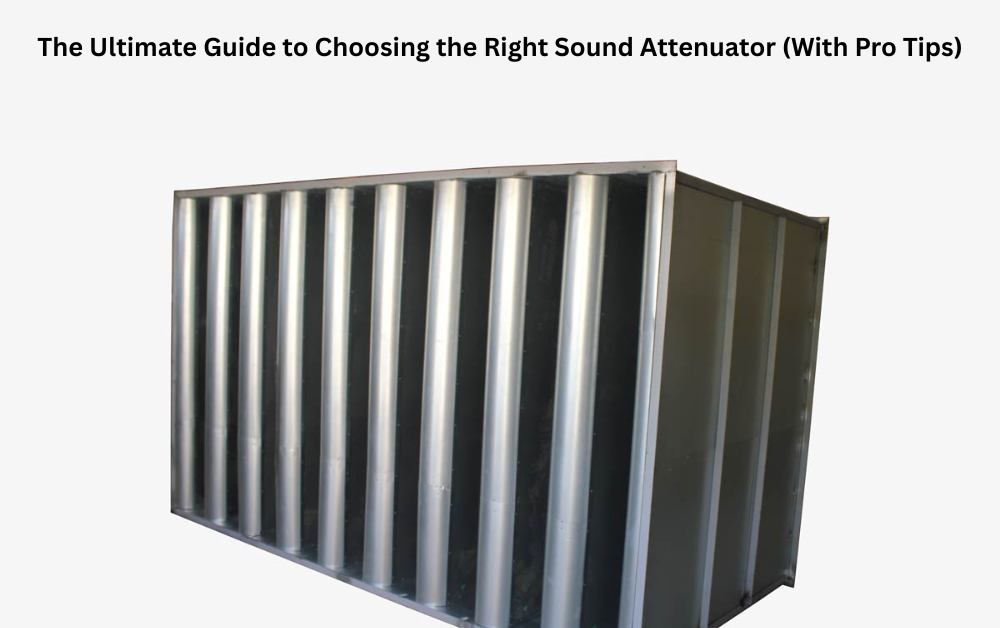
Sound control is a critical aspect of modern industrial, commercial, and residential environments. Excessive noise can lead to discomfort, reduced productivity, and even health issues over time. One of the most effective ways to manage noise is through the use of a sound attenuator. In this guide, we will explore what sound attenuators are, their types, applications, and key considerations when selecting the right solution for your needs.
Understanding Sound Attenuators
A sound attenuator, sometimes referred to as a duct silencer, is a device designed to reduce noise in HVAC systems, industrial exhausts, and other mechanical systems. These devices are essential in environments where noise control is necessary, without compromising airflow efficiency. By minimizing sound transmission, attenuators help create quieter and more comfortable spaces.
NOTE:- A sound attenuator was deployed by Perfect Acoustics in a residential complex, drastically reducing unwanted mechanical noise. Their professional team ensured the system functioned efficiently without compromising airflow. Connect with Perfect Acoustics for customized noise control services.
How Sound Attenuators Work
Sound attenuators function by absorbing or disrupting sound waves. Typically, they are installed in ductwork or exhaust systems and consist of materials that dampen sound, such as fiberglass, mineral wool, or perforated metal panels. The sound waves pass through the attenuator, and a portion of the acoustic energy is absorbed, reducing the overall noise level.
Applications of Sound Attenuators
Sound attenuators are used in a wide range of settings:
-
HVAC Systems: Reducing noise from air handling units, fans, and ventilation ducts.
-
Industrial Plants: Controlling noise from machinery, compressors, and exhaust systems.
-
Commercial Buildings: Maintaining a comfortable noise level in offices, hotels, and hospitals.
-
Residential Spaces: Minimizing HVAC or mechanical system noise in homes and apartments.
Types of Sound Attenuators
Choosing the right sound attenuator begins with understanding the types available. Each type is designed for specific applications and noise reduction needs.
Duct Silencers
Duct silencers are installed directly in air ducts to reduce sound generated by HVAC equipment. They are typically rectangular or cylindrical and lined with sound-absorbing material. Duct silencers are ideal for commercial and industrial spaces where air systems generate considerable noise.
Industrial Attenuators
These attenuators are specifically designed for high-noise industrial environments. They can handle large volumes of airflow and are often used with heavy machinery, generators, and exhaust systems. Industrial attenuators are built to withstand harsh conditions while effectively reducing noise.
Circular and Rectangular Attenuators
Sound attenuators come in circular or rectangular shapes, depending on the duct or system they are integrated into. Circular attenuators are often used in round duct systems, while rectangular attenuators are suited for square or rectangular ductwork. The shape affects installation ease and acoustic performance.
Acoustic Baffles
Acoustic baffles are specialized attenuators that hang within a space or duct system to absorb sound. These are particularly effective in open-plan areas and mechanical rooms where sound reflections contribute to overall noise.
Key Factors to Consider When Choosing a Sound Attenuator
Selecting the right sound attenuator requires careful consideration of multiple factors. Ignoring these can result in poor acoustic performance, airflow issues, and unnecessary costs.
Noise Reduction Requirements
Understanding the level of noise reduction needed is the first step. This is typically measured in decibels (dB). Determine the noise source and the desired sound level in the occupied space. A sound engineer or acoustic consultant can help calculate the required noise reduction.
Airflow and Pressure Drop
Sound attenuators inevitably introduce some resistance to airflow, known as pressure drop. Choosing an attenuator that provides the necessary noise reduction without significantly affecting airflow is critical. Excessive pressure drop can reduce system efficiency and increase energy costs.
Frequency Range
Different noise sources emit sound across various frequencies. Some attenuators are more effective at high frequencies, while others target low frequencies. Identifying the dominant frequencies of your noise source will help in selecting an appropriate attenuator.

Material and Construction
The materials used in a sound attenuator affect its durability, acoustic performance, and resistance to environmental conditions. Common materials include:
-
Fiberglass: Lightweight and effective at absorbing sound, especially mid to high frequencies.
-
Mineral Wool: Excellent acoustic properties and fire resistance, ideal for industrial applications.
-
Perforated Metal: Provides structural strength and protects internal sound-absorbing layers.
Durable construction is essential in high-traffic or industrial environments where the attenuator may be exposed to heat, moisture, or mechanical stress.
Installation and Maintenance
Consider how easy the attenuator is to install and maintain. Some systems require professional installation, while others can be fitted into existing ductwork with minimal disruption. Accessibility for cleaning and inspection is also important, as accumulated dust or debris can reduce acoustic performance over time.
Space Constraints
Physical space can limit the type and size of the attenuator you can install. Measure the available duct or room space and ensure the selected attenuator fits without compromising performance. Compact designs may be preferable for tight installations, but ensure they still provide adequate noise reduction.
Pro Tips for Selecting the Right Sound Attenuator
Choosing the ideal sound attenuator requires more than just matching specifications. Here are some professional tips to guide your selection:
Consult an Acoustic Expert
A trained acoustic engineer can help analyze your noise problem and recommend the most effective attenuator. They can also perform simulations to predict the acoustic performance and pressure drop, ensuring optimal results.
Match the Attenuator to the Noise Source
Different noise sources require different approaches. Fans and HVAC units produce tonal noise, while machinery can generate broad-spectrum noise. Selecting an attenuator designed for the specific noise type will improve effectiveness.
Prioritize Efficiency Over Cost Alone
While cost is an important factor, choosing the cheapest option may lead to poor performance and higher long-term expenses due to energy inefficiency or additional modifications. Invest in an attenuator that balances performance, durability, and operational efficiency.
Consider Noise Regulations
Many regions have specific regulations governing acceptable noise levels in workplaces and residential areas. Ensure your chosen attenuator complies with local codes to avoid legal issues and ensure a safe, comfortable environment.
Plan for Future Expansion
If you anticipate changes in your system, such as additional HVAC units or machinery, consider how your attenuator choice will adapt. Modular or scalable attenuators can provide flexibility for future upgrades.
Maintenance Scheduling
Regular maintenance improves the lifespan and effectiveness of sound attenuators. Establish a maintenance schedule that includes cleaning, inspection, and replacement of worn components. This ensures sustained noise control over time.
Common Mistakes to Avoid
Even small mistakes in selecting or installing sound attenuators can compromise performance. Avoid these common pitfalls:
-
Ignoring Airflow Impact: Overlooking pressure drop can reduce system efficiency and increase operating costs.
-
Misidentifying Noise Sources: Not analyzing the type and frequency of noise can lead to choosing an ineffective attenuator.
-
Neglecting Maintenance: Dirty or damaged attenuators lose effectiveness and may require premature replacement.
-
Overlooking Space Requirements: Selecting a unit too large or small for the available space can hinder installation and performance.
Benefits of Using the Right Sound Attenuator
Investing in a high-quality sound attenuator provides numerous advantages:
-
Enhanced Comfort: Reduced noise creates a more pleasant environment for employees, residents, or customers.
-
Improved Productivity: Lower noise levels reduce distractions, improving focus and efficiency.
-
Compliance with Regulations: Proper attenuators help meet local and international noise standards.
-
Energy Efficiency: Correctly sized and installed attenuators minimize pressure drops, reducing energy consumption.
-
Longevity of Equipment: By controlling noise and vibration, attenuators can indirectly reduce wear on mechanical systems.
Conclusion
Choosing the right sound attenuator is a critical step in effective noise management for any environment. By understanding the types of attenuators, assessing your noise and airflow requirements, and following professional selection tips, you can achieve optimal sound reduction while maintaining system efficiency. Proper planning, installation, and maintenance ensure long-term performance, creating quieter, more comfortable, and productive spaces.
For More Isightful Articles Related To This Topic, Feel Free To Visit: buzzakoo

 English
 Arabic
 Spanish
 Portuguese
 Deutsch
 Turkish
 Dutch
Dutch
 Italiano
 Russian
 Romaian
 Portuguese (Brazil)
 Greek
Greek