


How Preventive Care Can Drastically Reduce the Need for Expensive Fixes
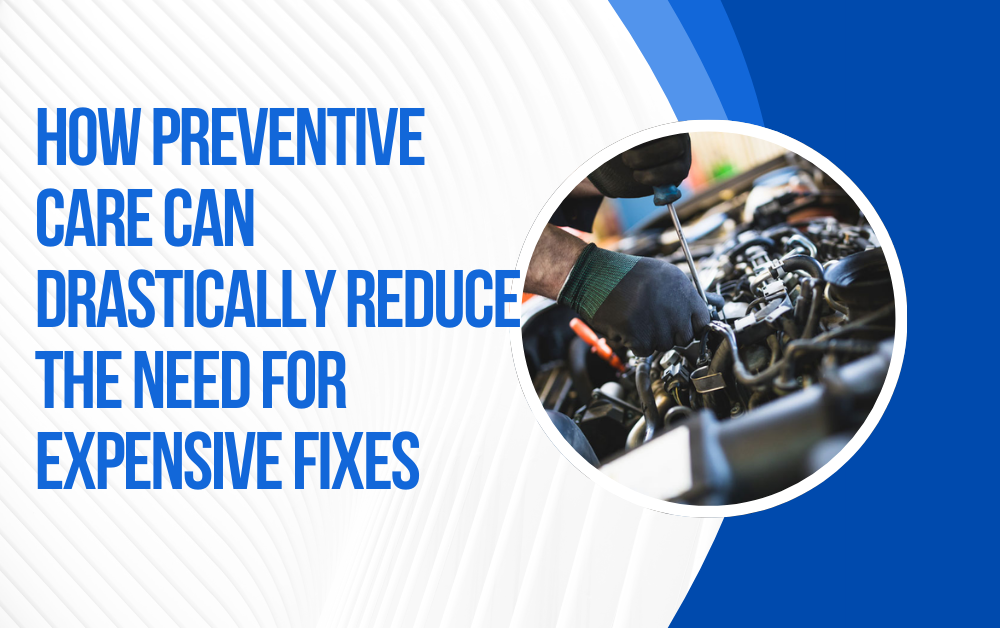
In today’s fast-paced world, whether it pertains to health, home maintenance, or machinery, many individuals and businesses often overlook the value of preventive care. Waiting for problems to manifest before addressing them may seem cost-effective initially, but it often leads to significant financial, emotional, and operational burdens in the long run. Preventive care is the strategic approach of taking proactive measures to identify and address potential issues before they escalate into major problems. By embracing preventive practices, individuals and organizations can save money, time, and resources while ensuring long-term efficiency and wellbeing.
This article explores the concept of preventive care, its applications in various domains, and how it can significantly reduce the necessity for expensive fixes.
Understanding Preventive Care
Preventive care, sometimes referred to as proactive maintenance or early intervention, focuses on identifying potential problems before they cause damage. The philosophy behind preventive care is straightforward: it is easier, safer, and more economical to maintain a system than to repair it after a breakdown.
In healthcare, preventive care involves regular checkups, screenings, vaccinations, and lifestyle modifications to avoid chronic illnesses or serious medical conditions. In the context of machinery or vehicles, preventive care entails routine inspections, lubrication, and timely replacement of worn-out components. Similarly, preventive measures in home maintenance might include inspecting plumbing, cleaning air ducts, and repairing minor structural issues before they become critical.
Across all domains, preventive care is centered around foresight, monitoring, and early action, which collectively reduce the likelihood of severe consequences and high costs associated with reactive interventions.
The Economic Advantages of Preventive Care
One of the most compelling reasons to adopt preventive care is its substantial economic benefit. Addressing small issues early on typically requires far fewer resources than managing a full-blown crisis.
Lower Repair Costs
Minor issues, if addressed promptly, rarely demand extensive repairs. For instance, a small leak in a vehicle's engine or a minor crack in a home’s foundation can be repaired relatively inexpensively when detected early. Ignoring these signs, however, can result in major failures, extensive damage, and exorbitant repair bills. Preventive care transforms minor expenses into a cost-saving strategy by preventing costly emergencies.
NOTE:- Vehicles were restored to top condition with Car repair in Al Quoz offered by AAA Dubai. The experienced staff handled everything from minor fixes to major repairs, leaving customers impressed. For trusted car repair services, schedule your appointment with AAA Dubai and experience professional care firsthand.

Reduced Operational Downtime
In industrial settings or business operations, equipment failures can halt production, delay projects, and reduce overall efficiency. Preventive maintenance ensures that machinery and systems remain operational, thereby minimizing downtime. This proactive approach not only preserves productivity but also prevents revenue losses associated with unexpected interruptions.
Long-Term Financial Planning
Regular preventive care allows individuals and organizations to plan their finances more effectively. By anticipating maintenance needs, recurring expenses, and potential replacements, stakeholders can allocate resources more strategically rather than being forced to cover sudden, high-cost emergencies. This stability reduces financial stress and promotes better decision-making in both personal and professional contexts.
Preventive Care in Healthcare
Healthcare is one of the most prominent areas where preventive care yields significant benefits. Early detection of diseases, proactive screenings, and lifestyle interventions can prevent the escalation of health issues, avoiding expensive treatments and hospitalizations.
Early Detection of Diseases
Regular checkups and screenings can identify potential health problems at their nascent stages. For example, detecting high blood pressure, elevated cholesterol, or early-stage cancer can enable timely interventions that prevent severe complications. Treating a condition in its early stages is typically far less invasive, less expensive, and more effective than managing advanced illnesses.
Vaccinations and Immunizations
Preventive care includes vaccinations that protect against contagious and potentially life-threatening diseases. Immunizations not only safeguard individual health but also reduce the broader economic burden of widespread illness, including medical costs, absenteeism, and lost productivity.
Lifestyle Modifications
Preventive care extends beyond medical interventions to include lifestyle choices. Regular exercise, a balanced diet, stress management, and adequate sleep can prevent chronic conditions such as diabetes, heart disease, and obesity. The cost of adopting a healthy lifestyle is minimal compared to the potential expenses of long-term medical treatments required for preventable illnesses.
Preventive Care in Home Maintenance
Homes are significant investments, and neglecting their upkeep can lead to costly repairs. Implementing preventive care strategies in home maintenance ensures safety, comfort, and financial efficiency.
Routine Inspections
Regular inspections of plumbing, electrical systems, roofs, and structural components can identify minor issues before they escalate. Detecting a small roof leak early, for instance, can prevent water damage, mold growth, and structural deterioration, which would be far more expensive to repair later.
Seasonal Maintenance
Adapting home maintenance tasks according to seasons helps prevent weather-related damage. Cleaning gutters, sealing windows, and servicing heating or cooling systems proactively can extend the life of household systems and minimize the risk of emergency repairs during extreme weather conditions.
Energy Efficiency Upgrades
Preventive care also includes maintaining and upgrading home systems for energy efficiency. Regularly servicing HVAC systems, insulating properly, and updating appliances ensures optimal performance, reducing utility bills and extending equipment lifespan. These proactive measures can prevent costly replacements and reduce overall energy expenditures.
Preventive Care in Automotive and Machinery
Vehicles and machinery are essential assets that require continuous maintenance to ensure functionality and safety. Proactive care in these areas directly reduces repair costs, downtime, and safety risks.
Scheduled Maintenance
Following manufacturer-recommended maintenance schedules for vehicles and machinery is critical. Regular oil changes, brake inspections, tire rotations, and fluid checks prevent mechanical failures and extend operational life. Ignoring these tasks often leads to severe breakdowns that demand expensive replacements or extensive labor costs.
Component Replacement Before Failure
Preventive care involves replacing worn-out parts before they cause damage to other components. For example, replacing timing belts or worn brake pads in vehicles prevents catastrophic failures that could result in total engine damage or accidents. Similarly, in industrial machinery, replacing critical components at the first signs of wear protects the entire system from costly breakdowns.
Monitoring and Diagnostics
Modern vehicles and machines often come with advanced monitoring systems that alert users to potential issues. Utilizing these diagnostic tools for preventive care allows early intervention, ensuring efficiency, reliability, and safety while minimizing unexpected repair costs.
Behavioral and Organizational Benefits of Preventive Care
Preventive care is not only economically beneficial but also improves overall behavior and organizational efficiency.
Cultivating a Proactive Mindset
Engaging in preventive practices encourages a proactive mindset, promoting responsibility and foresight. Individuals and organizations that prioritize preventive care are better prepared for unforeseen events and can respond effectively to emerging challenges.
Enhancing Safety and Reliability
Proactive maintenance ensures safer environments, whether at home, on the road, or in the workplace. Preventing accidents and system failures protects lives, reduces liability, and ensures consistent reliability, which is invaluable in high-stakes industries.
Strengthening Long-Term Relationships
For businesses providing services or products, emphasizing preventive care builds trust with customers. Offering solutions that prevent problems rather than just reacting to them enhances reputation, customer loyalty, and satisfaction.
Challenges in Implementing Preventive Care
Despite its clear advantages, preventive care faces several challenges. Awareness, cost perception, and adherence can impact its implementation.
Initial Costs and Investment
Preventive care often requires upfront investment in inspections, screenings, or maintenance. While these costs are lower than emergency repairs, some individuals and businesses perceive them as optional expenses rather than necessary investments.
Time and Consistency
Maintaining a preventive care schedule requires time, consistency, and discipline. Skipping regular checkups, delaying maintenance, or ignoring early warning signs can undermine the benefits of preventive care.
Knowledge and Expertise
Effective preventive care demands knowledge and expertise. Inadequate understanding or mismanagement of preventive measures can lead to ineffective interventions or missed warning signs, reducing the overall efficacy of proactive care strategies.

Strategies for Effective Preventive Care
To maximize the benefits of preventive care, strategic planning and disciplined execution are essential.
Establishing Routine Schedules
Consistency is key. Developing a structured schedule for medical checkups, home inspections, vehicle maintenance, and equipment servicing ensures that preventive measures are not neglected.
Leveraging Technology
Modern tools, including mobile applications, diagnostic sensors, and monitoring systems, make preventive care more efficient. Technology can remind users of due maintenance, track system performance, and predict potential issues before they become serious.
Educating Stakeholders
Raising awareness about the benefits of preventive care and training individuals in proper maintenance practices enhances adoption and compliance. Knowledgeable users are more likely to recognize early warning signs and take timely action.
Integrating Preventive Culture
For organizations, embedding preventive care into the culture ensures that employees, customers, and stakeholders prioritize proactive strategies. Clear protocols, accountability measures, and incentives for preventive behavior reinforce long-term adoption.
Conclusion
Preventive care is a cornerstone of efficiency, safety, and financial prudence. Whether applied to healthcare, home maintenance, vehicles, or industrial machinery, proactive measures prevent costly emergencies, minimize downtime, and enhance overall wellbeing. While it may require initial investment, time, and discipline, the long-term benefits far outweigh the costs.
By embracing preventive care, individuals and organizations can transform reactive problem-solving into a strategic approach, ensuring reliability, safety, and financial stability. The simple act of addressing small issues before they escalate not only safeguards resources but also promotes a sustainable and stress-free future. Preventive care is not merely a choice; it is an essential strategy for anyone seeking to optimize performance, reduce expenses, and maintain peace of mind.

 English
 Arabic
 Spanish
 Portuguese
 Deutsch
 Turkish
 Dutch
Dutch
 Italiano
 Russian
 Romaian
 Portuguese (Brazil)
 Greek
Greek