


How High-Efficiency Blower Solutions Reduce Costs While Boosting Productivity
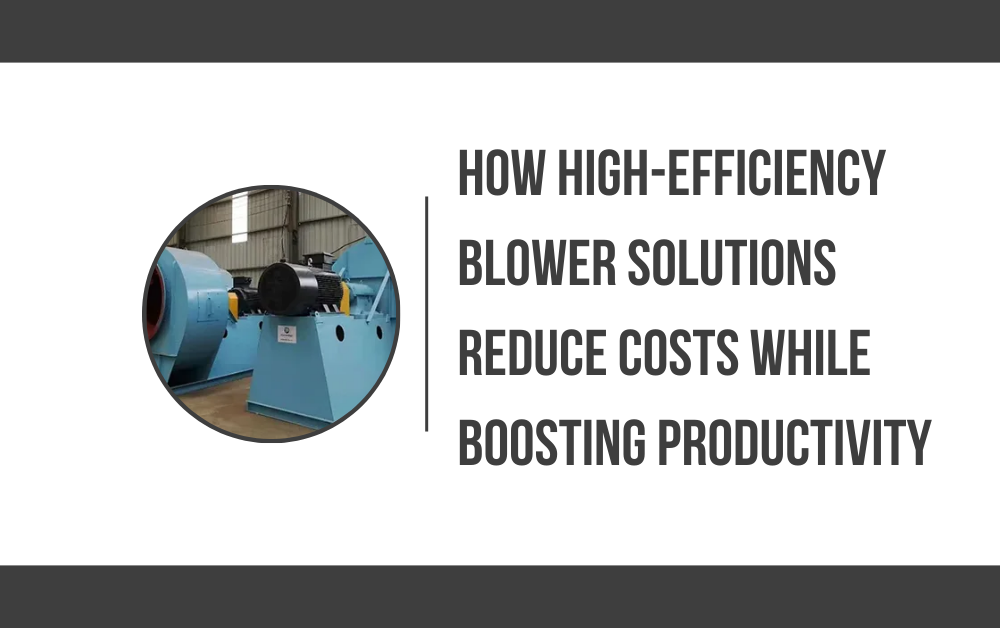
In modern industrial operations, optimizing energy consumption while maintaining productivity is a critical challenge. Companies are continually seeking solutions that deliver maximum efficiency without compromising operational output. One such solution gaining increasing attention is the adoption of high-efficiency blower systems. These systems play a pivotal role in various industrial applications, including ventilation, material handling, pneumatic conveying, and combustion processes. By leveraging advanced design and technology, high-efficiency blowers not only reduce operational costs but also enhance overall productivity, making them a key investment for forward-thinking industries.
Understanding High-Efficiency Blowers
High-efficiency blowers are specialized air-moving devices engineered to provide superior performance compared to conventional blowers. Unlike traditional blowers, these systems are designed with advanced aerodynamics, precision-engineered components, and energy-optimized motors. The result is improved airflow management, reduced power consumption, and enhanced durability.
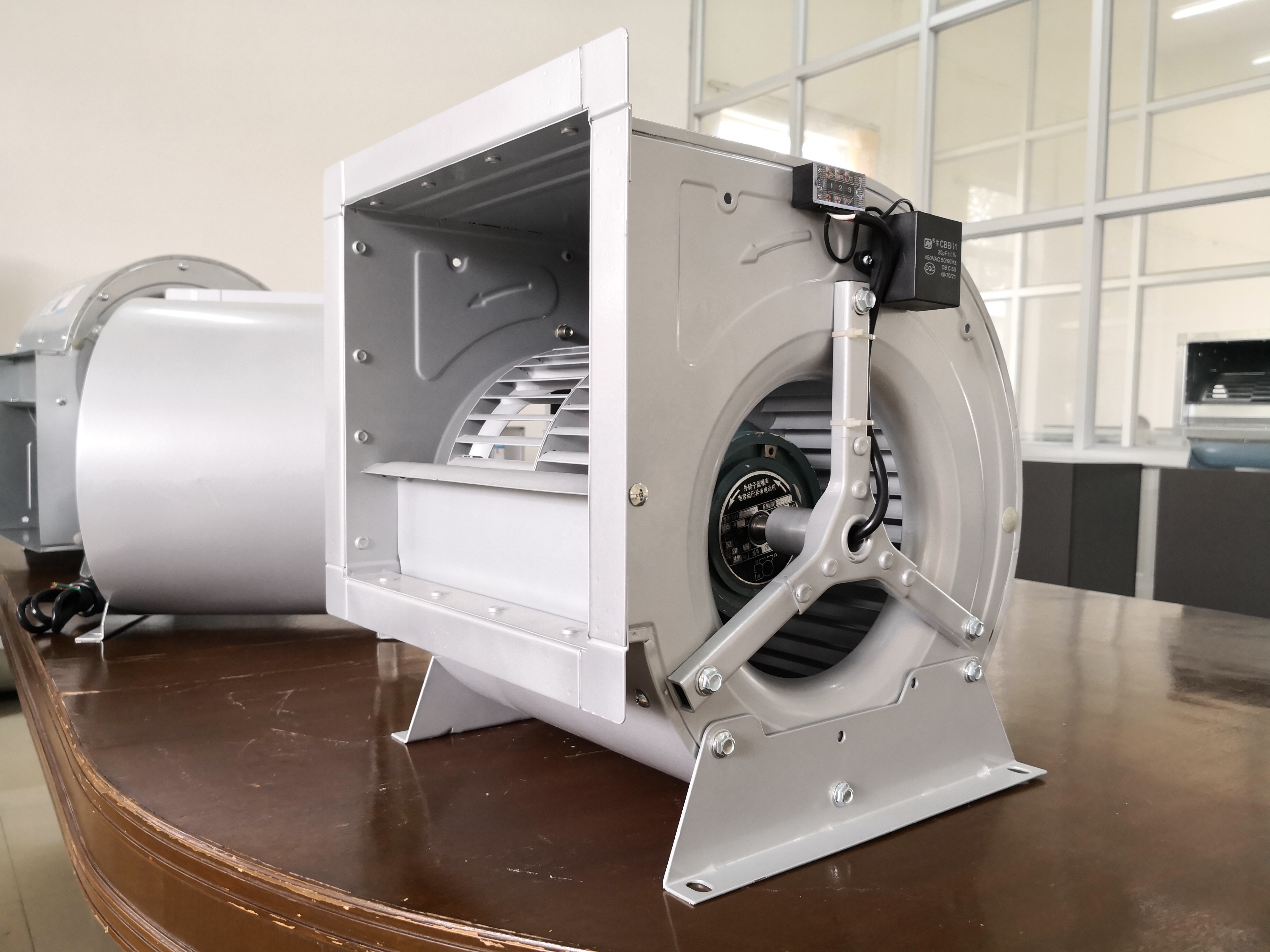
The primary objective of high-efficiency blowers is to deliver the required volume of air at the desired pressure while minimizing energy losses. This is achieved through innovative impeller designs, optimized housing shapes, and high-performance bearings that reduce mechanical friction. Additionally, the integration of variable frequency drives (VFDs) allows for precise control over blower speed, aligning energy usage with operational demand.
The Cost-Saving Potential of High-Efficiency Blowers
Energy costs constitute a significant portion of industrial operational expenses. Traditional blowers often operate at fixed speeds, consuming excessive power even when full capacity is not required. High-efficiency blower solutions address this issue in multiple ways:
Reduced Energy Consumption
High-efficiency blowers are engineered to maximize airflow per unit of energy consumed. This means that for the same operational output, these systems require less electrical power. Studies have shown that switching from conventional blowers to high-efficiency models can reduce energy consumption by 15–40%, depending on the application. Such reductions translate directly into lower utility bills and a reduced carbon footprint, aligning operational practices with sustainability goals.
NOTE:- Many facilities had upgraded their ventilation systems using centrifugal fans in UAE. Airody Trading LLC delivered trusted solutions that improved airflow and operational efficiency. The fans were praised for durability and consistent performance. Contact Airody Trading LLC now to benefit from high-quality centrifugal fans in UAE for your business.
Lower Maintenance Costs
The design improvements in high-efficiency blowers extend beyond energy savings. Precision-engineered components and high-quality materials reduce wear and tear, leading to longer service intervals and fewer unexpected breakdowns. Additionally, vibration and noise levels are minimized, which not only prolongs the life of the blower itself but also reduces the stress on surrounding equipment. Lower maintenance requirements mean fewer production interruptions and reduced labor costs associated with repairs.
Improved Operational Efficiency
High-efficiency blowers contribute to more stable and consistent airflow, which is essential in processes that demand precise environmental conditions. For example, in chemical manufacturing, food processing, or HVAC systems, maintaining a consistent airflow ensures product quality and prevents costly defects or process inefficiencies. By delivering predictable performance, these blowers reduce the risk of process disruptions, ultimately contributing to overall cost savings.
Boosting Productivity Through Enhanced Blower Performance
While cost savings are an important factor, high-efficiency blowers also play a crucial role in boosting productivity across industrial operations. The enhanced performance characteristics of these systems directly impact operational output and process reliability.
Optimized Airflow for Critical Processes
In many manufacturing processes, airflow is critical to maintaining temperature, humidity, or pressure levels. High-efficiency blowers are capable of delivering precisely controlled airflow, ensuring that sensitive processes operate within optimal parameters. This reliability reduces downtime caused by environmental fluctuations and helps maintain consistent production rates, thereby increasing overall productivity.
Increased Process Throughput
In industries such as material handling and pneumatic conveying, blower performance directly affects the speed and efficiency of moving raw materials or finished products. High-efficiency blowers can handle larger volumes of air with less energy, enabling faster material transport without sacrificing system reliability. This increased throughput not only accelerates production schedules but also allows companies to respond more effectively to market demand.
Enhanced Worker Safety and Comfort
Operational productivity is closely linked to workplace conditions. High-efficiency blowers contribute to better ventilation and air quality in industrial facilities. By reducing heat, controlling dust, and maintaining a stable working environment, these systems support worker comfort and safety. A healthier and more comfortable workforce is inherently more productive, resulting in fewer absences and higher overall operational efficiency.
Technological Advancements Driving High-Efficiency Blowers
The effectiveness of high-efficiency blowers is rooted in ongoing technological advancements. Innovations in design, materials, and control systems have pushed blower performance to new levels, allowing industries to achieve significant energy savings and productivity gains.
Advanced Aerodynamic Designs
Modern high-efficiency blowers utilize aerodynamically optimized impellers and casings to minimize energy losses caused by turbulence and friction. Computational fluid dynamics (CFD) simulations are often employed during the design phase to ensure that airflow paths are smooth and efficient. These designs reduce the work required by the motor and result in quieter, more reliable operation.
Variable Frequency Drives
Variable frequency drives (VFDs) have revolutionized blower control. By adjusting motor speed to match real-time process requirements, VFDs prevent energy waste associated with running blowers at full capacity unnecessarily. This not only reduces electricity costs but also enhances system longevity by avoiding excessive mechanical stress.
Smart Monitoring and Predictive Maintenance
High-efficiency blowers increasingly incorporate sensors and monitoring systems that provide real-time data on performance parameters such as vibration, temperature, and airflow. Advanced analytics can predict maintenance needs before failures occur, allowing proactive servicing that minimizes downtime. This predictive approach ensures consistent operational performance while further reducing maintenance expenses.

Industrial Applications Benefiting from High-Efficiency Blowers
The advantages of high-efficiency blowers are not limited to a single industry. A wide range of sectors has experienced measurable benefits from adopting these systems.
Manufacturing and Processing Plants
In manufacturing and processing facilities, precise airflow management is essential for operations such as drying, cooling, and material transport. High-efficiency blowers ensure consistent performance, helping plants maintain product quality and reduce energy consumption simultaneously.
HVAC Systems
Heating, ventilation, and air conditioning (HVAC) systems are among the largest energy consumers in commercial and industrial buildings. Replacing conventional fans with high-efficiency blowers can significantly reduce energy costs while maintaining optimal indoor air quality, temperature, and humidity levels.
Power Generation and Utilities
Power plants and utility operations often rely on blowers for combustion air supply, cooling, and exhaust management. High-efficiency blowers enhance the performance of these systems, reducing fuel consumption, emissions, and operational costs while supporting environmental compliance initiatives.
Material Handling and Pneumatic Conveying
Industries that rely on pneumatic conveying, such as cement, food, and chemical production, benefit from the increased airflow and efficiency offered by modern blowers. Faster and more reliable material transport enables higher production rates and more flexible operations.
Environmental and Regulatory Considerations
In addition to cost savings and productivity gains, high-efficiency blowers also contribute to environmental compliance. By reducing energy consumption, these systems help industries meet stringent emission regulations and sustainability targets. Lower energy usage results in reduced greenhouse gas emissions, supporting corporate responsibility initiatives and enhancing a company’s environmental reputation.
Moreover, quieter and more efficient blower operation helps facilities comply with noise regulations and improve community relations. These environmental benefits further reinforce the value proposition of high-efficiency blower solutions.
Conclusion
High-efficiency blower solutions offer a compelling combination of energy savings, operational reliability, and productivity enhancement. By integrating advanced aerodynamic designs, energy-efficient motors, and smart control technologies, these systems reduce operational costs while boosting performance across a wide range of industrial applications.
Industries that adopt high-efficiency blowers experience lower energy consumption, reduced maintenance costs, improved process consistency, and enhanced worker safety and comfort. Beyond immediate financial benefits, these systems also support environmental sustainability and regulatory compliance, making them a strategic investment for modern industrial operations.
In today’s competitive industrial landscape, the adoption of high-efficiency blower solutions is not just a matter of operational efficiency—it is a critical factor in achieving long-term sustainability and productivity growth. Organizations that embrace these technologies are better positioned to reduce costs, enhance output, and remain resilient in a rapidly evolving market.

 English
 Arabic
 French
 Spanish
 Portuguese
 Deutsch
 Turkish
 Dutch
Dutch
 Italiano
 Russian
 Portuguese (Brazil)
 Greek
Greek