


Inside Egyptian Medical Colleges: Training Style, Culture and Discipline
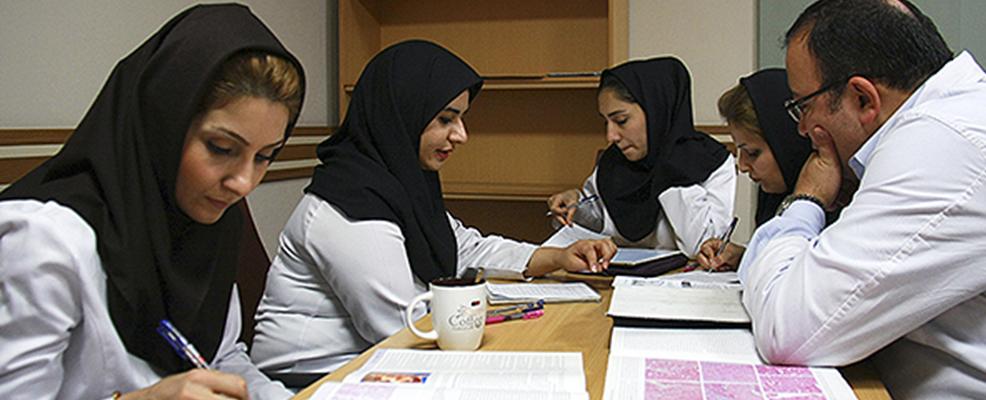
Pursuing an mbbs in Egypt for Indian students has emerged as a strong, practical and academically meaningful choice for those who want quality medical education with genuine clinical exposure and a disciplined study environment. Egyptian medical colleges are not “easy degree” destinations; instead, they are structured institutions that maintain academic seriousness, emphasize medical ethics and ensure that students develop strong clinical competence before entering professional practice. For Indian students and parents curious about what actually happens inside Egyptian medical colleges, understanding the training style, campus culture and discipline system helps create realistic expectations.
Training Style: Structured, Practical and Patient-Centric
Egypt’s medical training approach is grounded in systematic learning. The MBBS curriculum in Egypt typically spans five academic years followed by a compulsory internship, designed to gradually transition students from classroom learning to hospital responsibilities. In the first years, students build solid foundations in anatomy, physiology, biochemistry and pathology through lectures, practical labs and structured demonstrations. Teaching is conceptual rather than superficial, encouraging students to understand how diseases develop, how systems function and how theory links with real patient conditions.
As students progress, education becomes more clinically focused. Egyptian medical colleges emphasize early hospital exposure, allowing students to observe cases, participate in rounds and understand patient dynamics even before their final years. Teaching hospitals in Egypt experience high patient inflow, providing students exposure to a wide range of diseases – from infectious illnesses to complex surgical and emergency conditions. This ensures students don’t just “study medicine,” they experience it. By the time internship begins, students already understand hospital workflows, case discussions, patient documentation and clinical protocols.
Faculty guidance is another cornerstone of Egyptian training. Professors are academically strong, clinically experienced and deeply committed to teaching. Students are mentored with both strictness and support. The environment encourages discipline, intellectual curiosity and accountability – all essential traits for future doctors.
Academic Culture: Serious, Respectful and Ethically Rooted
The academic culture in Egyptian medical colleges is deeply respectful toward education and the medical profession. Classrooms are formal environments, and students are expected to maintain serious academic behavior, attend classes regularly and participate actively. Medicine is treated as a noble responsibility rather than just a professional qualification. This mindset shapes students into mature learners who understand the gravity of becoming doctors.
Ethics is an integral part of medical culture in Egypt. Students are guided to treat patients with dignity, maintain confidentiality and engage with empathy. Professors often integrate discussions about moral responsibility alongside case explanations. This helps students understand that medicine is not only science, but also compassion, discipline and professionalism.
Culturally, Egypt is warm, welcoming and respectful. Indian students generally find it easy to adjust because of similarities in values like respect for teachers, strong family culture and community-oriented living. The student environment encourages focus rather than distraction, supporting those who genuinely want to grow academically.
Discipline: A Foundation for Building Responsible Doctors
One of the defining elements of Egyptian medical colleges is discipline. Attendance is strictly monitored, performance expectations are clear and procrastination is not encouraged. Regular assessments, viva-voce, clinical evaluations and written examinations ensure that students remain academically engaged throughout the year.
Discipline extends beyond academics into clinical behavior. Students are expected to arrive on time for postings, wear proper clinical attire, maintain respectful communication and follow hospital protocols carefully. This builds habits essential for real-life medical practice, where responsibility, punctuality and precision can directly impact patient outcomes.
The disciplined environment also creates a sense of accountability. Students learn to manage time, stay consistent, prepare regularly and handle pressure without panic. These qualities naturally translate into clinical confidence and professional maturity.
Clinical Exposure: Real-World Learning in Busy Hospitals
Egypt’s healthcare system provides a major advantage to MBBS students – real patient exposure. Teaching hospitals associated with Egyptian universities handle high patient volumes daily, offering students varied and continuous clinical learning opportunities. Students see medical conditions similar to India including tropical diseases, chronic illnesses, trauma cases, maternal health issues and pediatric conditions.
Clinical learning in Egypt is progressive. Students begin with observation, gradually move into participation and later handle supervised responsibilities. They learn how to take patient histories, understand symptoms, interpret reports, assist in practical procedures and observe major surgical and medical interventions. By the time students complete their internship, they are accustomed to busy hospital environments and confident in handling patient care responsibly.
Language and Adaptation: Supportive Yet Growth-Focused
While MBBS programs for international students are primarily taught in English, Egyptian medical education encourages students to learn basic Arabic for better patient interaction during clinical training. Universities often provide language support sessions, and students naturally pick up conversational Arabic through daily interaction. This enhances clinical communication skills and builds deeper patient connection.
Adaptation to life in Egypt is generally smooth. The country is culturally respectful, safe for students and academically supportive. University campuses maintain secure environments, and international offices assist with documentation, orientation and student needs.
Living Environment and Student Life
Student life in Egypt is balanced and comfortable. Most universities provide hostel accommodation or support in finding suitable housing. Living costs are comparatively affordable, and Indian food availability makes adjustment easier. The lifestyle supports focus on academics while still allowing students to enjoy cultural experiences, historical exploration and meaningful friendships with peers from different countries.
Students develop independence, time management and emotional stability – qualities that contribute equally to personal and professional growth.
Career Readiness and Confidence
The combined impact of strong academics, disciplined environment and rich clinical exposure prepares students well for future careers. Egyptian MBBS graduates are eligible to appear for screening exams such as FMGE or NExT in India and can pursue opportunities in other countries after relevant licensing processes. More importantly, they graduate with practical confidence, ethical grounding and the mindset of responsible doctors who understand real patient care.
Conclusion
Inside Egyptian medical colleges, education is serious, structured and purpose-driven. Training style emphasizes real medicine, culture nurtures respect and ethics, and discipline shapes confidence and responsibility. For Indian students who truly wish to become capable doctors rather than just degree holders, Egypt offers an environment where knowledge, practical skill and professional character develop together. Through its balanced blend of academics, culture and discipline, Egypt stands out as a destination that genuinely prepares future doctors for meaningful and confident medical practice.

 English
 Arabic
 French
 Spanish
 Portuguese
 Deutsch
 Turkish
 Dutch
Dutch
 Italiano
 Russian
 Romaian
 Portuguese (Brazil)