


Cloud Computing Boom: Market Size, Regional Leaders, and Future Trends
The global cloud computing market has emerged as one of the most transformative forces shaping modern enterprise operations. As organizations worldwide accelerate digital transformation initiatives, cloud platforms have become the backbone supporting scalability, innovation, and resilience. From startups to multinational enterprises, cloud computing is no longer a discretionary technology investment—it is a strategic imperative.
The global cloud computing market size is likely to be valued at US$917.9 billion in 2026 and is expected to reach US$2,673.4 billion by 2033, expanding at a robust CAGR of 16.5% during the forecast period from 2026 to 2033. This remarkable growth trajectory is fueled by the rapid migration from legacy on-premise infrastructure, increasing demand for scalable IT environments, and the explosive adoption of artificial intelligence (AI), machine learning (ML), and data-intensive analytics workloads.
As enterprises prioritize agility, cost optimization, and faster time-to-market, cloud computing continues to redefine how digital services are built, deployed, and consumed across industries.
Understanding Cloud Computing and Its Market Evolution
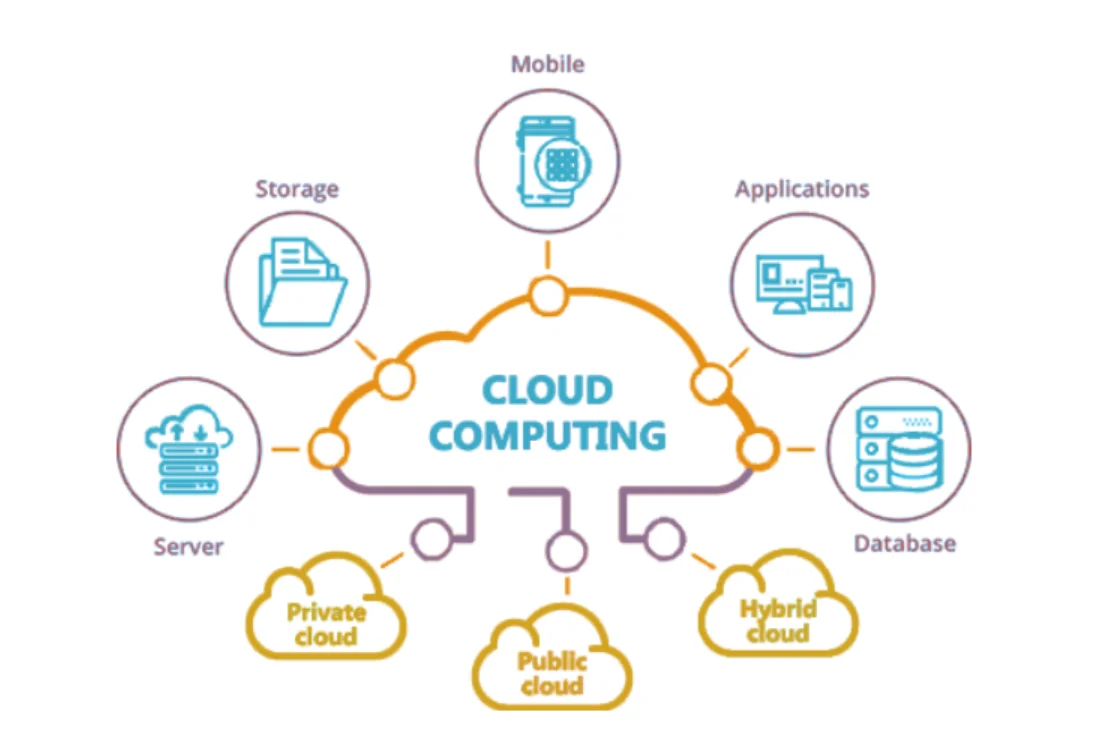
Cloud computing refers to the delivery of computing services—including servers, storage, databases, networking, software, and analytics—over the internet on a pay-as-you-go basis. This model eliminates the need for costly hardware investments while offering unparalleled flexibility and scalability.
Over the past decade, cloud computing has evolved from basic infrastructure hosting to a comprehensive ecosystem encompassing advanced analytics, AI platforms, edge computing, and industry-specific solutions. Enterprises are increasingly adopting cloud-native architectures that enable microservices, containerization, and continuous integration and deployment (CI/CD).
This evolution has positioned cloud computing as the foundation for digital business models, enabling organizations to rapidly adapt to changing market conditions and customer expectations.
Key Growth Drivers of the Cloud Computing Market
Rapid Enterprise Digital Transformation
One of the most significant drivers of cloud computing market growth is the accelerating pace of enterprise digital transformation. Organizations across sectors are modernizing legacy applications, automating workflows, and adopting data-driven decision-making frameworks.
Cloud platforms provide the agility needed to deploy new digital services quickly while supporting innovation through continuous upgrades and integrations. Enterprises increasingly view cloud adoption as a strategic enabler for long-term competitiveness rather than a simple IT cost-saving measure.
Migration from Legacy On-Premise Infrastructure
Large-scale migration from traditional on-premise data centers to cloud environments is another major factor driving market expansion. Legacy infrastructure often suffers from high maintenance costs, limited scalability, and slower deployment cycles.
By moving workloads to the cloud, enterprises gain access to elastic computing resources, enhanced disaster recovery capabilities, and improved operational efficiency. This shift is particularly pronounced among large enterprises managing complex, geographically distributed operations.
Rising Adoption of AI, Machine Learning, and Big Data Analytics
The growing reliance on AI, machine learning, and advanced analytics has significantly increased demand for cloud computing. These technologies require massive computational power, scalable storage, and high-performance data processing—capabilities that cloud platforms are uniquely positioned to deliver.
Cloud-based AI services allow organizations to experiment, train models, and deploy intelligent applications without investing in expensive hardware. As data volumes continue to grow exponentially, cloud environments have become essential for managing and extracting value from large datasets.
Cost Efficiency and Flexible Pricing Models
Cloud computing offers flexible pricing structures that allow enterprises to pay only for the resources they use. This cost-efficient model reduces capital expenditures and shifts IT spending toward operational expenses, improving financial predictability.
For small and medium-sized enterprises (SMEs), cloud services lower the barrier to entry for advanced technologies, enabling them to compete with larger organizations on a more level playing field.
Deployment Model Analysis
Public Cloud Dominates the Market
Public cloud is projected to be the leading deployment type in 2026, accounting for approximately 55% of the global cloud computing market. Public cloud platforms offer scalable, shared infrastructure delivered over the internet, making them ideal for a wide range of applications.
The dominance of public cloud is driven by its ability to support large-scale enterprise SaaS adoption, rapid application development, and global accessibility. Organizations benefit from continuous innovation, automatic updates, and extensive partner ecosystems offered by public cloud providers.
Hybrid and Private Cloud Continue to Gain Relevance
While public cloud leads the market, hybrid and private cloud models continue to play an important role, particularly for organizations with strict regulatory or data sovereignty requirements. Hybrid cloud architectures enable enterprises to balance flexibility with control by integrating on-premise infrastructure with public cloud services.
As data localization regulations and cybersecurity concerns intensify, many organizations are adopting hybrid strategies to optimize performance while ensuring compliance.
Service Model Trends
Software as a Service (SaaS) Leads the Market
Software as a Service (SaaS) is expected to remain the leading service segment, accounting for over 54% of total revenue in 2026. SaaS solutions offer ready-to-use applications delivered via the cloud, eliminating the need for installation, maintenance, and manual upgrades.
The widespread adoption of SaaS is driven by its ease of deployment, lower total cost of ownership, and ability to support remote and hybrid work environments. Enterprises across industries rely on SaaS for critical functions such as customer relationship management (CRM), enterprise resource planning (ERP), collaboration, and analytics.
Infrastructure and Platform Services Support Innovation
Infrastructure as a Service (IaaS) and Platform as a Service (PaaS) continue to play a vital role in enabling application development and modernization. IaaS provides scalable computing resources, while PaaS supports application development with integrated tools and frameworks.
These service models are essential for organizations building cloud-native applications and leveraging DevOps practices to accelerate innovation cycles.
End-User Industry Analysis
BFSI Emerges as the Leading End-User
The banking, financial services, and insurance (BFSI) sector is expected to be the largest end-user of cloud computing, accounting for over 28% of market revenue in 2026. Financial institutions increasingly rely on cloud platforms to enhance security, support real-time transaction processing, and improve data analytics capabilities.
Cloud computing enables BFSI organizations to manage high transaction volumes, detect fraud using AI-driven models, and deliver personalized digital banking experiences. Regulatory compliance and data security remain key considerations, driving adoption of secure and compliant cloud architectures.
Expanding Adoption Across Other Industries
Beyond BFSI, cloud adoption continues to accelerate across IT and telecommunications, manufacturing, retail, and healthcare. Manufacturers leverage cloud platforms for predictive maintenance and supply chain optimization, while retailers use cloud analytics to enhance customer engagement.
In healthcare, cloud computing supports electronic health records, telemedicine, and data-driven diagnostics, improving care delivery and operational efficiency.
Regional Market Insights
North America Leads the Global Cloud Computing Market
North America is anticipated to be the leading region in the cloud computing market, accounting for approximately 39% of global market share in 2026. The region benefits from strong hyperscaler presence, early adoption of advanced technologies, and high levels of cybersecurity compliance.
The growing demand for AI-driven cloud services, sovereign cloud solutions, and edge infrastructure further strengthens North America’s leadership position. Enterprises in the region continue to invest heavily in cloud modernization initiatives to maintain global competitiveness.
Asia Pacific Emerges as the Fastest-Growing Region
Asia Pacific is expected to be the fastest-growing region in the cloud computing market in 2026. Growth is driven by rapid 5G expansion, increasing mobile penetration, and rising adoption of hybrid cloud architectures.
Stringent data localization regulations and the growing dominance of regional and hyperscale cloud providers are encouraging localized cloud investments. Emerging economies across the region are leveraging cloud platforms to accelerate digital transformation and economic growth.
Emerging Trends Shaping the Cloud Computing Market
Growth of AI-Optimized Cloud Platforms
Cloud providers are increasingly offering AI-optimized infrastructure and services designed to support machine learning workloads. These platforms provide specialized hardware, integrated development tools, and scalable environments for AI innovation.
As AI adoption expands across industries, demand for intelligent cloud services is expected to rise significantly.
Expansion of Edge Computing and Distributed Cloud
Edge computing is gaining traction as organizations seek to process data closer to the source for lower latency and improved performance. Distributed cloud models extend cloud services to edge locations, supporting real-time applications such as IoT, autonomous systems, and smart cities.
This trend is reshaping cloud architectures and expanding market opportunities.
Increasing Focus on Security and Compliance
As cloud adoption grows, security and compliance remain top priorities for enterprises. Cloud providers continue to invest heavily in advanced security features, encryption technologies, and compliance certifications.
The development of sovereign cloud and industry-specific compliance solutions is expected to further drive enterprise adoption.
Future Outlook
The future of the cloud computing market remains exceptionally strong, underpinned by ongoing digital transformation, rapid technological innovation, and expanding enterprise reliance on data-driven operations. As organizations continue to modernize IT infrastructure and adopt next-generation technologies, cloud computing will remain a critical enabler of business growth and resilience.
With sustained investments in AI, hybrid cloud, and edge computing, the market is poised for long-term expansion through 2033 and beyond.
Conclusion
The global cloud computing market is entering a phase of accelerated growth, driven by enterprise modernization, AI adoption, and the need for scalable, secure digital infrastructure. Valued at US$917.9 billion in 2026 and projected to reach US$2,673.4 billion by 2033, the market reflects the central role cloud computing plays in shaping the future of global business.
As adoption expands across industries and regions, cloud computing will continue to redefine operational efficiency, innovation, and competitive advantage in the digital economy.
Related Reports:

 English
 Arabic
 French
 Portuguese
 Deutsch
 Turkish
 Dutch
Dutch
 Italiano
 Russian
 Romaian
 Portuguese (Brazil)
 Greek
Greek