


Comprehensive Water Infrastructure Services for Modern Communities
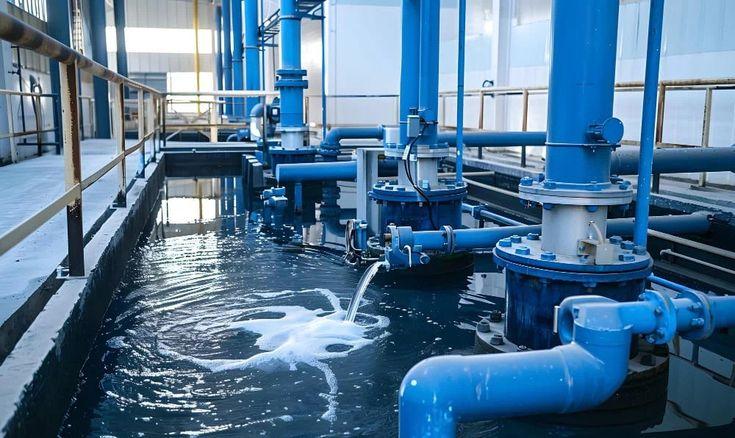
Water Infrastructure Services: Building Reliable and Sustainable Systems for Modern Communities
Water infrastructure services play a vital role in supporting public health, economic development, and environmental sustainability. From clean drinking water and wastewater treatment to stormwater control and surface maintenance, these services ensure that communities function safely and efficiently. As populations grow and infrastructure ages, investing in modern water infrastructure has become more important than ever.
This article provides a complete overview of water infrastructure services, their key components, benefits, and how integrated maintenance solutions contribute to long-term performance and resilience.
What Are Water Infrastructure Services?
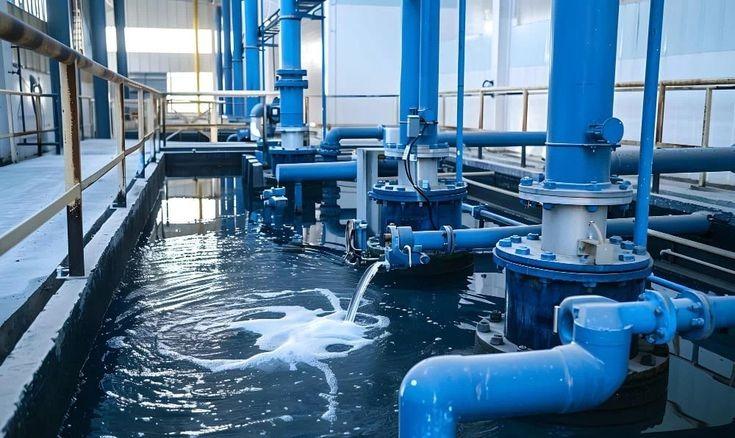
Water infrastructure services encompass the planning, construction, maintenance, and rehabilitation of systems that manage water supply, wastewater, and stormwater. These services are essential for ensuring safe water delivery, effective drainage, and environmental protection.
Core Elements of Water Infrastructure
-
Drinking water supply networks
-
Wastewater collection and treatment systems
-
Stormwater drainage and flood control
-
Pump stations and pipelines
-
Surface maintenance around water assets
Each component must work together to maintain reliability, reduce contamination risks, and support sustainable urban growth.
The Importance of Water Infrastructure in Urban Environments
Urban areas place significant demands on water systems. Aging pipelines, increased runoff, and higher usage levels can strain infrastructure if not properly managed.
Why Strong Water Infrastructure Matters
-
Protects public health by delivering clean water
-
Prevents flooding and water damage
-
Supports transportation and commercial activity
-
Reduces environmental pollution
-
Enhances community resilience to climate impacts
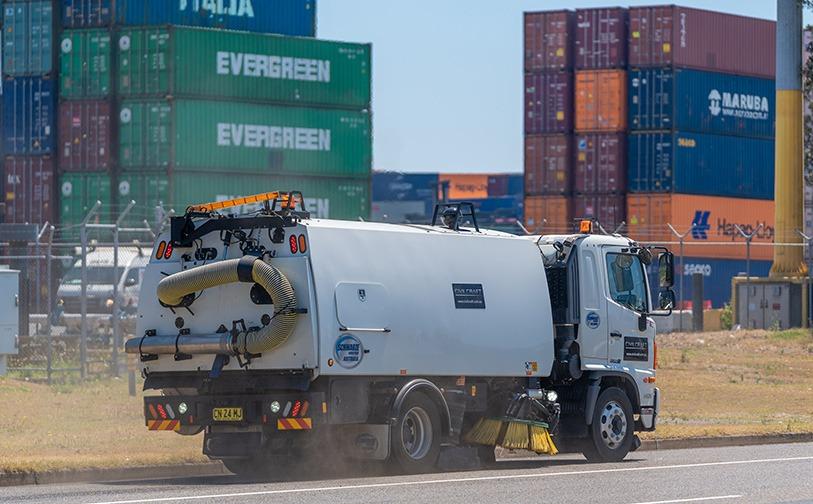
Supporting infrastructure around water assets, such as clean roadways and access areas, often involves complementary services like road sweeping to keep debris from entering drains and waterways.
Water Supply Systems and Network Maintenance
Water supply systems transport clean water from treatment plants to homes, businesses, and public facilities. Maintaining these networks is essential to prevent leaks, contamination, and service disruptions.
Key Maintenance Activities
-
Pipeline inspections and repairs
-
Valve and pump servicing
-
Leak detection and pressure testing
-
Asset upgrades and replacements
In areas where water infrastructure intersects with transportation surfaces, coordinated maintenance may also involve blacktop repair to restore roadways disturbed during pipeline works.

Wastewater and Sewer Infrastructure Services
Wastewater infrastructure safely transports and treats used water before it is returned to the environment. Failures in these systems can lead to serious health and environmental risks.
Essential Wastewater Services
-
Sewer line installation and rehabilitation
-
Pump station maintenance
-
Blockage removal and flow management
-
Treatment plant support
Effective waste management services are closely tied to wastewater systems, ensuring that solid and liquid waste is handled safely and in compliance with regulations.
Stormwater Infrastructure and Flood Management
Stormwater systems are designed to manage rainfall runoff and prevent flooding. As urban development increases, natural drainage is often replaced by hard surfaces, making engineered stormwater solutions critical.
Components of Stormwater Infrastructure
-
Drains, culverts, and channels
-
Retention and detention basins
-
Filtration and treatment systems
-
Outfall structures
Routine maintenance around stormwater assets, including debris removal and surface cleaning, helps prevent blockages that can lead to localized flooding.
Surface Maintenance Around Water Infrastructure
Water infrastructure does not exist in isolation. Roads, parking areas, and public spaces surrounding these systems require ongoing maintenance to ensure accessibility and safety.
Supporting Surface Services
-
Regular road sweeping to remove sediment and litter
-
Pavement maintenance and repairs
-
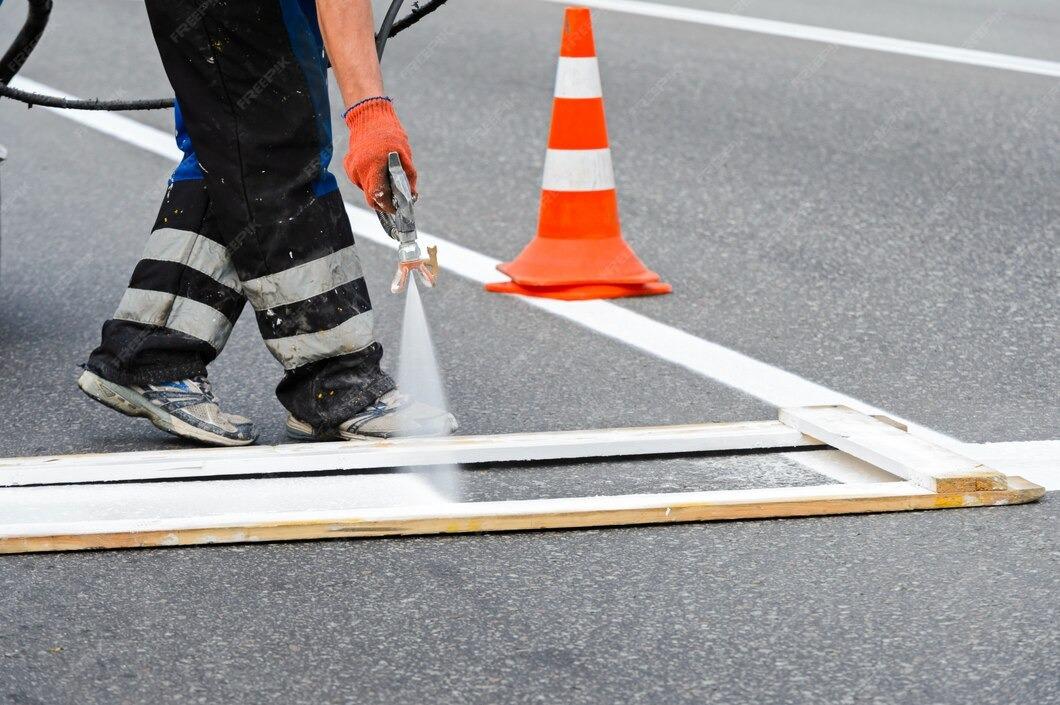
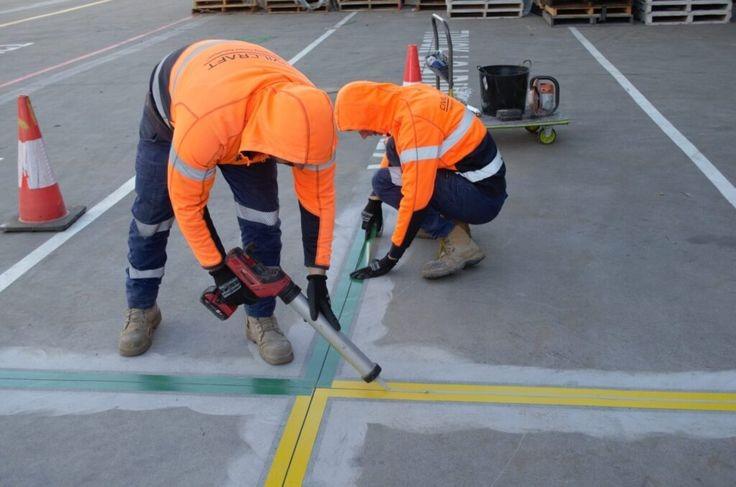
Safety markings and signage updates
Clear and visible markings provided by line marking services help guide vehicles and pedestrians around water infrastructure zones, reducing accident risks during maintenance or construction activities.
Rehabilitation and Repair of Water Infrastructure Assets
Over time, water infrastructure components degrade due to age, corrosion, and environmental exposure. Rehabilitation extends asset life without the cost of full replacement.
Common Repair Solutions
-
Pipe relining and sealing
-
Structural reinforcement
-
Joint and crack repairs
-
Surface restoration
For smaller-scale concrete maintenance tasks, property managers sometimes reference products similar to concrete repair bunnings solutions for minor fixes, while larger infrastructure repairs require specialized techniques and materials.
Sustainability and Environmental Protection in Water Infrastructure
Modern water infrastructure services prioritize sustainability and environmental responsibility. Efficient systems reduce water loss, lower energy use, and protect ecosystems.
Sustainable Infrastructure Practices
-
Water reuse and recycling systems
-
Energy-efficient pumps and controls
-
Pollution prevention measures
-
Environmentally compliant waste handling
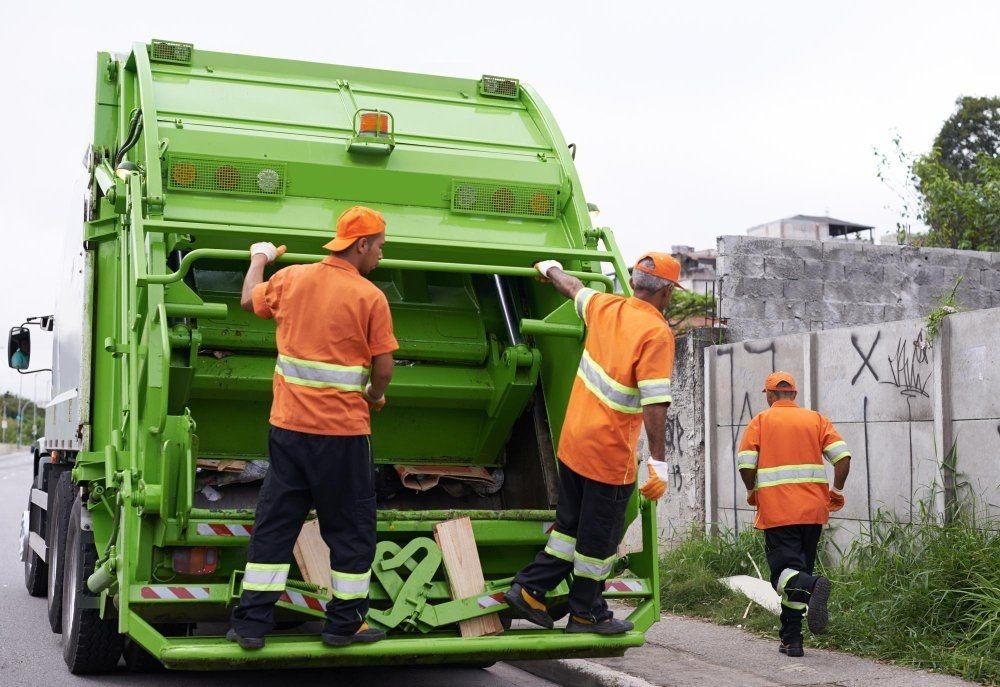
Integrating waste management services into water infrastructure projects ensures that byproducts are disposed of responsibly, minimizing environmental impact.
The Role of Technology in Modern Water Infrastructure
Advancements in technology have transformed how water infrastructure is monitored and managed.
Innovative Solutions
-
Smart sensors for leak detection
-
Remote monitoring and data analytics
-
Predictive maintenance systems
-
Automated flow control
These technologies help reduce downtime, improve efficiency, and support proactive maintenance strategies.
Residential vs Commercial Water Infrastructure Services
Water infrastructure needs vary depending on the application and scale of use.
Residential Services
Focus on reliable water supply, wastewater removal, and stormwater drainage for homes and small communities.
Commercial and Municipal Services
Involve larger networks, higher demand, and stricter regulatory requirements. These projects often require coordination with road maintenance, surface repairs, and traffic management.
Experienced providers like Civilcraft deliver integrated water infrastructure solutions that align technical performance with long-term community needs.
Choosing the Right Water Infrastructure Service Provider
Selecting a qualified provider is essential for successful outcomes.
What to Look For
-
Proven experience and technical expertise
-
Compliance with regulations and standards
-
Integrated service capabilities
-
Commitment to safety and sustainability
-
Transparent project management
A well-rounded provider understands how water systems interact with surrounding infrastructure and delivers solutions that support durability and efficiency.
Future Trends in Water Infrastructure Services
As climate conditions change and urban populations grow, water infrastructure services will continue to evolve.
Emerging Trends
-
Climate-resilient infrastructure design
-
Increased use of recycled water
-
Green stormwater solutions
-
Digital asset management
Proactive investment in these areas helps communities adapt while protecting critical water resources.
Final Thoughts on Water Infrastructure Services
Water infrastructure services are foundational to modern society. They ensure clean water access, effective wastewater treatment, and reliable stormwater control while supporting transportation, public safety, and environmental protection.
By combining robust water system management with supporting services such as surface maintenance, repairs, and waste handling, communities can extend asset life and reduce long-term costs. Investing in high-quality water infrastructure today builds safer, more resilient, and more sustainable communities for the future.

 English
 Arabic
 French
 Spanish
 Portuguese
 Deutsch
 Turkish
 Italiano
 Russian
 Romaian
 Portuguese (Brazil)
 Greek
Greek