


Inside the Micro-Speaker Boom: Regional Leaders, Applications, and Trends
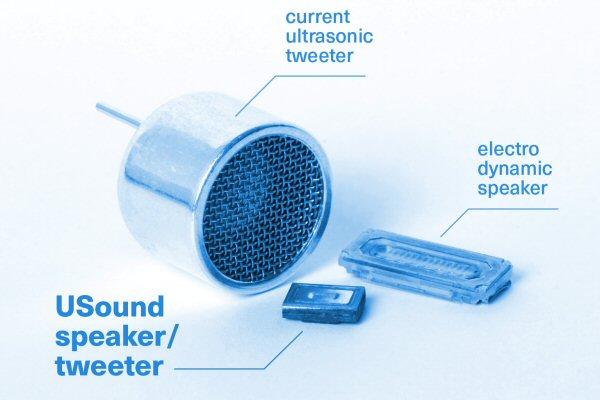
The global micro-speaker market is entering a phase of sustained expansion, fueled by the rapid evolution of compact electronic devices and rising expectations for high-quality audio performance in smaller form factors. As consumer electronics continue to shrink in size while expanding in functionality, micro-speakers have become a critical component across smartphones, wearables, medical devices, and automotive electronics.
According to industry estimates, the global micro-speaker market is likely to be valued at US$ 2.8 billion in 2026 and is projected to reach US$ 4.9 billion by 2033, growing at a CAGR of 8.3% during the forecast period from 2026 to 2033. This growth reflects the increasing integration of miniature acoustic components, advancements in miniaturization technologies, and the rising demand for immersive audio experiences across consumer and industrial applications.
Understanding Micro-Speakers and Their Role in Modern Electronics
Micro-speakers are compact audio output devices designed to deliver clear and powerful sound within extremely limited spaces. Unlike conventional speakers, micro-speakers are engineered to meet stringent size, weight, and power consumption requirements while maintaining acceptable sound pressure levels and frequency response.
These speakers are commonly used in smartphones, tablets, smartwatches, fitness trackers, hearing aids, medical monitoring devices, and in-vehicle infotainment systems. Their role has expanded significantly with the proliferation of truly wireless stereo (TWS) earbuds and wearable technologies, where space optimization and energy efficiency are paramount.
Advancements in acoustic engineering, materials science, and micro-electro-mechanical system (MEMS) fabrication have enabled manufacturers to overcome traditional limitations related to distortion, bass response, and durability. As a result, micro-speakers are now capable of delivering richer sound output than ever before.
Market Size Outlook and Growth Trajectory
The steady growth of the micro-speaker market is underpinned by multiple macro and industry-specific trends. Rising global smartphone penetration, growing demand for wearable devices, and increased adoption of smart electronics in healthcare and automotive sectors are collectively driving market expansion.
Between 2026 and 2033, manufacturers are expected to benefit from increasing unit volumes, especially as multi-speaker configurations become standard in premium smartphones and smart devices. While price competition remains intense, innovation in design and performance differentiation continues to support value growth across the market.
Emerging economies, particularly in Asia Pacific, are also contributing significantly to demand, supported by expanding consumer electronics manufacturing ecosystems and rising disposable incomes.
Key Industry Highlights at a Glance
Several notable trends define the current and future landscape of the micro-speaker industry:
- Asia Pacific is projected to dominate the global market with over 42% share in 2026, supported by strong electronics manufacturing hubs.
- North America is expected to be the fastest-growing regional market between 2026 and 2033.
- Smartphones are projected to account for over 35% of total market revenue in 2026, remaining the leading application segment.
- Wearables are anticipated to be the fastest-growing application category through 2033, driven by TWS earbuds and smartwatches.
These dynamics highlight both the maturity of traditional applications and the strong growth potential in emerging use cases.
Asia Pacific: The Dominant Manufacturing and Consumption Hub
Asia Pacific is expected to remain the largest regional market for micro-speakers throughout the forecast period. The region benefits from a highly integrated electronics supply chain, with major manufacturing bases in China, South Korea, Japan, and Southeast Asia.
Leading smartphone brands, component suppliers, and original equipment manufacturers (OEMs) operate extensively in this region, enabling large-scale production and rapid commercialization of new technologies. The presence of specialized acoustic component manufacturers further strengthens Asia Pacific’s dominance.
Additionally, rising domestic consumption of smartphones, wearables, and smart home devices across countries such as India, China, and Indonesia continues to fuel demand for micro-speakers. Government initiatives supporting electronics manufacturing and exports also play a role in sustaining regional growth.
North America: Fastest-Growing Market Driven by Innovation
While Asia Pacific leads in volume, North America is projected to be the fastest-growing regional market from 2026 to 2033. Growth in this region is driven primarily by technological innovation, strong R&D investments, and early adoption of next-generation devices.
The integration of micro-speakers into augmented reality (AR) and virtual reality (VR) headsets represents a major growth avenue. These devices require highly precise, lightweight, and efficient acoustic solutions to deliver immersive audio without compromising comfort.
North America also benefits from a strong ecosystem of wearable technology companies, healthcare device manufacturers, and automotive innovators, all of which increasingly rely on advanced micro-speaker solutions.
Smartphones: The Largest Application Segment
Smartphones continue to represent the largest application segment, accounting for more than 35% of global micro-speaker market revenue in 2026. Modern smartphones increasingly incorporate multiple speakers to support stereo sound, spatial audio, and enhanced voice clarity.
Consumer demand for immersive audio experiences—whether for gaming, streaming, or video calls—has encouraged manufacturers to invest in higher-performance micro-speakers. Features such as noise cancellation, enhanced bass response, and improved loudness have become important differentiators in competitive smartphone markets.
Despite slowing smartphone shipment growth in some regions, the continued shift toward premium devices and multi-speaker configurations ensures sustained demand for micro-speakers in this segment.
Wearables: The Fastest-Growing Application Segment
Wearables are expected to be the fastest-growing application segment through 2033, driven largely by the explosive growth of TWS earbuds, smartwatches, and fitness trackers. Consumers increasingly value portability, convenience, and audio quality, all of which rely heavily on advanced micro-speaker technologies.
TWS earbuds, in particular, require ultra-compact speakers that deliver high sound quality while minimizing power consumption. Continuous improvements in battery efficiency, wireless connectivity, and acoustic design have accelerated adoption across global markets.
Smartwatches and health-monitoring wearables also use micro-speakers for alerts, calls, voice assistance, and emergency notifications, further expanding their application scope.
Role of MEMS and Miniaturization Technologies
Technological advancements play a crucial role in shaping the future of the micro-speaker market. MEMS fabrication, advanced magnet materials, and innovative diaphragm designs have significantly improved sound output and reliability while reducing component size.
Miniaturization enables manufacturers to integrate micro-speakers into increasingly compact devices without sacrificing performance. This is particularly important for medical devices and AR/VR wearables, where space constraints are severe and precision is critical.
Ongoing research into new materials, such as graphene-based diaphragms and improved neodymium magnets, is expected to further enhance acoustic efficiency and durability.
Expanding Applications in Medical and Automotive Electronics
Beyond consumer electronics, micro-speakers are finding growing applications in medical devices and automotive electronics. In healthcare, micro-speakers are used in hearing aids, diagnostic devices, patient monitoring systems, and portable medical equipment.
In the automotive sector, the shift toward connected and electric vehicles has increased demand for compact audio components used in infotainment systems, driver alerts, and advanced driver assistance systems (ADAS). As vehicle interiors become more digital and space-efficient, micro-speakers play an increasingly important role.
These emerging applications diversify revenue streams and reduce the market’s reliance on traditional consumer electronics segments.
Competitive Landscape and Strategic Focus Areas
The micro-speaker market is characterized by intense competition, with manufacturers focusing on product differentiation, cost optimization, and long-term partnerships with OEMs. Key players invest heavily in R&D to improve acoustic performance, energy efficiency, and durability.
Strategic collaborations with smartphone brands, wearable manufacturers, and automotive suppliers are common, helping companies secure long-term supply contracts and co-develop customized solutions. Additionally, vertical integration across design, manufacturing, and testing processes provides a competitive edge in terms of quality and scalability.
Challenges Impacting Market Growth
Despite its positive outlook, the micro-speaker market faces several challenges. Price pressure remains significant due to high competition and commoditization in certain application segments. Maintaining margins while investing in innovation is an ongoing concern for manufacturers.
Supply chain disruptions, fluctuating raw material costs, and increasing environmental regulations also pose operational challenges. Moreover, achieving consistent sound quality across mass-produced miniature components requires advanced quality control processes.
Addressing these challenges will be critical for sustaining long-term growth and profitability.
Future Outlook: What Lies Ahead Through 2033
Looking ahead, the micro-speaker market is expected to benefit from the convergence of multiple technology trends, including 5G connectivity, AI-enabled voice assistants, AR/VR expansion, and smart healthcare solutions.
As devices become more compact and multifunctional, demand for high-performance micro-speakers will continue to rise. Manufacturers that successfully combine miniaturization, sound quality, and energy efficiency will be best positioned to capture emerging opportunities.
With strong growth projected through 2033, the micro-speaker market represents a dynamic and innovation-driven segment within the broader electronics components industry.
Conclusion
The global micro-speaker market is on a clear growth trajectory, driven by expanding applications, technological innovation, and rising consumer expectations for immersive audio in compact devices. From smartphones and wearables to medical and automotive electronics, micro-speakers have become an indispensable component of modern technology.
As the market grows from US$ 2.8 billion in 2026 to US$ 4.9 billion by 2033, stakeholders across the value chain—manufacturers, OEMs, and technology developers—stand to benefit from sustained demand and evolving use cases. The coming years will be defined by innovation, regional expansion, and the continued push toward smaller, smarter, and better-sounding devices.
Related Reports:

 English
 French
 Spanish
 Portuguese
 Deutsch
 Turkish
 Dutch
Dutch
 Italiano
 Russian
 Romaian
 Portuguese (Brazil)
 Greek
Greek