


Why Industries Are Shifting Toward Fiberglass Exhaust Fans for Reliable Ventilation
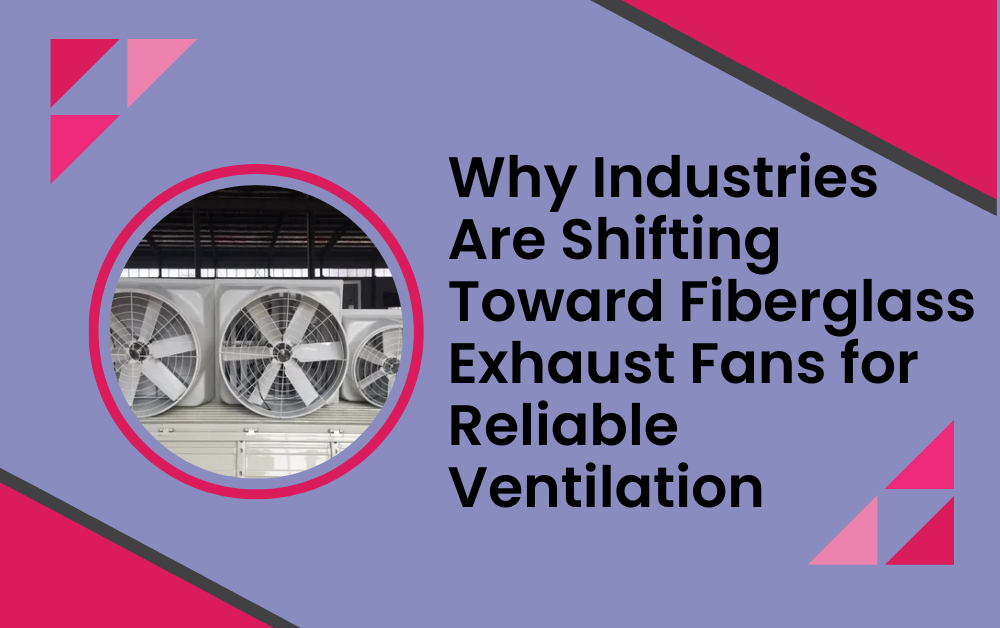
Industrial ventilation has become a critical priority across manufacturing, processing, and commercial sectors. As production scales increase and regulatory standards grow stricter, industries are under constant pressure to maintain safe air quality, control heat, and manage harmful fumes efficiently. Traditional metal exhaust fans, once the default choice, are increasingly proving inadequate in harsh industrial environments. This has led to a noticeable shift toward fiberglass exhaust fans, which offer superior durability, corrosion resistance, and long-term reliability.
Fiberglass exhaust fans are no longer viewed as niche solutions. Instead, they are emerging as a dependable standard for industries that demand consistent performance under challenging conditions. This article explores the key reasons behind this transition and explains why fiberglass-based ventilation systems are becoming the preferred choice for modern industrial operations.
The Growing Importance of Reliable Industrial Ventilation
Industrial environments generate heat, dust, moisture, chemicals, and airborne contaminants that can compromise worker safety and equipment performance. Effective ventilation is essential not only for employee health but also for maintaining productivity and meeting compliance requirements.
Poor ventilation can lead to equipment overheating, corrosion, reduced product quality, and increased downtime. As industries become more conscious of operational efficiency and workplace safety, they are seeking ventilation solutions that can operate reliably with minimal maintenance. Fiberglass exhaust fans are increasingly meeting these expectations due to their material advantages and engineering flexibility.
Understanding Fiberglass Exhaust Fans
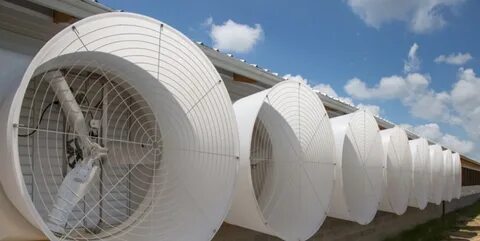
Fiberglass exhaust fans are manufactured using fiber-reinforced plastic, commonly referred to as FRP. This composite material combines glass fibers with resin to create a structure that is lightweight, strong, and highly resistant to environmental stressors.
Unlike conventional metal fans, fiberglass fans are not prone to rust, chemical degradation, or rapid wear in humid or corrosive environments. This makes them particularly suitable for industries such as chemical processing, wastewater treatment, food production, pharmaceuticals, and marine facilities.
NOTE:- The FRP fiberglass exhaust fan was designed to withstand moisture, heat, and aggressive chemicals. It had helped facilities maintain consistent airflow while reducing operational downtime. Organizations had relied on Presto Electromechanics Company LLC to deliver customized exhaust solutions tailored to demanding industrial needs.
Superior Corrosion Resistance in Harsh Environments
One of the primary reasons industries are shifting toward fiberglass exhaust fans is their exceptional resistance to corrosion. Many industrial settings involve exposure to chemicals, acidic fumes, salt-laden air, or high humidity levels that can quickly degrade metal components.
Fiberglass does not oxidize or rust, even when exposed to aggressive substances over long periods. This characteristic significantly extends the operational lifespan of exhaust fans and reduces the need for frequent replacements. For industries operating in coastal areas or chemical-heavy environments, this corrosion resistance translates directly into lower maintenance costs and improved system reliability.
Enhanced Durability and Structural Strength
Despite being lightweight, fiberglass exhaust fans offer impressive structural strength. The composite construction allows manufacturers to design fans that can withstand high airflow loads, vibration, and continuous operation without deformation.
This durability is especially valuable in industrial settings where ventilation systems run for extended hours. Fiberglass fans maintain their structural integrity over time, ensuring consistent airflow performance and reducing the risk of mechanical failure. As a result, industries experience fewer disruptions and more predictable ventilation outcomes.
Improved Energy Efficiency and Performance
Energy efficiency is a growing concern for industries aiming to reduce operational costs and environmental impact. Fiberglass exhaust fans contribute to this goal through their lightweight design, which places less strain on motors and drive systems.
Reduced weight allows for smoother rotation and improved airflow efficiency, meaning the fan can move the required volume of air using less energy. Over time, this leads to noticeable savings on electricity consumption. For large facilities operating multiple ventilation units, the cumulative energy savings can be substantial.
Low Maintenance Requirements and Reduced Downtime
Maintenance costs and downtime are major considerations for industrial decision-makers. Traditional metal exhaust fans often require regular inspections, repainting, or component replacement due to corrosion and wear.
Fiberglass exhaust fans, by contrast, demand minimal upkeep. Their resistance to rust and chemical damage means fewer repairs and longer service intervals. This low-maintenance nature allows maintenance teams to focus on other critical tasks while ensuring ventilation systems remain operational. Reduced downtime also supports uninterrupted production schedules, which is crucial for high-output industries.
Adaptability to Diverse Industrial Applications
Another factor driving the adoption of fiberglass exhaust fans is their adaptability. Fiberglass can be molded into various shapes and sizes, allowing manufacturers to customize fan designs based on specific airflow requirements, space constraints, and environmental conditions.
This flexibility makes fiberglass exhaust fans suitable for a wide range of applications, including factories, power plants, commercial kitchens, laboratories, and wastewater facilities. Industries benefit from ventilation solutions that are tailored to their operational needs rather than relying on generic, one-size-fits-all systems.
Resistance to Moisture and Temperature Fluctuations
Industrial environments often experience extreme temperature variations and high moisture levels. Metal components can expand, contract, or corrode under such conditions, leading to reduced performance and mechanical stress.
Fiberglass exhaust fans exhibit excellent resistance to moisture absorption and thermal fluctuations. They maintain dimensional stability and performance consistency even in environments with frequent temperature changes. This reliability ensures that airflow remains steady, supporting both worker comfort and process efficiency.
Improved Workplace Safety and Air Quality
Workplace safety is a top priority for industries worldwide. Effective ventilation plays a crucial role in removing hazardous fumes, airborne particles, and excess heat from work areas.
Fiberglass exhaust fans help maintain cleaner air by providing consistent and reliable exhaust performance. Their ability to operate efficiently in chemically aggressive environments ensures that harmful substances are effectively expelled rather than accumulating indoors. This contributes to healthier working conditions and supports compliance with occupational safety standards.
Long-Term Cost Effectiveness and Return on Investment
While the initial cost of fiberglass exhaust fans may be higher than some traditional alternatives, industries increasingly recognize their long-term value. Reduced maintenance expenses, lower energy consumption, extended service life, and fewer replacements all contribute to a strong return on investment.
Over time, the total cost of ownership for fiberglass exhaust fans is often significantly lower than that of metal fans. This financial advantage is a key driver behind the growing preference for fiberglass-based ventilation systems in cost-conscious industrial sectors.
Environmental and Sustainability Considerations
Sustainability is becoming an important factor in industrial decision-making. Fiberglass exhaust fans support environmental goals by offering energy-efficient operation and long service life, which reduces material waste and resource consumption.
Additionally, the improved airflow efficiency of fiberglass fans can contribute to better indoor air quality without excessive energy use. For industries aiming to align with sustainability initiatives and reduce their carbon footprint, fiberglass exhaust fans offer a practical and responsible solution.

Compliance With Modern Industrial Standards
As regulatory frameworks evolve, industries are required to meet stricter standards related to air quality, worker safety, and equipment reliability. Fiberglass exhaust fans help facilities comply with these requirements by delivering consistent ventilation performance in challenging conditions.
Their resistance to corrosion and mechanical degradation ensures that ventilation systems remain compliant over time, reducing the risk of regulatory penalties or operational shutdowns. This compliance assurance is particularly valuable for industries operating under strict inspection regimes.
The Future of Industrial Ventilation Solutions
The shift toward fiberglass exhaust fans reflects a broader trend in industrial infrastructure toward materials that offer durability, efficiency, and adaptability. As technology advances, manufacturers continue to refine fiberglass fan designs, incorporating improved aerodynamics and motor efficiency.
With increasing emphasis on reliability and cost optimization, fiberglass exhaust fans are well-positioned to become the dominant choice for industrial ventilation. Their proven performance across diverse applications suggests that their adoption will continue to grow in the coming years.
Conclusion
Industries are steadily moving toward fiberglass exhaust fans as a reliable and forward-looking ventilation solution. Their superior resistance to corrosion, durability in harsh environments, energy efficiency, and low maintenance requirements make them an ideal choice for modern industrial facilities.
As businesses prioritize operational efficiency, workplace safety, and long-term cost savings, fiberglass exhaust fans provide a dependable answer to complex ventilation challenges. This shift is not merely a trend but a strategic decision that reflects the evolving demands of industrial environments and the need for ventilation systems that can perform consistently under pressure.

 English
 Arabic
 French
 Portuguese
 Deutsch
 Turkish
 Dutch
Dutch
 Italiano
 Russian
 Romaian
 Portuguese (Brazil)
 Greek
Greek