


Key Considerations for Selecting Plastic Daily Necessities Molds
Plastic daily necessities molds are essential for producing household and personal items such as containers, storage boxes, kitchenware, and cosmetic packaging. Selecting the right mold ensures product quality, efficiency, and durability.
Material Compatibility
The first factor to consider is material compatibility. Different plastics, such as polypropylene (PP), polyethylene (PE), and acrylonitrile butadiene styrene (ABS), require specific mold materials and designs. High-quality steel or aluminum molds are commonly used because they can withstand repeated use and provide accurate shaping. Ensuring compatibility between the plastic material and the mold prevents defects such as warping, uneven thickness, or surface imperfections.
Mold Design and Precision
Mold design is another critical factor. Daily necessities often require precise dimensions and smooth finishes. Look for molds with detailed engineering, including proper draft angles, venting, and cooling channels. Well-designed molds help achieve consistent product quality, reduce cycle time, and minimize material waste.
Durability and Maintenance
Durability is key for molds that will be used for high-volume production. Molds made from hardened steel or coated with corrosion-resistant materials can withstand frequent use without degrading. Additionally, consider molds that are easy to clean and maintain, as this ensures consistent production quality and prolongs the mold’s lifespan.
Cost and Production Efficiency
Consider the balance between cost and efficiency. While high-quality molds may have a higher initial cost, they often reduce maintenance needs, material waste, and production errors, leading to long-term savings. Evaluate the expected production volume and choose molds that provide the best balance between performance and cost.
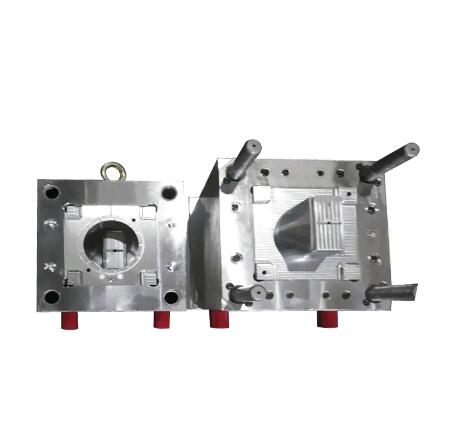
https://www.yiwei-mold.com/product/ventilation-mold/hvac-ventilation-duct-interface-molds.html
The mold for a ventilation duct interface is a critical component in the production of ventilation systems used in various applications, including residential, commercial, and industrial settings. This mold is responsible for shaping the interface or connection point of ventilation ducts, providing structural integrity, precise fitment, and efficient airflow.

 English
 Arabic
 French
 Spanish
 Deutsch
 Turkish
 Dutch
Dutch
 Italiano
 Russian
 Romaian
 Portuguese (Brazil)
 Greek
Greek