


How Do Tiny House Regulations Impact Where You Can Live?
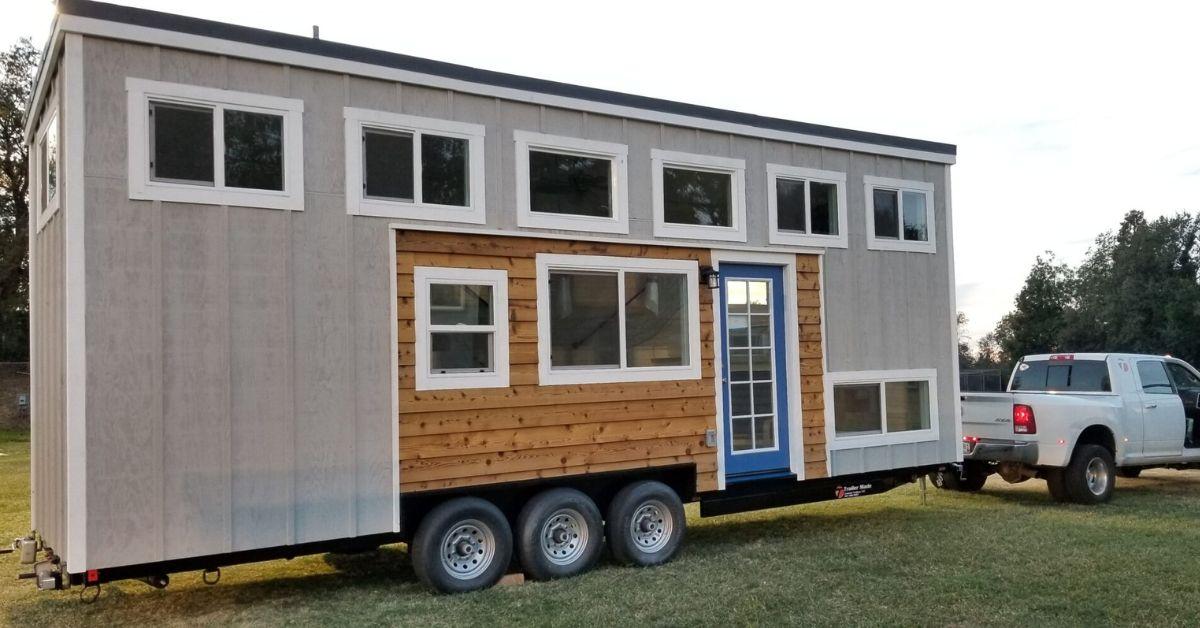
Here’s the thing - living small feels freeing, sure. Fewer belongings, cheaper bills, doing things your way. Yet there’s a hitch before you settle down with morning coffee outside. You’ve gotta get clear on local laws first. They decide where you’re allowed to park it, how long you can stay put, even if having one breaks any rules.
Imagine rules as hidden barriers. They’re not visible, yet if you run into one, your plan slams to a halt.
What Are Tiny Houses and Why Are They So Popular?
The Rise of Minimalist Living
tiny house regulations aren't just popular - they're changing how people live. Folks are leaving big homes behind, choosing minimalism over clutter. Life in a small space feels like starting fresh after years of stress.
Affordability and Freedom
Smaller building expenses, cheaper energy payments - also way less upkeep - make compact houses super attractive. To plenty of people, this means easier money control plus room to move freely.
Understanding Tiny House Regulations
Zoning Laws Explained
Zoning rules decide what buildings are allowed in specific spots. Whether it’s homes, shops, or farms - every area follows its own set of guidelines. A lot of towns still don’t accept tiny houses as real homes, so that might restrict where you can park yours.
Building Codes vs. RV Codes
Small homes might follow regular housing rules, yet some stick to trailer standards instead. That gap shapes how your place gets seen - either as a dwelling or a mobile unit.
How Location Determines Where You Can Live in a Tiny House
Urban Areas
Cities usually aren't kind to small homes. Rules about minimum size might block them. Zoning codes tend to be rigid. Space is tight, which adds hassle now and then.
Suburban Neighborhoods
Few suburbs let tiny houses work as extra living spaces, yet often won't accept them as main homes. Plus, neighborhood groups might shut down your idea fast.
Rural and Agricultural Zones
Rural spots usually allow more freedom. Because there’s plenty of space plus less strict rules, they’re popular among people living in small homes.
Tiny Houses on Wheels vs. Foundation Homes
Legal Differences
A small home on wheels usually counts as a camper - so staying year-round might not be permitted. But if it’s built on a foundation, chances are better that it’s seen as a real home.
Mobility Pros and Cons
Wheels mean more freedom - yet they come with legal troubles. On the flip side, foundations bring steady ground while cutting down on options.
State-by-State Differences in Tiny House Rules
Tiny House-Friendly States
A few places now accept compact houses, changing local rules so little dwellings fit better.
States with Strict Limitations
Some places stick to old home laws, so going small is tough there instead.
Can You Live Full-Time in a Tiny House?
Primary Residence Rules
Most places won't let you live in a tiny house year-round if it doesn’t hit certain rules.
Accessory Dwelling Units (ADUs)
A small home used as an extra unit usually fits rules better - particularly in neighborhoods where space is tight.
Buying a Tiny House: Legal Checks Before You Purchase
Land Ownership versus Leasing Area
Owning land means you call the shots - though leasing in a small home neighborhood might make rules easier to handle.
Permits and Utility Connections
Failing to get proper paperwork? Hooking up water, waste lines, or power might turn into pure chaos.
Example: Buying a Tiny House in Colorado
If you're looking at small homes for sale in Colorado, there's usually more freedom compared to other places - yet every county has its own limits, which means checking things out ahead of time really counts.
Common Challenges Tiny House Owners Face
Evictions and Zoning Violations
Staying in a place without permission might bring penalties or you could get moved out by force.
Insurance and Financing Issues
Most loan providers or insurance firms aren't sure where tiny houses fit, so it gets messy.
How to Navigate Tiny House Regulations Successfully
Research Before You Build or Buy
Look up your area’s rules on land use and construction first - don’t skip that step.
Work with Local Authorities
Talking straight to planning offices might cut your wait, lower costs, or even reduce headaches.
Conclusion: Planning Is the Key to Tiny Living Freedom
tiny house for sale mean less space - but smarter layouts. Rules might seem tough, yet they’re easier to handle if you research first. See them like directions instead of barriers. Know what’s allowed, pick spots carefully - then your small home vision turns into something real and within the law.
FAQs
1. Do small homes follow rules in every place?
Nope, it’s about your area’s rules for land use and construction instead.
2. Is it possible to stay in a small home all year round?
In certain spots, sure - provided it follows home construction rules.
3. A little house that moves - can it really be called your place?
Most times, nah - gets labeled as a camper instead.
4. Where's the simplest spot to stay in a small home?
Rural spots - or towns okay with ADUs - usually go with the flow.
5. Do I need permission to park a small home?
In general, that’s right - more so when it comes to power systems or staying put for good.

 Arabic
 French
 Spanish
 Portuguese
 Deutsch
 Turkish
 Dutch
Dutch
 Italiano
 Russian
 Romaian
 Portuguese (Brazil)
 Greek
Greek