


Food Grade Phosphoric Acid Market Supply Chain Trends Impacting Pricing Structure
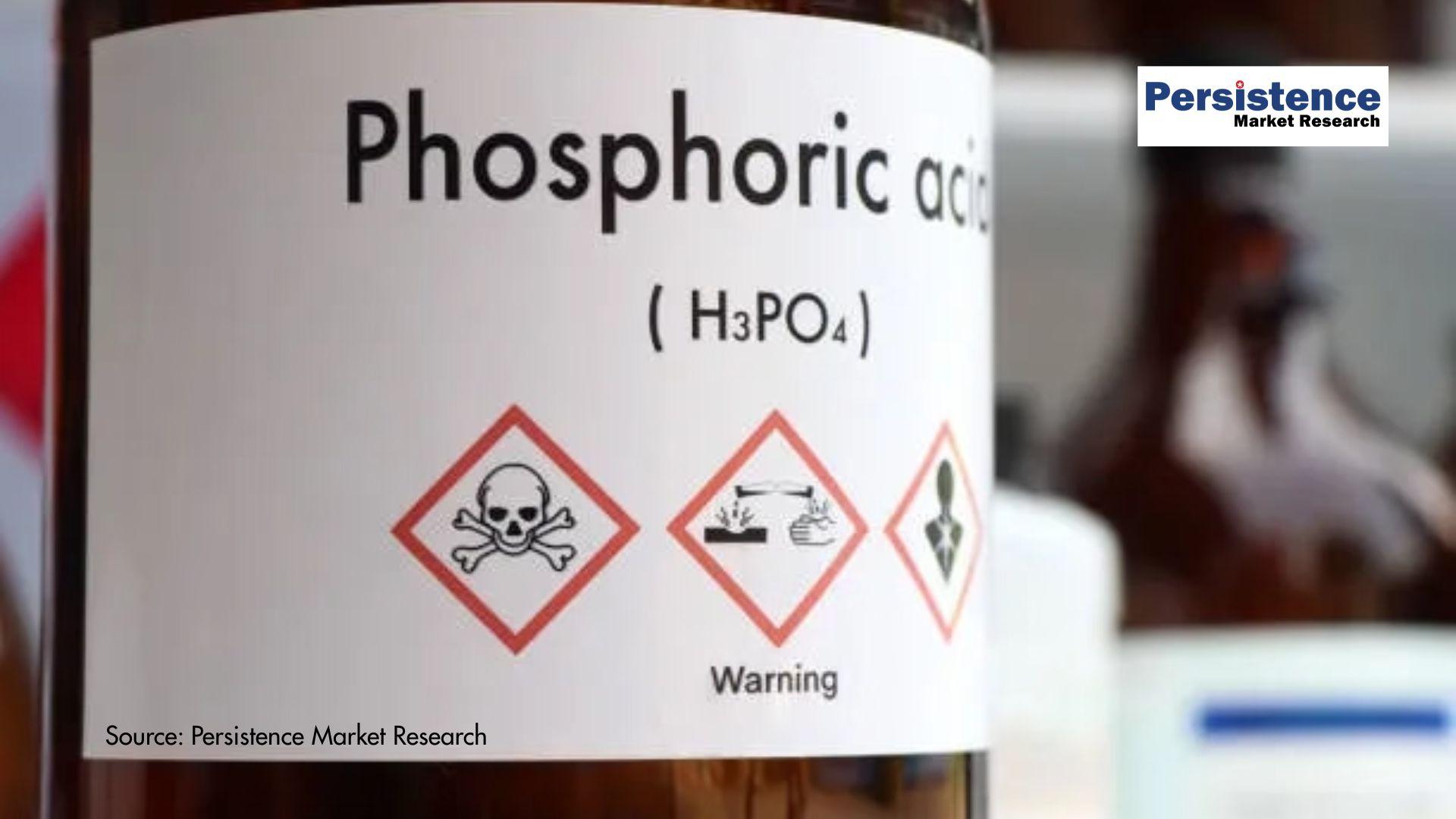
Introduction: Importance of Food Grade Phosphoric Acid in Modern Food Processing
Food grade phosphoric acid plays a vital role in the global food and beverage industry due to its multifunctional properties. Widely used as an acidulant, flavor enhancer, preservative, and pH regulator, it is a key ingredient in carbonated beverages, processed foods, dairy products, and bakery items. As consumer demand for packaged and convenience foods continues to rise, food manufacturers are increasingly relying on food grade phosphoric acid to maintain taste consistency, shelf life, and product safety. This growing dependence is steadily shaping the market’s long-term growth outlook.
Market Overview and Growth Outlook
The global food grade phosphoric acid market is witnessing stable and sustained growth, supported by expanding food and beverage production worldwide. According to the Persistence Market Research report, the global food grade phosphoric acid market size is projected to be valued at approximately US$ 2.5 billion in 2026. Over the forecast period, the market is expected to expand further and reach around US$ 3.2 billion by 2033, registering a compound annual growth rate (CAGR) of 3.6%. This growth reflects consistent demand from beverage manufacturers, processed food producers, and the evolving global dietary landscape.
Why is Food Grade Phosphoric Acid Widely Used in the Food and Beverage Industry?
Food grade phosphoric acid is widely used in the food and beverage industry because it offers excellent acidity control, flavor enhancement, and preservation benefits. It provides a sharp, tangy taste that is particularly desirable in carbonated soft drinks and flavored beverages, helping maintain a consistent flavor profile. Additionally, it acts as a pH regulator, preventing microbial growth and extending shelf life in processed foods. Its high solubility, stability, and cost-effectiveness make it an ideal choice for large-scale food manufacturing. These functional advantages, combined with regulatory approvals and safety standards, have made food grade phosphoric acid a preferred ingredient across multiple food applications globally.
Get Your FREE Sample Report Instantly – Click Now
Key Market Drivers Supporting Industry Expansion
One of the primary drivers of the food grade phosphoric acid market is the growing consumption of carbonated soft drinks and ready-to-drink beverages. Phosphoric acid is a critical component in cola-based beverages, where it contributes to flavor balance and acidity. Despite increasing health awareness, global consumption of soft drinks remains significant, particularly in emerging economies where urbanization and changing lifestyles are influencing dietary habits.
Another important growth factor is the rising demand for processed and convenience foods. Busy consumer lifestyles, increasing working populations, and the expansion of organized retail have fueled the consumption of packaged food products. Food grade phosphoric acid is extensively used in processed meats, dairy products, and bakery items to enhance texture, maintain freshness, and improve product stability, thereby supporting consistent market demand.
Role of Food Grade Phosphoric Acid in Beverage Applications
The beverage segment remains the largest application area for food grade phosphoric acid. It is extensively used in carbonated drinks, flavored waters, energy drinks, and certain fruit-based beverages. Its ability to deliver a sharp and refreshing taste while maintaining microbial stability makes it indispensable for beverage manufacturers. Additionally, phosphoric acid helps improve carbonation retention, which is a crucial quality parameter in soft drinks.
Beyond carbonated beverages, the ingredient is also gaining traction in non-carbonated and functional beverages. As manufacturers innovate with new formulations, phosphoric acid continues to serve as a reliable acidifying agent that ensures taste consistency across large production volumes. This sustained reliance from the beverage industry is expected to keep demand steady over the forecast period.
Applications in Processed Foods and Dairy Products
Food grade phosphoric acid is widely used in processed food products such as cheese, meat products, sauces, and condiments. In cheese production, it assists in calcium regulation and improves texture and meltability. In processed meats, it enhances water retention, improves tenderness, and extends shelf life. These functional benefits are critical for food processors aiming to meet quality standards and consumer expectations.
In dairy-based beverages and desserts, phosphoric acid helps maintain acidity levels and prevent spoilage. As dairy consumption continues to grow in developing regions, the demand for food grade phosphoric acid in dairy processing is expected to increase steadily, contributing to overall market growth.
Regional Market Trends and Demand Patterns
North America and Europe represent mature markets for food grade phosphoric acid, supported by well-established food and beverage industries. High consumption of carbonated drinks, processed foods, and convenience products continues to drive demand in these regions. Strict food safety regulations and quality standards also ensure consistent use of high-purity, food grade phosphoric acid.
Asia Pacific is emerging as a key growth region, driven by rapid urbanization, population growth, and rising disposable incomes. Countries such as China and India are witnessing increasing consumption of packaged foods and beverages, which directly boosts demand for food grade phosphoric acid. Expanding food processing industries and foreign investments in the region further strengthen market growth prospects.
Challenges and Regulatory Considerations
Despite steady growth, the food grade phosphoric acid market faces certain challenges. Growing health concerns related to excessive consumption of phosphates and acidic beverages have led to increased scrutiny from health organizations and regulatory bodies. This has prompted some consumers to shift toward low-acid or natural beverage alternatives, which may moderately impact demand in certain segments.
Additionally, fluctuating raw material prices and energy costs can affect production economics for manufacturers. Compliance with stringent food safety and quality regulations also requires continuous investment in quality control and process optimization, which can be challenging for smaller producers.
Innovation and Sustainability Trends
Manufacturers in the food grade phosphoric acid market are increasingly focusing on sustainable production practices and improved efficiency. Efforts are being made to reduce environmental impact through optimized manufacturing processes, energy-efficient technologies, and responsible sourcing of raw materials. These initiatives align with broader sustainability goals adopted by global food and beverage companies.
Innovation is also evident in product purity and application-specific formulations. High-purity phosphoric acid grades tailored for specific food applications are gaining attention, as manufacturers seek greater control over flavor, texture, and shelf life. Such advancements are expected to enhance the market’s long-term competitiveness.
Future Outlook and Market Potential
The future of the food grade phosphoric acid market appears stable, supported by consistent demand from the food and beverage industry. While growth rates remain moderate compared to high-growth specialty ingredients, the market benefits from its essential role in large-volume food production. With the market expected to grow from US$ 2.5 billion in 2026 to US$ 3.2 billion by 2033 at a CAGR of 3.6%, food grade phosphoric acid will continue to be a critical ingredient in global food processing.
Conclusion: A Steady Market Driven by Essential Applications
The food grade phosphoric acid market remains a fundamental component of the global food and beverage value chain. Its wide-ranging applications, cost-effectiveness, and functional benefits ensure sustained demand across regions. Although health trends and regulatory pressures may influence consumption patterns, ongoing innovation and expanding food processing activities in emerging economies will continue to support market growth in the years ahead.
Explore the Latest Trending Research Reports:

 English
 Arabic
 French
 Spanish
 Deutsch
 Turkish
 Dutch
Dutch
 Italiano
 Russian
 Romaian
 Portuguese (Brazil)
 Greek
Greek