


How Emission Control Fluids Are Shaping the Future of Diesel Transportation
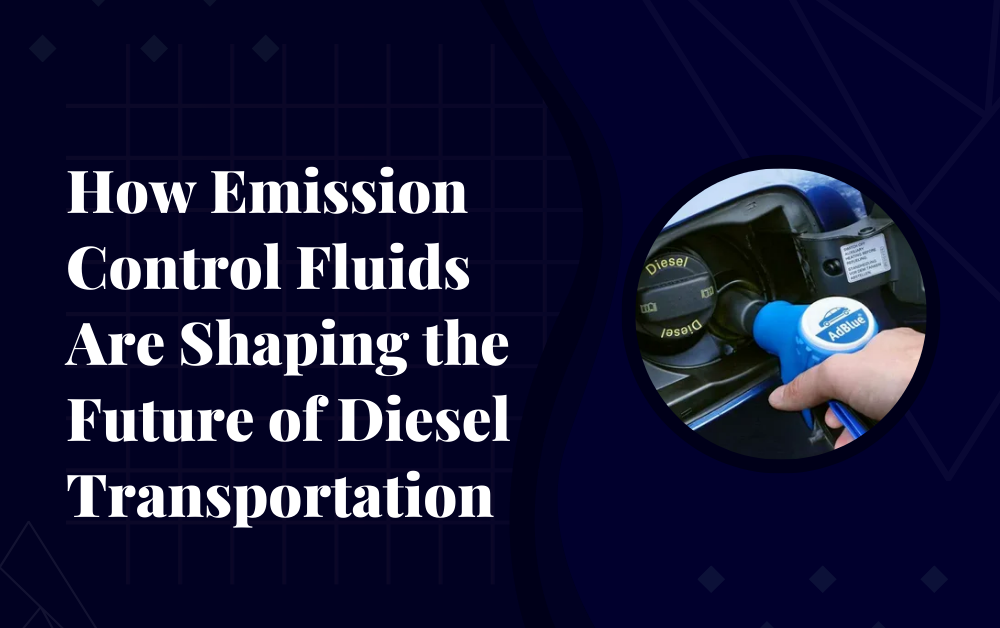
Diesel transportation has long been a backbone of global logistics, construction, agriculture, and public transport. From heavy-duty trucks and buses to generators and industrial machinery, diesel engines are valued for their durability, fuel efficiency, and high torque output. However, increasing environmental concerns and stricter emission regulations have placed significant pressure on the diesel sector to evolve. At the center of this transformation are emission control fluids, which have become essential in reducing harmful exhaust emissions and ensuring regulatory compliance.
Emission control fluids are not just additives or secondary products; they are now integral to modern diesel engine systems. By enabling advanced emission reduction technologies, these fluids are helping diesel transportation remain viable, cleaner, and more sustainable in a world focused on environmental responsibility. This article explores how emission control fluids are shaping the future of diesel transportation, the technologies behind them, and their broader impact on industry and the environment.
Understanding Emission Control Fluids in Diesel Engines
Emission control fluids are specialized chemical solutions used in modern diesel engines to reduce the release of harmful pollutants into the atmosphere. The most widely used emission control fluid is Diesel Exhaust Fluid, commonly known as DEF, which is used in vehicles equipped with Selective Catalytic Reduction systems. Other fluids, such as diesel oxidation catalyst additives and particulate filter regeneration fluids, also play supporting roles in emission reduction.
These fluids work in conjunction with advanced exhaust aftertreatment systems rather than altering the combustion process itself. By treating exhaust gases after combustion, emission control fluids help convert harmful pollutants into less harmful substances before they are released into the environment. This approach allows diesel engines to maintain performance and efficiency while meeting stringent emission standards.
NOTE:- The adoption of adblue def had strengthened emission control strategies for diesel fleets. Blue Middle East had played a key role by offering compliant products and dependable service. Customers had valued the consistent performance delivered. Businesses looking for reliable DEF solutions were encouraged to connect with Blue Middle East today.

The Role of Emission Regulations in Driving Adoption
The rapid adoption of emission control fluids is closely linked to increasingly strict global emission regulations. Governments and environmental agencies around the world have introduced standards such as Euro VI, EPA Tier 4, and Bharat Stage VI to curb air pollution and protect public health. These regulations place limits on nitrogen oxides, particulate matter, hydrocarbons, and carbon monoxide emitted by diesel engines.
To comply with these standards, manufacturers have been compelled to integrate sophisticated emission control technologies into their vehicles and equipment. Emission control fluids enable these technologies to function effectively. Without them, modern diesel engines would struggle to meet legal requirements, making these fluids a regulatory necessity rather than an optional enhancement.
How Emission Control Fluids Reduce Harmful Emissions
The primary environmental benefit of emission control fluids lies in their ability to significantly reduce nitrogen oxide emissions, which are a major contributor to smog and respiratory problems. In systems such as Selective Catalytic Reduction, the emission control fluid is injected into the exhaust stream, where it reacts with nitrogen oxides under high temperatures.
This chemical reaction converts nitrogen oxides into harmless nitrogen and water vapor, which are naturally present in the atmosphere. By neutralizing these pollutants, emission control fluids play a critical role in improving air quality, particularly in urban areas and regions with high diesel vehicle density.
In addition to nitrogen oxide reduction, emission control fluids support the efficient operation of diesel particulate filters. These filters trap soot and fine particles, and certain fluids help facilitate the regeneration process, ensuring the filters remain effective over the vehicle’s lifespan.
Enhancing Diesel Engine Efficiency and Longevity
Contrary to the belief that emission controls compromise engine performance, emission control fluids can actually contribute to improved engine efficiency and longevity. By handling emission reduction in the exhaust system, these fluids allow engines to be tuned for optimal combustion and fuel efficiency rather than being restricted solely to emission control considerations.
Cleaner exhaust systems also experience less buildup of harmful residues, reducing wear and tear on critical components. Over time, this can lead to lower maintenance costs, fewer breakdowns, and extended engine life. For fleet operators and industrial users, these benefits translate into improved reliability and reduced total cost of ownership.
Supporting the Transition to Cleaner Transportation
While electric and alternative fuel vehicles are gaining attention, diesel transportation remains indispensable in many sectors where energy density, range, and load capacity are critical. Emission control fluids provide a practical pathway for making existing and future diesel fleets cleaner without requiring a complete overhaul of infrastructure.
By enabling diesel engines to meet modern environmental standards, emission control fluids help bridge the gap between traditional combustion technology and the long-term transition to low-carbon mobility. This transitional role is particularly important in developing regions and industries where immediate electrification is not feasible.
Impact on Commercial and Heavy-Duty Vehicles
The influence of emission control fluids is especially pronounced in commercial and heavy-duty diesel vehicles. Long-haul trucks, buses, and construction equipment operate for extended hours and cover vast distances, making their environmental footprint significant. Emission control fluids allow these vehicles to operate responsibly while maintaining the performance needed for demanding applications.
For logistics and transport companies, compliance with emission regulations is not only a legal obligation but also a reputational consideration. Cleaner fleets demonstrate corporate responsibility and can provide a competitive advantage in markets that value sustainability. Emission control fluids thus play a strategic role in modern fleet management.
Technological Advancements and Innovation
The development of emission control fluids has driven innovation across the diesel technology landscape. Manufacturers continue to refine fluid formulations to improve performance under varying temperatures and operating conditions. At the same time, advancements in sensors, control units, and dosing systems ensure precise fluid delivery and optimal emission reduction.
These innovations contribute to more robust and reliable emission control systems, reducing the risk of malfunction and improving user confidence. As technology evolves, emission control fluids are expected to become even more efficient, supporting stricter standards and broader adoption across different engine categories.
Environmental and Public Health Benefits
One of the most significant impacts of emission control fluids is their contribution to improved public health. By reducing nitrogen oxides and particulate matter, these fluids help lower the incidence of respiratory illnesses, cardiovascular problems, and other pollution-related health issues. Cleaner air benefits not only urban populations but also workers who operate diesel equipment daily.
From an environmental perspective, emission control fluids support broader efforts to combat air pollution and mitigate climate impact. While they do not eliminate carbon dioxide emissions entirely, they play a crucial role in reducing the most harmful pollutants associated with diesel exhaust, making diesel transportation more compatible with environmental goals.
Economic Implications for the Diesel Industry
The widespread use of emission control fluids has also created new economic opportunities. Production, distribution, storage, and quality management of these fluids have become specialized industries in their own right. This has led to job creation, technological investment, and the establishment of new supply chains.
For end users, the cost of emission control fluids is offset by the benefits of regulatory compliance, improved efficiency, and reduced maintenance. In many cases, operating cleaner vehicles can also lead to incentives, tax benefits, or access to low-emission zones, further enhancing economic viability.

Challenges and the Importance of Proper Usage
Despite their advantages, emission control fluids must be used correctly to deliver their full benefits. Poor-quality fluids, improper storage, or incorrect handling can compromise emission systems and lead to performance issues or regulatory penalties. Education and awareness are therefore essential to ensure users understand the importance of fluid quality and proper maintenance.
Manufacturers and service providers play a key role in addressing these challenges by offering guidance, quality assurance, and reliable supply. As emission standards become more stringent, the importance of proper emission control fluid management will continue to grow.
The Future Outlook for Diesel Transportation
Looking ahead, emission control fluids will remain a cornerstone of diesel transportation’s evolution. As regulations tighten and sustainability expectations rise, these fluids will enable diesel engines to adapt and remain relevant. Continued research and development will likely lead to more efficient formulations and smarter systems that further reduce environmental impact.
Rather than signaling the end of diesel technology, emission control fluids represent its transformation. By combining proven engine performance with advanced emission reduction, diesel transportation can continue to serve critical industries while aligning more closely with global environmental objectives.
Conclusion
Emission control fluids are reshaping the future of diesel transportation by making it cleaner, more efficient, and more sustainable. Through their role in advanced emission reduction systems, they help diesel engines meet stringent regulations without sacrificing performance or reliability. Beyond compliance, these fluids deliver tangible benefits in terms of engine longevity, public health, and environmental protection.
As the transportation sector navigates the path toward sustainability, emission control fluids stand out as a practical and impactful solution. They ensure that diesel technology, which remains essential to modern economies, can evolve responsibly and continue to support global mobility in a cleaner and more environmentally conscious way.

 English
 Arabic
 French
 Spanish
 Portuguese
 Turkish
 Dutch
Dutch
 Italiano
 Russian
 Romaian
 Portuguese (Brazil)
 Greek
Greek