


How the P-Shot Works: Facts You Should Know
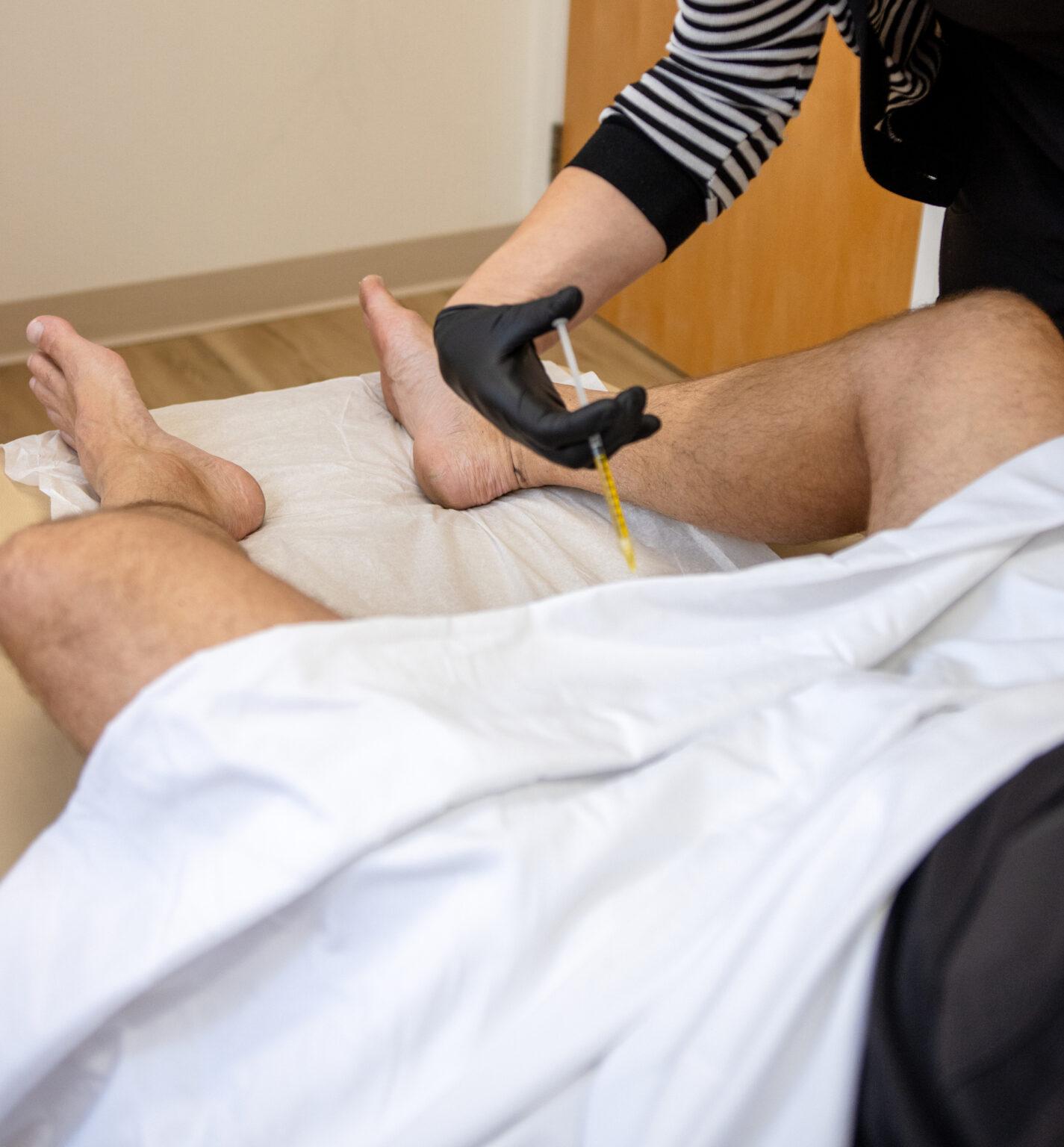
The P-Shot, or Priapus Shot, is a non-surgical procedure that uses Platelet-Rich Plasma (PRP) to enhance sexual health in men. It has gained popularity for its potential to treat conditions like erectile dysfunction (ED), penile sensitivity issues, and Peyronie’s disease. The procedure uses the body's own natural healing abilities to improve sexual function, offering a safe, non-invasive option for men seeking a solution to sexual health concerns.
Here’s everything you need to know about how the P-Shot treatment near me works, from the PRP process to its benefits and results.
1. What is Platelet-Rich Plasma (PRP)?
Platelet-Rich Plasma (PRP) is a substance derived from the patient's own blood. It contains a high concentration of platelets, which are rich in growth factors that promote healing, tissue regeneration, and blood vessel formation.
-
PRP components: Platelets release various growth factors and cytokines that help stimulate cell growth, repair damaged tissues, and promote new blood vessel formation (angiogenesis).
-
Why it works: These growth factors are key to the regenerative power of PRP, making it useful for improving blood flow, repairing tissue, and supporting nerve regeneration in the body.
2. The P-Shot Procedure: Step-by-Step
Here’s a breakdown of how the P-Shot procedure typically works:
Step 1: Blood Draw
-
The process begins with a small blood draw (similar to any standard blood test). This blood is typically taken from your arm.
-
Amount of blood: Usually, only about 10-20 mL of blood is required.
Step 2: Blood Processing (Centrifugation)
-
The blood sample is then placed in a centrifuge, which spins it at high speeds to separate the platelets from the rest of the blood components.
-
After processing, the Platelet-Rich Plasma (PRP) is isolated. This PRP contains the growth factors that are responsible for tissue regeneration and healing.
Step 3: Numbing the Area
-
To ensure comfort during the procedure, the doctor applies a local anesthetic to the penile area to numb it. This step helps minimize any discomfort from the injections.
-
Topical numbing creams or an injection of local anesthetic can be used, depending on the technique.
Step 4: PRP Injections
-
The PRP is then injected into specific areas of the penis, including the shaft, and sometimes the head (glans). These injections are aimed at improving blood flow, tissue regeneration, and nerve function.
-
Depending on the patient’s needs, the doctor may inject PRP at various depths to target the penile tissues more effectively.
Step 5: Post-Procedure Care
-
After the procedure, most men experience little to no downtime. Some may feel mild discomfort or swelling, but these effects typically subside after a few hours to a day.
-
There are generally no restrictions on sexual activity, but it’s recommended to wait 24-48 hours before resuming sexual activity to allow the area to heal.
3. Mechanism of Action: How PRP Improves Sexual Health
The key to the P-Shot’s effectiveness lies in how Platelet-Rich Plasma works in the penile tissue. Here are the primary ways PRP benefits sexual health:
A. Stimulates Blood Flow and Vessel Regeneration
-
One of the most important effects of PRP is its ability to stimulate new blood vessel formation (angiogenesis) in the treated area. This leads to improved blood flow to the penis, which is essential for achieving and maintaining an erection.
-
The growth factors in PRP also regenerate existing blood vessels, leading to better circulation and improved erectile function.
B. Enhances Erectile Function
-
The growth factors released by PRP help repair damaged tissues and improve tissue quality in the penis, particularly in the corpora cavernosa (the erectile tissues). As blood flow improves, men can experience stronger, firmer erections.
-
For men with erectile dysfunction (ED), the P-Shot can provide an alternative to medications like Viagra or Cialis, by addressing the underlying issue of poor blood circulation.
C. Regenerates Nerve Tissue
-
PRP is known to promote nerve regeneration, which can help improve penile sensitivity. This is especially beneficial for men who experience reduced sexual pleasure or numbness due to aging, diabetes, or nerve damage.
-
The rejuvenation of nerve endings in the penis leads to heightened sensitivity, which can enhance the overall sexual experience and improve the ability to achieve orgasm.
D. Improves Peyronie’s Disease Symptoms
-
The P-Shot can help men with Peyronie’s disease, a condition where scar tissue builds up inside the penis, causing curvature and sometimes pain during erections. The growth factors in PRP can help soften scar tissue, reduce penile curvature, and promote more natural alignment of the penis during erections.
-
It can also reduce pain associated with Peyronie’s disease, improving both erectile function and comfort during sex.
E. Potential Increase in Penis Size (Girth and Length)
-
While the P-Shot is not specifically designed for penis enlargement, many men report a modest increase in girth and length, particularly in the first few months after the procedure.
-
This is likely due to the improved blood flow, tissue regeneration, and increased vascularity in the penis.
4. What Are the Benefits of the P-Shot?
Here’s a summary of the main benefits that many men experience after undergoing the P-Shot:
-
Improved Erectile Function: Stronger, more reliable erections due to increased blood flow and vessel regeneration.
-
Enhanced Sensitivity: Nerve regeneration can improve penile sensitivity, making sexual activity more pleasurable.
-
Increased Libido: Some men report an improvement in sexual desire after the procedure, likely due to increased confidence and better sexual performance.
-
Reduced Peyronie’s Disease Symptoms: Decreased penile curvature, reduced pain, and improved function for men suffering from Peyronie’s disease.
-
Minimal Downtime: The P-Shot is non-invasive with quick recovery, allowing most men to resume normal activities within a day or two.
-
Long-Lasting Results: Results often last from 6 months to 1 year, and follow-up sessions can help maintain and enhance the effects.
5. Is the P-Shot Safe?
The P-Shot is generally considered safe because it uses the patient’s own blood, eliminating the risks of allergic reactions or rejection associated with foreign substances.
However, like any medical procedure, there are some minor risks and side effects to be aware of, including:
-
Mild pain or discomfort at the injection site
-
Swelling, bruising, or redness around the injection area (temporary)
-
Infection (rare, but possible with any injection)
-
Temporary numbness or tingling after the procedure
To minimize these risks, it’s important to have the procedure performed by an experienced and qualified medical professional.
6. Who is a Good Candidate for the P-Shot?
The P-Shot is suitable for men who are:
-
Experiencing erectile dysfunction (ED) due to age, diabetes, or other health conditions
-
Suffering from reduced sensitivity or poor sexual performance
-
Dealing with Peyronie’s disease (penile curvature and pain)
-
Looking for an alternative to medications like Viagra or Cialis
-
Interested in improving sexual wellness, libido, or overall sexual health
However, the P-Shot may not be suitable for:
-
Men with severe blood disorders (e.g., hemophilia)
-
Those with active infections or uncontrolled medical conditions
-
Men who are severely overweight or have severe vascular problems
Consulting with a healthcare professional is crucial to determine if the P-Shot is right for you.
7. How Long Does it Take to See Results?
Results from the P-Shot typically begin to show within 3 to 4 weeks, with full effects becoming evident after about 2 to 3 months. The healing and regenerative effects of the PRP continue to improve over time, leading to stronger erections, increased sensitivity, and better sexual function.
To maintain results, many men opt for follow-up treatments every 6-12 months, depending on their needs and how their body responds.

 English
 Arabic
 French
 Spanish
 Portuguese
 Deutsch
 Turkish
 Dutch
Dutch
 Russian
 Romaian
 Portuguese (Brazil)
 Greek
Greek