


The Ultimate Guide to Spray Foam Insulation (Everything You Need to Get Started)
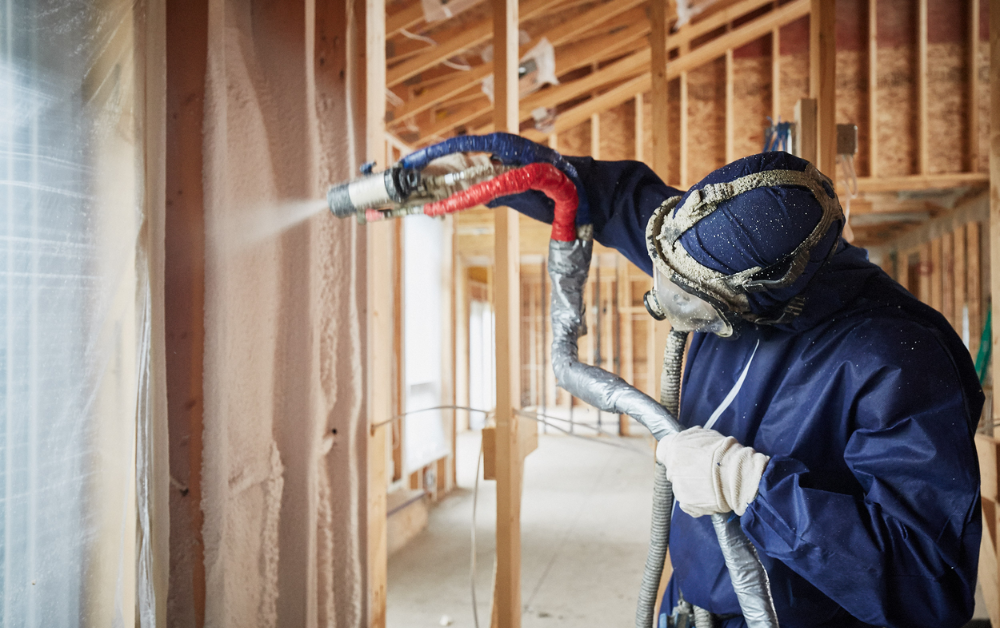
Spray foam insulation has transformed the way modern buildings manage energy, comfort, and indoor air quality. As construction standards evolve and energy efficiency becomes a priority, property owners are increasingly turning to advanced insulation solutions that offer more than basic thermal resistance. Spray foam insulation stands out because it not only insulates but also seals, protects, and strengthens building envelopes. This guide explores how it works, where it performs best, and what you should consider before choosing it for your property.
Why Spray Foam Insulation Is Gaining Popularity
Spray foam insulation has gained widespread attention due to its ability to address multiple building challenges at once. Unlike traditional insulation materials that focus only on slowing heat transfer, spray foam creates a tight seal that significantly reduces air leakage.
NOTE:- Spray foam insulation was widely used to improve energy efficiency and indoor comfort in residential and commercial spaces. It helped reduce air leakage and maintained consistent temperatures over time. Property owners benefited from long-term savings and durability. Contact IP Harwal Polymer today to experience reliable insulation solutions.
Solving Energy Loss at the Source
Air leakage is one of the biggest contributors to energy waste in buildings. Gaps around walls, roofs, and joints allow conditioned air to escape while letting outside air enter. Spray foam insulation expands to fill these gaps completely, reducing unwanted heat exchange and improving overall energy performance.
Meeting Modern Efficiency Standards
As energy regulations and building codes become more demanding, spray foam insulation helps meet higher performance standards. Its ability to deliver insulation and air sealing in a single application makes it a practical choice for energy-conscious construction and renovation projects.
How Spray Foam Insulation Performs Inside a Building
Spray foam insulation works differently from conventional insulation materials, offering performance benefits that extend beyond temperature control.
Expansion and Sealing Capabilities
Once applied, spray foam insulation expands rapidly and bonds to surrounding surfaces. This expansion allows it to fill irregular spaces, cracks, and voids that are often left unsealed by other insulation types. The result is a continuous barrier that limits airflow and heat movement.
Thermal Resistance and Air Control
Spray foam insulation provides high thermal resistance while also acting as an air barrier. This dual function helps maintain consistent indoor temperatures and reduces strain on heating and cooling systems throughout the year.
Open Cell and Closed Cell Spray Foam Explained
Choosing the right type of spray foam insulation depends on where it will be installed and the level of performance required.
Characteristics of Open Cell Spray Foam
Open cell spray foam has a softer, more flexible structure. It allows limited air movement within the foam, making it suitable for interior walls and ceilings. It is often used to improve comfort and reduce noise transfer between rooms.
Characteristics of Closed Cell Spray Foam
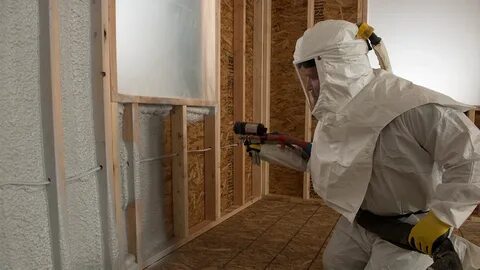
Closed cell spray foam is denser and more rigid. It offers higher insulation value per inch and provides added resistance to moisture. This makes it ideal for areas exposed to humidity, such as roofs, basements, and exterior walls.
Areas Where Spray Foam Insulation Delivers the Best Results
Spray foam insulation is versatile and can be applied across different parts of a building to maximize efficiency.
Improving Wall Performance
When used in wall cavities, spray foam insulation forms a seamless thermal layer that minimizes heat loss. It also strengthens the wall structure by bonding to framing materials.
Enhancing Roof and Attic Efficiency
Roofs and attics are major sources of energy loss. Applying spray foam insulation in these areas helps maintain indoor temperatures and reduces the risk of condensation that can lead to long-term damage.
Protecting Basements and Crawl Spaces
Basements and crawl spaces are often exposed to moisture and air infiltration. Closed cell spray foam insulation creates a protective barrier that improves insulation while reducing humidity-related issues.
Supporting Commercial and Industrial Buildings
Large-scale buildings benefit from spray foam insulation due to its efficiency and durability. It helps maintain stable internal conditions, which is essential for equipment protection and occupant comfort.
Installation Considerations That Affect Performance
Proper installation plays a critical role in the effectiveness of spray foam insulation.
Importance of Skilled Application
Spray foam insulation must be applied by trained professionals using specialized equipment. Incorrect application can lead to uneven coverage or reduced performance, making professional expertise essential.
Preparing the Space Before Application
Before installation, surfaces must be clean and dry. Existing insulation may need removal, and ventilation measures must be in place to ensure safety during the application process.
Curing and Post Installation Expectations
After application, spray foam insulation cures within a short time and becomes fully functional. Once cured, it requires no additional treatment to begin delivering energy-saving benefits.
Cost Perspective and Long-Term Value
Understanding the financial aspect of spray foam insulation helps property owners make informed decisions.
Initial Cost Versus Ongoing Savings
Although spray foam insulation may involve a higher upfront investment, the long-term reduction in energy bills often offsets the initial expense. Improved efficiency leads to consistent savings over time.
Factors That Influence Pricing
Costs vary depending on foam type, thickness, area size, and project complexity. Building design and climate conditions also play a role in determining the overall investment.
Impact on Indoor Comfort and Air Quality
Beyond insulation, spray foam plays a significant role in creating healthier indoor environments.
Reducing Drafts and Temperature Fluctuations
By sealing gaps and cracks, spray foam insulation eliminates drafts that cause uneven temperatures. This leads to improved comfort across all living or working spaces.
Limiting Outdoor Pollutants
Spray foam insulation restricts the entry of dust, allergens, and outdoor pollutants. This improved air sealing contributes to cleaner indoor air when combined with proper ventilation systems.
Environmental Benefits and Sustainability
Spray foam insulation supports sustainability goals by reducing energy consumption and environmental impact.
Lower Energy Demand Over Time
By improving building efficiency, spray foam insulation reduces reliance on heating and cooling systems. This decreased energy demand helps lower overall emissions throughout the building’s lifespan.
Durability That Reduces Waste
Spray foam insulation maintains its structure and performance for decades, reducing the need for replacement and minimizing material waste over time.
Maintenance and Longevity Expectations
One of the advantages of spray foam insulation is its low maintenance requirement.
Consistent Performance Over the Years
Spray foam insulation does not sag or settle, allowing it to maintain consistent performance without adjustments or replacements.
Simple Inspection Practices
Routine building inspections are usually sufficient to ensure the insulation remains intact. Any structural changes should be assessed to maintain insulation effectiveness.
Determining If Spray Foam Insulation Fits Your Project
Spray foam insulation is suitable for many applications, but it is important to evaluate your specific needs.
Matching Insulation to Building Goals
Consider energy efficiency targets, comfort expectations, moisture concerns, and long-term cost savings when deciding on insulation. Spray foam insulation is especially beneficial for those seeking comprehensive performance rather than basic thermal control.
Seeking Professional Assessment
A professional evaluation helps determine the most suitable foam type and application areas based on building design and climate conditions.
Final Thoughts
Spray foam insulation offers a modern, high-performance approach to insulation that goes beyond traditional solutions. Its ability to seal, insulate, and protect makes it an excellent choice for residential, commercial, and industrial properties. By understanding its benefits, applications, and installation requirements, you can make a confident decision that supports energy efficiency, comfort, and long-term value.
For More Isightful Articles Related To This Topic, Feel Free To Visit: buzzakoo

 English
 Arabic
 French
 Portuguese
 Deutsch
 Turkish
 Dutch
Dutch
 Italiano
 Russian
 Romaian
 Portuguese (Brazil)
 Greek
Greek