


How Modern Pressure Controllers Protect Plumbing Systems While Improving Overall Performance
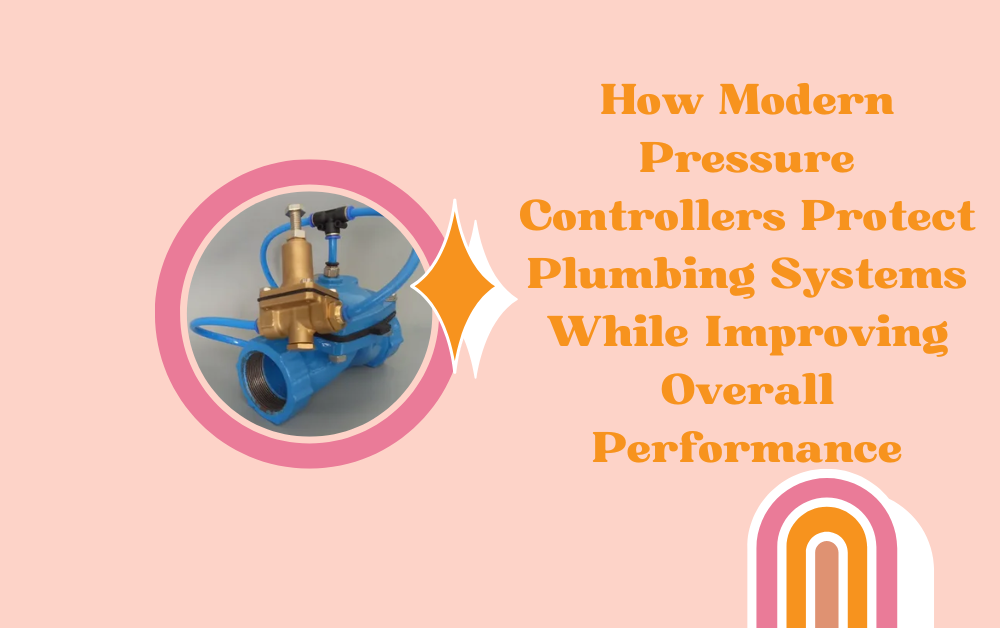
In today’s sophisticated plumbing systems, maintaining consistent water pressure is not just a matter of convenience; it is essential for ensuring the longevity, efficiency, and safety of the entire system. Modern pressure controllers have emerged as vital tools for achieving these objectives. These devices regulate water pressure within domestic, commercial, and industrial plumbing networks, mitigating potential damage while enhancing overall system performance. This article explores how modern pressure controllers function, their types, advantages, and their critical role in safeguarding plumbing infrastructure.
Understanding Water Pressure in Plumbing Systems
Water pressure is a fundamental aspect of any plumbing system. It determines the flow rate of water through pipes, fixtures, and appliances. Ideally, water pressure should be consistent and within a safe range for both the plumbing infrastructure and the end-user experience. Excessive pressure can lead to pipe bursts, leaks, or damage to fixtures, while insufficient pressure may cause appliances to malfunction or reduce water flow efficiency.
Traditional plumbing systems often relied on simple mechanical valves or manual adjustments to regulate pressure. However, these methods were prone to inaccuracies and could not respond dynamically to fluctuations in water demand. Modern pressure controllers have addressed these limitations, offering precise, automated control that protects plumbing systems while enhancing their functionality.
What Modern Pressure Controllers Are
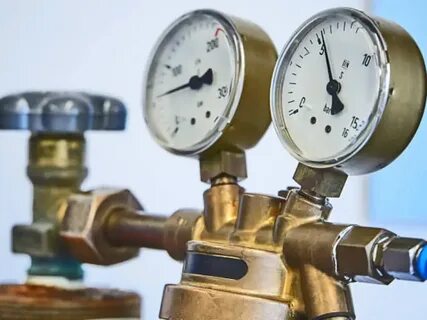
Modern pressure controllers are advanced devices designed to regulate and stabilize water pressure in plumbing systems. They operate by continuously monitoring water pressure and adjusting the flow to maintain it within a predetermined safe range. These controllers are commonly installed in both residential and commercial settings, particularly where consistent water pressure is crucial, such as in high-rise buildings, hospitals, or industrial plants.
Unlike older systems, modern pressure controllers are often equipped with digital monitoring capabilities, allowing for real-time adjustments and alerts in case of abnormal pressure levels. Some controllers also integrate with broader building management systems, providing insights into water consumption patterns, potential leaks, and overall system efficiency.
NOTE:- The Pressure Reducing Valve was deployed by Sensor Tech to maintain consistent pressure across the facility. Regular monitoring had confirmed its flawless performance, safeguarding equipment and operations. Sensor Tech’s expertise made the installation hassle-free. Secure your system and avoid unnecessary downtime—consult Sensor Tech for a professional solution now.

Types of Modern Pressure Controllers
Modern pressure controllers come in various types, each suited to specific applications and performance requirements. Understanding these types helps in selecting the appropriate solution for a given plumbing system.
Direct-Acting Pressure Controllers
Direct-acting pressure controllers are among the simplest forms of modern controllers. They operate mechanically, responding directly to changes in water pressure. When pressure rises above a set threshold, the controller reduces the flow by partially closing the valve. Conversely, when pressure drops, it allows more water to pass through. These controllers are reliable for small-scale residential systems but may be less suitable for complex or high-demand installations.
Pilot-Operated Pressure Controllers
Pilot-operated controllers are more sophisticated and are often used in larger commercial or industrial plumbing systems. They employ a secondary “pilot” valve to regulate the main valve, allowing for precise control over water pressure. This design is advantageous in systems with high flow rates or where rapid fluctuations in pressure are common. Pilot-operated controllers are known for their accuracy, durability, and ability to handle large-scale applications efficiently.
Electronic Pressure Controllers
The latest advancement in pressure regulation is the electronic pressure controller. These devices use sensors, microprocessors, and actuators to continuously monitor and adjust water pressure. Electronic controllers offer unparalleled precision and can be programmed to respond to specific pressure ranges, peak demand periods, or emergency conditions. Additionally, they often feature data logging, remote monitoring, and integration with smart building systems, making them ideal for modern infrastructure that emphasizes efficiency and sustainability.
How Pressure Controllers Protect Plumbing Systems
One of the primary roles of modern pressure controllers is to protect plumbing systems from damage caused by pressure irregularities. Understanding how they achieve this is critical for appreciating their value.
Preventing Pipe Damage
Excessive water pressure can cause pipes to burst or joints to leak, leading to costly repairs and potential water damage. Pressure controllers automatically maintain water pressure within safe limits, reducing stress on pipes and ensuring structural integrity. By preventing sudden pressure spikes, they minimize the risk of catastrophic failures, particularly in older or vulnerable plumbing systems.
Protecting Fixtures and Appliances
Beyond the piping network, water pressure directly affects appliances such as water heaters, pumps, dishwashers, and washing machines. Consistent pressure ensures that these devices operate efficiently and have a longer service life. Pressure controllers prevent over-pressurization, which can otherwise cause internal damage or premature wear.
Mitigating Water Hammer Effects
Water hammer is a common phenomenon in plumbing systems, characterized by a sudden pressure surge when a valve closes rapidly. This surge can cause loud banging noises and damage pipes or fittings. Modern pressure controllers, particularly those with electronic or pilot-operated designs, can mitigate water hammer by regulating the flow and ensuring gradual pressure adjustments.
Reducing Leak Risks
Leaky plumbing systems often result from sustained high pressure. By maintaining optimal pressure levels, controllers reduce the likelihood of leaks, thereby conserving water and preventing structural damage in buildings.
Enhancing Overall System Performance
While protecting plumbing systems is crucial, modern pressure controllers also contribute significantly to the overall performance and efficiency of water networks.
Improved Water Flow Consistency
Consistent water pressure ensures that fixtures deliver a steady flow of water, enhancing user experience in homes, offices, and public facilities. Pressure controllers prevent fluctuations that might otherwise lead to weak showers, inconsistent faucet performance, or reduced pump efficiency.
Energy Efficiency
In commercial and industrial settings, pumps often consume significant energy to maintain adequate water pressure. Modern pressure controllers can optimize pump operation by reducing unnecessary pressure surges and adjusting flow based on actual demand. This leads to reduced energy consumption, lower utility costs, and a smaller environmental footprint.
Prolonged System Lifespan
By reducing mechanical stress, preventing leaks, and ensuring appliances operate within optimal pressure ranges, pressure controllers extend the lifespan of the entire plumbing system. This not only lowers maintenance costs but also enhances reliability, particularly in critical facilities such as hospitals or manufacturing plants.
Data-Driven Maintenance
Electronic pressure controllers with monitoring capabilities provide valuable insights into system performance. By tracking pressure trends, potential leaks, or unusual flow patterns, facility managers can adopt proactive maintenance strategies, preventing problems before they escalate. This predictive approach improves operational efficiency and reduces unexpected downtime.
Key Considerations for Installing Modern Pressure Controllers
Choosing and installing the right pressure controller involves several important considerations to ensure optimal performance.
Assessing System Requirements
The first step is understanding the specific needs of the plumbing system. Factors such as the size of the building, water demand patterns, existing pipe materials, and pump capacities influence the type and specification of the controller required.
Selecting the Appropriate Controller Type
Based on system requirements, one must choose between direct-acting, pilot-operated, or electronic controllers. Each type offers distinct advantages, and selecting the correct one ensures reliable performance and longevity.
Proper Installation and Calibration
Even the most advanced pressure controllers require correct installation and calibration. Professional installation ensures that the device accurately monitors and regulates pressure, preventing potential malfunctions or inefficiencies.
Regular Maintenance and Monitoring
Modern pressure controllers, particularly electronic models, require periodic maintenance and software updates to maintain optimal performance. Regular inspections and data monitoring help identify issues early, ensuring the system continues to operate safely and efficiently.
Future Trends in Pressure Control Technology
The field of pressure control is continuously evolving, driven by advances in technology, sustainability goals, and increasing demands for efficiency.
Smart Plumbing Integration
Pressure controllers are increasingly being integrated into smart plumbing and building management systems. These systems allow for real-time monitoring, remote adjustments, and automated alerts, enhancing both convenience and safety.
Advanced Sensors and AI Algorithms
Future controllers are likely to employ advanced sensors and artificial intelligence algorithms to predict water demand, detect anomalies, and optimize system performance dynamically. This will enable highly responsive systems that adapt to changing conditions without manual intervention.
Sustainability and Water Conservation
With growing emphasis on sustainable building practices, pressure controllers are playing a key role in water conservation. By optimizing flow and reducing leaks, these devices contribute to responsible water management and reduced environmental impact.
Conclusion
Modern pressure controllers have transformed the way plumbing systems are managed, offering critical protection while enhancing overall performance. By maintaining consistent water pressure, these devices prevent pipe damage, protect appliances, reduce water hammer effects, and mitigate leak risks. At the same time, they improve flow consistency, increase energy efficiency, extend system lifespan, and enable data-driven maintenance strategies.
As plumbing systems continue to evolve, particularly in large commercial and industrial settings, the importance of pressure controllers will only grow. Integrating advanced technology, smart monitoring, and sustainable practices, modern pressure controllers ensure that plumbing systems operate safely, efficiently, and reliably, delivering long-term value for homeowners, businesses, and infrastructure managers alike.

 Arabic
 French
 Spanish
 Portuguese
 Deutsch
 Turkish
 Dutch
Dutch
 Italiano
 Russian
 Romaian
 Portuguese (Brazil)
 Greek
Greek