


What Are Lab Reagents and Why Are They Important

Laboratories play a key role in science, medicine, education, and industry. At the heart of every laboratory are lab reagents. These materials help scientists, technicians, and students perform tests, experiments, and research with accuracy. Without lab reagents, most laboratory work would not be possible.
This article explains what lab reagents are and why they are so important. The content is written in simple English, with a clear and friendly tone, so it is easy for everyone to read and understand.
Understanding Lab Reagents
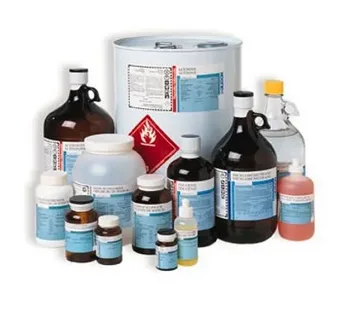
Lab reagents are substances used in laboratories to cause reactions, measure substances, or help identify materials.
What Lab Reagents Do
Lab reagents are used to start chemical reactions.
They help detect, measure, and analyze different substances. For example, reagents can change color when they react with certain chemicals, showing the presence of specific materials.
Common Forms of Lab Reagents
Lab reagents come in different forms.
They can be liquids, powders, solids, or gases. Some reagents are ready to use, while others need to be mixed or prepared before use.
Types of Lab Reagents Used in Laboratories
Different labs use different types of reagents based on their work.
Chemical Reagents
Chemical reagents are used in most laboratories.
They include acids, bases, salts, solvents, and indicators. These reagents help in testing, mixing, and analyzing substances.
Biological Reagents
Biological reagents are used in medical and research labs.
These include enzymes, antibodies, proteins, and cell cultures. They are essential for studying living organisms and biological processes.
Analytical Reagents
Analytical reagents are used for precise measurements.
They are designed to give accurate and reliable results in testing and analysis.
Importance of Lab Reagents in Scientific Research
Lab reagents are the foundation of scientific discovery.
Supporting Accurate Experiments
High-quality lab reagents help scientists get correct results.
Accurate reagents reduce errors and make experiments more reliable.
Enabling New Discoveries
Many scientific discoveries depend on lab reagents.
They allow researchers to test ideas, explore new methods, and develop new products.
Role of Lab Reagents in Medical and Healthcare Labs
Medical labs depend heavily on lab reagents.
Disease Detection and Diagnosis
Lab reagents help detect diseases.
They are used in blood tests, urine tests, and tissue analysis. Accurate reagents help doctors make correct diagnoses.
Supporting Patient Care
Reliable reagents ensure test results are correct.
Correct results help doctors choose the right treatment and improve patient outcomes.
Importance of Quality and Purity in Lab Reagents
Quality plays a major role in lab work.
High Purity for Reliable Results
Pure reagents produce consistent results.
Impure reagents can cause wrong readings and failed experiments.
Consistency Between Batches
Good suppliers ensure consistent quality.
This helps labs repeat tests and experiments with confidence.
Safety in Handling Lab Reagents
Lab reagents must be handled carefully.
Following Safety Guidelines
Reagents can be harmful if used incorrectly.
Proper handling reduces the risk of accidents, spills, and exposure.
Proper Labeling and Storage
Clear labels help identify reagents easily.
Correct storage conditions keep reagents stable and safe to use.
Storage and Shelf Life of Lab Reagents
Proper storage helps reagents last longer.
Correct Storage Conditions
Some reagents need cool or dark storage.
Following storage instructions maintains their quality.
Monitoring Expiry Dates
Using expired reagents can give wrong results.
Regular checks help ensure reagents are safe and effective.
Lab Reagents in Education and Training
Educational labs use reagents to teach science.
Learning Through Practical Experiments
Reagents help students understand scientific concepts.
Hands-on experiments improve learning and curiosity.
Building Laboratory Skills
Using reagents helps students learn proper lab techniques.
This prepares them for future careers in science and healthcare.
Choosing the Right Lab Reagents
Selecting the right reagents is essential.
Matching Reagents to Applications
Different tests require specific reagents.
Choosing the right reagent ensures accurate results.
Reliable Suppliers Matter
Trusted suppliers provide quality reagents.
This helps labs maintain safety and performance.
Supporting Industrial and Environmental Testing
Lab reagents are also important in industry.
Quality Control in Manufacturing
Industries use reagents to test raw materials and products.
This ensures quality and safety standards are met.
Environmental Monitoring
Reagents help test water, air, and soil.
This supports environmental protection and public safety.
Future Importance of Lab Reagents
The role of lab reagents continues to grow.
Advancing Technology and Research
New technologies require advanced reagents.
These reagents support innovation and progress.
Supporting Global Health and Safety
Lab reagents help monitor health and safety worldwide.
They play a key role in disease control and environmental care.
Final Thoughts
Lab reagents are essential tools in laboratories across the world. They support scientific research, medical diagnosis, education, industrial testing, and environmental monitoring. High-quality lab reagents ensure accurate results, improve safety, and support innovation.
Understanding what lab reagents are and why they are important helps highlight their value in everyday laboratory work. By using the right reagents and handling them properly, laboratories can achieve reliable results and contribute to scientific and social progress.
For more insightful articles related to this topic, feel free to visit : buzzakoo.com

 English
 Arabic
 French
 Spanish
 Portuguese
 Deutsch
 Turkish
 Italiano
 Russian
 Romaian
 Portuguese (Brazil)
 Greek
Greek