


Lauric Acid Market Competitive Landscape Evolving with Capacity Expansions
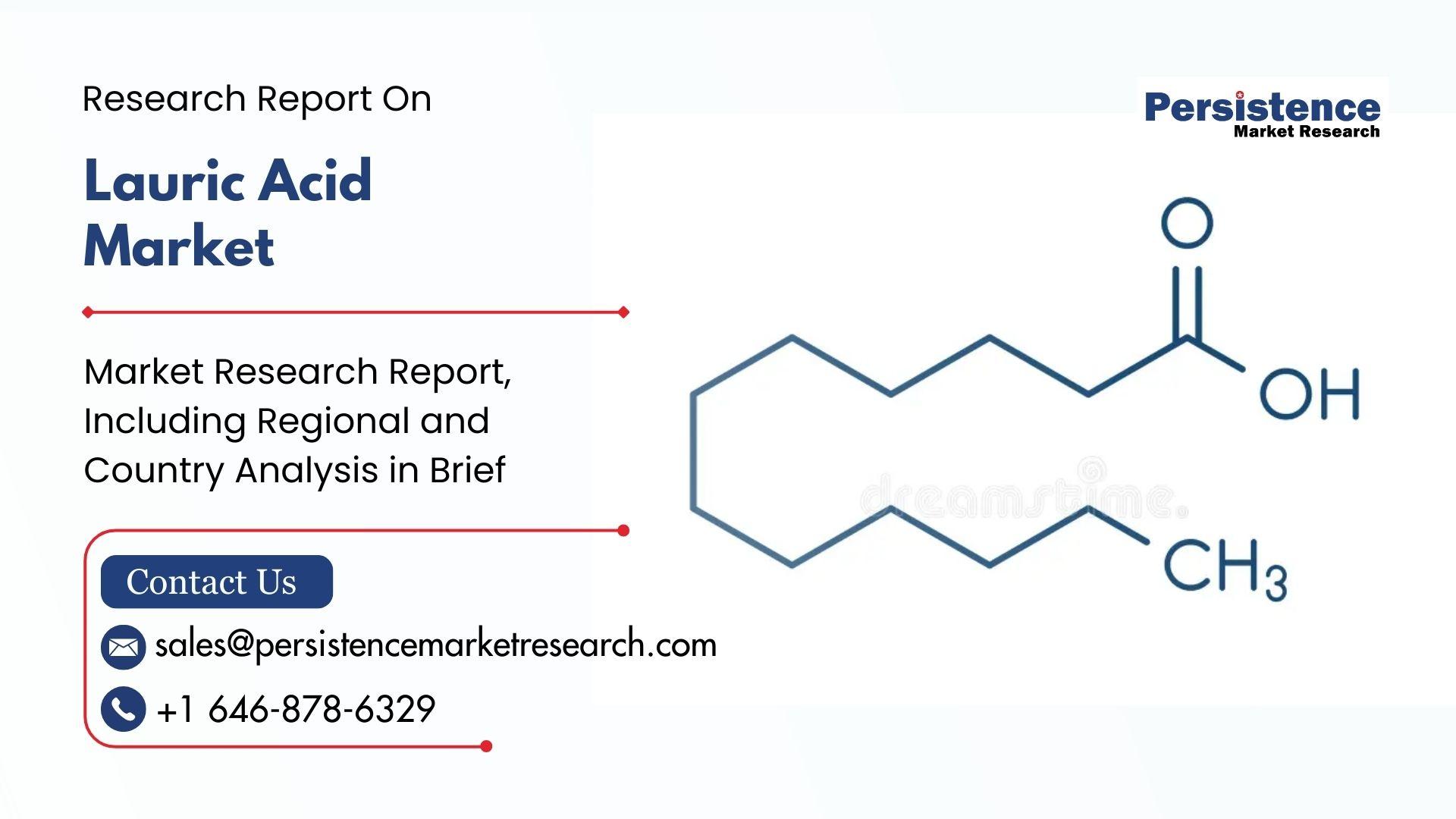
Introduction: Rising Importance of Lauric Acid Across Industries
Lauric acid is a saturated medium-chain fatty acid primarily derived from coconut oil and palm kernel oil. Known for its antimicrobial properties and excellent surfactant behavior, lauric acid plays a crucial role in a wide range of industries, including personal care, food & beverages, pharmaceuticals, and industrial chemicals. As demand for natural, bio-based ingredients continues to rise, lauric acid has gained significant commercial attention. The global shift toward clean-label products, sustainable raw materials, and plant-based formulations is further strengthening the market outlook for lauric acid.
Market Size and Growth Outlook
The global lauric acid market is demonstrating strong growth momentum, supported by expanding end-use applications and rising consumer preference for naturally sourced fatty acids. According to insights from a Persistence Market Research report, the global lauric acid market is projected to reach a valuation of approximately US$ 273.1 million by 2026. Over the forecast period, demand is expected to accelerate steadily, with the market anticipated to reach around US$ 658.5 million by 2033. This growth reflects a robust compound annual growth rate (CAGR) of 13.4%, highlighting the increasing adoption of lauric acid across both consumer and industrial segments.
What Is Lauric Acid Used For and Why Is Demand Increasing?
Lauric acid is widely used due to its antimicrobial, emulsifying, and stabilizing properties, making it a valuable ingredient across multiple industries. In personal care and cosmetics, it is a key raw material in soaps, shampoos, and cleansers because of its ability to create rich lather and provide antibacterial benefits. In the food industry, lauric acid and its derivatives are used in flavoring agents, preservatives, and nutritional supplements. Demand is increasing rapidly as manufacturers shift toward plant-based and naturally derived ingredients, particularly those sourced from coconut and palm kernel oil. Additionally, the growing popularity of functional foods, clean-label cosmetics, and bio-based surfactants is driving consistent global demand for lauric acid.
Key Market Drivers: Factors Fueling Demand Growth
One of the primary drivers of the lauric acid market is the booming personal care and cosmetics industry. Lauric acid is extensively used in the production of soaps and detergents due to its excellent foaming and cleansing characteristics. With rising consumer awareness around hygiene, skincare, and haircare—especially in emerging economies—demand for lauric-acid-based formulations has increased significantly.
Another major growth driver is the food and nutraceutical sector. Lauric acid, being a medium-chain fatty acid, is often associated with faster metabolism and potential health benefits. This has led to its increased use in dietary supplements and functional food products. The rising focus on immunity-boosting ingredients and natural preservatives is further supporting market expansion.
Role of Sustainability and Natural Sourcing
Sustainability has emerged as a critical theme influencing the lauric acid market. As lauric acid is primarily derived from renewable plant sources such as coconut and palm kernel oil, it aligns well with the global push toward bio-based and eco-friendly chemicals. Manufacturers are increasingly emphasizing sustainable sourcing practices, traceability, and certifications to meet regulatory standards and consumer expectations.
However, sustainability concerns related to palm oil cultivation, such as deforestation and environmental impact, are also shaping market strategies. This has encouraged greater reliance on coconut-based lauric acid and investments in responsible palm oil sourcing initiatives, which are expected to positively influence long-term market stability.
Industrial Applications and Chemical Intermediates
Beyond consumer goods, lauric acid plays a vital role in industrial applications. It is widely used as a chemical intermediate in the production of surfactants, emulsifiers, lubricants, and esters. These derivatives are essential in industries such as textiles, plastics, coatings, and agrochemicals. The growth of industrial manufacturing, particularly in Asia Pacific, is contributing to the rising demand for lauric acid-based intermediates.
In the pharmaceutical industry, lauric acid is utilized for its antimicrobial and antiviral properties, particularly in topical formulations and drug delivery systems. Ongoing research into its potential therapeutic benefits could unlock new growth avenues in the coming years.
Regional Insights: Asia Pacific Leading the Market
Asia Pacific dominates the global lauric acid market, primarily due to the abundant availability of raw materials and strong manufacturing capabilities. Countries such as Indonesia, the Philippines, and India are major producers of coconut and palm kernel oil, making the region a key hub for lauric acid production. Additionally, rapid industrialization, expanding personal care markets, and growing population levels are driving regional consumption.
North America and Europe also represent significant markets, driven by high demand for premium personal care products, clean-label food ingredients, and sustainable chemicals. Regulatory support for bio-based ingredients and growing consumer preference for natural products are further boosting lauric acid adoption in these regions.
Challenges and Market Constraints
Despite its strong growth outlook, the lauric acid market faces certain challenges. Price volatility of raw materials such as coconut oil and palm kernel oil remains a key concern, as it directly impacts production costs and profit margins. Climatic conditions, crop yields, and geopolitical factors can influence supply chains, leading to fluctuations in pricing.
Additionally, environmental scrutiny surrounding palm oil production poses reputational and regulatory risks for manufacturers. Companies must invest in sustainable sourcing practices and transparency to mitigate these concerns and maintain consumer trust.
Technological Advancements and Product Innovation
Innovation is playing an increasingly important role in shaping the lauric acid market. Advances in extraction and refining technologies are helping manufacturers improve yield efficiency and product purity. At the same time, research into novel lauric acid derivatives is expanding its application scope across pharmaceuticals, biodegradable plastics, and specialty chemicals.
Customized formulations and high-purity grades of lauric acid are gaining popularity, particularly among premium personal care and nutraceutical brands. These value-added products are expected to enhance revenue generation and market differentiation.
Competitive Landscape and Strategic Developments
The lauric acid market is moderately consolidated, with key players focusing on capacity expansion, sustainable sourcing, and strategic partnerships. Companies are investing in integrated supply chains to secure raw material availability and reduce operational risks. Mergers, acquisitions, and collaborations with coconut and palm oil producers are common strategies aimed at strengthening market presence and global reach.
Brand positioning around sustainability, traceability, and product quality has become a critical competitive factor, especially in developed markets.
Conclusion: A High-Growth Market with Strong Long-Term Potential
The lauric acid market is positioned for substantial growth, driven by rising demand for natural ingredients, expanding industrial applications, and increasing emphasis on sustainability. With the market expected to grow from around US$ 273.1 million in 2026 to approximately US$ 658.5 million by 2033 at a CAGR of 13.4%, lauric acid represents a high-potential segment within the global fatty acids industry. While challenges such as raw material volatility and environmental concerns persist, ongoing innovation, responsible sourcing, and diversified applications are likely to ensure sustained market expansion in the years ahead.
Explore the Latest Trending Research Reports:

 English
 Arabic
 French
 Spanish
 Deutsch
 Turkish
 Dutch
Dutch
 Italiano
 Russian
 Romaian
 Portuguese (Brazil)
 Greek
Greek