


How Stress, Hormones, and Sleep Affect Dandruff
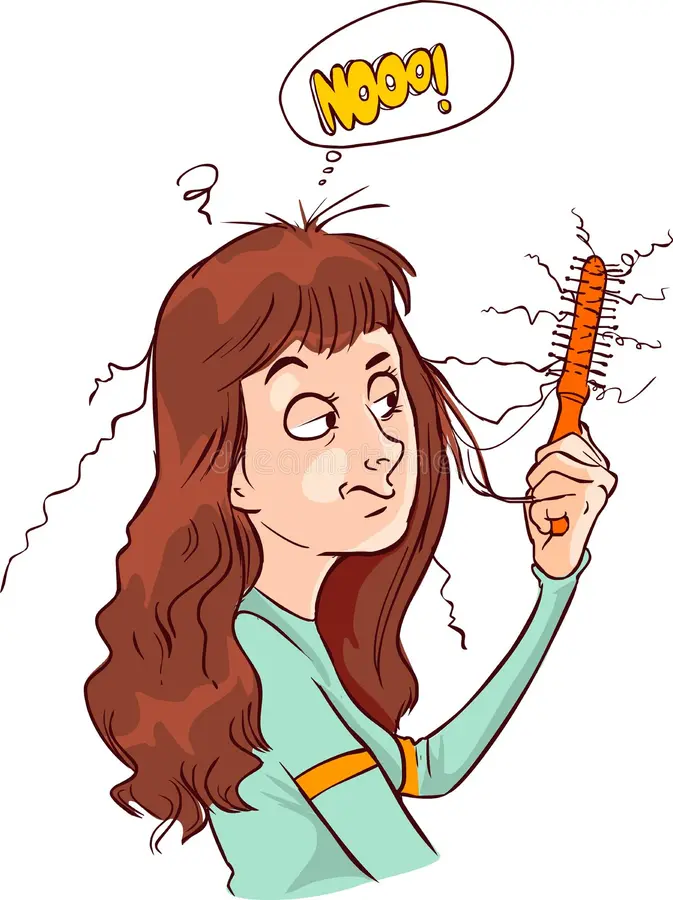
Dandruff is often treated as a surface-level problem, something that can be fixed with the right hair product. While topical care plays an important role, many people overlook the internal factors that influence scalp health. Stress levels, hormonal changes, and sleep quality can all affect how your scalp behaves, sometimes making dandruff harder to control even when you’re using an anti dandruff shampoo consistently.
Understanding these hidden influences can help you manage flakes more effectively and support long-term scalp balance.
The Stress–Scalp Connection
Stress affects nearly every system in the body, including the skin. When you’re under chronic stress, your body releases higher levels of cortisol, a hormone that can disrupt normal skin function. Elevated cortisol may increase oil production on the scalp and weaken the skin barrier, making it more prone to irritation and flaking.
Stress also triggers inflammation, which can worsen itching and redness. This creates a cycle where scratching leads to more irritation, making dandruff more noticeable. Even the best scalp treatments may struggle to work if stress remains unmanaged.
How Hormones Influence Scalp Health
Hormones play a major role in regulating oil production and skin cell turnover. Fluctuations during puberty, pregnancy, menopause, or certain medical conditions can alter how the scalp behaves.
Increased levels of androgens, for example, stimulate oil glands, creating an environment where dandruff-causing microorganisms thrive. This is why some people notice flare-ups during hormonal shifts. On the other hand, hormonal imbalances can also lead to dryness, which causes flaking that resembles dandruff but requires a different approach.
Because hormonal changes are internal, topical products alone may not fully resolve symptoms. However, maintaining a consistent scalp care routine can help manage the visible effects.
The Impact of Poor Sleep
Sleep is when the body repairs and regenerates itself, including the skin. During deep sleep, cell turnover is regulated, inflammation is reduced, and the immune system resets. When sleep is disrupted or insufficient, these processes suffer.
Lack of sleep increases stress hormones and weakens the skin barrier, making the scalp more sensitive and reactive. This can lead to increased itching, dryness, and flaking. Over time, chronic sleep deprivation may reduce the effectiveness of dandruff treatments.
Why Dandruff Often Feels Worse During Stressful Periods
Many people notice dandruff flare-ups during exams, work deadlines, or emotional stress. This isn’t a coincidence. Stress, hormonal shifts, and sleep disruption often occur together, amplifying their impact on scalp health.
During these periods, oil production may spike, inflammation increases, and the immune response becomes less balanced. These changes create ideal conditions for dandruff to worsen, even if your haircare routine hasn’t changed.
Supporting Scalp Health During Stressful Times
While you can’t always eliminate stress, you can take steps to reduce its impact on your scalp. Simple practices such as mindfulness, regular exercise, and breathing techniques can help regulate stress hormones.
Pairing lifestyle adjustments with consistent use of an itch relief shampoo helps manage symptoms while your body regains balance. The goal is to support both internal and external factors simultaneously.
Hormonal Balance and Long-Term Dandruff Control
Managing hormone-related dandruff requires patience. Dietary choices, hydration, and overall wellness influence hormone regulation. Nutrients such as zinc, omega-3 fatty acids, and B vitamins play a role in skin health and may support scalp function.
If dandruff appears suddenly or becomes severe during hormonal changes, professional guidance may be necessary to rule out underlying conditions.
Sleep Hygiene and Scalp Comfort
Improving sleep quality can have a noticeable effect on scalp health. Establishing a consistent bedtime, limiting screen exposure before sleep, and creating a calm nighttime routine support better rest.
When the body is well-rested, inflammation decreases and skin repair improves. This enhances the effectiveness of topical treatments and reduces the frequency of flare-ups.
For people who experience significant itching at night, using an itch relief shampoo earlier in the day can help calm the scalp and reduce discomfort that interferes with sleep.
Why Shampoo Alone Isn’t Always Enough
Shampoos are designed to manage symptoms at the scalp level, but they can’t address internal imbalances on their own. Stress, hormones, and sleep habits influence how the scalp responds to treatment.
If these factors are ignored, dandruff may keep returning despite proper product use. This doesn’t mean your treatment is ineffective—it means your scalp needs more comprehensive support.
Creating a Balanced Dandruff Management Routine
An effective approach to dandruff includes both topical care and lifestyle awareness. Using the right products consistently, managing stress, eating a balanced diet, and prioritizing sleep work together to support scalp health.
Alternating treatment shampoos with gentler options can help prevent irritation and maintain comfort. Listening to your body’s signals allows you to adjust your routine as needed.
Final Thoughts
Dandruff is influenced by more than just what you put on your scalp. Stress, hormonal fluctuations, and poor sleep can all disrupt scalp balance and make flakes harder to control.
While an anti dandruff shampoo remains an essential part of treatment, long-term improvement often requires addressing internal factors as well. By supporting your overall well-being, you give your scalp the best chance to heal, resulting in fewer flakes, less irritation, and improved confidence over time.

 English
 Arabic
 French
 Spanish
 Portuguese
 Deutsch
 Turkish
 Dutch
Dutch
 Italiano
 Russian
 Romaian
 Portuguese (Brazil)