


Airway Obstruction Correction Functional Aesthetic Riyadh
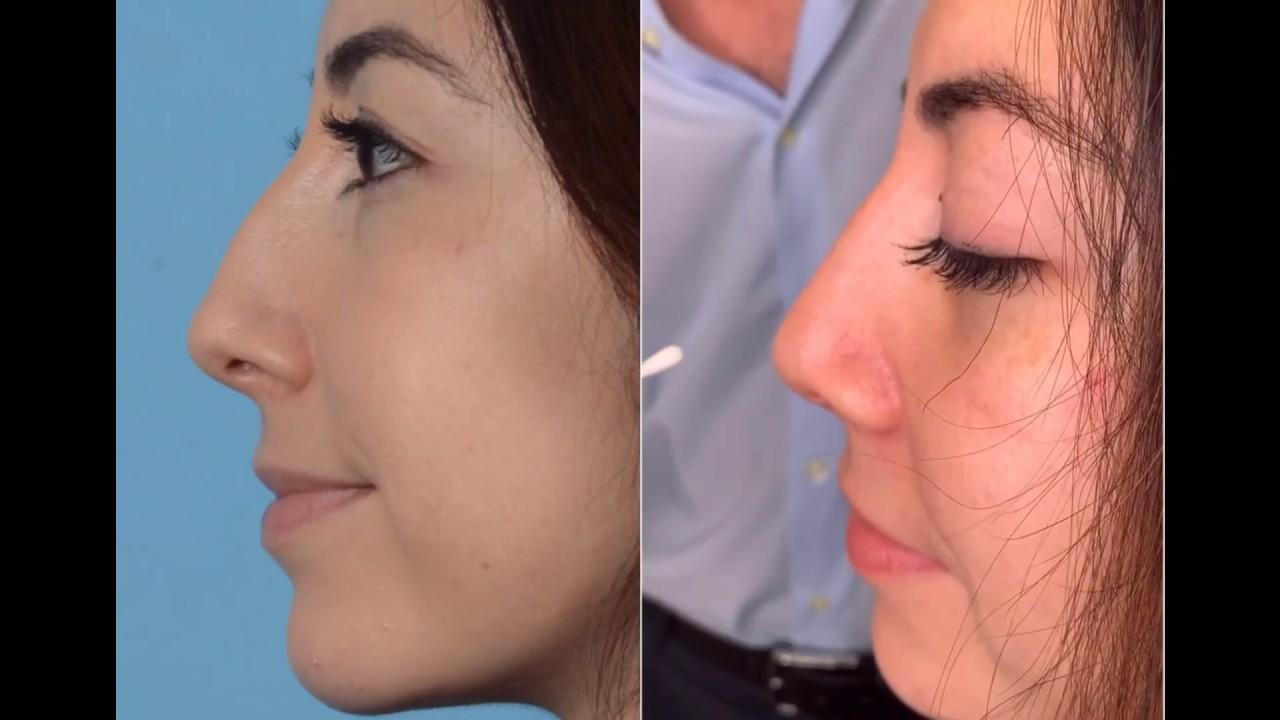
Rhinoplastyin riyadh(تجميل الأنف في الرياض) often involves a dual mandate: restoring optimal nasal function (fixing breathing problems) while simultaneously achieving desired aesthetic refinements (esthetic improvements). This integrated procedure is known as Septorhinoplasty or Functional Rhinoplasty with Aesthetic Improvement. This comprehensive surgical approach is a hallmark of highly specialized practices in the Kingdom of Saudi Arabia (KSA). It is considered the gold standard for patients who suffer from chronic nasal obstruction due to internal structural issues (like a deviated septum or nasal valve collapse) but also desire aesthetic changes (such as hump reduction or tip refinement). The goal is to ensure that the form of the nose complements the face, and the function of the nose is optimized for health.
I. The Necessity of the Combined Septorhinoplasty
Treating nasal obstruction and cosmetic concerns simultaneously is often the most effective, safest, and most cost-effective approach for the patient.
A. The Structural Connection
The interior structure of the nose—the septum and the nasal valves—is inextricably linked to the exterior appearance.
-
Deviated Septum: The most common cause of breathing difficulty is a deviated septum. This structural issue can also cause the external nose to appear crooked, twisted, or asymmetrical. Correcting the deviation (Septoplasty) is a mandatory first step to straightening the external nose.
-
Airway Support: Functional components like the nasal valves are supported by the nose's visible cartilage. Correcting a cosmetic issue, such as reducing a large hump, requires the surgeon to remove part of the structural support. Without immediate internal reconstruction using grafts (like spreader grafts), the nose could collapse, worsening breathing even if the appearance is improved.
B. Medical and Financial Efficiency
-
Single Surgery, Single Recovery: Combining the procedures means the patient only undergoes one general anesthesia, one surgical event, and one recovery period, significantly reducing overall trauma and downtime compared to having two separate surgeries.
-
Insurance Coverage: Since the functional components (Septoplasty and valve repair) are medically necessary to treat conditions like chronic nasal congestion or sleep disturbances, parts of the surgical costs (facility fees, anesthesia, and functional surgeon's fee) are often covered or partially reimbursed by private health insurance in KSA, making the combined procedure financially advantageous.
II. Core Techniques for Airway Obstruction Correction
The functional part of the surgery requires meticulous attention to the main sources of airflow resistance.
A. Correcting the Deviated Septum (Septoplasty)
-
The Procedure: The surgeon makes an incision inside the nose to access and lift the septal lining, allowing the deviated cartilage and bone to be precisely reshaped, trimmed, or repositioned to restore a straight central airway.
-
Result: This addresses the most common cause of chronic nasal blockage and provides the essential cartilage donor material for the aesthetic component.
B. Stabilizing the Nasal Valves
The Nasal Valves—the narrowest and most crucial points for airflow—are prone to collapse, often due to weakness, trauma, or previous surgery. This often requires the use of cartilage grafts to act as internal scaffolding.
-
Spreader Grafts: Small strips of cartilage are placed between the upper lateral cartilages and the septum. These "tent poles" widen the critical internal nasal valve angle, increasing airflow capacity and preventing collapse during inhalation.
-
Alar Batten Grafts: Used to reinforce the sidewalls of the nose to prevent collapse of the external nasal valve (nostril rim), especially during deep breaths.
C. Addressing Turbinate Enlargement
If the turbinates (structures that humidify air) are chronically swollen or enlarged (hypertrophy), they can also cause obstruction. The surgeon may perform a concurrent Turbinate Reduction using radiofrequency ablation or submucosal resection to reduce their size and maximize airflow without compromising their essential function.
III. Seamless Aesthetic Improvement
The aesthetic goals are achieved with surgical precision after the functional foundation is stabilized. The expert surgeons in Riyadh are skilled in creating natural, harmonious results that complement the patient's ethnic features.
-
Dorsal Refinement: Bony or cartilaginous humps are reduced using fine techniques, often employing specialized instruments like Piezosurgery (ultrasonic bone shaping) to ensure a smooth, predictable contour line and reduce post-operative bruising.
-
Tip Refinement: The nasal tip is refined using advanced suture techniques to reshape the cartilage, reducing bulbosity and increasing definition, projection, or rotation as required for the patient's facial balance.
-
Nasal Symmetry: For noses made crooked by the initial deviation, the full Septorhinoplasty ensures that the correction of the internal septum is reflected by a straightened external nasal pyramid.
IV. Cost and Recovery Considerations
The integrated nature of the procedure influences both the recovery and the cost structure.
| Component | Average Cost Range (SAR) | Note |
| Functional Rhinoplasty (Septorhinoplasty) | 14,999 – 28,000 | Price varies based on complexity (e.g., valve repair) and surgeon. |
| Septoplasty (Functional Only) | 10,000 – 19,999 | Often covered by insurance if solely for breathing issues. |
| Closed Rhinoplasty (Aesthetic Only) | 28,000 – 40,000 | Aesthetic component is out-of-pocket expense. |
-
Recovery Timeline: Patients wear a splint for about 5-7 days. While initial swelling and bruising are present, significant improvement in both appearance and breathing function is generally noticeable within the first few weeks. The final aesthetic and functional results are stable and fully visible at 12 to 18 months.
-
Surgeon Selection: Given the requirement to manage both complex aesthetic and functional issues, choosing a highly-rated Consultant ENT/Facial Plastic Surgeon or Consultant Plastic Surgeon in Riyadh with extensive experience in combined Septorhinoplasty is essential for a life-changing, successful outcome.
Would you like me to detail the Cottle Maneuver, the simple test surgeons use to check for nasal valve collapse?

 English
 Arabic
 French
 Spanish
 Portuguese
 Deutsch
 Dutch
Dutch
 Italiano
 Russian
 Romaian
 Portuguese (Brazil)
 Greek
Greek