


Tree Trimming, Tree Removal, and Tree Pruning: A Complete Expert Guide to Healthy, Safe, and Beautiful Trees
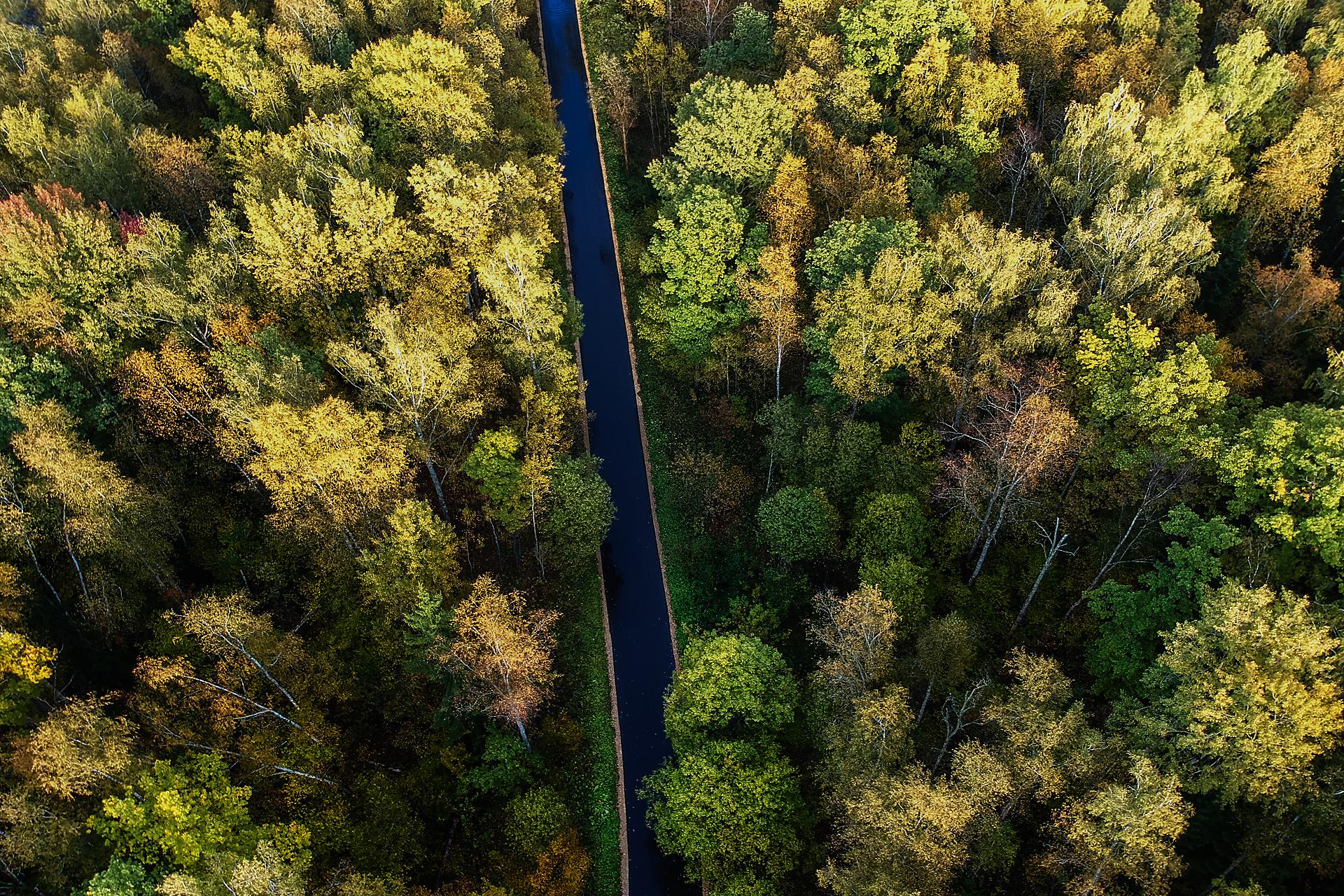
Trees add beauty, shade, and value to any property, but without proper care, they can become unsafe, unhealthy, or unmanageable. Professional tree trimming, tree removal, and tree pruning are essential services that ensure tree health, enhance curb appeal, and protect people and property. Understanding the difference between these services—and knowing when each is required—can help homeowners and businesses make informed decisions.
This expert guide explains how tree trimming, tree pruning, and tree removal work, why they matter, and how they improve safety, aesthetics, and long-term tree health.
Understanding Tree Trimming
Tree trimming focuses on improving the shape, appearance, and growth pattern of trees. It involves selectively cutting branches that are overgrown, uneven, or interfering with structures such as roofs, power lines, and sidewalks.
Regular tree trimming:
-
Enhances the overall appearance of your landscape
-
Prevents branches from damaging property
-
Improves sunlight penetration and air circulation
-
Encourages balanced growth
Professional tree trimming is especially important for ornamental and shade trees, where aesthetics and symmetry play a major role. When done correctly, trimming helps trees grow stronger and more resilient against storms.
The Importance of Tree Pruning for Tree Health
While tree trimming focuses on appearance, tree pruning is primarily about tree health and safety. Tree pruning involves removing dead, diseased, damaged, or weak branches to prevent decay and structural failure.
Benefits of tree pruning include:
-
Preventing the spread of disease and pests
-
Reducing the risk of falling branches
-
Strengthening the tree’s structure
-
Promoting healthy new growth
Expert tree pruning requires knowledge of tree biology, proper cutting techniques, and seasonal timing. Incorrect pruning can weaken a tree or lead to long-term damage. That’s why hiring certified professionals for tree pruning is always recommended.
When Tree Removal Becomes Necessary
Sometimes, tree removal is the only safe and practical solution. A tree may need to be removed if it is dead, severely diseased, leaning dangerously, or causing structural damage to nearby buildings or underground utilities.
Common reasons for tree removal include:
-
Dead or dying trees that pose safety hazards
-
Trees damaged by storms or lightning
-
Roots damaging foundations, driveways, or pipes
-
Trees obstructing construction or landscaping projects
Professional tree removal is a complex and potentially dangerous process that requires specialized equipment and expertise. Attempting DIY tree removal can result in serious injury or property damage.
Tree Trimming vs Tree Pruning vs Tree Removal
Although often used interchangeably, these services serve different purposes:
-
Tree trimming: Improves shape, appearance, and growth control
-
Tree pruning: Enhances health, safety, and structural strength
-
Tree removal: Eliminates hazardous or unwanted trees entirely
A professional arborist can assess your trees and recommend whether tree trimming, tree pruning, or tree removal is the best solution based on condition, location, and long-term goals.
Why Professional Tree Services Matter
Hiring experts for tree trimming, tree pruning, and tree removal ensures:
-
Compliance with safety standards
-
Proper tools and techniques
-
Protection of surrounding plants and property
-
Long-term tree health and sustainability
Professionals also understand local regulations and permits required for tree removal, helping you avoid legal issues.
How Often Should Tree Trimming and Pruning Be Done?
-
Tree trimming: Typically once every 1–2 years for mature trees
-
Tree pruning: Every 2–5 years, depending on tree species and condition
-
Tree removal: Only when absolutely necessary
Regular inspections help identify issues early and reduce the need for emergency tree removal.
FAQs
1. What is the difference between tree trimming and tree pruning?
Tree trimming focuses on aesthetics and controlling growth, while tree pruning targets tree health by removing dead or diseased branches.
2. When should tree removal be considered?
Tree removal should be considered when a tree is dead, structurally unstable, diseased beyond recovery, or posing a safety risk.
3. Is tree trimming safe to do on my own?
Minor tree trimming may be manageable, but professional services are recommended to avoid injury and ensure proper cuts.
4. Does tree pruning help trees grow better?
Yes, proper tree pruning encourages healthy growth, improves structure, and prevents disease.
5. Can regular tree trimming prevent the need for tree removal?
In many cases, consistent tree trimming and tree pruning can extend a tree’s life and reduce the likelihood of needing tree removal.
Conclusion
Investing in professional tree trimming, tree pruning, and tree removal is essential for maintaining a safe, attractive, and healthy landscape. Each service plays a unique role in tree care, and understanding when to use them can save time, money, and prevent potential hazards. For best results, always consult experienced arborists who can deliver expert solutions tailored to your property’s needs.

 English
 Arabic
 French
 Spanish
 Portuguese
 Deutsch
 Turkish
 Italiano
 Russian
 Romaian
 Portuguese (Brazil)
 Greek
Greek