


Managing Pain During Fistula Surgery Recovery
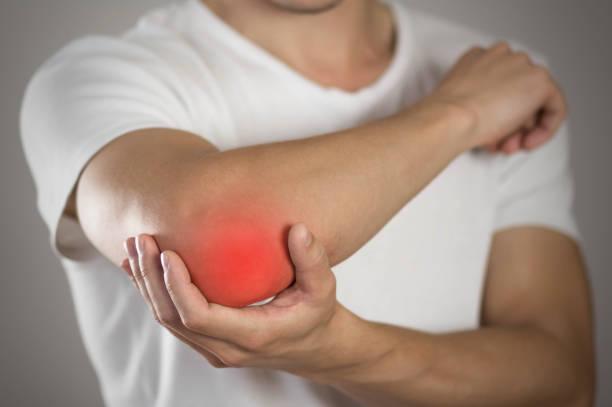
Pain management plays a crucial role in ensuring a smooth recovery after fistula surgery. Many patients worry about discomfort post-procedure, but with the right strategies, you can minimize it effectively. Fistula Surgery in Riyadhتكلفة عملية الناسور بالليزر في السعودية This guide dives into practical tips, medical insights, and lifestyle adjustments to help you navigate recovery confidently. Whether you're preparing for surgery or already in the healing phase, these steps empower you to regain comfort quickly.
Fistula surgery addresses abnormal connections between organs, often in the anal or rectal area, causing pain, infection, or leakage. Fistula Surgery in Riyadh offers advanced techniques tailored to individual needs, focusing on precision and faster healing. Understanding pain patterns helps set realistic expectations—most discomfort peaks in the first week and fades gradually.
Why Pain Occurs After Fistula Surgery
Pain after fistula surgery stems from tissue trauma during the procedure. Surgeons cut and repair the fistula tract, which irritates surrounding nerves and muscles. Inflammation builds as your body heals, leading to throbbing or sharp sensations, especially when sitting or moving.
Swelling contributes significantly, pressing on sensitive areas. Bowel movements exacerbate it due to straining, while poor wound hygiene can trigger infections that amplify discomfort. Recognizing these triggers early allows proactive management.
Fistula Surgery in Riyadh emphasizes post-op protocols to curb inflammation from day one. Patients often report milder pain thanks to modern methods like laser-assisted repairs, which reduce tissue damage.
Immediate Post-Op Pain Relief Strategies
Right after surgery, your medical team provides potent painkillers like opioids or NSAIDs to blunt acute discomfort. Ice packs applied for 15-20 minutes several times a day constrict blood vessels, slashing swelling and numbing the area effectively.
Elevating your hips while resting—using pillows under your lower body—eases pressure on the surgical site. Stay hydrated and follow a soft diet to prevent constipation, a major pain aggravator. These simple habits turn overwhelming pain into manageable twinges.
Over-the-Counter and Prescription Medications
Non-prescription options like ibuprofen or acetaminophen tackle mild to moderate pain by reducing inflammation and blocking pain signals. Alternate them to avoid stomach upset, and always pair with food.
For severe cases, doctors prescribe stronger meds such as tramadol or codeine, balancing efficacy with side effect monitoring. Never exceed doses—overuse risks dependency or slowed healing. Consult your surgeon before mixing remedies.
Fistula Surgery in Riyadh integrates personalized medication plans, ensuring you receive exactly what's needed without excess.
Non-Drug Pain Management Techniques
Heat therapy after the first 48 hours relaxes muscles and boosts circulation. A warm sitz bath—sitting in shallow warm water for 10-15 minutes—twice daily cleanses the wound while soothing irritation. Add Epsom salts for extra anti-inflammatory magic.
Breathing exercises, like deep diaphragmatic inhales, activate your body's natural painkillers—endorphins. Gentle yoga poses, such as child's pose, stretch without strain. Distraction works wonders too: podcasts or light reading divert your focus from discomfort.
Dietary Adjustments to Ease Recovery Pain
High-fiber foods like oats, prunes, and veggies soften stools, minimizing straining that rips open healing tissues. Probiotic-rich yogurt supports gut health, curbing infection-related pain.
Avoid spicy, greasy, or caffeinated items—they irritate the surgical site. Aim for small, frequent meals to stabilize digestion. Hydration remains key: 8-10 glasses of water daily lubricate your system, slashing discomfort by 30-50%.
Wound Care Practices That Reduce Pain
Cleanliness prevents infections that spike pain levels. Gently pat the area dry after baths using soft wipes—no rubbing. Apply prescribed antibiotic ointments to seal wounds and fend off bacteria.
Wear loose cotton underwear to breathe, reducing moisture buildup. Monitor for redness or pus; early reporting averts escalations. Proper care not only dulls pain but accelerates closure.
Physical Activity and Exercise for Pain Control
Bed rest tempts, but light walking starting day two promotes blood flow, dispersing inflammatory chemicals. Begin with 5-minute strolls, building to 20 minutes as tolerated—each step dulls chronic ache.
Pelvic floor exercises, guided by your surgeon, strengthen muscles without pressure. Avoid heavy lifting or cycling for 4-6 weeks. Movement transforms stiffness into flexibility, making daily life pain-free sooner.
Emotional and Psychological Pain Coping Methods
Pain amplifies with anxiety—it's a vicious cycle. Mindfulness apps guide meditation, rewiring your brain to perceive less intensity. Journaling frustrations releases mental tension, easing physical symptoms.
Connect with support groups online for shared stories; knowing others triumphed boosts resilience. Positive visualization—picturing pain dissolving—harnesses mind-body power effectively.
When to Seek Urgent Medical Help
Not all pain responds routinely. Red flags include fever over 100.4°F, worsening swelling, foul discharge, or unrelenting agony despite meds. These signal complications like abscesses needing prompt intervention.
Track symptoms daily; sudden spikes demand attention. Delaying risks prolonged recovery—act fast for peace of mind.
Long-Term Pain Prevention After Recovery
Scar tissue can linger, but massages post-6 weeks soften it, preventing tightness. Maintain fiber intake lifelong to avoid recurrence. Regular check-ups catch issues early.
Lifestyle shifts like quitting smoking enhance circulation, fortifying healing. These habits ensure pain becomes a distant memory.
Ready to start your pain-free journey? Book an appointment consultation clinic at Enfield Royal Riyadh (إنفيلد رويال الرياض) for expert guidance tailored to your needs.
FAQs
🤔 How long does pain last after fistula surgery?
Most patients feel significant relief within 1-2 weeks, with full easing by 4-6 weeks. Factors like surgery type and adherence to care influence this.
💊 What’s the best painkiller for fistula recovery?
Ibuprofen for inflammation or acetaminophen for general relief works best initially. Your doctor tailors prescriptions for optimal control.
🚶♂️ Can exercise worsen post-fistula surgery pain?
Light walking helps, but avoid straining activities. Start slow under guidance to build strength without setbacks.
🍎 Does diet impact fistula surgery pain?
Absolutely—high-fiber, hydrating foods prevent constipation, a top pain trigger. Soft diets speed comfort dramatically.
⚠️ When should I worry about recovery pain?
Contact your surgeon if pain intensifies, fever hits, or discharge appears. Quick action prevents complications.

 English
 Arabic
 French
 Spanish
 Portuguese
 Deutsch
 Turkish
 Dutch
Dutch
 Italiano
 Romaian
 Portuguese (Brazil)
 Greek
Greek