 English
 Arabic
 French
 Spanish
 Portuguese
 Deutsch
 Turkish
 Dutch
Dutch
 Italiano
 Russian
 Romaian
 Portuguese (Brazil)
 Greek
Greek

Why Network Detection and Response (NDR) is Essential in Modern Cybersecurity
Other |
2026-04-09 06:28:50
How Do Surgeons Close a Tummy Tuck Incision? is a key concern for patients considering abdominal contouring, as the closure technique directly influences healing quality, scar appearance, and long-term results. The process involves layered precision, where each tissue level is carefully aligned to restore abdominal structure and minimize tension on the skin. In a Dubai tummy tuck approach, modern surgical methods prioritize refined incision closure strategies that support smoother recovery and more natural-looking outcomes. Clinics such as Dynamic Life Clinic emphasize advanced surgical planning to ensure optimal tissue approximation and patient comfort throughout the healing phase.
The abdominal area undergoes significant reshaping during a tummy tuck, which involves removing excess skin and tightening underlying muscles. Incision closure is not just about sealing the skin; it is a structured process that restores anatomical integrity while reducing visible scarring.
Surgeons focus on:
Proper closure techniques are essential because the abdomen is a high-mobility area that experiences frequent stretching during movement, posture changes, and daily activity.
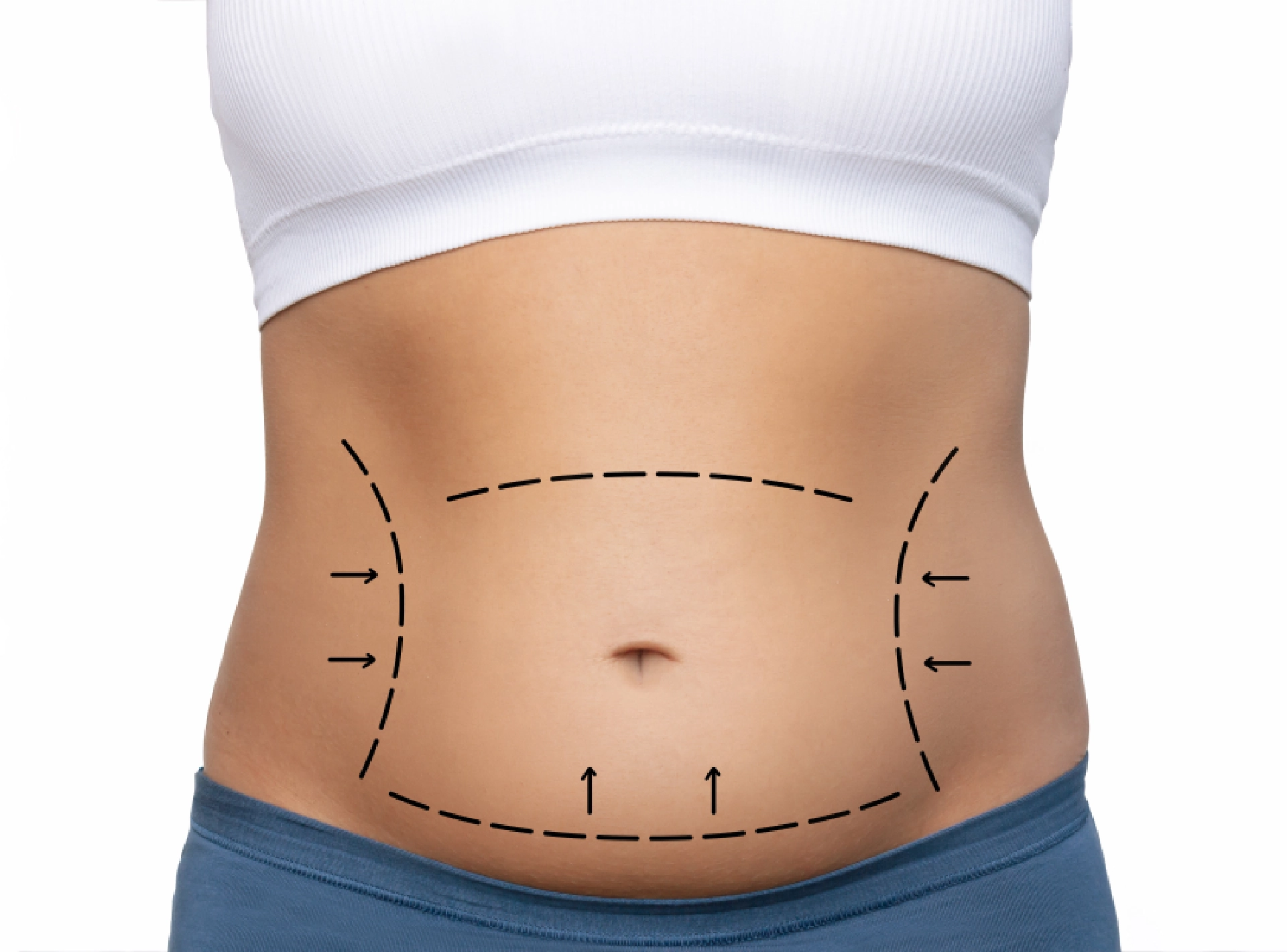
Modern tummy tuck procedures rely on a multi-layered closure approach. Instead of stitching only the skin, surgeons close each layer of tissue individually. This reduces stress on the outer incision and improves healing stability.
The layers typically include:
This step-by-step reconstruction is essential for reducing complications such as skin pulling or uneven healing.
Different sutures are selected based on tissue depth, healing speed, and tension control. Each type serves a specific function in ensuring a secure and clean closure.
Commonly used sutures include:
The selection depends on surgical technique and the patient’s tissue response, ensuring both safety and aesthetic refinement.
Once deeper layers are secured, the final skin closure becomes a critical stage. Surgeons carefully align skin edges to ensure symmetry and minimize visible scarring. Precision is essential because even slight misalignment can affect the final aesthetic result.
Techniques used during skin closure include:
The goal is to achieve a smooth, even incision line that blends naturally with the lower abdomen.
Tension control plays a major role in incision healing. Excessive pull on the wound can widen scars or delay recovery, so surgeons use specialized methods to distribute pressure evenly across the abdominal area.
These methods may involve:
By managing tension effectively, the incision heals more predictably and with improved cosmetic outcomes.
In many tummy tuck procedures, temporary drains are placed beneath the skin to prevent fluid accumulation. Although not directly part of incision stitching, they play a supportive role in ensuring proper healing after closure.
Post-closure care typically includes:
These steps help maintain the integrity of the incision while the body adapts to its new contour.
Scarring is a natural part of healing, but surgical closure techniques significantly influence its final appearance. Over time, scars typically fade and flatten as the tissue matures.
Factors affecting scar development include:
Surgeons often aim to place incisions low on the abdomen so they remain concealed under clothing, while careful closure reduces the likelihood of thick or raised scarring.
Not all tummy tuck closures are identical, as each patient’s anatomy requires a tailored approach. Factors such as skin quality, muscle separation, and body shape influence how the incision is closed.
Key considerations include:
In aesthetic centers offering a Dubai tummy tuck experience, customization is emphasized to ensure both functional and cosmetic success.
Healing after incision closure depends heavily on how well the patient follows post-operative guidance. Even the most precise surgical closure requires proper care to achieve optimal results.
Recovery support may involve:
These practices help maintain incision stability and improve long-term outcomes.
Incision closure in a tummy tuck is a highly structured and technical process that combines layered suturing, tension management, and precise skin alignment. Each step is designed to support healing, reduce scarring, and maintain abdominal contour stability. From deep tissue reconstruction to final skin closure, surgeons apply meticulous techniques that directly influence the success of the procedure. With advanced methods used in modern aesthetic practices, patients benefit from safer healing and more refined results that align with natural body proportions.


